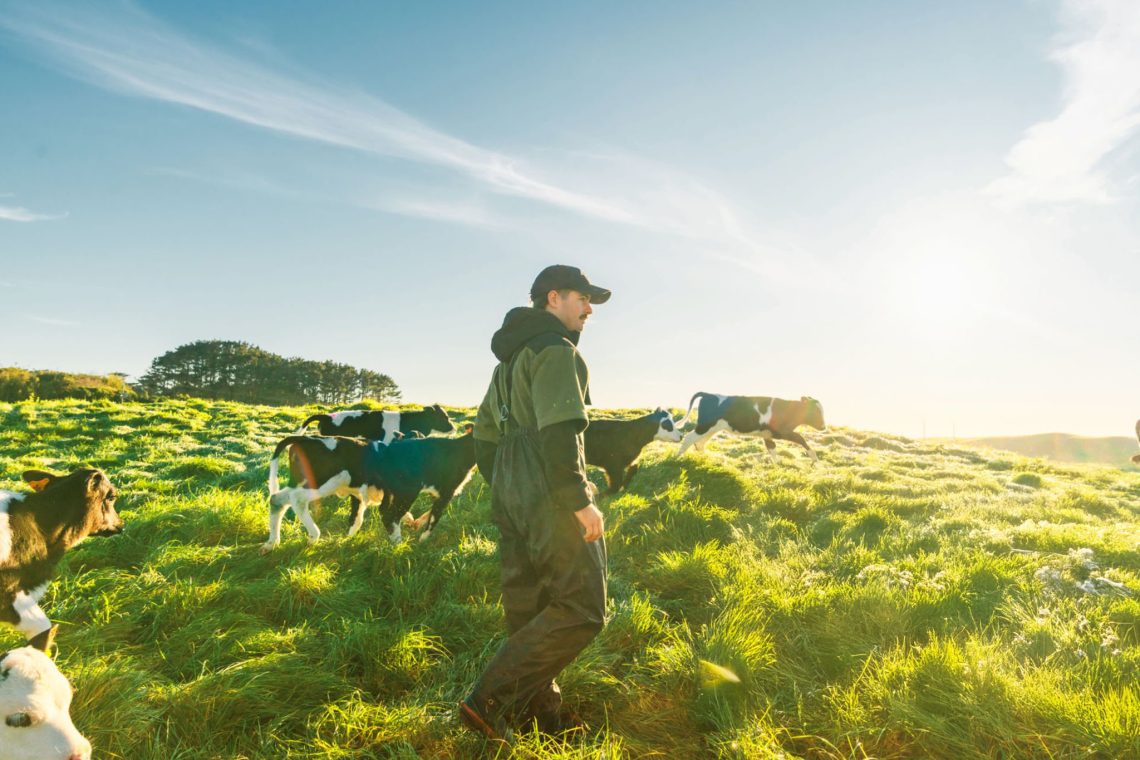
Early Spring Pasture Recovery: Bringing Fields Back to Life After Winter
Winter takes a heavy toll on pastures. Frost, snow, and saturated soils can leave fields compacted, nutrient-depleted, and littered with debris. For ranchers and livestock managers, early spring is a critical window to assess, repair, and rejuvenate pastures before animals return in full numbers. Proper pasture recovery not only improves forage availability but also promotes long-term soil health and herd productivity.
This guide outlines step-by-step strategies for early spring pasture recovery, helping American ranchers get fields back in top shape after a harsh winter.
Step 1: Assess Your Pastures After Winter
Before any recovery efforts, walk your fields to evaluate damage:
- Soil condition: Look for compaction, standing water, and erosion. Frost heaving can leave uneven surfaces.
- Vegetation damage: Identify areas with dead grass, winter kill, or excessive trampling.
- Debris accumulation: Remove fallen branches, rocks, and trash that could interfere with mowing, grazing, or planting.
- Weed emergence: Early identification of invasive species allows timely control.
Tip: Mapping problem areas with GPS or field notes helps plan recovery work efficiently.
Step 2: Address Soil Health
Winter leaves soils vulnerable. Early spring is the ideal time to restore fertility and structure:
- Aeration: Use a core aerator or spike aerator to relieve compaction and improve water infiltration.
- pH adjustment: Test soil and apply lime if necessary; slightly acidic soils can reduce forage growth.
- Fertilization: Apply nitrogen, phosphorus, and potassium based on soil test recommendations to support rapid grass growth.
- Organic matter: Spread compost or well-rotted manure on bare or thin areas to boost microbial activity.
Healthy soil is the foundation for a productive pasture season.
Step 3: Repair and Renovate Vegetation
Pastures often need reseeding or patching after winter:
- Overseeding: Introduce hardy, early-growing grasses and legumes to replace winter-killed areas.
- Species selection: Choose varieties adapted to your climate and soil, such as Kentucky bluegrass, orchardgrass, or clover.
- Planting technique: Lightly rake soil before spreading seed to ensure good soil-to-seed contact. Rolling or dragging the field afterward can improve germination.
- Mulching: Apply straw or mulch to protect seeds from erosion and help retain moisture.
Quick-growing cover crops like ryegrass can also provide early forage while permanent pastures recover.
Step 4: Manage Early Spring Grazing Carefully
Once pastures show new growth, controlled grazing helps maintain healthy vegetation:
- Rotation grazing: Divide fields into paddocks and rotate livestock to prevent overgrazing.
- Stocking rate: Adjust livestock numbers according to pasture recovery and forage availability.
- Monitoring: Check for areas of stress and remove animals if soil is still saturated to prevent compaction.
Proper grazing management encourages uniform growth and improves root development.
Step 5: Control Early Weeds and Pests
Early spring is prime time for weeds and pests to gain a foothold:
- Herbicides: Apply pre-emergent herbicides where appropriate, following local regulations.
- Mechanical removal: Mow or hand-pull early weeds in sensitive areas.
- Pest monitoring: Check for grubs, armyworms, and other insects that can damage young grass.
Timely intervention reduces competition and ensures vigorous pasture recovery.
Step 6: Maintain Water and Fencing Infrastructure
Winter damage often affects water sources and fencing:
- Water systems: Inspect troughs, pipes, and pumps for leaks or freezing damage.
- Drainage: Ensure runoff channels are clear to prevent waterlogging.
- Fencing: Repair broken posts or wires to prevent livestock escapes during early grazing.
Functioning infrastructure supports both pasture health and livestock safety.
Step 7: Monitor Growth and Adjust Practices
Pasture recovery is not a one-time effort:
- Track grass height, density, and health throughout spring.
- Adjust fertilizer and grazing schedules based on growth rate.
- Keep records of seeding, amendments, and pasture performance to improve future management.
Continuous observation ensures pastures stay productive throughout the season.
Final Thoughts
Early spring pasture recovery sets the stage for a successful grazing season. By carefully assessing winter damage, restoring soil health, repairing vegetation, controlling weeds, and managing livestock wisely, ranchers can maximize forage production and improve long-term pasture sustainability.
With a structured approach, fields that once looked worn and dormant can come back to life quickly, providing abundant forage, healthier livestock, and a more resilient ranch ecosystem.


You May Also Like
The Complete Women’s Rain Boot Guide for 2025: Finding the Right Trudave Boot for Your Life — Whatever That Looks Like

Sharpening Tools and Minds: Off-Season Tasks for Serious Gardeners