Preparing Barns and Shelters: Livestock Comfort in Cooler Nights
As autumn settles in, the days may still bring warmth, but the nights grow noticeably cooler. For livestock owners, this shift means it’s time to make sure barns and shelters are ready to keep animals safe, comfortable, and healthy. Preparing your facilities before temperatures drop not only prevents stress but also boosts productivity and reduces health risks. Let’s look at practical steps ranchers and small-scale farmers can take to ensure livestock comfort during those chilly fall nights.
Why Livestock Comfort Matters in Fall
Livestock are hardy, but sudden swings in temperature—warm afternoons followed by cold nights—can put unnecessary strain on their bodies. Stress from cold can reduce weight gain, milk production, and overall health. By getting ahead of the seasonal transition, you’ll create an environment where animals thrive instead of simply endure.
1. Inspect Barns and Shelters Thoroughly
Before temperatures dip further, walk through all barns, sheds, and run-ins to spot potential problems.
- Check for drafts: Small gaps in siding or roofing can funnel cold air directly onto animals. Seal cracks and patch holes but allow for controlled ventilation.
- Roof and gutter maintenance: Clear debris to prevent leaks and water damage. A dry shelter is just as important as a warm one.
- Flooring: Look for uneven or wet spots. Slippery, damp floors lead to discomfort and increase the risk of hoof problems.
2. Bedding for Warmth and Cleanliness
Proper bedding can be the difference between livestock shivering through the night and resting comfortably.
- Straw and hay provide excellent insulation, keeping animals off cold, hard floors.
- Wood shavings are absorbent and reduce odor, though they may need more frequent replacement.
- Deep bedding method: In colder regions, building layers of bedding through the season creates natural insulation as the lower layers decompose.
3. Ventilation Without Drafts
A common mistake is sealing barns too tightly in an effort to keep them warm. Stale air leads to respiratory issues and excess moisture buildup.
- Install ridge vents or adjustable windows high on barn walls.
- Ensure airflow moves above animal level rather than directly onto them.
- Use fans sparingly but strategically to reduce humidity.
4. Water Access in Cooler Temperatures
Animals drink less when water is cold, but hydration is critical even in cooler weather.
- Use heated waterers or insulated buckets to prevent freezing later in the season.
- Check for leaks in hoses and lines before freezing becomes an issue.
- Position water sources inside or near shelters to reduce exposure on frosty mornings.
5. Feed Adjustments for Energy Needs
As nights grow cooler, livestock burn more energy maintaining body heat.
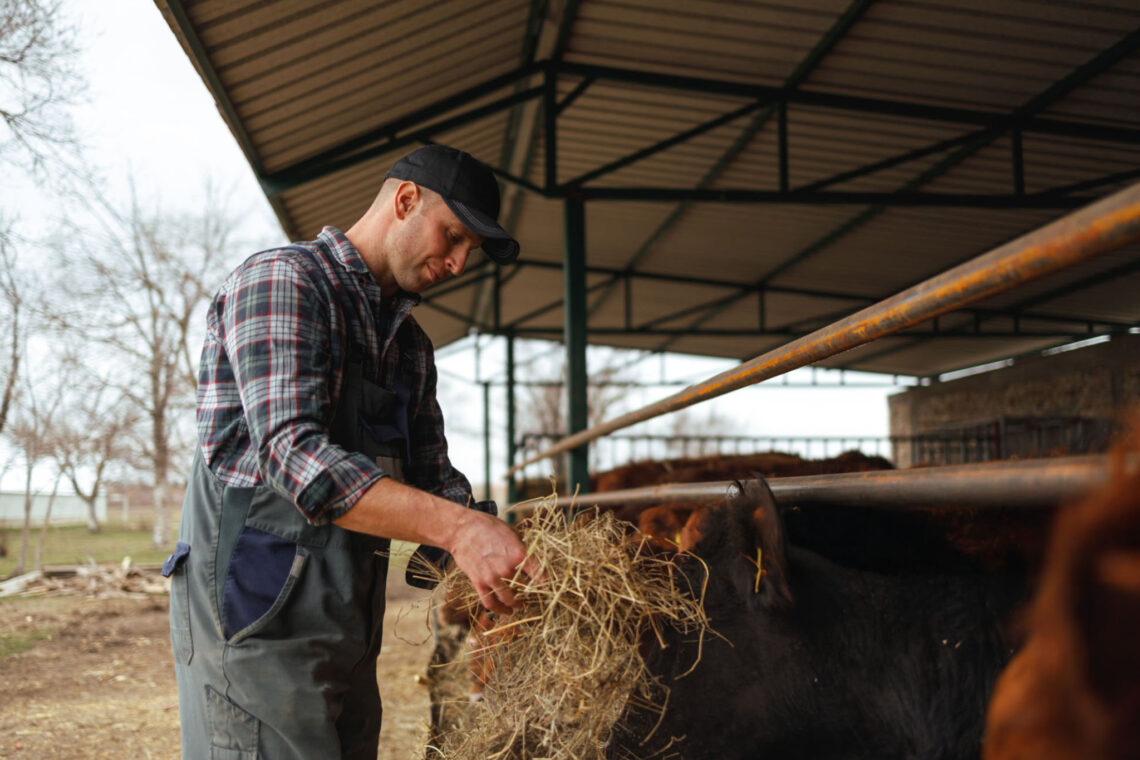
- Increase forage availability—plenty of hay should be accessible.
- Provide supplemental grain for animals needing more calories, such as lactating cows or growing stock.
- Monitor body condition scores regularly to catch weight loss early.
6. Lighting and Security
Shorter days mean animals spend more time in shelters.
- Install reliable lighting for evening checks.
- Use motion sensor lights to deter predators that grow bolder in the fall.
- Ensure gates and fencing near shelters are secure to prevent escapes during cold nights.
7. Preparing for Emergencies
Cooler nights often mark the beginning of unpredictable fall storms.
- Keep backup power sources for automatic waterers or fans.
- Store extra feed and bedding in a dry, rodent-proof area.
- Review your animal health plan with your veterinarian, especially vaccinations that guard against respiratory illnesses common in fall.
Final Thoughts
Preparing barns and shelters for cooler nights isn’t just about keeping animals warm—it’s about creating a healthy, stress-free environment where they can thrive through the season. By addressing drafts, ensuring dry bedding, maintaining proper ventilation, and adjusting nutrition, livestock owners can set their herds and flocks up for success.
A little preparation in the fall makes a big difference in winter, ensuring your animals stay comfortable and productive all season long.


You May Also Like
Trudave vs. The Big Names: Why the “Budget” Boot is the Smartest Buy in 2026
Why Your Garden Is Growing Fast but Not Developing Strong Plants