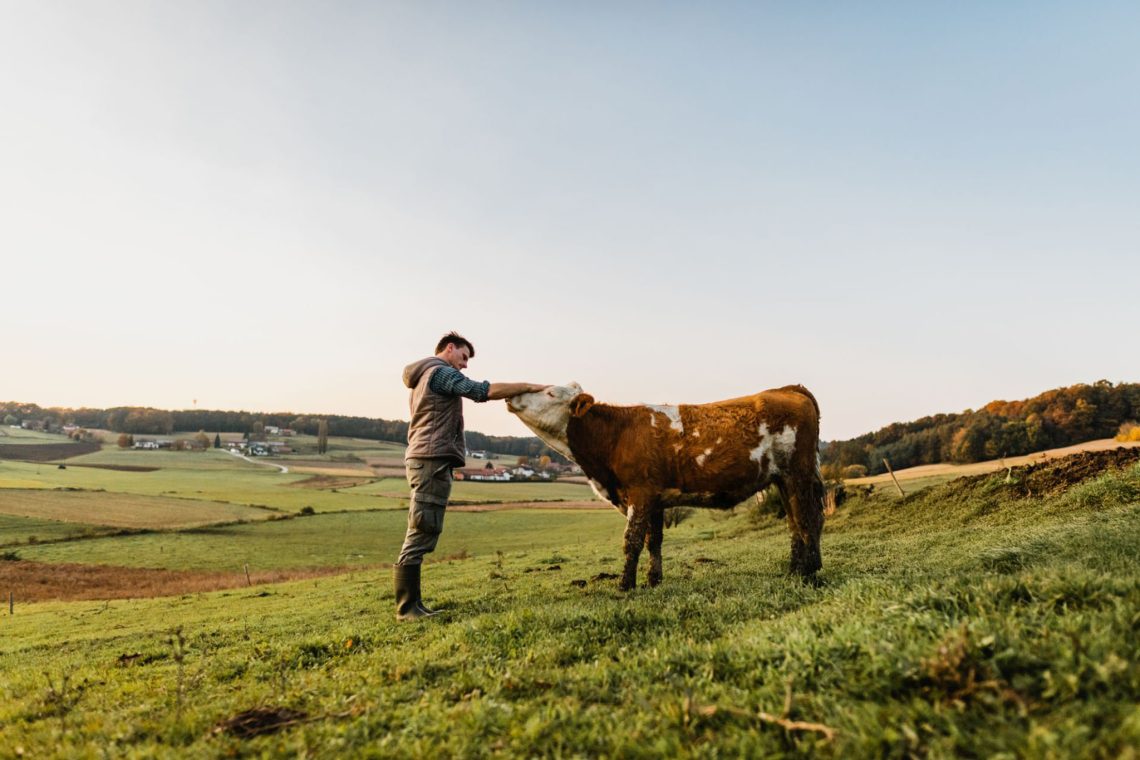
Spring Watering Strategies That Prevent Pasture Stress
Spring is the time when pastures awaken from winter dormancy, and forage begins its rapid growth. However, this crucial season also presents unique challenges for ranchers. One of the most overlooked factors in early spring is water management. Improper watering, whether too little or too much, can stress your pasture, stunt growth, and affect livestock performance. In this article, we’ll explore practical strategies to maintain healthy, stress-free pastures this spring.
Understanding Pasture Stress in Early Spring
Pasture stress occurs when grass and forage plants are unable to grow at their optimal rate due to environmental or management factors. In spring, stress is often linked to inconsistent soil moisture. After a cold winter, soil can be compacted, leading to poor drainage. At the same time, spring rains can be unpredictable, creating alternating wet and dry conditions. Both extremes—drought and waterlogging—can damage root systems, reduce nutrient uptake, and delay the pasture’s recovery from winter.
Key Indicators Your Pasture Needs Attention
Before adjusting your watering plan, it’s important to recognize signs of stress in your pasture:
- Yellowing or browning tips – Indicates insufficient water or nutrient uptake.
- Soil crusting – Heavy rainfall or frozen soil can compact the surface, slowing water infiltration.
- Uneven growth – Patches of slower growth often signal moisture inconsistencies.
- Footing problems – Muddy or waterlogged areas can damage root structures if livestock are grazing heavily.
Monitoring these signs weekly in spring allows ranchers to make proactive adjustments.
Spring Watering Strategies to Prevent Stress
1. Monitor Soil Moisture, Not Just Rainfall
Relying solely on rainfall is a common mistake. Use simple tools like a soil probe or moisture meter to check soil at multiple depths. For most cool-season grasses in spring, soil should remain consistently moist in the top 6–8 inches. Adjust irrigation or rotational grazing schedules based on these measurements rather than assuming natural rainfall is sufficient.
2. Implement Rotational Grazing Early
Allowing livestock to graze in sections prevents overuse of wet or stressed areas. By rotating cattle, you give stressed patches time to recover while maintaining uniform forage growth. Early spring rotational grazing also reduces soil compaction in wetter fields, which is critical for long-term pasture health.
3. Avoid Waterlogging
Spring often brings heavy rains that can saturate soil. If your pasture becomes waterlogged, avoid grazing in those areas until the soil dries sufficiently. Walking or grazing on wet soil compacts it, damages roots, and increases runoff. Temporary fencing or movable gates can help keep cattle off vulnerable sections.
4. Supplement with Irrigation When Needed
In regions where spring rainfall is inconsistent, consider supplemental irrigation. Even light, frequent watering can maintain steady soil moisture, encouraging early growth without oversaturating the soil. Drip or sprinkler systems can be adjusted to target high-stress areas, conserving water while preventing dry spots.
5. Combine Watering with Fertilization
Spring is the perfect time to pair water management with nutrient management. Moist soil improves nutrient uptake from fertilizers, helping grass recover faster and reducing stress. For example, applying nitrogen after a light irrigation promotes rapid, healthy regrowth, maximizing pasture productivity.
6. Prepare for Mid-Spring Heat
Even in early spring, unseasonably warm days can spike evapotranspiration, causing rapid soil drying. Maintaining small water reservoirs or shaded watering points in strategic locations ensures livestock have access to water while keeping pasture soil moisture balanced.
Long-Term Benefits of Proper Spring Watering
Implementing these watering strategies can significantly improve pasture performance:
- Faster forage growth – Steady moisture supports healthy root systems and above-ground biomass.
- Improved livestock weight gain – Consistent pasture quality translates to better feed intake.
- Reduced disease and pest stress – Healthy pastures are more resilient to fungal or insect issues.
- Stronger soil structure – Proper moisture management reduces compaction and promotes microbial activity.
Conclusion
Spring is a critical period for pastures, and water management plays a pivotal role in reducing stress and promoting early growth. By monitoring soil moisture, implementing rotational grazing, avoiding waterlogged areas, supplementing irrigation when needed, and coordinating with fertilization, ranchers can ensure their pastures thrive throughout the season. Thoughtful spring watering not only boosts forage productivity but also sets the stage for a successful grazing season and healthier, more productive livestock.


You May Also Like
Best Boots for Car Wash Workers and Auto Detailers: Footwear for Wet Concrete, Pressure Washing, Soap, and Long Shifts
Cover Crop Cleanup: Managing Green Manure Before the Freeze