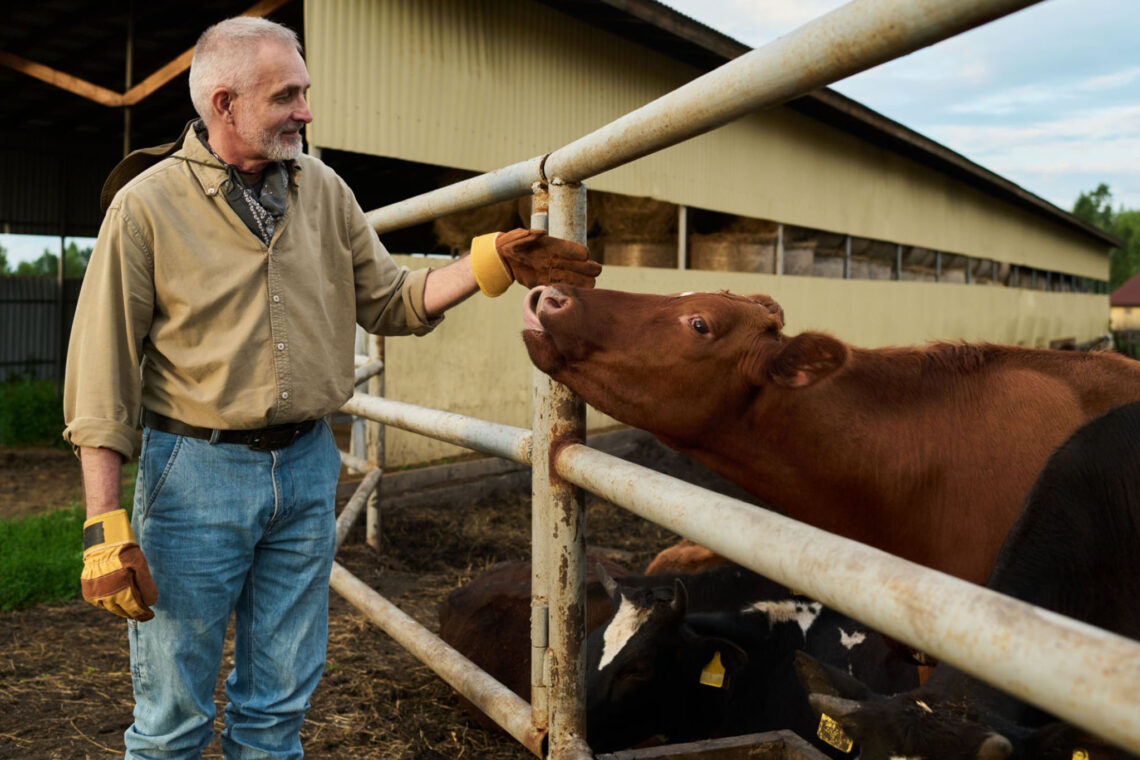
Feeding Livestock in Winter: Adjusting Diets for Cold-Weather Health
Winter brings unique challenges to livestock owners, from frozen water troughs to harsh winds that chill to the bone. But perhaps one of the most crucial aspects of winter livestock care is adjusting their diet to ensure they remain healthy and productive throughout the cold months. As temperatures drop, animals need more than just basic sustenance—they need nutrition that supports their immune system, energy levels, and overall vitality. Let’s dive into how you can adjust your livestock’s feeding routine to keep them in peak condition this winter.
Why Diet Matters More in Winter
During the colder months, livestock’s metabolism increases as they work harder to keep warm. Simply put, they burn more calories to maintain body heat. As temperatures plummet, your animals will need extra energy, proper nutrients, and access to good-quality feed to prevent weight loss, malnutrition, or sickness. Cold stress can also make livestock more vulnerable to diseases, which is why providing the right balance of nutrients is essential.
1. Increase Energy Intake
Cold weather significantly raises the energy demands of livestock. The body needs extra calories to generate heat, so you’ll need to boost their daily energy intake. This can be done by:
- Increasing Roughage: Hay, silage, and other fibrous materials are essential in the winter diet because they help livestock generate heat through fermentation in the gut. Good-quality alfalfa hay or grass hay provides fiber and energy, which is needed during the cold months.
- Adding Concentrates: In some cases, particularly for high-producing animals like dairy cows or pregnant ewes, grain concentrates can be added to their diet to provide additional calories. Corn, oats, and barley are common choices, though you should ensure they’re fed in moderation to avoid overfeeding and to prevent digestive issues.
- Fat Supplements: Adding vegetable oil, soybean meal, or even high-fat grains like oats can help meet higher energy needs. Fat is a dense source of energy, so adding a small amount to their diet can help animals stay warm and maintain their body weight during extreme cold spells.
2. Adjust Protein Levels for Growth and Reproduction
In addition to energy, protein is a vital component of winter feeding plans. Pregnant or lactating livestock require more protein to support their developing offspring or milk production. Here’s how to ensure they get enough:
- Protein-Rich Forages: Good-quality hay with higher protein content, such as alfalfa, should be provided to pregnant or nursing females. Alfalfa offers higher protein and digestible fiber than grass hay and will support lactating animals or those in late pregnancy.
- Protein Supplements: If your forages are low in protein, consider adding soybean meal, canola meal, or distillers’ grains to the diet to meet protein requirements. It’s important to not overdo it, as too much protein can cause kidney stress and digestive upset.
- Monitor Growth Rates: Young stock and breeding stock will require higher protein to support growth and development. Ensure that they are receiving adequate amounts of both protein and energy to support proper muscle and bone development.
3. Provide Proper Minerals and Vitamins
In winter, animals’ intake of certain minerals and vitamins can be compromised, particularly if access to fresh pasture is limited. Winter forages often lack certain essential minerals, and the cold weather can increase animals’ need for micronutrients to help them combat stress and support overall immune function.
- Calcium and Phosphorus: Dairy cattle, pregnant ewes, and other animals that are producing or carrying offspring require proper calcium and phosphorus levels to support lactation and bone development. If your hay is deficient, supplement with limestone or dicalcium phosphate.
- Magnesium and Potassium: Cold weather can also reduce the absorption of magnesium and potassium. Consider adding free-choice mineral supplements or a salt block to provide these crucial electrolytes, particularly for cattle, which are prone to magnesium deficiencies in the winter months.
- Vitamin A and D: With limited access to sunlight, livestock might not get enough vitamin D to aid calcium absorption. In such cases, fortified feeds or vitamin D supplements will help. Similarly, vitamin A is essential for immune function and skin health, so providing vitamin-rich feeds will ensure your animals stay strong.
4. Ensure Access to Fresh Water
Water is often overlooked when considering winter livestock care, but it’s just as important in winter as it is in summer. Cold water can freeze quickly, making it hard for animals to stay hydrated. Dehydration can lead to poor digestion, reduced feed intake, and even weight loss.
- Heated Water Troughs: Invest in heated water troughs or stock tank heaters to ensure water remains accessible throughout the winter months.
- Avoid Ice: If heated troughs are not an option, make sure to break the ice daily to allow access to water, or use tank heaters or insulated containers.
- Encourage Hydration: In some cases, animals may drink less in the winter due to the cold. Offer warm water on particularly cold days to encourage them to drink more.
5. Special Considerations for Different Livestock
Cattle: Beef cattle, especially those in late gestation, need a higher energy intake to support the growing fetus. Make sure their hay is high-quality and free of mold. Providing a grain mix with oats or corn can help them maintain body condition through the winter.
Sheep and Goats: Sheep and goats often need extra energy to stay warm. Supplement their forage with additional grain if they are pregnant or lactating. Be mindful of bloat when feeding legumes or grains.
Horses: Horses in cold climates need additional energy for warmth, especially those with lighter coats. Hay and high-fiber forage are essential, but avoid excessive grain feeding, as it can lead to colic and other digestive issues in horses.
6. Monitor and Adjust as Needed
Each animal is different, so it’s essential to monitor their condition regularly. Keep an eye on their body weight, coat condition, and overall health. If any animal appears to be losing weight, adjust their feed accordingly. Similarly, if animals are becoming too heavy or overweight, reduce the energy intake to avoid metabolic disorders.
Observation Tips:
- Check for fat deposition on the ribs, hips, and backbone.
- Ensure animals are eating and drinking regularly.
- Look for signs of frostbite or cold stress, such as shivering or lack of appetite.
Conclusion
Feeding livestock in winter requires careful planning, proper nutrients, and close attention to their specific needs during this demanding season. By increasing energy intake, providing adequate protein, supplementing minerals and vitamins, and ensuring hydration, your livestock can survive—and even thrive—through the cold months. Always remember to adjust based on individual needs, and your animals will be ready to face whatever winter throws at them.


You May Also Like
The Rain Boot You Actually Need: A Seasonal Guide to Staying Dry

Cover Crops That Survive: Choosing the Best Plants for Late Fall Planting