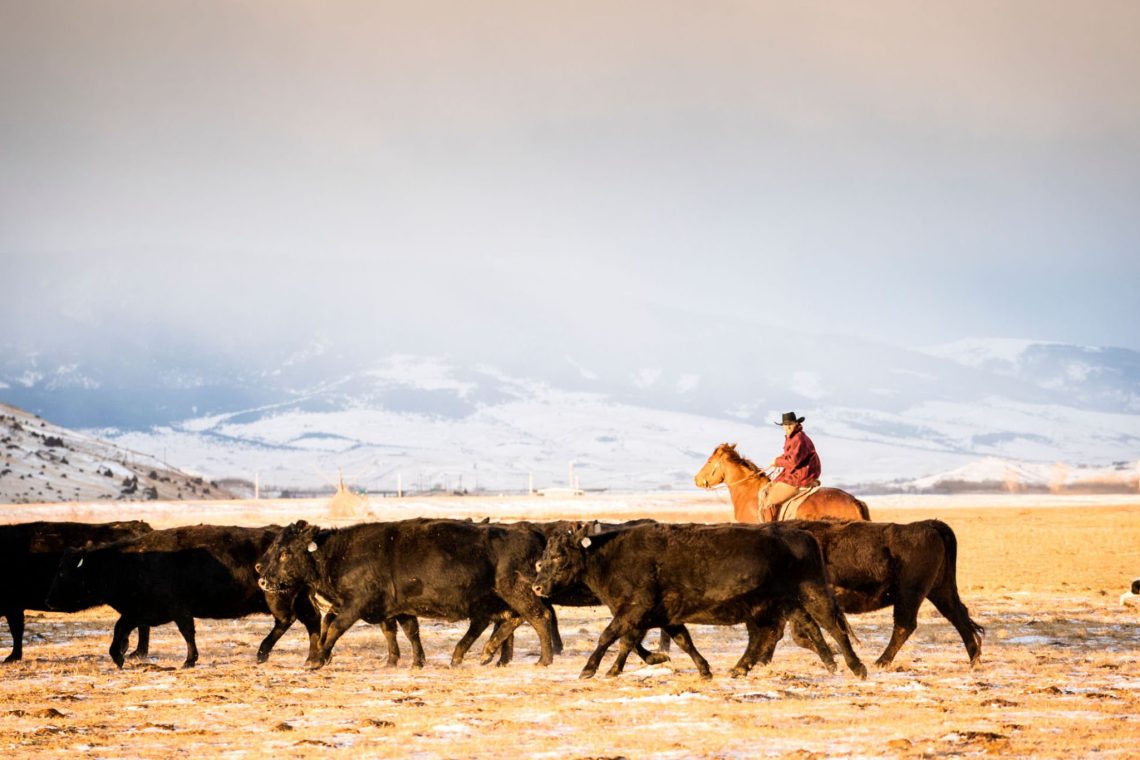
The Hidden Pasture Spots That Feed Livestock During Dry Spring Patches
Spring is a time of rapid growth and renewal for pastures, but it’s also a season of unpredictability. While most ranchers focus on the obvious grazing areas, hidden microzones within your pasture can provide critical nutrition for livestock during dry patches. Understanding and utilizing these hidden spots can mean the difference between stressed animals and thriving herds, especially when early spring moisture is inconsistent.
Understanding Dry Spring Patches
Dry spring patches occur when certain areas of a pasture dry out faster than others due to variations in soil type, topography, drainage, or sun exposure. These patches can leave livestock with limited forage options, creating stress that affects weight gain, grazing efficiency, and overall herd health. However, even within these challenging conditions, pastures often hide pockets of moisture and nutrient-rich forage.
What Causes These Hidden Microzones?
- Soil Variability – Some areas naturally retain water better due to higher clay content or organic matter.
- Topography – Low-lying hollows and shaded slopes hold moisture longer than exposed ridges.
- Vegetation Differences – Certain grasses and legumes are more drought-tolerant, thriving where others fail.
- Sheltered Microclimates – Trees, fences, or windbreaks can reduce evaporation, keeping soil and plants healthier.
Recognizing these subtle environmental cues allows ranchers to leverage them for livestock benefit.
How to Locate Hidden Pasture Spots
1. Observe Early Morning Soil and Grass Conditions
Moist soil often feels cooler and slightly darker in color. After a dry spell, walk the pasture early in the morning to locate areas where grass appears greener and more resilient. Livestock will naturally gravitate to these zones, but proactive placement can reduce grazing pressure on stressed areas.
2. Map Natural Water Retention Points
Small depressions, drainage ditches, or the base of slopes can collect runoff from recent rains or melting snow. These pockets often maintain higher moisture and produce nutritious forage longer into dry periods. Mapping these areas in your pasture plan allows you to rotate livestock efficiently.
3. Identify Drought-Tolerant Species
Certain grasses and legumes—such as fescues, clovers, and Bermuda grass—maintain palatability and nutritional value even in dry soil. Locating and encouraging these species within your pasture creates natural refuges for livestock when surrounding forage is limited.
4. Use Shade and Shelter Strategically
Trees, hedgerows, and windbreaks provide shade that slows moisture evaporation. Pasture spots near these features often retain higher-quality forage during dry spells. Place supplemental feeding or water stations nearby to guide livestock toward these beneficial zones.
Managing Hidden Pasture Spots for Livestock Health
Rotate Grazing to Protect Critical Zones
Even hidden, resilient spots can become overgrazed if left unchecked. Rotational grazing ensures that these microzones continue to provide forage throughout dry periods. Consider temporary fencing to protect these areas while livestock utilize other parts of the pasture.
Supplement Forage Strategically
During prolonged dry spells, supplementing livestock feed near hidden pasture spots ensures animals maintain proper nutrition while minimizing stress on vulnerable areas. Hay or silage placed in or near these zones encourages livestock to stay in higher-quality grazing areas.
Monitor Soil and Plant Health
Regular soil checks can help identify moisture levels and nutrient availability. By maintaining healthy soil, you enhance the resilience of hidden pasture spots, ensuring they remain productive through spring and into summer.
Long-Term Benefits of Utilizing Hidden Pasture Spots
- Improved Livestock Weight Gain – Access to reliable, nutrient-rich forage reduces stress and maintains consistent growth.
- Pasture Longevity – Rotating grazing around hidden zones preserves these areas for future use, reducing overall pasture degradation.
- Efficient Resource Use – Targeting livestock to resilient spots minimizes supplemental feeding costs and optimizes pasture productivity.
- Enhanced Drought Resilience – Knowledge of microzones prepares your pasture for dry years, ensuring feed availability even under adverse conditions.
Conclusion
Not all pasture spots are created equal. While dry spring patches can challenge even the most experienced ranchers, hidden zones within your pasture offer untapped forage potential. By observing soil and vegetation, mapping moisture-retaining areas, protecting drought-tolerant species, and guiding livestock to these hidden spots, ranchers can maintain herd health, improve weight gain, and preserve pasture quality. Smart management of these natural microzones is one of the most effective strategies for thriving livestock in unpredictable spring conditions.


You May Also Like
Why Your Garden Isn’t Progressing the Way It Should Right Now
Head-to-Head in the Mud: Comparing Trudave GardenStride and AquaGuard for the Toughest Jobs on Land and Water