Container Gardening Tips for Small Spaces This Early Summer
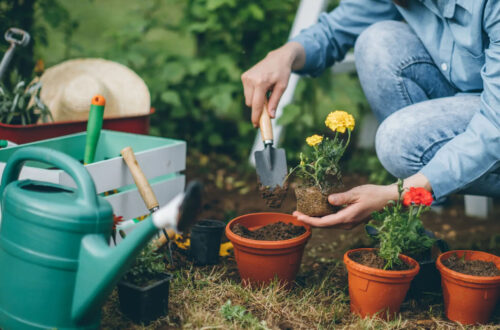
As temperatures rise in early summer, many American gardeners face a challenge: limited space. Whether you live in a city apartment, a small suburban backyard, or a cozy patio, container gardening allows you to grow vegetables, herbs, and flowers without a traditional garden plot. With the right strategies, even the tiniest balcony or deck can become a lush, productive garden. Here’s a comprehensive guide for small-space container gardening this early summer.
1. Choosing the Right Containers
The foundation of container gardening is choosing the right containers. Size, material, and drainage are key considerations:
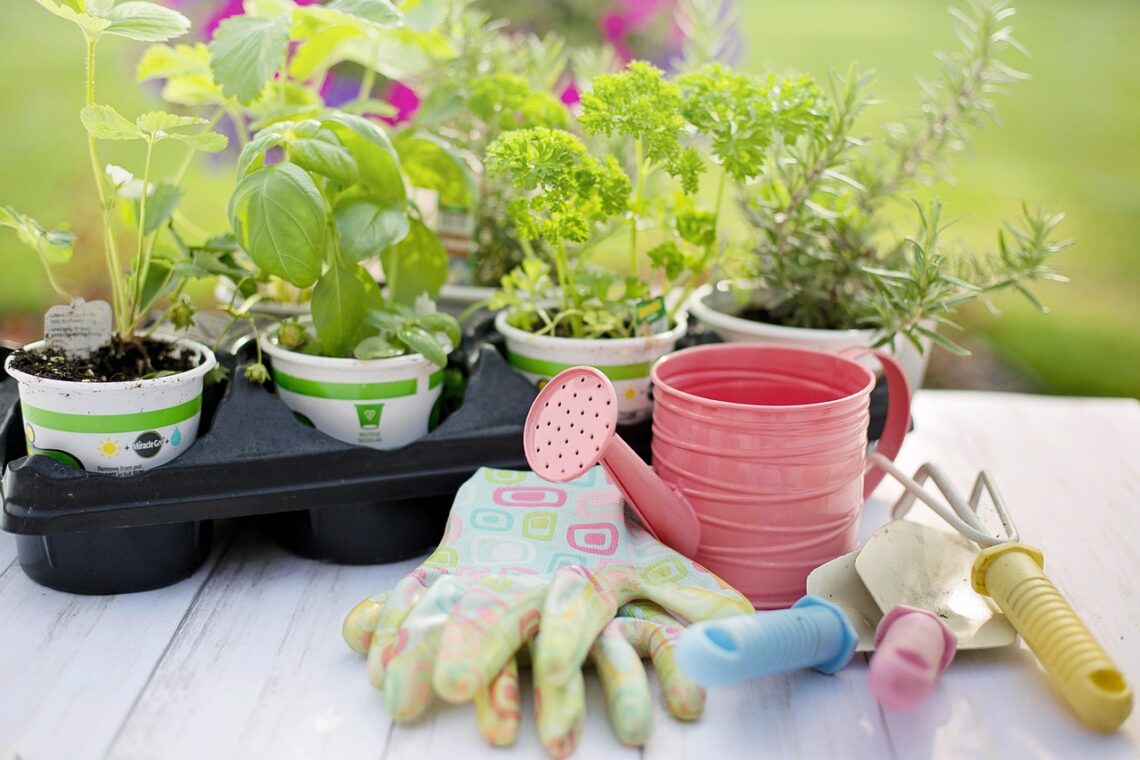
- Size: For vegetables like tomatoes, peppers, or eggplants, use containers at least 12–18 inches deep. Herbs like basil, parsley, and thyme do well in 6–10 inch pots.
- Material: Clay, plastic, or fabric pots all have advantages. Clay pots are breathable but dry out faster, while plastic and fabric pots retain moisture and are lighter for balconies.
- Drainage: Always ensure your containers have adequate drainage holes to prevent root rot. A layer of gravel or broken pot shards at the bottom can improve drainage further.
Tip: For small spaces, vertical container gardens or stackable planters maximize your growing area without overcrowding your space.
2. Selecting Early Summer Crops for Containers
Not all crops thrive in containers, so focus on plants suited for small-space gardening in warm early summer conditions:
- Vegetables: Cherry tomatoes, peppers, lettuce, spinach, radishes, and bush beans.
- Herbs: Basil, oregano, thyme, rosemary, dill, and chives.
- Flowers: Marigolds, petunias, nasturtiums, and pansies add color and attract pollinators.
Tip: Mix herbs and flowers with vegetables to deter pests naturally and encourage pollination.
3. Soil and Fertilization Strategies
Container plants rely on you for all nutrients, so soil and fertilization are crucial:
- Use a high-quality potting mix rather than garden soil. Potting mixes are lightweight, well-draining, and nutrient-rich.
- Add slow-release organic fertilizers at planting to support early growth.
- Supplement with liquid fertilizers every 2–3 weeks to keep your plants productive through the summer heat.
Tip: Incorporate compost or worm castings to improve soil structure and microbial activity.
4. Watering and Microclimate Management
Containers dry out faster than garden beds, especially in early summer sun. Efficient watering practices are essential:
- Water deeply and consistently. Early morning or late evening watering reduces evaporation.
- Use mulch or decorative stones on top of the soil to retain moisture.
- Group containers with similar water needs together for efficient irrigation.
Tip: Self-watering containers or drip irrigation systems can make small-space gardening low-maintenance and stress-free.
5. Maximizing Sunlight in Small Spaces
Sunlight is often limited on balconies or patios. Most vegetables require at least 6–8 hours of direct sunlight. Strategies to optimize light include:
- Place containers on south-facing balconies or decks whenever possible.
- Use reflective surfaces like light-colored walls to increase light exposure.
- Rotate containers weekly to ensure even growth.
Tip: Shade-tolerant crops like lettuce, spinach, and herbs can thrive on the edges or partially shaded areas.
6. Creative Space-Saving Techniques
Small spaces require creative solutions to maximize yield:
- Vertical gardening: Use trellises, hanging baskets, or wall-mounted planters to grow vining crops like cucumbers, peas, or cherry tomatoes.
- Stackable pots: Perfect for herbs or leafy greens, stackable planters save floor space.
- Rail planters: Attach planters to balcony railings to grow flowers or herbs without taking up floor space.
Tip: Combine vertical growth with companion planting to boost productivity and reduce pest problems naturally.
7. Pest and Disease Management in Containers
Containers are not immune to pests and diseases. Early summer warmth encourages rapid growth of both plants and pests.
- Monitor plants daily for aphids, spider mites, and fungal issues.
- Use natural deterrents like neem oil, insecticidal soap, or companion planting with marigolds and nasturtiums.
- Avoid overwatering and ensure proper airflow between plants to prevent mildew and root rot.
Tip: Rotate crops annually in containers to reduce disease buildup in the soil.
8. Early Summer Harvest Tips
Container gardening allows for continuous harvest throughout the season.
- Pick leafy greens early to encourage regrowth.
- Harvest herbs regularly to prevent flowering and maintain flavor.
- Support heavy crops like tomatoes or peppers with stakes or cages to prevent breakage.
Tip: Successive planting—adding new crops as early ones are harvested—keeps your container garden productive all summer.
Conclusion
Container gardening is a perfect solution for small spaces in early summer. By choosing the right containers, selecting suitable crops, and implementing smart watering, sunlight, and space-saving strategies, even the smallest balcony can yield a bountiful garden. Combining vegetables, herbs, and flowers not only maximizes productivity but also creates a beautiful, pollinator-friendly oasis.
Start your container garden today, and enjoy fresh, homegrown produce and vibrant blooms throughout the season.


You May Also Like
Early Winter Feeding: Balancing Nutrition When Pastures Freeze
Seed Sorting Season: Planning Your Early Spring Garden Now