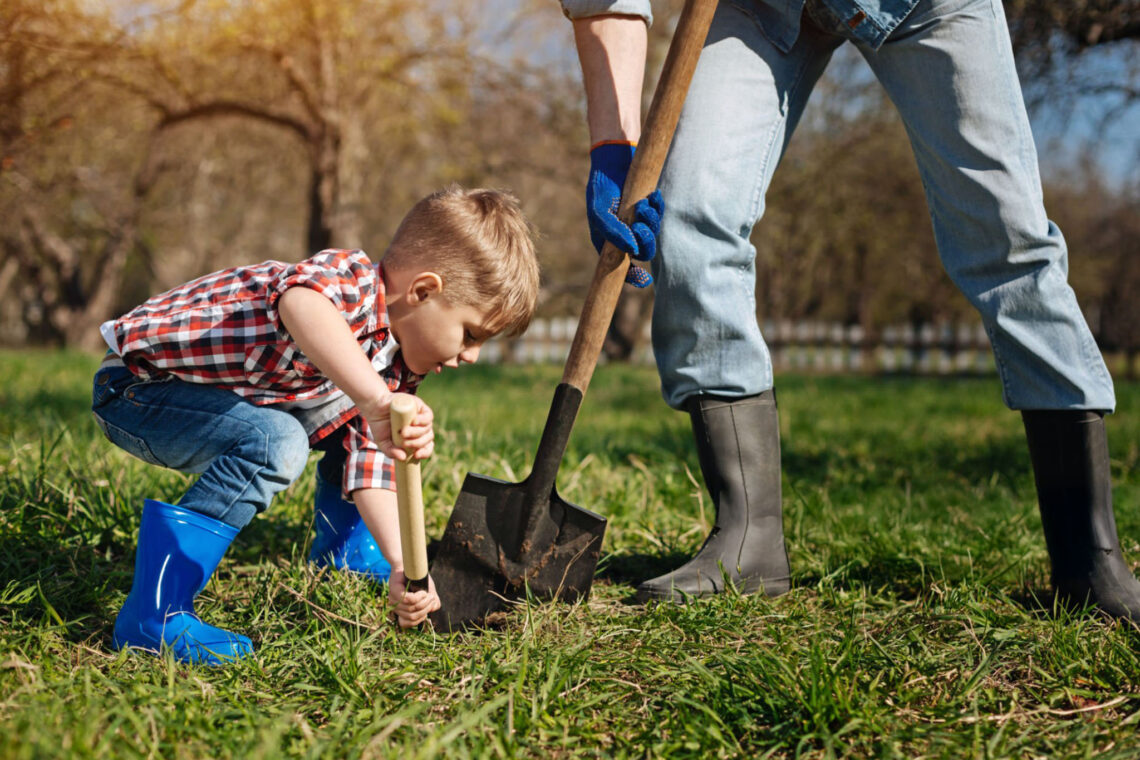
Compost Gold: Turning Fall Leaves Into Next Year’s Fertility
As autumn settles in and yards fill with a carpet of fallen leaves, most people reach for rakes and garbage bags. But seasoned gardeners know better—those piles of leaves aren’t waste; they’re nutrient-rich treasure waiting to be transformed into next year’s fertile soil. Turning fall leaves into compost gold is one of the simplest, most sustainable ways to enrich your garden, cut waste, and build long-term soil health.
🍂 Why Fall Leaves Are a Gardener’s Best Friend
Every leaf that falls from your trees is a bundle of nutrients—carbon, calcium, magnesium, and trace minerals—pulled from deep within the soil over the growing season. When returned to the earth through composting, those nutrients recycle back into your garden, feeding plants and improving structure.
Unlike synthetic fertilizers that give plants a quick burst of nutrition, leaf compost works slowly, enhancing soil texture, moisture retention, and microbial life. It’s nature’s original closed-loop system—no chemicals, no waste, just pure fertility.
🌿 The Science Behind Leaf Composting
Leaves are high in carbon, also known as “browns” in composting terms. To decompose efficiently, they need to be balanced with nitrogen-rich materials, or “greens,” such as grass clippings, vegetable scraps, or manure.
The ideal compost mix has a C:N ratio (carbon to nitrogen) of about 30:1. Fall leaves alone have a ratio closer to 60:1, so blending them with fresh materials helps speed up decomposition and prevents the pile from drying out or stalling.
💡 Pro Tip: Shredding leaves before composting increases their surface area, helping microbes break them down faster and preventing matting that restricts airflow.
🪵 Step 1: Gather and Shred Your Leaves
Start by collecting leaves while they’re dry—wet leaves clump together and are harder to manage. A leaf blower with a vacuum/shredder attachment or a lawn mower with a mulching blade can reduce volume by up to 80%.
You can store shredded leaves in a bin or breathable bags until you’re ready to compost. Mixing different types—oak, maple, birch, poplar—adds nutrient diversity to your final product.
⚠️ Avoid black walnut or eucalyptus leaves. These contain natural compounds that can inhibit plant growth unless fully decomposed.
🌱 Step 2: Build the Perfect Leaf Compost Pile
The classic recipe for leaf composting follows a simple rule: 3 parts brown (leaves) to 1 part green (nitrogen). Layer them alternately to ensure even breakdown.
Here’s a reliable structure for a healthy compost pile:
- Base layer: Coarse sticks or straw to promote airflow.
- Middle layers: Alternating shredded leaves and green material.
- Top layer: A layer of soil or finished compost to inoculate with microbes.
Keep the pile at least 3 feet wide and 3 feet tall for effective heat retention. This allows microbial activity to generate internal heat—accelerating decomposition and killing weed seeds or pathogens.
💧 Step 3: Moisture and Aeration—The Secret Ingredients
Composting isn’t “set it and forget it.” The microbes doing the heavy lifting need oxygen and moisture to thrive.
- Moisture: Your pile should feel like a wrung-out sponge—damp but not soggy. If it’s too dry, decomposition slows down; if too wet, it starts to smell.
- Aeration: Turn your pile every 2–3 weeks to mix materials and introduce fresh oxygen.
If you prefer a low-maintenance method, build your pile with plenty of coarse material so air can circulate naturally, and skip the frequent turning—it’ll just take longer.
🔥 Step 4: The Heat Phase and Patience Game
When done right, composting leaves can heat up to 130–150°F, which is perfect for breaking down tough fibers like lignin and cellulose. Over time, the pile will shrink, darken, and develop that rich, earthy smell of finished compost.
Depending on temperature, material balance, and moisture, decomposition can take anywhere from 3 months to a full year. Cold climates may require an extra season before the compost matures fully.
🌤️ Shortcut Tip: Adding a shovel of garden soil or an organic compost starter introduces the microbes needed to jumpstart the process.
🌻 Step 5: How to Use Your “Compost Gold”
Once your leaf compost is dark, crumbly, and smells like forest soil, it’s ready to enrich your garden.
Here are a few of the best ways to use it:
- Top-dressing garden beds: Spread 1–2 inches over soil to improve texture and fertility.
- Mulching: Apply around perennials and trees to retain moisture and regulate soil temperature.
- Seed starting or potting mix: Sift fine compost and blend it with sand or perlite.
- Lawn booster: Lightly rake compost into the turf to enhance microbial activity and grass vigor.
🌱 Leaf compost improves clay soils by increasing drainage and helps sandy soils retain water—a win for any garden type.
🧑🌾 Bonus Tip: Making Leaf Mold for Simplicity
If you’re short on time, you can skip full composting and make leaf mold instead. Simply pile up shredded leaves in a wire bin, moisten them occasionally, and let nature do the rest.
In about a year, you’ll have a soft, spongy material rich in humus—ideal for improving soil structure and water retention. Leaf mold isn’t high in nutrients, but it’s a soil conditioner par excellence.
🌾 The Environmental Payoff
Turning fall leaves into compost isn’t just good for your garden—it’s good for the planet. Instead of sending organic matter to landfills, where it releases methane, you’re recycling it into soil-building biomass that locks in carbon and supports biodiversity.
This simple act of closing the nutrient loop mirrors what nature has done for millennia: returning every fallen leaf back to the ground it came from.
🌤️ Final Thoughts
Composting fall leaves is more than a backyard chore—it’s a yearly ritual of renewal. Every handful of leaf compost you spread next spring carries the quiet work of earthworms, microbes, and time. It’s a humble process with a powerful payoff: richer soil, healthier plants, and a truly sustainable garden.
So this fall, before you haul those leaves to the curb, remember—you’re holding next year’s fertility in your hands. Turn it into gold.


You May Also Like
Best Boots for Apple Orchard Work: Waterproof Footwear for Fruit Picking, Pruning, Mud, and Harvest Season

Fall Grazing Strategies: Stretching Forage and Saving Hay