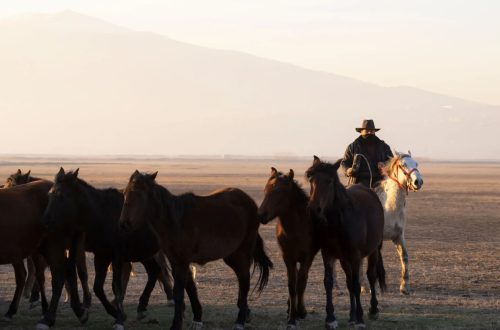
Why Grazing Efficiency Drops Even When Grass Looks Abundant in Summer
In many U.S. ranching operations, summer creates a frustrating paradox: pastures look green, tall, and full of forage, yet livestock performance drops and grazing efficiency declines. Cattle may spend more time resting, weight gain slows, and intake becomes inconsistent—despite what appears to be “plenty of grass.”
This disconnect is one of the most misunderstood issues in seasonal ranch management. The key point is simple but often overlooked: visible pasture abundance does not equal usable forage efficiency.
To understand why grazing efficiency drops in summer, you have to look beyond grass quantity and focus on plant physiology, heat stress, animal behavior, and pasture structure.
1. Summer Grass Looks Productive, But Nutritional Value Declines
One of the biggest misconceptions is assuming tall, green grass equals high-quality forage.
In peak summer heat:
- Plants mature faster
- Fiber content increases
- Protein levels decline
- Digestibility drops
Even though biomass increases, nutritional efficiency per bite decreases.
Key Insight:
Livestock are eating more volume to get less nutrition.
2. Heat Stress Reduces Grazing Time and Bite Rate
Cattle and other livestock adjust behavior heavily during high temperatures.
In summer conditions:
- Grazing shifts to early morning and late evening
- Midday feeding activity drops significantly
- Animals prioritize shade and rest over movement
This reduces total daily intake time.
Result:
Even abundant forage is underutilized because animals simply spend less time grazing.
3. Forage Distribution Becomes Uneven Across Paddocks
Summer growth is rarely uniform.
You often see:
- Fast-growing patches in shaded or moist zones
- Slow or stressed areas in exposed sections
- Overgrazed zones near water sources
This creates patchy grazing pressure, forcing animals to repeatedly return to limited high-quality areas.
4. Heat-Stressed Grass Becomes Less Palatable
Even when grass is abundant, heat changes plant characteristics:
- Increased lignin (harder stems)
- Reduced sugar content
- Tougher leaf structure
Livestock naturally avoid lower-quality sections, which reduces overall grazing efficiency.
5. Water and Shade Access Concentrates Grazing Pressure
In hot weather, livestock behavior becomes highly location-driven.
They cluster around:
- Water sources
- Shade structures
- Cooler terrain zones
This leads to:
- Overgrazing near these points
- Underutilization of distant pasture areas
- Uneven forage consumption patterns
Key Insight: Heat reshapes movement more than forage availability does.
6. Soil Temperature Slows Regrowth Cycles
Even when grazing pressure is managed correctly, soil conditions play a hidden role.
In summer heat:
- Soil microbial activity slows
- Nutrient cycling becomes less efficient
- Root recovery takes longer
This reduces the speed at which pastures can support repeated grazing.
7. Animal Energy Efficiency Declines in Heat
Livestock must expend more energy to regulate body temperature:
- Increased respiration rate
- Reduced feed conversion efficiency
- Higher maintenance energy demand
This means:
Even when forage is available, less of it is converted into weight gain or production.
Step 1: Focus on Forage Quality, Not Just Quantity
To improve grazing efficiency:
- Test or observe forage maturity stages
- Prioritize younger regrowth areas
- Rotate before plants become overly mature
Step 2: Balance Grazing Pressure Across the Entire Pasture System
Avoid concentrated grazing by:
- Adding multiple water access points
- Rotating shade availability
- Designing paddocks for even distribution
Step 3: Shorten Grazing Duration in High Heat Periods
Instead of long exposure:
- Use higher density, shorter grazing windows
- Allow longer recovery periods
- Prevent selective overgrazing
Step 4: Manage Regrowth Timing More Aggressively
Summer regrowth is slower and more sensitive.
Best practices:
- Avoid grazing too early in recovery phase
- Monitor plant height consistency
- Adjust rotation speed based on real regrowth—not schedule
Step 5: Improve Pasture Diversity for Summer Stability
Mixed forage systems perform better under heat stress:
- Deep-rooted grasses for drought resilience
- Warm-season species adapted to high temperatures
- Legumes to maintain protein balance
Step 6: Reduce Heat Pressure on Livestock Behavior
Improving animal comfort improves grazing efficiency.
Key strategies:
- Increase shaded resting zones
- Improve airflow in paddocks
- Ensure consistent water availability
Common Mistakes in Summer Grazing Management
1. Judging pasture health by appearance alone
Green does not mean nutritionally efficient.
2. Overgrazing productive patches repeatedly
This leads to long-term pasture imbalance.
3. Using fixed rotation schedules in variable heat conditions
Summer requires adaptive timing, not rigid cycles.
4. Ignoring livestock behavioral changes
Heat-driven movement patterns directly affect grazing distribution.
Real-World Scenario
A rancher notices that despite lush summer growth, cattle weight gain slows noticeably.
After analysis:
- Animals concentrate near shaded corners
- Outer paddock areas are underutilized
- Grass is mature but low in digestible nutrients
After adjustments:
- Water points are redistributed
- Grazing periods are shortened
- Rotation timing is based on forage maturity, not calendar dates
Within weeks:
- Grazing distribution improves
- Weight gain stabilizes
- Pasture recovery becomes more consistent
Why it worked: The system addressed heat-driven behavior and forage quality simultaneously.
Final Thoughts
Grazing efficiency in summer is not determined by how much grass is present—it is determined by how usable that grass actually is under heat stress conditions.
Even when pastures look abundant, a combination of reduced forage quality, animal heat behavior, uneven grazing pressure, and slower soil recovery can significantly reduce overall system efficiency.
A successful summer grazing strategy focuses not on abundance, but on accessibility, nutrition density, and heat-adapted movement patterns.
Because in peak summer ranching, productivity isn’t defined by how green the pasture looks—
it’s defined by how effectively that pasture converts into usable nutrition under stress.


You May Also Like
Best Boots for Duck Hunting in Marshes: Waterproof Footwear for Mud, Cold Water, and Wetland Terrain
What Your Garden Soil Needs Right Now Before Planting Begins