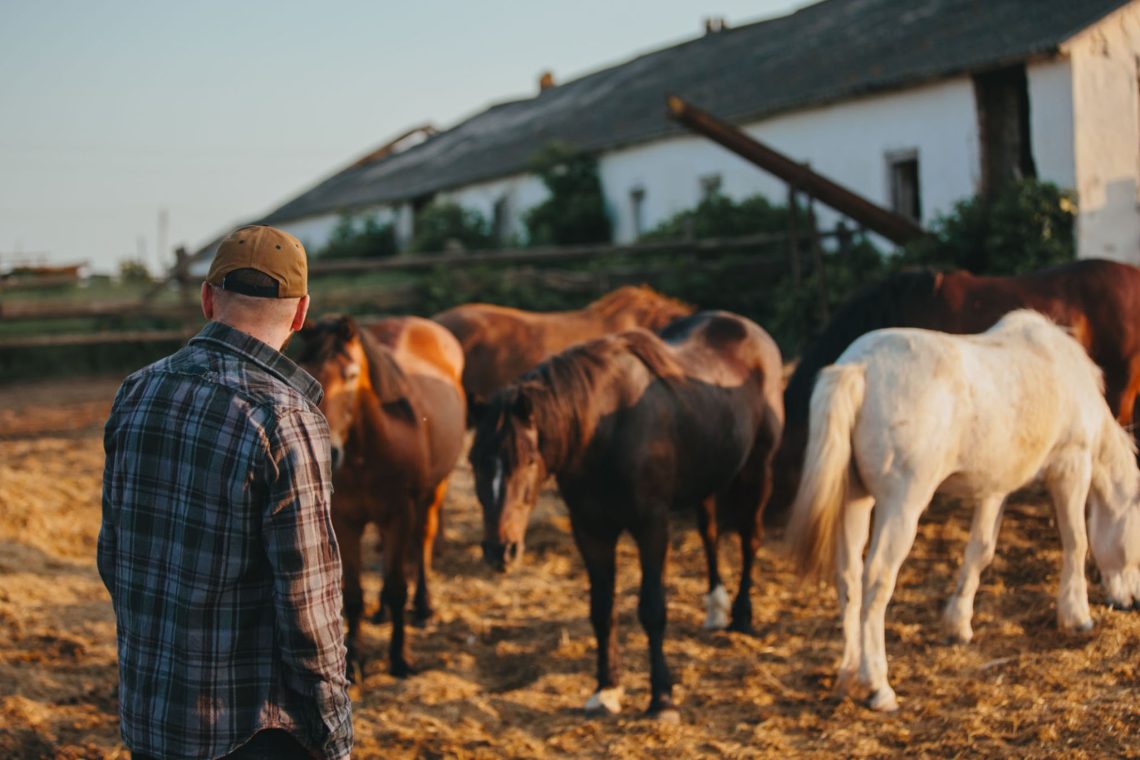
How to Reduce Livestock Heat Stress Without Slowing Grazing Rotation
Summer heat creates one of the biggest management challenges for ranchers across the United States. As temperatures climb, livestock experience increased stress, pasture recovery slows, and grazing systems become harder to balance efficiently. Many producers respond by slowing or delaying grazing rotations entirely, hoping to reduce pressure on both cattle and grass.
But stopping rotation often creates new problems:
- Uneven pasture utilization
- Overgrazing near water and shade
- Soil compaction
- Reduced forage recovery
- Lower overall grazing efficiency
The real solution is not abandoning rotational grazing during hot weather—it is learning how to reduce livestock heat stress while maintaining a productive and sustainable grazing system.
When managed correctly, cattle can remain healthy, active, and productive even during difficult summer conditions.
Why Heat Stress Becomes a Major Summer Problem
Heat stress occurs when livestock can no longer regulate body temperature efficiently.
In summer conditions:
- Animals generate internal heat while grazing
- High humidity limits cooling through respiration
- Direct sunlight increases thermal load
- Overnight temperatures may remain elevated
Once heat stress builds:
- Grazing time declines
- Water demand increases
- Weight gain slows
- Reproductive performance may suffer
Key Insight: Heat stress affects grazing behavior long before visible symptoms appear.
How Heat Stress Disrupts Grazing Rotation
Traditional rotational systems depend on:
- Predictable livestock movement
- Consistent forage intake
- Even pasture utilization
Heat changes all three.
Livestock begin:
- Concentrating near shade
- Avoiding exposed paddocks
- Grazing mostly during low-light periods
- Reducing daytime movement
This creates highly uneven pressure across pasture systems.
Step 1: Improve Shade Access Across Rotation Areas
Shade is one of the most important tools for maintaining summer grazing efficiency.
Without adequate shade:
- Animals cluster excessively in limited areas
- Pasture damage increases rapidly
- Heat recovery becomes slower
Effective Shade Strategies
Natural Shade
- Tree lines
- Timber edges
- Riparian cover zones
Portable Shade Systems
Portable structures help:
- Distribute livestock evenly
- Reduce overuse of fixed shade areas
- Improve grazing movement flexibility
Step 2: Rotate Based on Temperature Cycles, Not Just Calendar Timing
Many ranchers use fixed rotation schedules.
But during summer:
- Grass recovery slows unpredictably
- Livestock movement changes daily based on heat intensity
Instead:
- Shorten grazing periods during extreme heat
- Increase recovery time after stress periods
- Move livestock during cooler hours
Step 3: Optimize Water Distribution
Water access directly controls summer grazing patterns.
If only one water source exists:
- Cattle overgraze nearby pasture
- Heat pressure concentrates movement
- Soil compaction worsens
Better Water Management
Use:
- Multiple water points
- Portable trough systems
- Evenly distributed access areas
This encourages:
- Better pasture utilization
- Reduced travel stress
- More balanced grazing pressure
Step 4: Encourage Night and Early Morning Grazing
In hot weather, livestock naturally shift feeding activity.
Peak grazing often occurs:
- Before sunrise
- Early morning
- Near sunset
- Overnight in some regions
Management should support these natural patterns instead of fighting them.
Step 5: Maintain Higher Residual Grass Height
Short-grazed pastures absorb more heat.
Longer residual forage:
- Shades soil surfaces
- Retains moisture longer
- Keeps ground temperatures lower
This benefits both:
- Livestock comfort
- Pasture recovery rates
Step 6: Reduce Long-Distance Movement During Peak Heat
Large travel distances increase:
- Energy expenditure
- Water demand
- Heat buildup
Whenever possible:
- Minimize long walks to water
- Reduce unnecessary herd movement during midday
- Design rotations with thermal efficiency in mind
Step 7: Improve Airflow in Grazing Areas
Heat stress is not caused by temperature alone.
Poor airflow dramatically worsens:
- Respiratory cooling efficiency
- Humidity buildup
- Animal discomfort
Areas with Better Summer Airflow
Livestock often perform better in:
- Ridge tops
- Open rolling terrain
- Areas with consistent wind exposure
Dense enclosed areas can trap heat even when shaded.
Step 8: Monitor Humidity Alongside Temperature
Humidity often becomes more dangerous than heat alone.
High humidity:
- Reduces evaporative cooling
- Increases nighttime heat retention
- Extends recovery time after grazing
This is especially important in:
- Southeastern states
- Gulf Coast regions
- River-bottom pastures
Step 9: Use Flexible Stock Density Strategies
Summer heat changes carrying capacity rapidly.
Rather than maintaining fixed pressure:
- Adjust stock density during heat waves
- Rotate more aggressively during cooler periods
- Allow stressed paddocks additional recovery time
Early Signs of Heat Stress Ranchers Often Miss
Heat stress begins subtly.
Common early indicators:
- Reduced grazing distance
- Increased standing near water
- Faster breathing rates
- More daytime resting
- Lower pasture utilization in exposed zones
Catching these signs early prevents major productivity decline.
Why Pasture Health and Livestock Heat Stress Are Connected
Many ranchers separate:
- Animal performance
- Pasture management
But summer systems connect both directly.
Heat-stressed livestock:
- Graze less efficiently
- Concentrate pressure unevenly
- Damage specific pasture zones repeatedly
Meanwhile:
- Overheated pasture soils recover more slowly
This creates a cycle of declining productivity if not managed carefully.
Common Mistakes During Summer Grazing
1. Slowing rotation too much
This often creates overgrazing near water and shade.
2. Assuming all paddocks handle heat equally
Some areas naturally hold cooler conditions and recover faster.
3. Ignoring overnight temperatures
Hot nights prevent livestock recovery.
4. Keeping water systems centralized
This concentrates pressure and increases travel stress.
Real-World Example
A cattle operation experiences declining weight gain during an extended summer heat wave despite maintaining normal forage levels.
After evaluation:
- Livestock avoid exposed paddocks
- Shade areas become overgrazed
- Water access requires excessive walking distances
The ranch adjusts by:
- Adding portable shade structures
- Installing temporary water tanks
- Rotating cattle during cooler hours
- Extending residual grass height targets
Within weeks:
- Grazing distribution improves
- Daytime stress behavior declines
- Weight gain stabilizes despite continued heat
Why it worked: The operation reduced environmental stress without abandoning rotational efficiency.
Final Thoughts
Reducing livestock heat stress does not require sacrificing productive grazing systems. In fact, well-managed rotational grazing can actually improve summer resilience when designed around heat-aware principles.
The key is understanding that summer grazing is controlled not just by forage availability, but by:
- Temperature
- Shade access
- Water distribution
- Airflow
- Animal energy conservation
Ranchers who adapt their systems to these environmental realities create healthier livestock, stronger pastures, and more stable productivity throughout the hottest months of the year.
Because successful summer ranch management is not about forcing animals to tolerate heat—
it’s about designing grazing systems that help them work with it naturally.


You May Also Like
The Rain Boot You Actually Need (Not the One the Internet Tells You to Buy)
Festival Season Ready: The Best Trudave Rain Boots for Music Festivals, Outdoor Weddings, and All-Day Events
