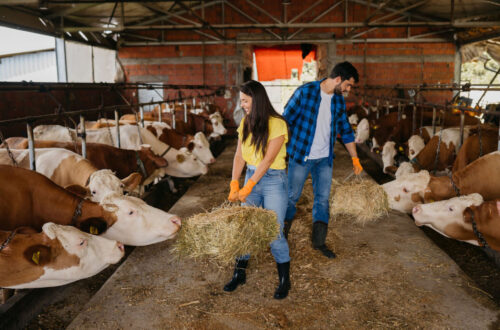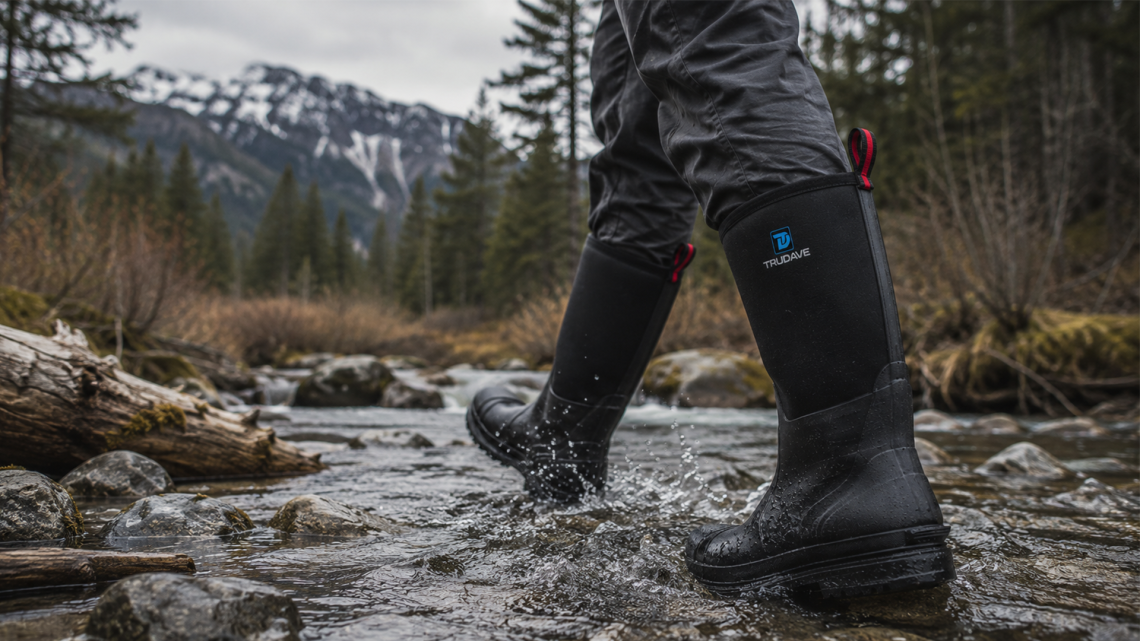
Beyond the Logo Tax — How Trudave Gear Is Redefining What a Rain Boot Should Cost, Feel, and Survive in 2026
Walk into any big-box outdoor retailer in America, and the narrative hits you before you even reach the footwear aisle: if you want a reliable, 100% waterproof boot, prepare to hand over 180to250. The massive displays are there. The celebrity endorsements are there. The glossy logos are there. But when you strip away the branding and actually examine what you‘re buying, a question surfaces that the industry would prefer you didn’t ask: are you paying for a better boot, or are you just paying a massive “Logo Tax”?
At Trudave Gear, we decided to break the traditional retail mold. Let‘s have an honest, transparent conversation about how outdoor footwear is priced, and whether a direct-to-consumer boot can actually hold its own in the wild.
The answer, backed by materials science, thousands of user reviews, and a growing community of gardeners, farmers, and outdoor workers, is more interesting than a simple yes or no. The rain boot market in 2026 is undergoing a quiet but significant shift — one where the old rules about what you need to spend for genuinely dry, warm, comfortable feet are being rewritten by brands that refuse to play the traditional retail game.
This article is a deep exploration of that shift. We’ll dissect the economics that have kept rain boot prices artificially high for decades, unpack the materials science that separates a boot worth owning from one destined for the landfill, walk through each Trudave rain boot series in detail — BloomBoot, MudTrek, HeatHold, MudFlex, and GardenStride — and give you the honest, data-backed framework for choosing the right pair for your actual life, not the fantasy version in a catalog photo.
1. The “Logo Tax” and the Direct-to-Consumer Revolution
The economics of traditional outdoor footwear are simpler than most consumers realize — and more frustrating. When you buy from a legacy brand at a retail store, the cost of manufacturing the boot is only a fraction of what you pay at the register. The rest covers wholesale markups, massive marketing budgets, and corporate overhead.
Here‘s how it breaks down. The brand manufactures the boot, then sells it to a retailer at a wholesale price. The retailer doubles that price before putting it on the shelf. On top of that, the brand has spent millions on TV commercials, magazine spreads, and professional sponsorships — all of which get baked into the final price tag. And somewhere in the equation, the actual materials and construction quality have to compete with all those other line items for budget priority. When a brand is spending more on marketing than on materials, the product suffers, and the consumer pays for both.
The direct-to-consumer model eliminates these layers. By bypassing the retail middlemen entirely, brands like Trudave Gear take the same premium materials used by the $200 brands and deliver them straight to your door. It’s not a “budget” approach — it‘s a value-engineering approach. The money goes into the boot, not the brand name, the distributor margin, and the retail shelf space.
This distinction between “budget” and “direct value” is critical. If you buy a $30 pair of PVC wellingtons from a big-box store, you are buying garbage. They will crack in the cold, boil your feet in the sun, and the soles will peel off in the mud. But direct value is completely different. A properly engineered DTC boot uses the same vulcanized natural rubber, the same neoprene insulation, and the same EVA midsole architecture as the premium brands — it just doesn’t charge you for a logo.
The broader footwear market is validating this shift. Direct-to-consumer net sales in the footwear industry grew by 13.2% in the most recent fiscal year, with comparable DTC sales up 8.2%. Consumers are increasingly comfortable buying footwear directly from brands rather than through traditional retail channels, and the rain boot category is following the same trajectory that reshaped categories like mattresses, razors, and eyeglasses before it.
2. The Material Science: What Actually Keeps Feet Dry, Warm, and Comfortable
Before comparing specific boot models, there‘s a fundamental understanding that transforms how you shop for rain boots: “waterproof” is the easy part. A plastic bag is waterproof. What makes a boot worth owning is how its materials perform across the full range of conditions you’ll actually face — temperature swings, physical flexing, extended wear, and abrasion against rocks, concrete, and gravel. And here, material choice is everything.
The Rubber vs. Neoprene Divide
Natural rubber has been keeping feet dry for over a century. When properly vulcanized — a chemical process that cross-links rubber polymers into a stable, elastic network — natural rubber creates an impermeable barrier that water cannot penetrate. Rubber boots shine for heavy-duty waterproofing and rugged durability in muddy or rainy trails, and they still dominate when it comes to raw, long-term waterproof integrity.
But rubber has meaningful trade-offs. Traditional rubber is stiff and doesn‘t insulate — in fact, it conducts heat away from your foot faster than most materials. Standing in cold water in pure rubber boots will chill your feet within minutes, even if they stay technically dry. Rubber also doesn’t breathe, which means any moisture generated inside the boot stays trapped.
Neoprene — a synthetic rubber manufactured as a foam — changes the equation entirely. Those tiny air bubbles trapped in the foam structure are what give neoprene its defining characteristic: insulation. Unlike solid rubber, which conducts heat efficiently (bad for keeping feet warm), neoprene traps body heat in millions of microscopic air pockets, creating a thermal barrier between your foot and the cold ground or water outside the boot.
The distinction is clear: rubber gives you rugged all-weather tough protection, while neoprene kicks in with better insulation and flexibility, making your feet feel less like they‘re strapped in a damp tank. After testing both materials side by side through rainstorms, shallow streams, and muddy morning hikes, independent reviewers have noted a clear difference not just in dryness but in overall comfort and warmth — rubber boots excelled in raw durability and heavy-duty water protection, but neoprene truly won for long, cold, soggy outings where warmth matters just as much as keeping out water.
Why Trudave Uses Both — Bonded, Not Glued
Here’s where Trudave‘s design philosophy departs from the industry standard. Instead of choosing one material and building entire boots from it, Trudave uses a bonded construction: a natural rubber lower shell for waterproof integrity and durability, chemically fused to a neoprene upper shaft for insulation, flexibility, and calf comfort. This isn’t two pieces glued together — it‘s a vulcanized bond, where the rubber and neoprene are joined at a molecular level. The result is a single continuous waterproof barrier that cannot delaminate at the seam, which is the most common failure point in multi-material boots.
The Thermal Conductivity Problem Nobody Talks About
Here’s a scenario every cold-weather gardener or farmer knows: two pairs of boots, both “100% waterproof.” Standing in the same 40-degree mud. One pair leaves your feet warm all morning. The other has you stomping your toes by 9 AM. Both are technically dry inside. The difference is thermal conductivity — how efficiently a material transfers heat from your foot to the cold ground. Pure rubber has high thermal conductivity; it‘s essentially a heat sink. Neoprene, with its foam-cell structure, has low thermal conductivity; it’s a heat trap.
This is why Trudave‘s insulated boots use neoprene as the primary insulation layer. The HeatHold Series, for example, features a 6mm neoprene shaft that serves as a robust insulating layer bonded to a durable rubber shell, trapping warmth while remaining breathable. Standard rubber boots are great for rain, but they often leave your feet freezing when temperatures drop — the HeatHold Series changes the game precisely because neoprene changes the thermal equation.
Even uninsulated neoprene-rubber boots provide noticeably more warmth than pure rubber boots, simply because the neoprene shaft breaks the thermal bridge that pure rubber creates between your calf and the cold air. This is why the BloomBoot Series, built with a 4.5mm neoprene upper, keeps feet warmer during cool-weather gardening than a pure rubber boot of equivalent height — not because it has active insulation, but because it doesn’t actively pull heat away from your foot the way solid rubber does.
The Comfort Infrastructure: EVA Midsoles and Why Your Arches Don‘t Hurt
Most people think about boot comfort in terms of “cushioning,” but the reality is more structural. Your foot is an arch — a complex biomechanical structure that needs support, not just padding. A soft, squishy boot with no arch support feels comfortable for about 20 minutes, then your plantar fascia starts screaming.
Trudave builds structural support into their rain boots through EVA (ethylene-vinyl acetate) midsole architecture. Unlike traditional work boots that use heavy steel shanks for support, Trudave engineered a supportive EVA midsole that cuts weight significantly while delivering sneaker-like agility with the armor of a mud boot. The cushioned EVA insoles provide shock absorption without being so soft that they collapse under sustained weight. The breathable inner lining manages moisture to prevent the clammy sensation that makes feet feel uncomfortable even when they’re technically dry.
Independent testing of Trudave‘s 6mm neoprene models has confirmed that the interior features a breathable lining designed to wick moisture and promote excellent airflow, contributing to what many users describe as exceptional comfort. Even after several hours of continuous wear, feet felt cushioned and supported, not fatigued or clammy. Users on Trustpilot and Amazon consistently report that these boots provide comfort comparable to sneakers, with one reviewer noting their boots were “more comfortable than some sneakers I’ve owned” — striking praise for a rubber rain boot.
3. The Trudave Rain Boot Lineup: Which Boot Actually Matches Your Life
Trudave doesn‘t try to build one boot for everyone. The lineup is a system — each series designed around a specific set of conditions and use cases. Here’s the honest breakdown.
BloomBoot Series: The Gardener‘s Precision Tool
The BloomBoot was built for a specific person: someone who spends hours kneeling, bending, and working in wet soil and mulch, not in deep, soupy mud. The boot uses a 4.5mm neoprene upper bonded to a flexible natural rubber shell.
Unlike basic PVC or hard plastic boots, neoprene is a closed-cell material that is both waterproof and insulating. That means BloomBoot doesn’t just keep water out; it also helps maintain a comfortable temperature around your foot, especially in cool, damp conditions. The neoprene portion of the boot flexes as you walk, bend, kneel, or squat — which is exactly what you do when you‘re gardening or working in the yard. That added flexibility makes BloomBoot feel more like a comfortable outdoor shoe than a stiff rain boot.
The multi-directional tread pattern grips soft, loose ground exceptionally well — ideal for garden soil, wet grass, and gravel paths. A reinforced heel kick-off tab lets you remove them hands-free. The mid-calf height shields from splashes without the bulk of tall boots, and the easy-rinse surface means transitioning from garden to indoors without tracking mud.
For the dedicated gardener who spends hours on their knees in wet soil, the BloomBoot’s neoprene flexibility is a genuine functional advantage — the boot moves with you rather than fighting against you.
MudTrek Series: The Everyday Warrior
MudTrek is built for women who need a dependable, no-nonsense pair of rubber rain boots that work in the city, suburbs, and the yard. The full rubber construction creates a sealed barrier against water — if you‘re walking through puddles in the driveway, crossing wet parking lots, or standing in shallow mud, MudTrek is made to keep your feet bone-dry.
The mid-calf height hits a sweet spot: it’s taller than ankle boots (so splashes don‘t soak your pants legs), but not as heavy or bulky as tall boots. That makes MudTrek ideal for everyday wear — you can slip them on with jeans or leggings and go.
The slip-resistant outsole gives extra confidence on wet pavement, tile entries, or wooden decks after a storm. If you’ve ever had rain boots that felt slick on smooth ground, this is a significant upgrade.
MudTrek is the boot for rainy commutes, dog walks through puddles, light outdoor work, and everyday wet-weather errands. It‘s not designed for heavy insulation or deep farm mud — for those conditions, you step up to the HeatHold or over to the GardenStride.
HeatHold Series: The Cold-Weather Defender
When the temperature drops and the mud freezes into jagged ridges, the HeatHold Series proves its worth. Built with a 6mm insulated neoprene shaft and a tall rubber shell, these boots are engineered for women who need warmth without sacrificing waterproof integrity.
The HeatHold’s 6mm neoprene isn‘t a thin lining — it’s a robust insulating layer bonded to a durable rubber shell. It traps warmth while remaining breathable, delivering cozy, sock-like comfort without overheating. A one-piece rubber shell keeps water exactly where it belongs — outside — while deep, multi-directional lugs and self-cleaning channels maintain grip on wet grass and muddy ground without buildup.
Reinforced toe and heel overlays protect against daily wear, and a heel kick-off ledge with a rear pull loop makes removal easy after long, messy days outdoors.
The HeatHold Series is rated comfortable in conditions from -4°F to 68°F, making it a genuinely versatile cold-weather work boot. Users confirm that Trudave HeatHold Series women’s boots are 100% waterproof and feature 5mm insulated neoprene lining that keeps feet warm, dry, and comfortable in rain, snow, or muddy garden conditions.
MudFlex Series: The Grab-and-Go Hybrid
Not every wet task demands a full-height, heavy-duty rubber boot. Sometimes you just need to take the dog out, move the trash bins, or run a quick errand to the feed store on a rainy day. The MudFlex was designed for exactly this kind of convenience without sacrificing waterproof integrity.
The MudFlex uses a durable rubber lower shell combined with a flexible 4.5mm neoprene upper — the same bonded construction approach as the BloomBoot, but in a mid-ankle profile. Trudave specifically engineered this combination to solve a problem: the “Flex” in MudFlex means you can squat, kneel, and bend without the boot cutting into your leg, while the rubber lower handles abrasion and waterproofing at ground level.
Integrated grab handles at the top make pulling them on effortless, and the kick-off heel plate lets you remove them without bending over. The MudFlex is the boot you want for the 80% of wet situations that don‘t require full armor — the grab-and-go option that lives by the door.
GardenStride Series: Built for Backyard Life
The GardenStride is Trudave’s dedicated garden boot — a lightweight, slip-on design built for family time in the yard. The waterproof rubber shell repels splashes and mud, while the slip-resistant outsole keeps you stable on wet stone or soil.
From morning watering to weekend cleanup, the GardenStride makes every garden task easier. Lightweight comfort and a convenient slip-on design mean you‘ll move easily through any chore. Trudave GardenStride Series boots are fully waterproof, made from high-quality natural rubber that keeps feet dry while gardening, washing the car, or working in muddy conditions.
The GardenStride features cushioned insoles, breathable lining, and a flexible fit that provides all-day comfort for yard work, gardening, or farm chores.
4. The Homestead Test: What Real Users Are Saying After Months of Hard Use
Product pages can promise anything. Real durability data comes from the gardener in Vermont who’s worn the same pair through two springs of wet clay soil, the farmhand in Kentucky who‘s stood in freezing mud at 5 AM for an entire winter, and the homesteader who’s logged hundreds of hours of chicken chores, garden work, and rainy-day tasks.
Across Trustpilot, Amazon, independent review sites, and homesteading blogs, the user feedback on Trudave rain boots reveals consistent patterns.
Waterproof Integrity
The most important question — do they actually keep water out, not just on day one but after months of use? — receives consistent validation. On Trustpilot, one farm user reports: “We purchased waterproof boots back in May for working on our little farm as we were constantly dealing with wet, muddy and otherwise soiled shoes while tending our livestock. The boots have made our jobs and lives sooo much better and easier. And best of all, our feet stay DRY!!! It has been about two months now and these boots are still going strong and keeping our feet protected. Would recommend these boots 100%.”
Another reviewer who tested the boots in extreme conditions — an Arctic expedition — reported: “Warm in arctic expedition. On and off zodiacs and in water. They are waterproof. Hiked in them and all. These boots were perfect. No sore feet or legs. No blisters.”
Comfort That Surprises
The most common pleasant surprise across reviews is comfort. Users consistently describe the boots as comparable to sneakers or slippers — unusual language for rubber rain boots. The flexibility of the neoprene upper, combined with the cushioned EVA insole, creates a wearing experience that defies expectations.
On the homesteading blog Salt & Shea, after months of nonstop use, the reviewer reports: “They‘re tough enough for chicken chores, comfortable enough for long gardening days, and dependable through mud, dew, rain, and whatever homestead chaos happens next.” The same reviewer notes that the boots are ideal for daily garden tasks and clean easily, handling the wet, messy conditions around coops without breaking down.
Sizing Intelligence
Across multiple review platforms, a consistent sizing pattern emerges: Trudave boots run slightly large by design, accommodating the thick socks that outdoor workers and cold-weather users actually wear. One Trustpilot reviewer captures the experience precisely: “The size is slightly larger, but with socks they fit well and comfortably. A size smaller would be too tight.”
The Arctic expedition reviewer adds a data point: “I am a size 9-9.5 in woman’s and the size 8 boot was perfect.” That‘s a full size to size-and-a-half down, with the boots still fitting perfectly — confirming the intentional extra room.
The practical takeaway: order your standard size if you plan to wear thick wool socks. If you’re between sizes, size down. If you plan to wear thin socks in warm weather, consider sizing down a full size.
The Traction Consensus
Traction performance is consistently praised, with independent reviewers noting that the tread provides “strong anti-skid performance” and “solid traction,” and that the traction is “on par with snow tires.” The deep, multi-directional lugs and self-cleaning channels prevent mud buildup while providing confident grip on wet grass, muddy paths, and slick surfaces.
Value Recognition
Multiple reviews mention value as a key factor, particularly in the context of comparing Trudave to legacy brands that cost significantly more. The direct-to-consumer pricing — premium natural rubber, vulcanized construction, EVA insoles, and sealed waterproofing at prices well below what comparable materials cost in traditional retail channels — is a recurring theme among satisfied users.
5. Head-to-Head: Trudave vs. Standard Rain Boots
The difference between a Trudave boot and a cheap rain boot isn‘t subtle — it’s immediately apparent in the materials, construction, and wear experience. A quick comparison from the Salt & Shea homesteading review captures the essence: Trudave boots are supportive, durable, with better traction and designed for long wear. Cheap rain boots, by contrast, are slippery, crack easily, offer zero support, and become uncomfortable fast.
The construction differences are structural. Trudave uses vulcanized natural rubber and neoprene — materials that flex, insulate, and resist cracking. Cheap boots typically use PVC (polyvinyl chloride), which is stiffer, more brittle, and prone to cracking at flex points within a single season. Trudave‘s sealed, vulcanized seams create a permanent waterproof barrier. Cheap boots use glued seams that start separating after a season of flexing and temperature swings.
The comfort infrastructure is different too. Trudave builds in EVA midsoles, cushioned insoles, breathable linings, and arch support. Cheap boots offer a flat rubber footbed — no arch support, no shock absorption, no moisture management. One detailed review noted that Trudave garden shoes provide thick EVA cushioning and an arch-supporting insole to ease long hours of work, offering reliable grip on wet surfaces and a waterproof build that protects feet from rain and mud.
6. Care, Longevity, and Making Your Boots Last
Even the best rain boots won’t last forever, but proper care can dramatically extend their service life. The three enemies of rubber footwear are UV exposure (sunlight breaks down rubber polymers), heat (accelerates degradation and can cause delamination), and improper storage (folding or damp conditions can cause deformation and mold).
Trudave‘s recommended care routine is straightforward: rinse with clean water after each use, scrub soles and crevices where dirt collects, use mild soap on the exterior for stubborn mud, and air dry completely away from direct heat or sunlight. Conditioning leather styles occasionally prevents cracking, but for rubber and neoprene boots, simple rinsing and air-drying is usually sufficient.
Industrial boot longevity studies show that proper care extends functional lifespan from roughly 2.1 years to as long as 5.8 years. For rubber boots specifically, professional restorers recommend deep cleaning every 30 wears or immediately after exposure to corrosive substances like de-icing salts. Storing boots upright in a cool, dry place away from direct sunlight prevents the material degradation that causes premature cracking. Using boot trees or stuffing with newspaper helps maintain shape during storage.
7. The Decision Framework: Which Trudave Boot Matches Your Life
By now the pattern should be clear: the best boot for you depends on matching the material properties and design features to your actual conditions, not on brand loyalty or price-tag psychology. Here‘s the framework:
Choose BloomBoot if: You’re a dedicated gardener who spends hours kneeling in wet soil, needs neoprene flexibility for bending and squatting, and values lightweight comfort with moderate warmth. The 4.5mm neoprene upper flexes with your movements, and the breathable lining keeps feet comfortable through long gardening sessions.
Choose MudTrek if: You need a reliable everyday rain boot for commutes, dog walks, errands, and light outdoor work. You want full rubber waterproofing, slip-resistant traction on wet pavement, and a mid-calf height that protects without weighing you down. Pair with warm socks for cooler days.
Choose HeatHold if: Your main battle is with cold — freezing temperatures, snow, icy slush, and winter chores. You need 6mm insulated neoprene that keeps feet warm in conditions down to -4°F, plus a tall waterproof shell and aggressive traction for frozen ground.
Choose MudFlex if: You want a grab-and-go hybrid for quick trips outside, light chores, and everyday wet-weather convenience. You value easy-on, easy-off design and don‘t need full-height protection for your typical tasks.
Choose GardenStride if: You want a dedicated, lightweight garden boot that’s easy to slip on for watering, weeding, and backyard tasks. You value simplicity, comfort, and reliable waterproofing without the weight of a heavy-duty work boot.
Conclusion: The Quiet Revolution in Rain Boots
The rain boot market has changed. The old assumption — that you need to spend 180to250 for a boot that actually keeps your feet dry and comfortable — is no longer true. Direct-to-consumer brands like Trudave have demonstrated that premium materials, thoughtful engineering, and honest pricing can coexist. Vulcanized natural rubber instead of PVC. Neoprene insulation instead of cheap linings. EVA midsole architecture instead of flat rubber footbeds. Sealed, vulcanized seams instead of glued joints that fail.
Trudave Gear didn‘t reinvent the rain boot. What they did was eliminate the layers of markup that had become the industry standard, and redirect that money into materials and construction. The BloomBoot for the gardener who kneels, the MudTrek for the everyday walker, the HeatHold for the cold-weather worker, the MudFlex for the grab-and-go convenience, and the GardenStride for the backyard enthusiast — each built for a specific set of conditions, each priced to reflect the boot, not the brand.
The boots have been tested by farmers, gardeners, homesteaders, and Arctic explorers. They’ve kept feet dry through months of mud and manure. They‘ve kept feet warm through freezing mornings and zodiac landings in icy water. And they’ve done it at a price that leaves money in your pocket for what actually matters: more time outside, in the garden, on the farm, in the mud, living the life that good boots make possible.
You don‘t need to pay a Logo Tax for dry, warm, comfortable feet. You need to pay for materials and construction. The difference is what Trudave Gear is built on, and it’s the reason 2026 is shaping up to be the year the rain boot market finally got honest.


You May Also Like
Why Spring Is the Best Time to Evaluate Your Herd Body Condition

Heat-Tolerant Gardening: How to Build a Resilient Summer Growing System