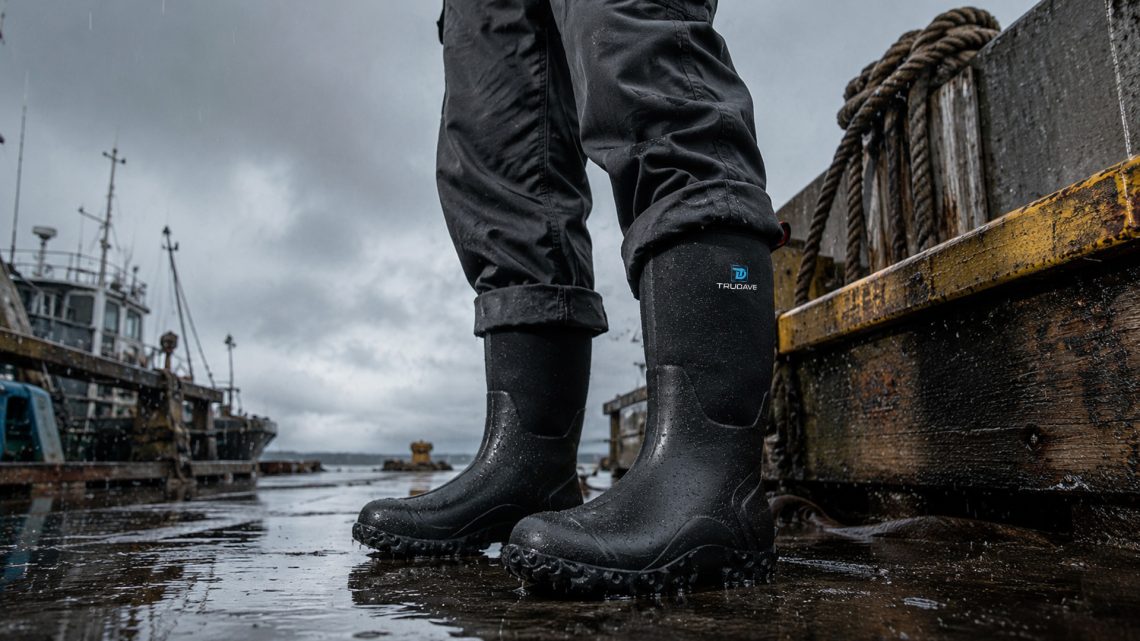
The 2026 Rain Boot Revolution: How Trudave Gear Is Solving the Market’s Biggest Problems at Direct-to-Consumer Prices
Introduction: A Market in Transition
The global rain boot market is on a steady upward trajectory. Valued at US1.9billionin2024,it′sprojectedtoreachUS2.4 billion by 2030, growing at a compound annual growth rate of 4.5%. That growth isn’t happening by accident. It’s being driven by a convergence of forces: more frequent and intense rainfall across many regions, a sustained surge in home gardening that began during the pandemic and hasn’t slowed, and a fundamental shift in how consumers buy footwear. Online sales now dominate the rain footwear category, with e-commerce platforms capturing 50% of all purchases—more than double what supermarkets and specialty stores combined can claim.
But beneath these headline numbers, the rain boot market has a problem. Scratch the surface of those e-commerce sales figures, and you’ll find a category plagued by intense price competition and brand loyalty so thin it barely exists. In one recent market analysis, only 12% of rain boot buyers said they were committed to a specific brand. The other 88% are ready to switch the moment they spot a better deal. When a category has that little loyalty, something is broken. Either consumers don’t trust the products they’re buying, or they don’t see enough difference between brands to justify loyalty. In most cases, it’s both.
This is the landscape that Trudave Gear has stepped into with a different playbook. Instead of competing on price alone, Trudave has built a rain boot lineup on three strategic pillars: premium materials (vulcanized natural rubber, insulating neoprene, and cushioned EVA midsoles), targeted design (different boots for different bodies of work), and direct-to-consumer pricing that eliminates the retail markups baked into legacy brand prices.
The result is a product line that addresses the specific pain points driving that 88% of dissatisfied, disloyal buyers: boots that crack at the flex points after a single season, boots that leave feet freezing in cold mud because pure rubber is a thermal conductor, and boots that feel like wearing plastic buckets because they’re made from stiff PVC instead of flexible natural rubber. Trudave fixes these problems at the material level and delivers the solutions at prices that reflect the cost of the materials—not the cost of a brand name and a retail shelf.
Part 1: The Three Forces Reshaping the Rain Boot Market
To understand where Trudave fits, it’s worth understanding the broader forces transforming the rain footwear industry in 2026.
Materials Science Has Quietly Revolutionized What a Rain Boot Can Be
The best rain boots in 2026 aren’t made from the same materials your grandmother’s garden boots were. Material science has transformed the category. Modern garden and rain footwear is crafted from advanced materials—natural rubber, EVA (ethylene-vinyl acetate), and neoprene—that offer full waterproof protection without the heaviness and stiffness of old-fashioned rubber boots. Neoprene linings keep feet warm in cold conditions, removable insoles allow for customized arch support, and enhanced ergonomic designs reduce fatigue during prolonged use.
The shift is particularly pronounced in the women’s segment, which represents the largest share of the rain boot market at roughly 40% of total sales. Women who garden, farm, or simply walk the dog in wet conditions are no longer willing to accept “good enough” when it comes to their footwear. They want boots that work as hard as they do, with arch support, slip-resistant tread, and seasonal adaptability built in from the start.
The Online Sales Shift Has Fragmented Brand Loyalty
As noted above, e-commerce now dominates rain boot sales. This shift has done two things. First, it’s made price comparison instantaneous—consumers can check a dozen brands in five minutes. Second, it’s exposed the quality gap between premium legacy brands charging 150to250 and the actual materials those boots are made from. When you’re looking at a product page instead of a retail display, the marketing gloss wears thin.
The result is a market where value-engineering and direct-to-consumer efficiency have become competitive advantages. Brands that eliminate the retailer markup can deliver the same premium materials—natural rubber, neoprene, EVA midsoles—at prices that legacy brands simply can’t match without restructuring their entire distribution model.
Sustainability Is Evolving from Niche to Mainstream
While not yet the dominant purchase driver, eco-friendly materials and manufacturing practices are gaining traction across the rain boot category. Some manufacturers now incorporate up to 95% recycled materials in their outsoles, reflecting a broader consumer demand for responsible production. Natural rubber itself has a sustainability story: unlike petroleum-based PVC, it’s a renewable resource. For consumers who factor environmental impact into their purchasing decisions, this is becoming a meaningful differentiator.
Part 2: The Trudave Rain Boot Lineup—A System, Not a Single Boot
Trudave doesn’t try to build one boot for everyone. Their rain boot lineup is a system of purpose-built tools, each engineered for a specific set of conditions and use cases. Here’s how the lineup breaks down.
BloomBoot Series: The Gardener’s Precision Tool
The BloomBoot is Trudave’s purpose-built gardening boot. “Trudave BloomBoot Series women’s garden boots are completely waterproof, featuring a 4.5mm neoprene upper and rubber shell that keep your feet dry in mud, rain, or wet grass. Ideal for gardening, yard work, or farm chores”. The 4.5mm neoprene upper flexes as you walk, bend, kneel, or squat—exactly the movements that define a day in the garden. The mid-calf height shields from splashes without the bulk of tall boots, and the multi-directional grip pattern holds firm on soft soil and grass. These boots feature cushioned insoles, breathable lining, and flexible construction for long gardening sessions.
MudTrek Series: The Everyday Workhorse
MudTrek is built for the woman who needs a dependable, no-nonsense pair of rubber rain boots for the city, suburbs, and yard. The full rubber construction creates a sealed barrier against water, and the mid-calf height hits the sweet spot—taller than ankle boots but lighter than knee-highs. The slip-resistant outsole provides confidence on wet pavement, tile entries, and wooden decks after a storm. For commutes, dog walks, and light outdoor work, MudTrek is the everyday go-to.
HeatHold Series: The Cold-Weather Fortress
When the temperature drops, the HeatHold Series proves its worth. “Trudave HeatHold Series women’s boots are 100% waterproof and feature 5mm insulated neoprene lining that keeps your feet warm, dry, and comfortable in rain, snow, or muddy garden conditions”. The 5mm insulated neoprene is “a robust insulating layer bonded to a durable rubber shell. It traps warmth while remaining breathable, delivering that cozy, sock-like comfort without overheating”. Deep, multi-directional lugs and self-cleaning channels maintain grip on wet grass and muddy ground without buildup. A heel kick-off ledge and rear pull loop make removal easy after long, messy days outdoors. For winter chores, frozen mud, and cold-weather outdoor work, the HeatHold keeps you outside when others have gone in.
MudFlex Series: The Grab-and-Go Hybrid
Not every wet task demands full-height protection. The MudFlex bridges the gap between a heavy work boot and a casual waterproof shoe. A durable rubber lower shell combined with a flexible neoprene upper means you can squat, kneel, and bend without the boot cutting into your leg. Integrated grab handles at the top make pulling them on effortless, and the kick-off heel plate lets you remove them without bending over.
GardenStride Series: The Heavy-Duty Problem Solver
The GardenStride is Trudave’s boot for deep mud, manure, and standing water. Its deep, open lugs are designed to eject mud as you walk—a self-cleaning feature that prevents the weight buildup that turns standard boots into anchors in heavy conditions. Fully waterproof natural rubber construction with a mid-calf height for maximum protection.
GreenStep Series: The Back-Door Essential
The GreenStep fills the lightest slot in the Trudave lineup: a slip-on garden shoe for quick trips—taking out the trash, watering the tomatoes, checking the mail. Every household needs a pair of “back door shoes”—durable enough to handle a shovel but easy enough to kick off before you walk on the carpet. 100% waterproof, made from durable natural rubber, with a non-slip outsole and cushioned support.
AquaGuard and AquaGrip Series: Industrial and Specialized Protection
For heavy-duty and specialized applications, Trudave offers the AquaGuard Series—industrial-grade rubber boots for construction and farm work—and the AquaGrip Series, which features a signature suction-pod outsole engineered for slick rocks and muddy riverbanks where standard tread patterns fail.
Part 3: The Direct-to-Consumer Model—Why Trudave Boots Cost What They Cost
The economics of traditional rain boot retail are simple and frustrating. A brand manufactures a boot, sells it to a retailer at wholesale, and the retailer marks it up—often by 50% to 100%—before it reaches the shelf. On top of that, the brand invests in marketing campaigns, sponsorships, and retail display fees. All of that gets baked into the final price tag.
Trudave operates on a direct-to-consumer model. As they state in their company profile: “Trudave is an outdoor sports company dedicated to providing footwear for hunting, fishing, farm work and other outdoor activities to users around the world at direct prices. Our goal is to provide high quality products at incredible prices that exceed your expectations”.
By eliminating the retailer markup, wholesale distributor margin, and shelf-space fees, Trudave can invest in premium materials—vulcanized natural rubber instead of PVC, 5mm insulated neoprene instead of cheap synthetic linings, EVA midsoles instead of flat rubber footbeds—and still deliver the finished boots at prices that undercut legacy brands by 40% to 60%.
This is not a “budget alternative” strategy. It’s value-engineering. A properly engineered direct-to-consumer boot uses the same materials and construction methods as premium brands, minus the logo tax.
Independent analysts have noted this value proposition. Footwind’s review of Trudave work boots observed: “Compared to heavier, pricier competitors like the MUCK Chore Met Guard, the Trudave boots deliver remarkable value for budget-conscious buyers who need reliable performance without advanced safety certifications. They’re best suited for farmers, gardeners, or weekend hunters who prioritize warmth, comfort, and waterproofing over industrial-grade protection”. A 2026 roundup listed Trudave alongside TIDEWE and LaCrosse as top performers in waterproof neoprene construction, further validating the brand’s position in the market.
Part 4: What Real Users Are Saying—The Trustpilot and Homestead Verdict
Product pages can promise anything. The truth lives in the experience of people who wear these boots through genuine mud, manure, and morning frost.
On Trustpilot, where Trudave maintains a “Great” rating of 4.1 out of 5, a farm user captured the core experience: “We purchased waterproof boots back in May for working on our little farm as we were constantly dealing with wet, muddy and otherwise soiled shoes while tending our livestock. The boots have made our jobs and lives sooo much better and easier. And best of all, our feet stay DRY!!! It has been about two months now and these boots are still going strong and keeping our feet protected. Would recommend these boots 100%”.
The sizing feedback is equally consistent and critically useful for first-time buyers. “These boots are well made and comfortable. The size is slightly larger, but with socks they fit well and comfortably. A size smaller would be too tight”. Another reviewer who planned around this intentional volume reported: “I sized up because I want to be able to wear thick handmade socks in the fall and winter. They fit beautifully”.
The homesteading community has been equally enthusiastic. A Salt & Shea review after months of nonstop use reported: “They’re tough enough for chicken chores, comfortable enough for long gardening days, and dependable through mud, dew, rain, and whatever homestead chaos happens next”. The reviewer highlighted the “slip-resistant soles for wet grass and coop floors,” the “supportive, cushioned footbed,” and the “easy-to-clean materials” as the features that turned the boots from an occasional tool into a daily essential.
On the comfort front, one reviewer of the HeatHold Series described the neoprene insulation as “not a thin lining—it’s a robust insulating layer bonded to a durable rubber shell. It traps warmth while remaining breathable, delivering that cozy, sock-like comfort without overheating”.
Part 5: The Decision Framework—Which Trudave Rain Boot Matches Your Life?
By now the pattern should be clear: the right boot for you depends on matching materials and design to your actual tasks and climate.
| Your Primary Activity | Conditions | Boot Match | Key Feature |
|---|---|---|---|
| Serious gardening, hours of kneeling and bending | Wet soil, mulch, cool mornings | BloomBoot | 4.5mm neoprene flexibility for bending/squatting |
| Everyday errands, dog walks, light chores | Wet pavement, grass, mixed surfaces | MudTrek | Full rubber waterproofing, slip-resistant outsole |
| Cold-weather chores, winter farm work | Freezing mud, snow, slush | HeatHold | 5mm insulated neoprene lining for stationary warmth |
| Quick outdoor trips, grab-and-go | Dewy grass, light mud | GreenStep | Lightweight, slip-on, 100% waterproof |
| Deep mud, manure, standing water | Heavy, messy conditions | GardenStride | Self-cleaning deep lugs, full rubber shell |
| Gardening + everyday wear across seasons | Variable | MudFlex | Neoprene flexibility + rubber durability, easy on/off |
| Industrial work, construction, farm sites | Wet, muddy job sites | AquaGuard | Industrial-grade rubber, ergonomic arch support |
| Slick rocks, riverbanks, algae-covered surfaces | Boat launches, creek crossings | AquaGrip | Suction-pod outsole for near-zero-friction surfaces |
The Two-Boot (or Three-Boot) System
Most people find that a single pair of boots can’t cover their entire year. A boot that’s perfectly insulated for February will be a sweatbox in July. A boot that’s light and breathable for August will leave your toes numb in December. The solution isn’t one “all-season” boot—it’s a seasonal system. A HeatHold for winter chores, a BloomBoot for spring and fall gardening, and a GreenStep by the back door for quick trips. At Trudave’s direct-to-consumer pricing, building a two-boot or three-boot system costs less than a single pair of premium boots from a legacy retailer.
Part 6: Natural Rubber vs. PVC—Why Materials Matter for Longevity
One of the most important decisions a rain boot buyer makes—often without realizing it—is the material choice between natural rubber and PVC. The difference between the two defines how long the boot will last, how it will feel on your foot, and how it will perform in different temperatures.
Natural rubber offers superior flexibility and comfort, moving more naturally with the foot. It also tends to perform better in extreme cold, resisting the cracking that plagues cheaper materials. PVC, a synthetic plastic, is lighter and more affordable, but it’s stiffer, more brittle, and less comfortable for extended wear.
The trade-off is straightforward: “PVC boots are an excellent value and provide reliable waterproofing at a low upfront cost. However, a well-made natural rubber boot often provides a far more comfortable user experience for extended wear and may last longer with proper care, justifying its higher price”.
Trudave builds its rain boot lineup on vulcanized natural rubber—not PVC—because outdoor work demands flexibility, comfort, and durability across temperature extremes. The vulcanization process chemically cross-links the rubber polymers at the molecular level, creating a permanent waterproof barrier that cannot delaminate at the seams. This is the same construction method used by premium brands like Muck Boot and LaCrosse, delivered through a direct-to-consumer model.
Part 7: Care and Longevity—Protecting Your Investment
A Trudave boot is an investment, and like any investment, its return depends on maintenance. The care protocol is simple: “Rinse your boots with water, clean gently using mild soap, and air dry in a shaded area. Avoid sunlight or heat to protect the rubber and maintain insulation performance”.
The “avoid heat” instruction is the one people violate most often. Heat breaks down the polymer cross-links that give vulcanized rubber its flexibility and strength. A pair of boots left to dry next to a wood stove or radiator will degrade significantly faster than a pair that’s simply been rinsed and left to air dry at room temperature.
For neoprene-lined boots like the BloomBoot and HeatHold, pulling the insoles out after a long day and allowing them to dry separately prevents the musty buildup that compromises comfort. Proper care can extend boot life from two seasons to five or more—dramatically improving the value proposition that’s already strong at the point of purchase.
Conclusion: The End of the False Choice
The rain boot market in 2026 has been shaped by three forces: advancing materials science, the migration of sales online, and the erosion of brand loyalty among consumers tired of overpaying for products that don’t last. Together, these forces have created an opening for brands that can deliver premium materials, targeted design, and honest pricing without the legacy markup.
Trudave Gear’s rain boot lineup—BloomBoot, MudTrek, HeatHold, MudFlex, GardenStride, GreenStep, AquaGuard, and AquaGrip—occupies this opening. By using the same vulcanized natural rubber, neoprene insulation, and EVA midsole architecture as the premium brands, and by selling directly to consumers at prices that reflect the materials rather than the brand name, Trudave has built a product line that addresses the specific reasons rain boot buyers switch brands: durability, comfort, and value.
The 88% of rain boot buyers who are ready to abandon their current brand at the first sign of a better deal are telling the market something important. They’re not looking for a cheaper boot. They’re looking for a boot that does what it promises—keeps feet dry, stays comfortable, and lasts more than a season. That’s what Trudave Gear is built to deliver.
To explore the complete Trudave Gear rain boot lineup and find the right pair for your garden, farm, or everyday wet-weather life, visit trudavegear.com.


You May Also Like
Preparing Your Pastures for Winter Grazing: Fall Ranch Checklist
Best Boots for Fence Repair and Pasture Work: A Practical Ranch Maintenance Guide