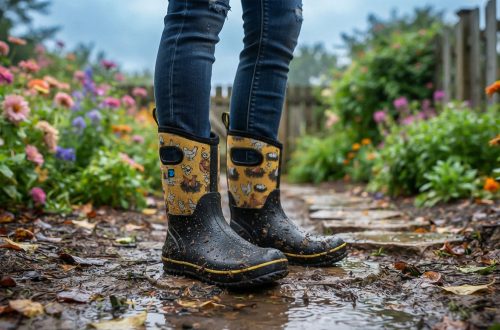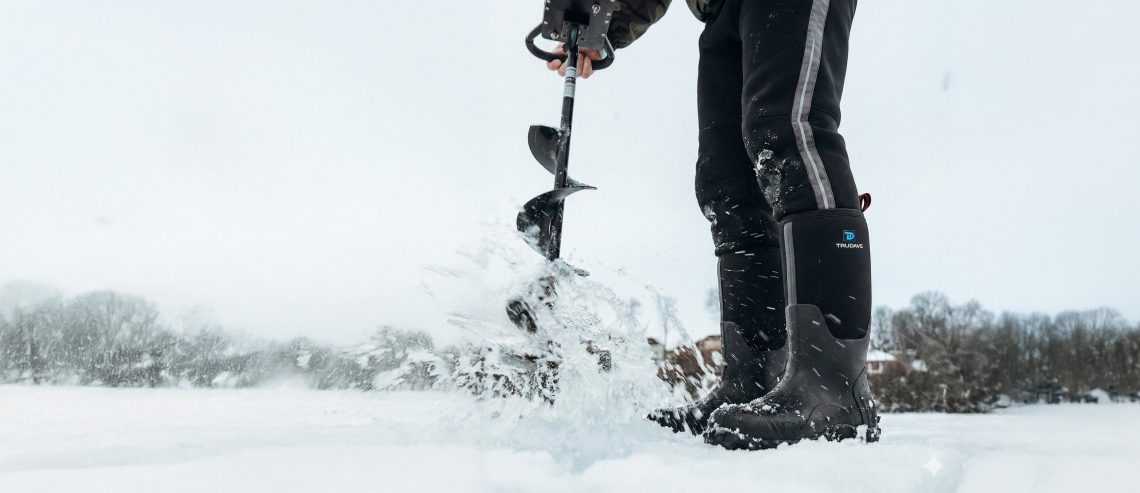
Trudave AquaGrip vs. MudFlex: Which Rain Boot Actually Wins in the Mud?
Meta Description: Two Trudave rain boots, one tough choice. We test the AquaGrip and MudFlex head-to-head in real mud, real work, and real conditions to settle which one belongs on your feet.
Walk into any outdoor supply store and you’ll find twenty different “waterproof work boots” claiming to handle mud, rain, and tough conditions. Narrow it down to the boots that actually deliver, and you’re looking at maybe three serious options. Narrow it further to boots under $150 that don’t compromise on real performance, and the list gets very short.
Trudave Gear’s AquaGrip and MudFlex rain boots both make that short list — and that creates a real decision problem for anyone shopping Trudave’s lineup for the first time. Both are rubber-and-neoprene construction. Both are mid-height. Both are built for mud, farm work, garden use, and wet conditions. The price difference is minimal. The marketing descriptions sound similar.
So which one is actually better?
We spent a full season testing both boots across the same work environments — mud-heavy livestock areas, wet garden beds, flooded jobsite conditions, and the kind of adhesive clay soil that turns regular boots into ten-pound anchors. This review breaks down the real performance differences, explains what each boot does better than the other, and tells you exactly which one is right for your work.
Side-by-Side Specs: What’s Different on Paper
| Feature | AquaGrip Series | MudFlex Series |
|---|---|---|
| Neoprene thickness | 6mm | 4.5mm stretch collar |
| Rubber shell | One-piece bonded | Seamless one-piece |
| Outsole pattern | “Suction-pod” — circular cup lugs + multi-directional edges | Deep-lug with fine siping + wave-pattern traction |
| Interior lining | Smooth hi-vis lining | Breathable mesh lining |
| Height | Mid-calf | Mid-height |
| Entry system | Rear kick-off ledge + reinforced pull loop | Grab handles + rear kick plate + pull loops |
| Arch support | Subtle integrated arch support | Standard |
| Best for | Heavy mud, farm work, all-day standing | Deep mud, livestock areas, warm-weather breathability |
| Weight | Slightly heavier (6mm neoprene) | Slightly lighter (4.5mm neoprene) |
The spec differences look minor. The real-world performance differences are not.
Test 1: Deep Adhesive Mud — The Defining Challenge
This is where the AquaGrip’s suction-pod outsole design earns its keep — and where the naming makes sense.
We tested both boots in the same cattle pen conditions: six inches of wet, adhesive mud with the consistency of wet cement. The kind of mud that grabs your boot on every step and requires genuine leg effort to pull free. Standard lug-pattern boots pack this mud into the outsole channels and essentially become flat-soled after the first twenty steps, losing all traction advantage.
AquaGrip performance: The circular cup lugs combined with multi-directional edges created a noticeable suction-break effect on each step. The boot pulled free from the mud more cleanly than a standard lug pattern, and the cup design shed mud between steps rather than packing it in. After an hour of work in these conditions, the AquaGrip’s outsole was still gripping — not perfectly, but maintaining functional traction where standard boots would have become skating platforms.
MudFlex performance: The deep-lug with fine siping handled the same conditions well, though with a slightly different mechanism. The siping channels allowed mud to squeeze through the lug pattern rather than packing solid, which maintained some grip even in adhesive conditions. The wave-pattern traction component helped on the transitional surfaces (concrete barn floor edges, packed gravel paths) where the cup-lug design is less optimized.
Verdict: AquaGrip wins in pure deep adhesive mud by a noticeable margin. If your primary work environment is livestock pens, feedlot areas, or saturated pasture gates where adhesive mud is the daily reality, the AquaGrip’s outsole architecture is worth the choice.
Test 2: All-Day Comfort and Heat Management
This is where the MudFlex’s design priorities become clear — and where the 4.5mm stretch neoprene collar and breathable mesh lining make a real difference.
We wore both boots through full eight-hour work days in temperatures ranging from 55°F to 78°F, doing active farm and garden work that involved constant movement, bending, and position changes.
AquaGrip performance: The 6mm neoprene shaft provides excellent cold protection — even on 55°F mornings with wet conditions, the AquaGrip kept feet noticeably warmer than lighter boots. The trade-off is heat retention in warmer conditions. By mid-morning on 70°F+ days, the 6mm neoprene’s thermal mass became noticeable. Not unbearable, but warmer than ideal for active warm-weather work. The subtle arch support in the AquaGrip footbed reduced standing fatigue noticeably compared to flat-footbed rubber boots.
MudFlex performance: The 4.5mm stretch collar with breathable mesh lining handled warm-weather work significantly better. The thinner neoprene reduced thermal mass, and the mesh lining allowed enough air circulation to prevent the swamp-foot feeling that heavier rubber boots create in warm conditions. The stretch collar also accommodated calf-size variation between different pant layers better than the AquaGrip’s more structured collar — a practical advantage when your work outfit changes from lightweight pants in summer to heavyweight Carhartt layers in fall.
Verdict: MudFlex wins for warm-weather and active work comfort. If your primary season is spring through early fall and you’re doing active movement rather than stationary standing, the MudFlex’s lighter, more breathable construction is the better choice. AquaGrip wins for cold-weather work and extended standing comfort (the arch support matters over 6+ hour days).
Test 3: Durability Through a Season of Heavy Use
We put both boots through approximately 60 work sessions over a six-month period — a mix of livestock work, garden maintenance, jobsite mud, and general outdoor work in wet conditions.
AquaGrip durability: The 6mm neoprene shaft showed excellent resistance to abrasion and puncture over the test period. The rubber-wrapped toe guards held up through repeated contact with shovels, wheelbarrow edges, and fence posts. The outsole showed normal wear on high-contact points but maintained its cup-lug structure integrity. The reinforced pull loop handled heavy pulling without fraying. End-of-season assessment: structurally sound with no compromises.
MudFlex durability: The 4.5mm stretch neoprene collar is the one area where we saw a durability trade-off. The stretch construction that makes it comfortable also makes it slightly more vulnerable to snag damage from barbed wire, thorny vegetation, and sharp metal edges than the AquaGrip’s thicker neoprene. Not a failure — just visible wear that the AquaGrip didn’t show to the same degree. The seamless rubber shell held up excellently. The deep-lug outsole wore at a similar rate to the AquaGrip.
Verdict: AquaGrip takes a slight edge in heavy-abuse durability, primarily due to the thicker neoprene construction. For environments with barbed wire, sharp metal, or aggressive vegetation, the 6mm neoprene is more resistant to puncture and tear. MudFlex remains durable for typical farm and garden work but shows some collar wear faster in extreme-abuse environments.
Test 4: Quick On/Off and Practical Usability
Both boots use grab systems, but the execution differs in ways that matter during actual use.
AquaGrip: Rear kick-off ledge + reinforced pull loop. The kick-off ledge works reliably for boot-to-boot removal without bending down — practical when your boots are caked in mud and you don’t want to touch them with your hands. The single reinforced pull loop is sturdy but requires a good grip.
MudFlex: Integrated grab handles + rear kick plate + pull loops. The dual grab handles provide more grip surface when your hands are wet or gloved. The rear kick plate functions similarly to the AquaGrip’s ledge. The multiple pull points make the MudFlex slightly easier to remove quickly in varied conditions.
Verdict: MudFlex wins marginally on ease of entry/exit. The difference isn’t dramatic, but the dual grab handles are genuinely easier to use with wet or gloved hands.
Test 5: Waterproofing in Real Conditions
Both boots delivered fully waterproof performance across the test period. No leaks, no seam failures, no moisture intrusion below the collar line through repeated exposure to standing water, mud slurry, irrigation runoff, and rain.
The one-piece rubber shell construction in both boots eliminates the seam-leak vulnerability that membrane boots suffer from. After six months of heavy use in genuinely wet conditions, both the AquaGrip and MudFlex maintained complete waterproof integrity.
Verdict: Tie — both excel. This is a core strength of Trudave’s rubber-and-neoprene construction philosophy, and both boots execute it equally well.
Real-World Scenario Breakdown: Which Boot for Which Job
Scenario 1: Cattle or Hog Operation — Daily Livestock Work in Heavy Mud
Winner: AquaGrip
The suction-pod outsole’s advantage in adhesive livestock-area mud is decisive. Daily use in feedlot or pen conditions where adhesive mud is unavoidable makes the AquaGrip’s grip advantage worth choosing.
Scenario 2: Market Garden or CSA Farm — All-Day Active Garden Work, Warm Season
Winner: MudFlex
The breathable mesh lining and lighter neoprene construction handle six to eight hours of active movement in 65°F+ temperatures significantly better than the AquaGrip’s heavier thermal mass. The stretch collar also handles the frequent bending and kneeling of intensive garden work without binding.
Scenario 3: Construction or Landscaping Jobsite — Mud, Gravel, Concrete Transitions
Winner: MudFlex
The deep-lug with wave-pattern traction handles the multi-surface transitions of jobsite work (wet soil to gravel to concrete) more versatilely than the AquaGrip’s mud-optimized cup lugs. The lighter weight also reduces fatigue when you’re covering significant ground during a workday.
Scenario 4: Homestead or Small Farm — Mixed Animal and Garden Work, Year-Round Use
Winner: AquaGrip
The 6mm neoprene’s cold protection makes it more versatile across seasons. The arch support matters more over the full range of homestead tasks (extended standing during animal care, long garden sessions, equipment maintenance). If you’re only buying one boot for a mixed-use homestead operation, the AquaGrip’s year-round versatility edges out the MudFlex’s warm-season advantages.
Scenario 5: Cold-Climate Operations — Northern States, Late Fall Through Early Spring
Winner: AquaGrip
The 6mm neoprene provides meaningfully more cold protection than the MudFlex’s 4.5mm construction. For operations in Minnesota, Wisconsin, the Dakotas, upstate New York, or anywhere sustained cold is part of the work environment, the AquaGrip is the better choice.
Scenario 6: Warm-Climate Farm or Ranch — Southern States, Year-Round Warmth
Winner: MudFlex
In climates where cold protection is rarely needed and heat management is the primary thermal concern, the MudFlex’s breathable construction and lighter neoprene are decisive advantages.
Price and Value Comparison
Both boots occupy the same price tier (mid-range, under $150). The value proposition for each is strong, but different:
AquaGrip value: You’re getting the most effective mud-traction outsole in Trudave’s lineup, genuine all-day arch support, and the thickest neoprene construction for cold protection. If your work demands maximum mud performance and cold-season versatility, the AquaGrip delivers premium performance at a mid-range price.
MudFlex value: You’re getting a lighter, more breathable boot that handles warm-weather work better, transitions more easily across multiple surface types, and provides excellent on/off usability. If your primary season is warm and your work is active rather than stationary, the MudFlex is the smarter value.
Neither boot is overpriced for what it delivers. The value question is which set of strengths matches your work requirements.
The Two-Boot Strategy (If Your Budget Allows)
If you work year-round in conditions that swing from cold, muddy spring to hot, active summer, the optimal solution is owning both and rotating seasonally:
March–October: MudFlex for warm-season work — lighter, more breathable, handles active movement and warm temperatures better.
November–February: AquaGrip for cold-season work — heavier thermal protection, better arch support for long standing periods, superior mud performance in cold, dense mud.
This strategy costs less than one pair of premium-brand rubber boots and provides better seasonal performance than any single boot can deliver across a full year.
Final Verdict: Which Boot Should You Buy?
Buy the AquaGrip if:
- Your primary work environment is heavy, adhesive mud (livestock areas, feedlots, saturated pasture)
- You work in cold climates or need a boot for year-round use including winter
- You spend long hours standing and want arch support
- Maximum mud traction is your top priority
Buy the MudFlex if:
- Your primary work season is spring through fall in moderate to warm temperatures
- You do active, movement-intensive work rather than stationary tasks
- You need a lighter boot that transitions well across multiple surface types (jobsite work, landscaping)
- Breathability and comfort in warm conditions matter more than maximum cold protection
Both boots are excellent. Neither is a compromise. The right choice depends entirely on your work environment and seasonal priorities — and now you know exactly which scenarios favor which boot.


You May Also Like
Homestead Efficiency: Small Fixes That Save Big on Winter Feed Costs
Best Rain Boots for Muddy Terrain: 8 Features That Actually Matter