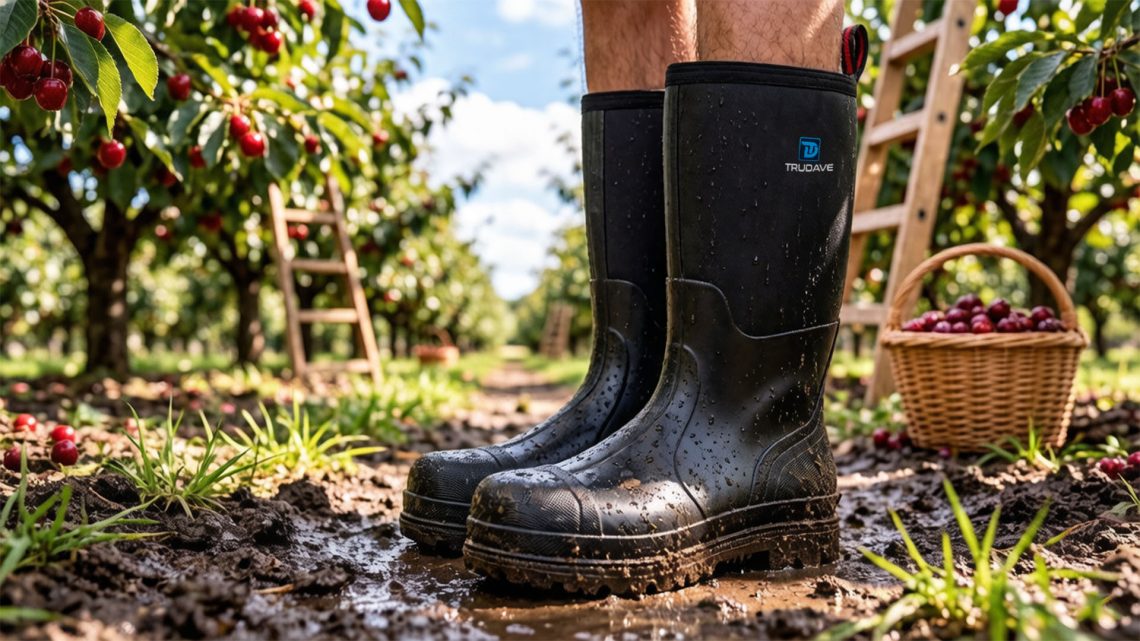
How to Get Smell Out of Rain Boots: 9 Safe and Practical Methods
Rain boots are designed to keep water out.
Unfortunately, the same waterproof construction that protects your feet from rain, mud, wet grass, and standing water can also trap heat and moisture inside the boot.
After several hours of hunting, fishing, farm work, gardening, or outdoor chores, the interior may become damp from sweat even when no outside water enters.
If the boots are stored before they dry completely, odor can develop quickly.
Smelly rain boots are not necessarily a sign that the footwear is ruined.
In many cases, the odor comes from trapped moisture, sweat, bacteria, dirty insoles, or boots that are not receiving enough airflow between uses.
The solution is usually a combination of proper cleaning, complete drying, moisture control, and better storage habits.
However, waterproof footwear must be cleaned carefully.
Harsh chemicals, excessive heat, and aggressive washing methods can damage rubber, neoprene, adhesives, linings, and waterproof components.
This guide explains how to get smell out of rain boots safely and how to prevent odor from returning after hunting, fishing, farm work, and everyday wet-weather use.
Why Do Rain Boots Smell?
Rain boots smell because moisture and organic material collect inside the footwear.
Sweat contains water, oils, and other substances that remain on socks, insoles, and boot linings.
Bacteria break down these materials and produce odor.
Waterproof boots often have limited ventilation.
Unlike breathable athletic shoes, rubber boots do not allow much heat or moisture to escape through the outer material.
This creates a warm, damp environment.
Odor may become worse when boots are:
- Worn for many hours.
- Used with cotton socks.
- Stored while damp.
- Left in a vehicle or equipment bag.
- Exposed to mud, fish residue, manure, or standing water.
- Worn every day without enough drying time.
- Stored with wet insoles.
- Used in warm weather.
- Cleaned only on the outside.
The interior of the boot requires just as much attention as the exterior.
1. Dry the Boots Completely
Before applying deodorizing products, make sure the boots are completely dry.
Moisture is one of the main causes of odor.
If you cover the smell without removing the trapped moisture, the odor will return.
Start by removing the insoles if possible.
Open the boot shaft and place the footwear in a well-ventilated area.
Allow air to move through the interior.
Depending on the lining and level of moisture, drying may take several hours or longer.
Do not place rubber boots directly against:
- Heaters.
- Fireplaces.
- Radiators.
- Wood stoves.
- High-temperature dryers.
- Strong heat vents.
Excessive heat can damage rubber, adhesives, neoprene, and waterproof linings.
A low-temperature boot dryer can be useful, especially for hunters and outdoor workers who use boots frequently.
Choose a dryer designed for footwear and follow the manufacturer’s instructions.
2. Remove and Clean the Insoles
Insoles often hold more odor than the boot itself.
They absorb sweat and remain in direct contact with the bottom of the foot.
Remove the insoles and inspect them.
If they are washable, clean them separately using mild soap and water.
Avoid soaking materials that are not designed for full immersion.
Rinse away soap residue and allow the insoles to dry completely before returning them to the boots.
If the insoles remain heavily stained, compressed, damaged, or smelly after cleaning, replacement may be the best option.
Fresh insoles can improve:
- Odor control.
- Cushioning.
- Foot support.
- Moisture management.
- Overall comfort.
Outdoor users who wear waterproof boots every day may need to replace insoles more frequently than occasional users.
3. Wash the Interior With Mild Soap
If drying and cleaning the insoles do not remove the odor, the lining may need to be cleaned.
Start with a mild soap solution.
Mix a small amount of gentle soap with warm water.
Use a clean cloth or soft sponge to wipe the inside of the boot.
Do not automatically fill the entire boot with water.
Some waterproof boots include insulation, foam, layered linings, or materials that take a long time to dry.
Use only enough moisture to clean the surface.
Pay attention to:
- The heel area.
- The toe box.
- The sides of the foot.
- The ankle lining.
- The area beneath the insole.
After cleaning, wipe away soap residue with a separate damp cloth.
Allow the boots to dry completely before wearing them again.
Always check the footwear manufacturer’s care instructions before washing the interior.
4. Use Baking Soda Carefully
Baking soda is commonly used to absorb odor.
Once the boots are dry, place a small amount of baking soda inside each boot.
Allow it to sit overnight.
The next day, shake or vacuum out the powder completely.
Do not leave large amounts of baking soda packed inside damp boots.
The powder can form clumps and become difficult to remove.
Baking soda is most useful for light to moderate odor after the main moisture problem has been corrected.
It should not replace cleaning when the lining contains dirt, sweat residue, or biological material.
5. Use Activated Charcoal Deodorizers
Activated charcoal inserts can help absorb moisture and odor without leaving powder inside the footwear.
These reusable products are often sold as shoe or boot deodorizers.
Place them inside dry boots during storage.
Activated charcoal is especially useful for:
- Hunting boots.
- Fishing boots.
- Daily farm footwear.
- Work boots.
- Boots stored in vehicles.
- Footwear used in warm weather.
Follow the product instructions for drying or reactivating the charcoal inserts.
These products work best as a preventive measure after the boots have already been cleaned.
6. Try a Diluted Vinegar Solution
White vinegar may help reduce odor because of its acidic properties.
However, it should be used carefully.
Mix a small amount of white vinegar with water.
Apply the diluted solution to a cloth rather than pouring it directly into the boot.
Wipe the interior surfaces lightly.
Follow with a clean damp cloth if necessary.
Allow the boots to dry completely.
Do not use concentrated vinegar, and do not assume every lining material will respond the same way.
Test the solution on a small hidden area first.
Always check the manufacturer’s care recommendations, especially for insulated or neoprene-lined boots.
7. Use a Footwear-Safe Deodorizing Spray
Commercial shoe deodorizing sprays can be convenient.
Choose a product designed for footwear rather than household surfaces.
Read the label carefully.
Avoid products containing chemicals that may damage rubber, neoprene, adhesives, or waterproof membranes.
Apply only the recommended amount.
Heavy spraying can add more moisture to the boot and delay drying.
A deodorizing spray should support a proper cleaning and drying routine, not replace it.
8. Freeze the Insoles, Not Necessarily the Boots
Some people attempt to reduce odor by placing footwear in a freezer.
Cold temperatures may temporarily reduce bacterial activity, but freezing does not reliably clean the footwear or remove the source of the odor.
Large rubber boots can also take up significant space and may introduce dirt into food storage areas.
A more practical approach is to clean and dry removable insoles thoroughly.
If the insole manufacturer allows it, placing sealed, dry insoles in a freezer may help temporarily.
However, washing and drying are generally more effective.
Do not rely on freezing as the main odor-control method.
9. Replace Materials That Cannot Be Cleaned
Sometimes the odor has penetrated deeply into old insoles, damaged foam, or worn interior linings.
If repeated cleaning does not work, replacement may be necessary.
Consider replacing:
- Insoles.
- Removable liners.
- Damaged footbeds.
- Worn socks.
- Boots with severe interior deterioration.
A strong odor combined with cracked linings, mold growth, persistent dampness, or material separation may indicate that the boots have reached the end of their useful life.
How to Clean Smelly Rubber Hunting Boots
Hunting boots may develop odor from sweat, mud, wet vegetation, animal residue, and long storage periods.
Start by cleaning the exterior.
Rinse away mud and debris.
Use a soft brush and mild soap when necessary.
Then remove the insoles and inspect the interior.
Wipe the lining with a mild soap solution.
Allow the boots to dry naturally in a ventilated area.
Once dry, use activated charcoal inserts or a small amount of baking soda.
Hunters concerned about scent should avoid heavily perfumed cleaning products.
Strong artificial fragrance may remain on the footwear and equipment.
A clean, dry boot is usually better than a boot covered in powerful fragrance.
Outdoor footwear brands such as Trudave Gear provide waterproof boots designed for hunting, fishing, rain, mud, and demanding outdoor conditions.
Regardless of the boot brand, regular drying and interior care are essential when the footwear is worn for long days in the field.
How to Remove Fish Smell From Waterproof Boots
Fishing boots can develop strong odor after exposure to fish slime, bait, dirty water, boat decks, and shoreline mud.
Clean the boots as soon as possible.
Do not allow organic residue to dry on the surface.
Rinse the exterior thoroughly.
Use mild soap and a soft brush.
Check the outsole grooves where fish residue and mud may remain trapped.
If the interior is affected, remove the insoles and clean them separately.
Wipe the lining with a mild soap solution.
Allow every component to dry completely.
Avoid using bleach or aggressive solvents unless the footwear manufacturer specifically approves them.
These products may damage waterproof materials and create additional odor problems.
How to Remove Farm Odor From Rubber Boots
Farm boots may be exposed to manure, livestock areas, fertilizer, feed, mud, and standing water.
Exterior cleaning should happen after each heavy use.
Rinse the boots before the material dries.
Use a dedicated boot brush to clean the tread.
If necessary, wash the exterior with mild soap.
The interior odor is usually caused by sweat, but contamination may also enter from the boot opening.
Clean removable insoles and wipe the interior lining.
Store farm boots in a ventilated area separate from clean clothing and indoor footwear.
Daily users may benefit from rotating between two pairs.
This allows each pair to dry completely before the next use.
How to Dry the Inside of Rain Boots Faster
Drying speed depends on airflow and the amount of moisture inside the boot.
To improve drying:
- Remove the insoles.
- Wipe away visible moisture.
- Open the boot shafts.
- Place the boots in a ventilated room.
- Position a fan nearby.
- Use a low-temperature boot dryer.
- Turn removable liners inside out when permitted.
- Replace damp paper or absorbent material regularly.
Loosely packed newspaper or plain absorbent paper can help draw out moisture.
Do not pack the boots too tightly because airflow is still necessary.
Avoid printed paper if ink transfer is a concern.
Can You Put Rain Boots in a Washing Machine?
Most rubber boots should not be placed in a washing machine unless the manufacturer specifically says they are machine washable.
The machine can damage:
- Boot shape.
- Rubber components.
- Adhesives.
- Linings.
- Decorative materials.
- Waterproof seams.
The spinning cycle may also damage the washing machine.
Hand cleaning is usually safer.
Use mild soap, warm water, a soft brush, and cloths.
Can You Put Rain Boots in a Dryer?
Rubber boots generally should not be placed in a high-temperature clothes dryer.
Heat can cause:
- Rubber deterioration.
- Warping.
- Adhesive failure.
- Shrinking.
- Lining damage.
- Cracking.
Use natural airflow or a low-temperature boot dryer designed for footwear.
Why Do Rain Boots Still Smell After Washing?
Boots may continue smelling after washing because they have not dried completely.
Moisture may remain beneath the insole, inside foam, or within the lining.
Other possible causes include:
- Dirty insoles.
- Bacteria deep in the lining.
- Mold or mildew.
- Organic residue in the outsole.
- Damp storage conditions.
- Reusing dirty socks.
- Wearing the boots before they are fully dry.
Clean each removable component separately.
Allow more drying time than you think is necessary.
If the odor returns immediately, the interior materials may need replacement.
How to Prevent Rain Boot Odor
Preventing odor is easier than removing severe odor.
Use the following habits after each outdoor activity.
Wear Moisture-Wicking Socks
Wool-blend or synthetic socks can manage sweat better than cotton.
Remove Insoles After Use
This improves airflow beneath the footbed.
Dry Boots Before Storage
Never place damp boots in a sealed container.
Rotate Footwear
People who wear waterproof boots daily should consider owning two pairs.
Wash Socks After Every Use
Dirty socks transfer odor and bacteria back into clean boots.
Use Deodorizer Inserts
Activated charcoal or moisture-absorbing inserts can help during storage.
Store Boots in a Cool, Dry Place
Avoid hot vehicles, damp sheds, and direct sunlight.
Clean Organic Residue Quickly
Fish slime, mud, manure, and plant material become harder to remove after drying.
Best Socks for Preventing Rain Boot Odor
Sock choice affects both odor and comfort.
Cotton absorbs moisture but dries slowly.
Wool blends can manage moisture and resist odor better during extended wear.
Synthetic socks may dry quickly and perform well for active outdoor users.
Choose socks that:
- Fit smoothly.
- Do not bunch.
- Extend above the boot collar.
- Match the temperature.
- Provide appropriate cushioning.
- Dry faster than heavy cotton.
Change socks during long hunting, fishing, or workdays if they become damp.
A fresh pair of socks can improve comfort and reduce odor buildup.
Should You Wear Rain Boots Without Socks?
Wearing rain boots without socks is not recommended for extended use.
Bare skin rubs directly against the lining.
Sweat has nowhere to go.
This can increase:
- Odor.
- Blisters.
- Skin irritation.
- Moisture buildup.
- Bacterial growth.
Even lightweight moisture-wicking socks are better than wearing waterproof boots barefoot.
Can Mold Grow Inside Rain Boots?
Yes.
Mold and mildew can grow when boots remain damp in dark, poorly ventilated storage areas.
Signs may include:
- Musty odor.
- Visible spots.
- Persistent dampness.
- Discoloration.
- Interior material breakdown.
If mold is limited to a cleanable surface, follow the footwear manufacturer’s care instructions.
Severe mold growth may be difficult to remove completely.
People with allergies, asthma, or respiratory sensitivity should avoid handling moldy footwear without appropriate precautions.
Boots with deep mold contamination may need to be replaced.
When Should Smelly Rain Boots Be Replaced?
Odor alone does not always require replacement.
However, new footwear may be necessary when:
- Odor remains after repeated cleaning.
- Mold has spread through the lining.
- Insoles and liners cannot be replaced.
- The interior material is breaking down.
- The boots remain damp for days.
- Waterproof construction has failed.
- Cracks or separation are visible.
- The outsole is badly worn.
- The boots cause skin irritation.
For hunters, anglers, farmers, and outdoor workers, waterproof footwear is protective equipment.
Boots should be replaced when they can no longer remain dry, clean, safe, or comfortable.
How to Choose Rain Boots That Are Easier to Keep Fresh
Some footwear designs are easier to maintain than others.
When purchasing rain boots, consider:
- Removable insoles.
- Removable liners.
- Quick-drying interior materials.
- Wide boot openings.
- Smooth waterproof exteriors.
- Washable footbeds.
- Low-temperature dryer compatibility.
- Appropriate insulation.
- Correct fit.
Heavily insulated boots take longer to dry.
Oversized boots may increase foot movement and sweating.
Boots that are too tight may also cause excessive heat.
Choose footwear based on temperature, activity level, and expected wearing time.
For people comparing waterproof boots for hunting, fishing, farm work, rain, and mud, Trudave Gear offers outdoor footwear designed for practical use in demanding wet environments.
Proper fit, removable components, moisture management, and regular drying can help any pair of boots remain fresher for longer.
Frequently Asked Questions
Why do my rain boots smell so bad?
Rain boot odor usually comes from trapped sweat, bacteria, damp insoles, poor ventilation, organic residue, or storing the footwear before it is completely dry.
How do you deodorize rubber boots?
Dry the boots, remove and clean the insoles, wipe the interior with mild soap, and use baking soda or activated charcoal after the footwear is dry.
Can I use baking soda in rain boots?
Yes. Use a small amount inside dry boots and remove it completely before wearing them.
Can I wash the inside of rubber boots?
Many boots can be wiped with mild soap and water. Check the manufacturer’s care instructions and avoid soaking insulated materials unnecessarily.
How long do rain boots take to dry?
Drying time may range from several hours to more than a day depending on the lining, insulation, airflow, and amount of moisture.
Can I use bleach in rubber boots?
Bleach may damage rubber, adhesives, linings, or waterproof components. Use it only when specifically approved by the manufacturer.
Why do my boots smell even when my feet stay dry?
Your feet may be sweating inside the waterproof boots. The moisture can remain trapped in socks, insoles, and linings.
Do charcoal bags remove boot odor?
Activated charcoal inserts can help absorb odor and moisture, especially when used inside clean, dry boots.
Can I spray perfume inside rain boots?
Perfume may temporarily cover odor but does not remove moisture or bacteria. Strong fragrance can also irritate skin or interfere with scent-conscious hunting.
Final Thoughts
Smelly rain boots are usually caused by moisture that remains trapped inside the footwear.
The most effective solution is not simply adding fragrance.
Remove the source of the odor.
Take out the insoles.
Clean the interior with mild products.
Dry every component completely.
Use baking soda, activated charcoal, or footwear-safe deodorizing products only after the boots are clean and dry.
Prevention matters just as much.
Wear moisture-wicking socks.
Do not store wet boots in sealed bags.
Rotate footwear when possible.
Clean mud, fish residue, manure, and organic material before it dries.
For hunters, anglers, farmers, and outdoor workers, waterproof boots are often worn in the dirtiest and wettest conditions.
Regular interior care helps protect comfort, hygiene, and the useful life of the footwear.
Trudave Gear offers waterproof outdoor boots designed for rain, mud, hunting, fishing, and demanding field use.
Whichever boots you choose, proper drying and storage will help them remain fresher, more comfortable, and ready for the next outdoor trip.


You May Also Like

Evergreen Armor: How to Protect Young Trees From Winter Burn

Wind-Chill Warriors: Building Low-Cost Shelter That Actually Holds Heat