Best Boots for Construction Work in Rain: Waterproof Footwear for Mud, Concrete, and Job Sites
Construction work is already physically demanding, but rain and wet conditions make every task more challenging.
A construction worker may spend the day walking across muddy job sites, standing on concrete, climbing equipment, carrying materials, operating tools, and moving between indoor and outdoor areas.
Rain can quickly transform a normal construction site into a difficult environment.
Workers may encounter:
- Mud.
- Standing water.
- Wet concrete.
- Slippery plywood.
- Gravel.
- Steel surfaces.
- Uneven ground.
- Construction debris.
- Wet equipment.
- Cold temperatures.
A normal pair of shoes cannot handle these conditions.
Even basic rain boots may not provide enough support, traction, or durability for a full construction shift.
The best boots for construction work in rain should provide waterproof protection, strong traction, comfortable support, durability, and reliable performance across multiple surfaces.
This guide explains how to choose waterproof construction boots for contractors, builders, outdoor workers, utility crews, landscapers, and anyone working in wet job-site conditions.
Why Rainy Construction Sites Are Hard on Boots
Construction environments constantly change.
Workers may move between:
- Muddy ground.
- Concrete slabs.
- Steel structures.
- Wooden platforms.
- Gravel areas.
- Equipment zones.
- Material storage areas.
- Excavation areas.
- Temporary walkways.
Each surface creates different footwear challenges.
Mud requires traction.
Concrete requires cushioning.
Steel requires grip.
Long shifts require comfort.
A construction boot must balance all of these requirements.
Why Waterproof Construction Boots Matter
Rain is only one source of moisture on construction sites.
Workers may encounter:
- Rain.
- Wet concrete.
- Plumbing leaks.
- Groundwater.
- Puddles.
- Snowmelt.
- Cleaning water.
- Outdoor humidity.
- Mud.
Wet feet create discomfort and reduce concentration.
Waterproof boots help workers remain comfortable throughout changing conditions.
They are especially valuable for:
- Foundation work.
- Excavation.
- Road construction.
- Utility projects.
- Outdoor building projects.
- Landscaping construction.
Rubber Boots vs Waterproof Work Boots
Different construction jobs require different footwear.
Rubber Construction Boots
Rubber boots provide excellent waterproof protection.
Advantages:
- Fully waterproof.
- Easy cleaning.
- Good mud protection.
- Quick to put on.
- Useful in standing water.
They work well for:
- Excavation.
- Concrete pouring.
- Landscaping construction.
- Drainage work.
- Muddy job sites.
Potential disadvantages:
- Less ankle support.
- Less breathability.
- Limited cushioning.
- Reduced comfort for long walking distances.
Waterproof Work Boots
Waterproof work boots provide more support.
Advantages:
- Better ankle stability.
- Improved walking comfort.
- Better performance on uneven terrain.
- Stronger everyday durability.
They work well for:
- General construction.
- Carpentry.
- Electrical work.
- Outdoor maintenance.
- Equipment operation.
Many professionals use waterproof work boots as their everyday option and keep rubber boots available for extremely wet conditions.
Best Boots for Muddy Construction Sites
Mud creates some of the biggest challenges on construction sites.
Wet soil can cause:
- Slipping.
- Boot suction.
- Heavy buildup.
- Increased fatigue.
Good muddy-site boots should provide:
- Wide tread spacing.
- Mud-release outsole design.
- Secure heel fit.
- Waterproof shafts.
- Flexible movement.
Extremely aggressive tread can help in deep mud but may be uncomfortable on concrete.
A balanced outsole is usually more versatile.
Best Boots for Concrete Work
Concrete creates a different challenge.
Workers may stand for hours on hard surfaces.
Good concrete work boots should provide:
- Shock absorption.
- Comfortable insoles.
- Stable heel support.
- Flexible movement.
- Slip resistance.
A waterproof boot without cushioning may still become uncomfortable during long shifts.
Comfort is especially important for:
- Concrete crews.
- General contractors.
- Flooring installers.
- Masonry workers.
Best Boots for Excavation Work
Excavation sites often involve:
- Mud.
- Dirt.
- Rocks.
- Water.
- Heavy machinery.
Suitable boots should provide:
- Waterproof construction.
- Durable materials.
- Strong traction.
- Protective toe options.
- Secure ankle support.
Workers should choose footwear based on site hazards and employer safety requirements.
Best Boots for Landscaping Construction
Many landscaping contractors work in:
- Wet soil.
- Irrigation areas.
- Mud.
- Gravel.
- Stone installation zones.
Suitable boots should provide:
- Waterproof protection.
- Comfortable walking support.
- Mud traction.
- Easy cleaning.
- Durable construction.
This makes waterproof work boots useful for both landscaping and construction environments.
Best Boots for Utility Workers
Utility workers may work around:
- Water lines.
- Electrical infrastructure.
- Underground systems.
- Roads.
- Outdoor equipment.
Suitable boots should provide:
- Waterproof protection.
- Durable outsole.
- Good traction.
- Comfortable support.
- Appropriate safety ratings.
Workers should always select footwear based on the specific hazards of their job.
Traction on Wet Concrete
Wet concrete can become slippery because of:
- Water.
- Dust.
- Mud.
- Construction residue.
- Chemicals.
Good wet-concrete boots should have:
- Flexible rubber compounds.
- Broad contact areas.
- Moderate tread.
- Slip-resistant design.
Deep outdoor lugs may reduce contact on smooth surfaces.
Traction on Steel and Equipment
Construction workers often climb:
- Ladders.
- Platforms.
- Machinery.
- Steel structures.
Boots should provide:
- Stable heel.
- Secure fit.
- Flexible movement.
- Reliable outsole contact.
Loose boots reduce confidence when climbing.
Choosing the Right Boot Height
Ankle Work Boots
Good for:
- Indoor construction.
- Dry conditions.
- Equipment work.
Limited for:
- Mud.
- Deep rain.
- Standing water.
Mid-Calf Boots
Good for:
- General outdoor construction.
- Mud.
- Rain.
- Landscaping.
A versatile option.
Tall Waterproof Boots
Good for:
- Excavation.
- Heavy rain.
- Standing water.
- Drainage work.
They provide maximum moisture protection.
Comfort During Long Construction Shifts
Construction workers may spend 8–12 hours standing and moving.
Comfort depends on:
- Cushioning.
- Arch support.
- Heel stability.
- Proper fit.
- Weight.
- Flexibility.
A waterproof boot should support the worker all day, not only keep water out.
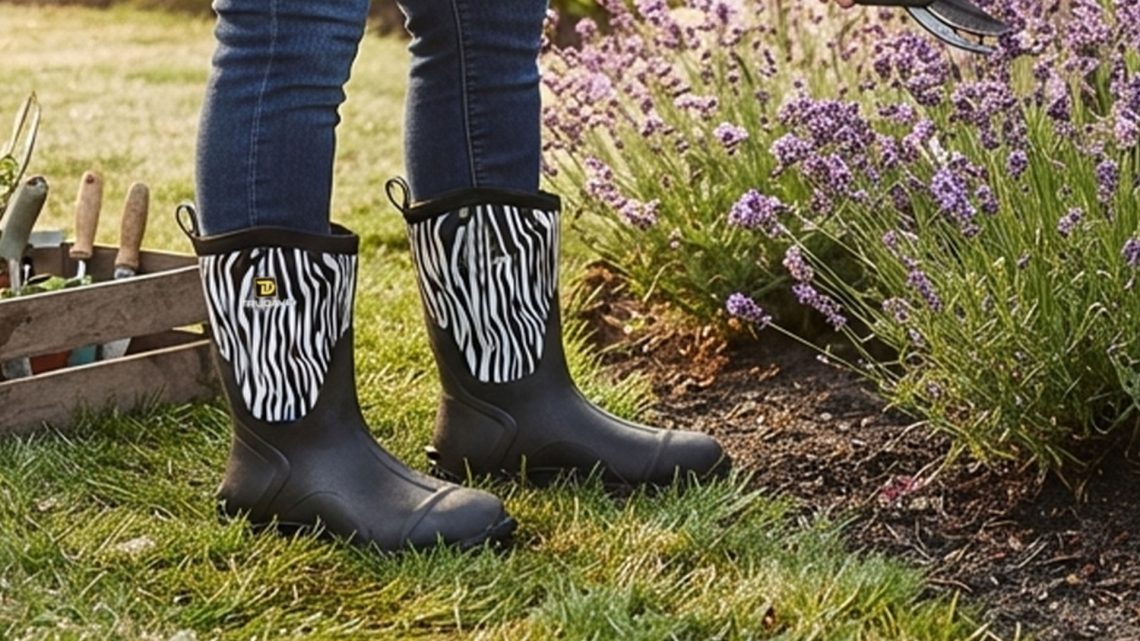
When comparing waterproof construction footwear from brands such as Trudave Gear, evaluate comfort and durability alongside waterproof performance.
Summer Rain Construction Boots
Summer rain creates:
- Heat.
- Humidity.
- Sweat.
- Wet ground.
Good summer boots should provide:
- Lightweight construction.
- Moisture management.
- Flexible materials.
- Non-insulated design.
Heavy boots can increase fatigue during hot weather.
Winter Construction Boots
Cold-weather construction may involve:
- Snow.
- Ice.
- Frozen mud.
- Cold rain.
Winter boots may need:
- Waterproof materials.
- Insulation.
- Snow traction.
- Flexible cold-weather rubber.
Workers should balance warmth with mobility.
Do Construction Workers Need Safety Toe Boots?
Many construction environments require safety footwear.
Safety toes may protect against:
- Dropped materials.
- Tools.
- Equipment.
- Heavy objects.
Options include:
- Steel toe.
- Composite toe.
The correct choice depends on workplace requirements.
Waterproof does not automatically mean safety rated.
Chemical Exposure on Construction Sites
Workers may encounter:
- Concrete additives.
- Cleaning products.
- Fuel.
- Oils.
- Sealants.
- Adhesives.
Waterproof does not automatically mean chemical resistant.
Workers should confirm footwear compatibility with substances they handle.
Follow all workplace safety procedures.
How to Clean Construction Boots
A simple cleaning routine:
- Remove mud and debris.
- Rinse the outside.
- Brush the outsole.
- Remove concrete dust or residue.
- Dry completely.
- Inspect for damage.
Cleaning helps maintain traction and extends boot life.
How to Remove Dried Mud
Dried mud can reduce outsole performance.
Use:
- Water.
- A stiff brush.
- A boot scraper.
- A plastic tool.
Avoid damaging the outsole.
Clean tread before entering vehicles or buildings.
Preventing Boot Odor
Construction boots often experience:
- Sweat.
- Mud.
- Moisture.
- Dust.
Reduce odor by:
- Drying boots completely.
- Removing insoles.
- Wearing moisture-wicking socks.
- Rotating footwear.
- Cleaning regularly.
Common Mistakes When Buying Rain Construction Boots
Choosing Cheap Rain Boots
They may lack support and durability.
Buying Boots Too Large
Loose boots reduce stability.
Ignoring Concrete Comfort
Construction workers spend significant time on hard surfaces.
Choosing Extreme Mud Boots Everywhere
Deep lugs may perform poorly on concrete.
Forgetting Safety Requirements
Always consider job-site hazards.
How to Choose the Best Boots for Construction Work in Rain
Before buying, consider:
- Job-site conditions.
- Amount of outdoor work.
- Mud exposure.
- Concrete time.
- Safety requirements.
- Walking distance.
- Climate.
Compare:
- Waterproofing.
- Traction.
- Comfort.
- Durability.
- Weight.
- Fit.
- Safety features.
For contractors, builders, and outdoor professionals comparing waterproof footwear, Trudave Gear offers boots designed for rain, mud, wet job sites, farms, and demanding outdoor work.
Frequently Asked Questions
What are the best boots for construction work in rain?
The best rain construction boots are waterproof, comfortable, durable, and provide traction across mud, concrete, gravel, and wet surfaces.
Are rubber boots good for construction?
Yes. Rubber boots are excellent for extremely wet conditions, excavation, drainage work, and muddy job sites.
Can waterproof work boots be used every day?
Yes. Many waterproof work boots are designed for daily outdoor work and long shifts.
What tread is best for construction sites?
A balanced tread provides grip on mud while maintaining contact on concrete and equipment surfaces.
How tall should rain construction boots be?
Mid-calf boots are versatile. Tall boots provide more protection for deep mud and standing water.
Final Thoughts
Construction work in rainy conditions requires footwear that can handle mud, concrete, water, equipment, debris, and long working hours.
The best construction boots provide:
- Waterproof protection.
- Reliable traction.
- Comfortable support.
- Durable materials.
- Practical everyday performance.
Rubber boots are ideal for extreme wet conditions.
Waterproof work boots are better for daily construction tasks requiring comfort, support, and versatility.
Trudave Gear offers waterproof outdoor and work boots designed for rain, mud, farms, construction sites, and demanding outdoor environments.
Choosing the right boots helps workers stay comfortable, maintain better footing, and work more confidently in challenging weather conditions.


You May Also Like
Fall Forage Management: Boosting Pasture Productivity Before Winter
Why Early Spring Grass Growth Determines Your Entire Grazing Season