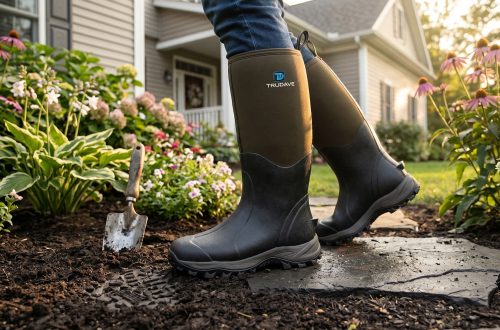
Best Boots for Fish Hatchery and Aquaculture Work: Waterproof Footwear for Wet Floors, Ponds, Tanks, and Long Shifts
Fish hatchery and aquaculture work can be wet from the first minute of the day.
Workers may move between raceways, tanks, ponds, wet concrete, algae-covered walkways, feed rooms, pump stations, grading areas, loading docks, and outdoor mud. A normal shift may include feeding fish, checking oxygen systems, cleaning tanks, moving nets, handling hoses, washing equipment, inspecting pumps, loading feed, and walking along slippery pond edges.
Ordinary shoes are not designed for this environment.
Basic rain boots may keep water out, but many do not provide enough traction, cushioning, heel support, or durability for full-time hatchery and fish-farm work.
The best boots for fish hatchery work should provide dependable waterproof protection, slip-resistant traction, secure heel retention, supportive cushioning, easy-clean materials, and enough durability for wet concrete, mud, algae, fish residue, tools, and long workdays.
This guide explains how to choose practical footwear for fish hatcheries, aquaculture farms, trout farms, catfish ponds, shrimp farms, pond maintenance, tank cleaning, feed handling, and wet agricultural facilities.
Why Fish Hatchery Work Is Hard on Boots
Fish hatcheries and aquaculture facilities expose footwear to constant moisture and mixed surfaces.
Workers may regularly walk across:
- Wet concrete.
- Smooth tank floors.
- Algae-covered walkways.
- Gravel service roads.
- Muddy pond banks.
- Metal grates.
- Wooden docks.
- Plastic flooring.
- Pump-station pads.
- Loading ramps.
- Feed-storage areas.
- Washdown zones.
- Drainage channels.
- Outdoor grass and mud.
A boot that works well in mud may not provide enough surface contact on wet concrete.
A smooth work sole may feel stable indoors but slip near ponds or soft banks.
Good hatchery footwear needs to balance wet-floor grip, mud traction, comfort, waterproofing, and cleanability.
Waterproof Construction Is Essential
Fish-farm workers encounter water throughout the day.
Moisture may come from:
- Tanks.
- Raceways.
- Ponds.
- Hoses.
- Pumps.
- Splashing water.
- Fish handling.
- Rain.
- Mud.
- Cleaning stations.
- Wet nets.
- Drainage channels.
- Equipment washing.
Water-resistant shoes may work for brief exposure, but they are not enough for repeated contact with water.
Fully waterproof rubber or molded boots are usually more practical for fish hatcheries and aquaculture facilities.
Smooth waterproof uppers are also easier to rinse after contact with mud, feed, fish residue, algae, and organic material.
Rubber Boots vs Waterproof Work Boots
Both rubber boots and waterproof work boots can be useful.
The right choice depends on the worker’s main duties.
Rubber Fish Hatchery Boots
Rubber boots are often the most practical choice for wet production areas.
They work well for:
- Tank cleaning.
- Raceway work.
- Pond edges.
- Fish grading.
- Washdown areas.
- Feed and water checks.
- Wet concrete floors.
- Muddy outdoor work.
Benefits include:
- Fully waterproof construction.
- Easy cleaning.
- Fast entry and removal.
- Smooth exterior surfaces.
- Mid-calf and tall shaft options.
- Minimal water absorption.
Possible drawbacks include:
- Less breathability.
- Possible heel movement.
- Less ankle adjustment.
- Heat buildup.
- Limited cushioning in basic models.
Waterproof Lace-Up Work Boots
Waterproof lace-up boots may be better for tasks that require more support and control.
They work well for:
- Equipment maintenance.
- Pump repair.
- Long walking routes.
- Loading feed.
- Driving utility vehicles.
- Working on gravel.
- Facility repairs.
- Dry or mixed conditions.
Benefits include:
- Better ankle support.
- More precise fit.
- Stronger heel retention.
- Better comfort for long walks.
- Better control on uneven ground.
- More protection around tools and machinery.
Many facilities benefit from using rubber boots in wet production zones and waterproof lace-up work boots for maintenance, loading, and outdoor routes.
Choose the Right Boot Height
Boot height matters in aquaculture work.
Ankle-Height Waterproof Boots
Ankle-height boots may work for:
- Dry feed rooms.
- Office-to-facility movement.
- Equipment operation.
- Short inspections.
- Packing rooms.
- Maintenance shops.
They are not ideal for tank cleaning, deep mud, pond edges, or heavy washdown work.
Mid-Calf Waterproof Boots
Mid-calf boots are useful for:
- General hatchery work.
- Wet concrete.
- Feeding.
- Tank checks.
- Moderate washdown tasks.
- Muddy outdoor areas.
- Pond inspections.
This is often the most versatile height for daily fish-farm work.
Tall Rubber Boots
Tall boots are useful for:
- Heavy washdown work.
- Pond edges.
- Deep mud.
- Standing water.
- Drainage channels.
- Outdoor rain.
- High-splash tasks.
- Cleaning raceways or tanks.
Tall boots provide more coverage but add heat and weight.
Choose the lowest height that safely handles normal water exposure.
When Waders Are Needed
Standard boots are not designed for water deeper than the boot opening.
Workers may need hip boots, chest waders, or specialized waterproof gear when working in:
- Deep ponds.
- Raceways with higher water levels.
- Drainage channels.
- Harvest areas.
- Boat-based work.
- Cold-water environments.
Boots should never replace task-specific protective equipment when water depth, current, temperature, or footing creates additional risk.
Best Boots for Wet Concrete Floors
Wet concrete is one of the most common hatchery hazards.
Good boots should provide:
- Flexible rubber outsoles.
- Broad surface contact.
- Slip-resistant tread.
- Moderate tread depth.
- Stable heel support.
- Secure fit.
- Comfortable cushioning.
Extremely deep mud lugs may reduce contact on smooth concrete.
For wet hatchery floors, a balanced outsole is usually better than an aggressive field tread.
Best Boots for Algae-Covered Walkways
Algae can make concrete, wood, docks, and tank edges extremely slippery.
Useful footwear features include:
- Flexible rubber.
- Water-dispersing grooves.
- Broad contact zones.
- Secure heel fit.
- Moderate tread.
- Stable lateral support.
No boot can fully compensate for heavy algae buildup.
Walkways should be cleaned regularly, and workers should move carefully around tanks, ponds, and raceways.
Best Boots for Tank Cleaning
Tank cleaning may expose workers to water, fish residue, cleaning products, hoses, algae, and smooth surfaces.
Suitable boots should provide:
- Fully waterproof construction.
- Tall enough shaft height.
- Easy-clean uppers.
- Slip-resistant tread.
- Secure heel retention.
- Comfortable support.
- Chemical compatibility where required.
Waterproof does not automatically mean chemical resistant.
If disinfectants or cleaning products are used, the footwear material should be compatible with those chemicals.
Best Boots for Raceway Work
Raceways often involve moving water, wet walkways, concrete edges, nets, screens, and tools.
Boots should provide:
- Waterproof protection.
- Slip-resistant outsole design.
- Stable heel support.
- Moderate tread.
- Easy-clean materials.
- Secure ankle and heel fit.
- Good walking comfort.
Workers should avoid loose boots near moving water, grates, and uneven edges.
A boot should move with the foot rather than sliding internally.
Best Boots for Pond Work
Aquaculture ponds create different footwear demands from indoor hatcheries.
Workers may encounter:
- Muddy banks.
- Wet grass.
- Gravel paths.
- Soft pond edges.
- Standing water.
- Drainage areas.
- Nets.
- Feed bags.
- Pumps and hoses.
Suitable boots should provide:
- Waterproof construction.
- Mud-release tread.
- Secure heel retention.
- Durable sidewalls.
- Moderate or tall shafts.
- Comfortable cushioning.
- Stable lateral support.
Deep mud can create suction.
Oversized boots may become difficult to pull free, increasing fatigue and fall risk.
Best Boots for Catfish Farm Work
Catfish farms often involve ponds, mud, feed handling, nets, boats, equipment, and wet loading areas.
Useful boot features include:
- Tall waterproof shafts.
- Strong mud traction.
- Secure heel fit.
- Easy-clean rubber.
- Durable toe areas.
- Supportive insoles.
- Moderate boot weight.
Workers who spend time around boats or metal surfaces should also consider wet hard-surface traction, not only mud performance.
Best Boots for Trout Hatcheries
Trout hatcheries often involve cold water, raceways, wet concrete, tanks, and constant flow systems.
Boots should provide:
- Waterproof construction.
- Slip-resistant wet-floor traction.
- Light insulation when needed.
- Flexible rubber.
- Supportive cushioning.
- Secure heel retention.
- Easy cleaning.
Cold-water environments may require more warmth than the air temperature suggests.
Workers should choose socks and insulation based on time spent near cold water.
Best Boots for Shrimp Farms
Shrimp farms may include ponds, tanks, drainage areas, mud, algae, pumps, nets, and wet processing zones.
Suitable footwear should provide:
- Waterproof construction.
- Mud traction.
- Slip-resistant wet-floor performance.
- Easy-clean uppers.
- Secure heel fit.
- Appropriate shaft height.
- Chemical compatibility where needed.
For deeper pond or harvest work, workers may need waders or other specialized gear.
Best Boots for Feed Handling
Aquaculture feed areas may include pallets, bags, dust, wet floors, forklifts, and loading equipment.
Suitable boots should provide:
- Stable hard-surface traction.
- Supportive cushioning.
- Waterproof uppers.
- Protective toes where required.
- Secure heel fit.
- Moderate tread.
Feed mixed with water can create slippery residue.
Workers should keep walkways clear and clean boot soles regularly.
Best Boots for Pump and Equipment Maintenance
Pump stations and mechanical areas may involve:
- Wet concrete.
- Hoses.
- Motors.
- Tools.
- Oil.
- Fuel.
- Electrical systems.
- Metal platforms.
- Muddy access paths.
Suitable boots should provide:
- Waterproof protection.
- Stable traction.
- Secure ankle support.
- Oil resistance where required.
- Protective toes when needed.
- Good ladder or step contact.
- Puncture resistance where appropriate.
Ordinary waterproof boots are not automatically rated for electrical hazards.
Use task-specific safety footwear when required.
Best Boots for Fish Loading and Transport
Fish loading areas may include wet concrete, tanks, hoses, trucks, ramps, crates, and slippery organic residue.
Suitable footwear should provide:
- Waterproof construction.
- Broad outsole contact.
- Slip-resistant rubber.
- Supportive cushioning.
- Secure heel retention.
- Protective toes where appropriate.
- Easy-clean materials.
Workers should remove mud, algae, and fish residue from the outsole before stepping onto ramps, truck beds, or metal platforms.
Best Boots for Hatchery Workers Standing All Day
Many hatchery workers spend long hours standing on hard wet surfaces.
Comfort depends on:
- Cushioned midsoles.
- Supportive insoles.
- Stable heel cups.
- Enough toe room.
- Moderate boot weight.
- Flexible forefoot movement.
- Moisture management.
Basic rain boots may keep water out but still feel uncomfortable after several hours.
When comparing waterproof work footwear from brands such as Trudave Gear, consider all-day comfort, not only waterproof protection.
Traction on Wet Concrete
Wet concrete requires surface contact and flexible rubber.
Look for:
- Moderate tread.
- Broad outsole contact.
- Water-dispersing channels.
- Stable heel construction.
- Secure fit.
- Slip-resistant design.
Mud, algae, fish residue, feed dust, and cleaning products can reduce traction.
Clean floors and clean outsoles are both important.
Traction on Muddy Pond Banks
Muddy banks require a different type of grip.
Look for:
- Open tread channels.
- Wide lug spacing.
- Defined heel braking.
- Flexible rubber.
- Secure heel retention.
- Waterproof shafts.
Workers should be careful near soft pond edges because soil can collapse or shift unexpectedly.
Traction on Metal Grates and Ramps
Metal grates, ladders, ramps, and truck steps may become slippery when wet.
Suitable boots should provide:
- Stable outsole edges.
- Secure heel fit.
- Moderate sole thickness.
- Flexible rubber.
- Predictable foot placement.
Loose boots can reduce control on narrow steps.
For frequent climbing, supportive lace-up waterproof boots may be better than loose pull-on boots.
Chemical and Disinfectant Compatibility
Fish hatcheries and aquaculture facilities may use:
- Disinfectants.
- Detergents.
- Sanitizers.
- Water-treatment products.
- Cleaning solutions.
- Fuel.
- Oil.
- Equipment fluids.
Waterproof boots are not automatically resistant to all chemicals.
Chemical exposure may cause:
- Cracking.
- Swelling.
- Softening.
- Discoloration.
- Loss of waterproofing.
- Reduced traction.
- Adhesive failure.
Workers should follow product labels, facility procedures, and footwear manufacturer guidance.
Biosecurity and Boot Cleaning
Footwear can move mud, organic matter, pathogens, algae, fish residue, and facility debris between tanks, ponds, raceways, and farms.
Biosecurity procedures may include:
- Dedicated boots for certain areas.
- Boot-wash stations.
- Disinfection points.
- Separate indoor and outdoor footwear.
- Cleaning between facilities.
- Controlled storage.
- Visitor boot covers.
Visible mud and organic matter should be removed before disinfectant is applied.
A dirty boot bath does not guarantee clean footwear.
Easy-Clean Boot Design
Good aquaculture boots should be easy to clean thoroughly.
Useful design features include:
- Smooth waterproof uppers.
- Minimal stitching.
- Limited fabric.
- Open tread channels.
- Removable insoles.
- Rounded exterior surfaces.
- Few decorative overlays.
- Nonabsorbent materials.
Deep narrow grooves, fabric panels, and complex seams may trap organic residue.
Simple construction is usually more practical for wet facility work.
How to Clean Fish Hatchery Boots
A practical cleaning routine:
- Remove mud, algae, and fish residue.
- Rinse the exterior.
- Brush the outsole channels.
- Wash with approved cleaner if needed.
- Disinfect according to facility procedure.
- Inspect for cracks, cuts, and punctures.
- Remove damp insoles when allowed.
- Dry completely with airflow.
- Store boots in the correct clean area.
Regular cleaning helps maintain traction, reduce odor, and support facility hygiene.
How to Remove Algae From Boot Tread
Algae can cling to outsole grooves and reduce traction.
Use:
- Running water.
- A stiff nonmetallic brush.
- Approved cleaning solution.
- A boot scraper.
- Facility wash stations.
Avoid sharp metal tools that may damage the rubber.
Clean algae before entering vehicles, offices, or dry work areas.
How to Prevent Boot Odor
Hatchery boots may develop odor from sweat, stagnant water, fish residue, mud, algae, and incomplete drying.
Reduce odor by:
- Wearing moisture-wicking socks.
- Rinsing boots after wet work.
- Removing insoles after shifts.
- Drying interiors completely.
- Rotating between two pairs.
- Replacing worn footbeds.
- Storing boots in moving air.
- Cleaning organic residue promptly.
Fragrance alone does not solve boot odor.
Moisture and residue must be removed.
How to Dry Waterproof Aquaculture Boots
Waterproof boots can become damp inside from sweat or water entering over the top.
After work:
- Remove insoles when possible.
- Wipe visible moisture.
- Open the shafts.
- Direct airflow inside.
- Use a low-temperature boot dryer when approved.
- Avoid strong direct heat.
High heat can damage rubber, adhesives, insulation, and linings.
Workers using boots daily may benefit from rotating between two pairs.
Summer Aquaculture Boots
Warm-weather aquaculture work can be humid and physically demanding.
Suitable boots should prioritize:
- Uninsulated construction.
- Lightweight materials.
- Removable insoles.
- Moisture-wicking socks.
- Moderate shaft height where possible.
- Quick-drying interiors.
Tall boots may still be necessary in wet production zones, but unnecessary height adds heat and fatigue.
Cold-Weather Hatchery Boots
Cold-water facilities and winter outdoor pond work may require extra warmth.
Cold-weather boots may need:
- Waterproof construction.
- Light or moderate insulation.
- Thick midsoles.
- Flexible low-temperature rubber.
- Room for warm socks.
- Secure heel support.
Choose insulation based on water temperature, air temperature, activity level, and time spent standing.
Do Fish Farm Workers Need Safety-Toe Boots?
Safety-toe boots may be useful around:
- Feed pallets.
- Pumps.
- Tanks.
- Trucks.
- Forklifts.
- Heavy tools.
- Loading equipment.
- Mechanical rooms.
Steel toes provide impact protection but may add weight and transfer cold.
Composite toes may reduce weight and temperature transfer.
The correct choice depends on workplace hazards and employer requirements.
Waterproof footwear is not automatically safety rated.
Common Mistakes When Buying Fish Hatchery Boots
Buying Casual Rain Boots
They may lack traction, support, and professional durability.
Choosing Deep Mud Lugs for Indoor Floors
Aggressive lugs may reduce contact on smooth wet concrete.
Buying Boots Too Large
Oversized boots create heel slip and instability.
Ignoring Algae Traction
Wet algae is one of the most slippery hatchery hazards.
Assuming Waterproof Means Chemical Resistant
Cleaning and disinfecting products may damage ordinary rubber.
Using One Pair Everywhere
Separate boots may be better for different tanks, ponds, or facility zones.
Forgetting All-Day Comfort
Waterproofing alone does not provide support.
Drying Boots With High Heat
Strong heat may crack rubber and damage adhesives.
How to Choose the Best Boots for Fish Hatchery Work
Before buying, consider:
Are workers mainly indoors or outdoors?
Are floors concrete, gravel, mud, or mixed?
How much standing water is present?
Are ponds or raceways involved?
Are tanks cleaned daily?
Are disinfectants used?
Is cold water a major issue?
Are workers handling feed pallets or heavy tools?
Are safety toes required?
Can the insoles be removed and dried?
Then compare:
- Waterproof construction.
- Boot height.
- Wet-floor traction.
- Mud traction.
- Heel retention.
- Cushioning.
- Boot weight.
- Chemical compatibility.
- Safety ratings.
- Ease of cleaning.
For hatchery workers, aquaculture employees, pond managers, and outdoor professionals comparing waterproof footwear, Trudave Gear offers boots designed for wet floors, mud, rain, farms, ponds, and demanding daily work.
Choose footwear according to water exposure, surface type, cleaning procedures, temperature, safety requirements, and number of hours spent on your feet.
Frequently Asked Questions
What are the best boots for fish hatchery work?
The best fish hatchery boots are waterproof, slip resistant on wet concrete, easy to clean, securely fitted, and comfortable for long shifts.
Are rubber boots good for aquaculture work?
Yes. Rubber boots are practical for wet floors, ponds, tanks, raceways, washdown work, and muddy outdoor areas.
What tread is best for wet hatchery floors?
Moderate tread with flexible rubber and broad contact areas usually performs better on wet concrete than very deep mud lugs.
How tall should fish farm boots be?
Mid-calf boots work well for many daily tasks. Tall boots provide more protection around ponds, standing water, heavy washdown, and muddy banks.
Do aquaculture workers need waders?
Waders may be necessary when water is deeper than the boot opening or when workers enter ponds, raceways, or deeper drainage areas.
Are waterproof boots resistant to disinfectants?
Not automatically. Chemical compatibility must be confirmed for the specific disinfectants and cleaners used.
Do fish farm workers need safety-toe boots?
Safety toes may be appropriate around feed pallets, pumps, tanks, forklifts, trucks, tools, and loading equipment.
How do you clean algae from rubber boots?
Rinse the boots and scrub the outsole with a stiff nonmetallic brush using approved cleaning procedures.
Why do hatchery boots smell?
Odor usually comes from sweat, stagnant water, fish residue, mud, algae, and incomplete drying.
How often should hatchery boot insoles be replaced?
Replace insoles when they become flat, damaged, uneven, permanently smelly, difficult to clean, or no longer supportive.
Final Thoughts
Fish hatchery and aquaculture work require footwear that can handle wet concrete, ponds, tanks, raceways, algae, mud, hoses, pumps, feed areas, washdown zones, and long shifts.
The best boots provide dependable waterproof protection, secure heel retention, practical traction, supportive cushioning, manageable weight, and materials that are easy to clean.
Mid-calf rubber boots are a strong choice for daily hatchery work, wet concrete, tank checks, feeding, and routine washdown tasks.
Tall waterproof boots provide more coverage around ponds, muddy banks, drainage areas, heavy cleaning, and high-splash environments.
Supportive waterproof lace-up boots may be better for pump maintenance, loading, equipment work, gravel roads, and long outdoor routes.
Trudave Gear offers waterproof outdoor and work boots designed for wet floors, rain, mud, ponds, farms, and demanding work conditions.
Choose footwear based on water exposure, floor surface, pond conditions, cleaning procedures, temperature, safety requirements, and the number of hours spent on your feet.
Reliable fish hatchery boots should help workers stay drier, maintain better footing, reduce fatigue, and remain more comfortable from the first tank check to the final washdown of the day.


You May Also Like
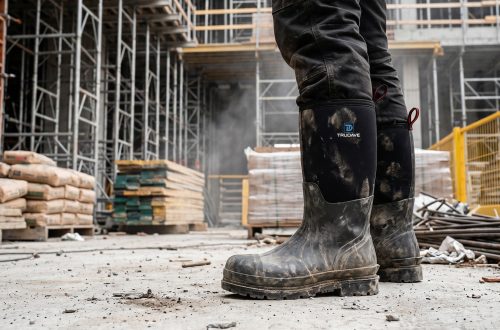
The Rain Boots You’re Buying Are Probably Wrong for Your Life — Here’s How to Fix That

What Cold Nights and Warm Days Mean for Early Pasture Growth