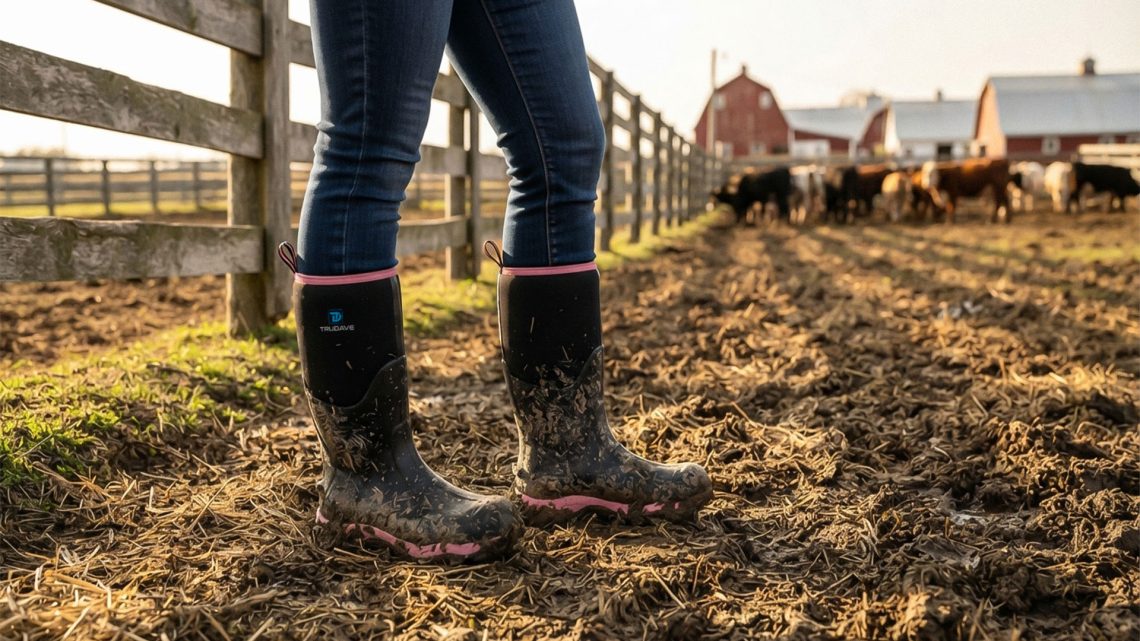
Best Boots for Car Wash Workers and Auto Detailers: Footwear for Wet Concrete, Pressure Washing, Soap, and Long Shifts
A commercial car wash may not look like an extreme work environment, but footwear can stay wet for nearly the entire shift.
Employees move between wash tunnels, detailing bays, pressure-wash areas, vacuum stations, drainage channels, parking lots, equipment rooms, and customer vehicles.
Water is constantly moving across the floor.
Soap and cleaning products may mix with that water.
Vehicles track in mud, road salt, snow, oil residue, and dirt.
During winter, exterior wash areas may also combine cold water with freezing temperatures.
That creates a footwear problem very different from ordinary retail or automotive work.
The best boots for car wash workers should keep water out while remaining comfortable on concrete, stable around slippery wash areas, easy to clean, flexible enough for detailing work, and practical for employees who may spend eight or more hours standing and walking.
Why Car Wash Workers Need More Than Ordinary Waterproof Shoes
A water-resistant shoe may work for occasional splashes.
Car wash employees deal with repeated exposure.
Water may come from:
- Pressure washers.
- Automatic wash equipment.
- Hoses.
- Wheel cleaning.
- Floor rinsing.
- Vehicle runoff.
- Drainage backups.
- Rain and snow.
Even if water never rises above the ankle, hundreds of small splashes can eventually soak ordinary footwear.
Fully waterproof construction is usually much more practical.
The Main Footwear Challenge Is Often the Floor
Many people focus on keeping their feet dry.
Traction is equally important.
Car wash floors may contain combinations of:
- Water.
- Soap.
- Detergent.
- Tire residue.
- Dirt.
- Road film.
- Wax.
- Mud.
- Oil contamination.
A tread designed only for outdoor mud may not provide the best contact on smooth concrete.
For most wash bays, workers should prioritize a sole that maintains broad contact with the floor.
What Type of Outsole Works on Wet Car Wash Concrete?
Useful outsole characteristics often include:
- Flexible rubber.
- Multiple small contact zones.
- Water-dispersing grooves.
- Moderate tread depth.
- Stable heel contact.
Huge agricultural-style lugs may reduce usable floor contact.
The outsole should also be easy to rinse because soap and dirt can collect inside tread channels.
Soap Creates a Different Slip Problem Than Plain Water
Clean water and soapy water do not behave the same way.
Soap can significantly reduce friction.
No ordinary boot makes a soap-covered surface completely slip-proof.
That means footwear should work together with:
- Good drainage.
- Frequent floor cleaning.
- Proper housekeeping.
- Controlled movement.
Workers should not rely on footwear alone.
Boots for Automatic Car Wash Tunnels
Tunnel washes may include:
- Conveyor tracks.
- Wet concrete.
- Equipment frames.
- Brushes.
- Hoses.
- Vehicle movement.
Employees may enter the tunnel to:
- Check equipment.
- Remove debris.
- Clean components.
- Guide vehicles.
- Perform maintenance.
Footwear should provide:
- Waterproof uppers.
- Secure heel fit.
- Moderate outsole thickness.
- Stable wet-floor traction.
- Good flexibility.
Very bulky boots can make movement around tunnel equipment more difficult.
Boots for Hand Car Wash Workers
Hand wash employees may spend nearly the entire shift around water.
Typical tasks include:
- Rinsing vehicles.
- Applying soap.
- Cleaning wheels.
- Pressure washing.
- Drying exterior surfaces.
Mid-calf waterproof boots are often practical because they provide more splash coverage than low-cut footwear without the weight of knee-high boots.
Boots for Pressure Washing
Pressure-wash crews may work around:
- Vehicles.
- Floors.
- wheel wells.
- mats.
- equipment.
Fully waterproof boots are useful, but it is important to understand their limits.
Waterproof footwear does not protect against direct high-pressure spray.
A pressure washer can injure skin through clothing and footwear.
Workers should keep the nozzle directed away from their own feet and follow equipment safety procedures.
Why Knee-High Boots Are Not Always Better
Tall rubber boots provide excellent water protection.
However, car wash workers often need to:
- Squat.
- Kneel.
- Bend.
- Enter vehicles.
- Move quickly between bays.
Very tall stiff boots can interfere with those movements.
For routine wash work, mid-calf waterproof footwear may provide a better balance.
When Tall Rubber Boots Do Make Sense
Knee-high boots can be useful for:
- Heavy floor washdown.
- Flooded drainage areas.
- Truck wash facilities.
- Deep splash zones.
- Severe winter slush.
Employees who only occasionally enter these areas may not need tall boots all day.
Auto Detailing Requires More Flexibility Than Washing
Professional detailing involves much more than spraying water.
Detailers may spend hours:
- Kneeling.
- Squatting.
- Reaching into interiors.
- Polishing paint.
- Cleaning wheels.
- Vacuuming carpets.
- Moving around vehicles.
Footwear should allow natural ankle and forefoot movement.
A rigid industrial rubber boot may become uncomfortable during detailed interior work.
Best Boots for Interior Detailers
Interior-focused detailers may need less shaft height.
Their priorities often include:
- Comfortable cushioning.
- Flexible movement.
- Waterproof lower construction.
- Stable hard-floor traction.
- Lightweight design.
A lower waterproof work boot may be more suitable than a traditional tall rubber boot.
Best Boots for Exterior Detailers
Exterior detailing exposes workers to much more water.
Suitable footwear should provide:
- Waterproof uppers.
- Good wet-floor traction.
- Moderate shaft coverage.
- Easy-clean surfaces.
- Flexible movement.
Employees frequently switching between exterior and interior work need a compromise.
Wheel and Tire Cleaning Is Especially Wet
Wheel cleaning places workers close to the ground.
Water, brake dust, wheel cleaner, and road residue may splash onto footwear.
Smooth waterproof uppers are easier to rinse than fabric-heavy shoes.
Workers should also consider chemical compatibility when using specialty wheel-cleaning products.
Waterproof Does Not Automatically Mean Chemical Resistant
Car wash and detailing businesses may use:
- Alkaline cleaners.
- Acidic wheel cleaners.
- Degreasers.
- Detergents.
- Tire dressings.
- Solvents.
- Disinfectants.
A boot that keeps water out may still be damaged by certain chemicals.
Employees should follow product safety information and workplace PPE procedures.
Boots for Degreasing Work
Engine bays and equipment areas may involve stronger cleaners.
Footwear may need resistance to:
- Degreasers.
- Oil.
- grease.
- automotive fluids.
Check whether the outsole and upper materials are compatible with those substances.
Boots for Car Wash Drainage Areas
Drainage systems collect everything washed from vehicles.
Workers may need to clean:
- Trench drains.
- catch baskets.
- grates.
- settling pits.
- floor channels.
These areas may contain:
- Mud.
- sand.
- leaves.
- road debris.
- soap.
- water.
A more open tread can be useful when employees step into sediment-heavy areas.
Boots for Drain Cleaning
Drain maintenance may require workers to:
- Lift grates.
- remove debris.
- shovel sediment.
- flush channels.
Depending on the equipment involved, safety-toe footwear may be appropriate.
Workers should also be aware of sharp debris.
Hidden Debris Around Car Wash Drains
Drainage systems may collect:
- Screws.
- broken plastic.
- wire.
- metal fragments.
- glass.
A thick-looking rubber sole is not automatically puncture resistant.
Where puncture hazards are significant, appropriately rated footwear should be used.
Boots for Self-Service Car Wash Employees
Self-service wash locations may require staff to move between:
- Wash bays.
- machine rooms.
- parking areas.
- vacuum stations.
- drainage systems.
Workers may spend less time continuously washing cars but more time cleaning and maintaining wet facilities.
A versatile waterproof work boot with moderate tread is often practical.
Boots for Car Wash Equipment Maintenance
Maintenance workers may service:
- Pumps.
- motors.
- conveyors.
- compressors.
- chemical systems.
- dryers.
Their footwear requirements may differ significantly from those of wash attendants.
Useful features may include:
- Safety toes.
- ankle support.
- oil-resistant outsoles.
- waterproof construction.
- good ladder and stair contact.
Pump Room Footwear
Pump rooms may contain:
- Water.
- concrete.
- chemical lines.
- mechanical equipment.
- oil.
Workers need precise foot placement.
A supportive waterproof lace-up work boot may be more practical than a loose pull-on rubber boot.
Electrical Equipment Requires Separate Protection
Car wash systems use significant electrical equipment around wet environments.
Waterproof boots are not automatically electrically protective.
Employees servicing electrical systems should use appropriately rated PPE and follow lockout/tagout and electrical safety procedures.
Boots for Detailing Shop Concrete Floors
Detailing shops may appear dry compared with wash tunnels, but floors still become wet.
Employees also spend many hours standing.
Comfort becomes a major purchasing factor.
Look for footwear with:
- Cushioned midsoles.
- Stable heel support.
- Removable insoles.
- Enough toe room.
- Moderate boot weight.
Hard Floors Can Cause More Fatigue Than Water
A worker may successfully keep their feet completely dry and still finish the day with sore heels and legs.
That often happens because waterproof footwear provides too little cushioning.
Professional car wash employees spend long shifts on concrete.
Support should be considered as important as waterproofing.
Boots for Car Wash Cashiers Who Also Work Outside
Some employees alternate between:
- Customer service.
- Vehicle prep.
- tunnel loading.
- outdoor drying.
They may not want heavy rubber footwear.
A lighter waterproof work boot can provide enough protection while remaining presentable and comfortable indoors.
Boots for Vehicle Prep Stations
Prep attendants may spray:
- Windshields.
- wheels.
- bumpers.
- bugs and road debris.
They often stand directly beside the entrance to an automated wash.
Suitable boots should provide:
- Waterproofing.
- wet-concrete traction.
- low-to-moderate shaft height.
- comfortable standing support.
Boots for Tunnel Loaders
Tunnel loaders repeatedly step around:
- Conveyor tracks.
- guide rails.
- wet floors.
Footwear needs secure fit and precise movement.
Loose boots can feel awkward when employees need to quickly reposition.
Boots for Drying Crews
Drying workers may spend more time outdoors than in wash bays.
They may walk on:
- Wet pavement.
- concrete.
- asphalt.
- parking lots.
A lower waterproof work boot may be more comfortable than tall rubber footwear.
Boots for Vacuum Stations
Vacuum employees frequently move in and out of vehicles.
They need footwear that allows:
- Flexible ankle movement.
- easy stepping.
- good hard-floor traction.
- comfortable kneeling.
Extremely bulky boots are inconvenient inside vehicle interiors.
Boots for Floor Mat Cleaning
Floor mats may be washed using:
- Pressure water.
- extractors.
- cleaning chemicals.
This task can create heavy splash.
A waterproof boot with enough shaft height to stop spray from reaching socks is useful.
Boots for Carpet Extraction Work
Auto detailers may use hot-water extraction equipment.
Waterproof footwear helps when handling:
- Wet carpets.
- hoses.
- extraction machines.
- runoff.
Waterproof does not automatically mean heat resistant, so workers should follow equipment guidance when heated cleaning systems are used.
Boots for Mobile Auto Detailers
Mobile detailers encounter more variety than fixed-location workers.
A single day may involve:
- Residential driveways.
- parking garages.
- gravel.
- grass.
- asphalt.
- concrete.
They need footwear that performs beyond the wash bay.
A lightweight waterproof work boot with moderate mixed-surface tread is often the most versatile choice.
Boots for Gravel Driveways
Mobile detailers working on gravel need more underfoot protection than employees on smooth concrete.
Useful features include:
- Durable outsole rubber.
- supportive midsoles.
- secure heel cups.
- moderate tread.
Thin rain boots can feel harsh on sharp stone.
Boots for Grass and Mud Around Mobile Jobs
Residential detailing may occasionally place workers beside lawns or muddy driveways.
A moderate tread provides enough grip without becoming difficult to clean before entering the vehicle.
Boots for Fleet Washing
Fleet wash crews may clean:
- Delivery vans.
- trucks.
- buses.
- utility vehicles.
- construction equipment.
The working area is usually wetter and dirtier than a standard retail car wash.
Workers may encounter:
- Heavy mud.
- diesel residue.
- grease.
- large hoses.
- deeper runoff.
More rugged waterproof boots may be appropriate.
Boots for Truck Wash Facilities
Commercial truck wash employees may need more shaft coverage because of:
- Larger spray zones.
- muddy chassis.
- heavy road grime.
- deeper wash bays.
Mid-calf or tall rubber boots can be more practical than low shoes.
Tractor-Trailer Wash Work
Truck washing may involve walking around:
- Large tires.
- trailers.
- steps.
- undercarriages.
Footwear should provide stable mixed-surface traction and enough durability for repeated industrial use.
Boots for Bus Wash Workers
Bus wash workers face similar conditions but may spend more time on hard concrete.
Cushioning is especially important during long fleet-cleaning shifts.
Boots for Dealership Detail Departments
Dealership detailers may need footwear that works in both:
- Professional indoor spaces.
- wet exterior cleaning bays.
A cleaner-looking waterproof work boot may be preferable to a traditional heavy rubber farm boot.
Winter Car Wash Work Is Especially Tough
Winter introduces:
- Road salt.
- Snow.
- slush.
- cold water.
- ice.
- freezing concrete.
Employees may remain wet while temperatures drop below freezing.
Footwear may need:
- Waterproof construction.
- cold-flexible outsole rubber.
- moderate insulation.
- thicker midsoles.
- enough room for warm socks.
Slush Can Enter Short Boots Easily
Snow and slush may collect around parking areas and wash entrances.
Low-cut footwear can allow moisture over the collar.
Mid-calf waterproof boots often provide better winter coverage.
Road Salt Should Be Cleaned Off Footwear
Salt can accumulate around:
- Seams.
- outsole edges.
- metal hardware.
- leather.
Workers should rinse boots with fresh water regularly during winter.
Ice Around Wash Bays
Water may freeze near:
- Entrances.
- exterior drying areas.
- drainage outlets.
- parking lots.
No ordinary work boot eliminates ice slip risk.
Facilities may need:
- Deicing.
- surface maintenance.
- approved traction devices.
Summer Car Wash Work Creates the Opposite Problem
Rubber footwear can become hot during warm weather.
Workers should avoid unnecessary insulation.
Summer boots should prioritize:
- Lightweight construction.
- moderate shaft height.
- removable insoles.
- moisture-wicking socks.
- interior drying.
Waterproof Boots Can Still Get Wet Inside
Even when no outside water enters, feet produce perspiration.
During hot shifts, sweat may make the interior damp.
This is why socks and drying practices matter.
Best Socks for Car Wash Workers
Synthetic and wool-blend socks usually perform better than cotton.
Good work socks should:
- Wick moisture.
- Reduce friction.
- Cushion heels.
- Dry quickly.
- Extend above the boot collar.
Heel Retention Matters During Detailing
Detailers constantly change body position.
They may:
- Squat.
- kneel.
- turn.
- step sideways.
- climb into vehicles.
Loose footwear causes the foot to move inside the boot during every motion.
A secure heel improves control and comfort.
Toe Flexibility Matters Too
Detailing requires repeated crouching.
The forefoot should flex naturally.
Very rigid boots can make kneeling and squatting uncomfortable.
Boot Weight Affects an Entire Shift
Workers may take thousands of steps between cars.
Heavy footwear adds fatigue.
Choose enough waterproof protection without automatically choosing the tallest or thickest boot.
Easy-Clean Construction Is a Major Advantage
Car wash boots may collect:
- Soap.
- mud.
- tire residue.
- road salt.
- wheel cleaner.
- wax.
- grease.
Smooth waterproof uppers are much easier to rinse than fabric-heavy footwear.
How to Clean Car Wash Work Boots
A practical routine may include:
- Rinse soap and dirt from the exterior.
- Remove mud from tread channels.
- Check for oily residue.
- Follow chemical-specific cleaning guidance if needed.
- Inspect for cracks.
- Remove damp insoles.
- Allow the boots to dry completely.
Do Not Use Pressure Washers to Clean Boots While Wearing Them
A pressure washer should never be aimed at a worker’s feet.
High-pressure water can cause injury even through footwear.
Clean boots using safer methods after the work is complete.
How to Dry Car Wash Boots
After a wet shift:
- Remove insoles.
- open the shaft or loosen laces.
- wipe visible moisture.
- allow airflow.
A low-temperature boot dryer may help when approved.
Avoid excessive heat, which can damage:
- Rubber.
- adhesives.
- waterproof membranes.
- liners.
Rotating Two Pairs of Boots Can Help
Full-time wash workers may use waterproof footwear every day.
Keeping two pairs allows more drying time between shifts.
This may improve:
- Comfort.
- odor control.
- footbed life.
- overall boot durability.
When Car Wash Work Boots Should Be Replaced
Replace footwear when:
- Water repeatedly enters.
- outsole tread becomes smooth.
- rubber cracks.
- sole separation develops.
- heel support collapses.
- cushioning is badly compressed.
- chemical damage appears.
- wet-floor traction noticeably decreases.
Common Mistakes When Buying Car Wash Boots
Buying Boots Only Because They Are Waterproof
Wet-concrete traction and cushioning matter just as much.
Choosing Farm-Style Mud Boots for Indoor Wash Bays
Extremely deep tread may be unnecessary on concrete.
Buying Boots Too Tall for Detailing Work
Rigid tall shafts can make kneeling difficult.
Choosing Low Shoes for Heavy Splash Areas
Water may enter over the collar.
Ignoring Chemical Compatibility
Detailing chemicals may damage certain materials.
Wearing Loose Boots
Heel movement becomes tiring during constant bending and turning.
Ignoring Winter Slush
Cold-season wash work may require more coverage and insulation.
Using Pressure Washers to Clean Footwear
High-pressure water can cause serious injury.
How to Choose the Best Boots for Car Wash Work
Start with the employee’s actual role.
For wash-bay attendants, prioritize:
- Fully waterproof construction.
- wet-concrete traction.
- moderate shaft height.
- easy cleaning.
- comfortable cushioning.
For auto detailers, prioritize:
- Flexible movement.
- lower weight.
- secure heel fit.
- waterproof lower construction.
- all-day comfort.
For fleet and truck wash crews, prioritize:
- More shaft coverage.
- rugged construction.
- mixed-surface traction.
- chemical compatibility.
For maintenance technicians, prioritize:
- Ankle support.
- safety features.
- oil resistance where required.
- equipment compatibility.
For mobile detailers, prioritize:
- Versatility.
- gravel comfort.
- moderate tread.
- waterproofing.
- lightweight support.
Workers comparing waterproof work footwear from brands such as Trudave Gear should choose boots according to the actual balance of water, soap, concrete, chemicals, mobility, and standing time involved in the job.
Frequently Asked Questions
What are the best boots for car wash workers?
The best car wash boots are fully waterproof, comfortable for long periods on concrete, securely fitted, easy to clean, and equipped with traction suitable for wet and soapy floors.
Are rubber boots good for car wash work?
Yes. Rubber boots work well for wash bays, pressure-washing areas, floor cleaning, truck washes, and other heavily wet tasks.
How tall should car wash boots be?
Mid-calf boots are versatile for most wash work. Taller boots may be better for truck washing, flooded bays, heavy floor washdown, and deep winter slush.
What boots are best for auto detailing?
Lightweight waterproof work boots with flexible forefoot movement, good cushioning, secure heel fit, and moderate hard-floor tread are often practical.
Are deep mud boots good for car wash floors?
Usually not. Very aggressive lugs may provide less useful surface contact on smooth concrete and can trap soap and dirt.
Do car wash workers need slip-resistant boots?
Wet-floor traction is extremely important. Workers should select footwear appropriate for their facility and remember that no outsole eliminates slipping on soap, oil, or ice.
Are waterproof boots resistant to detailing chemicals?
Not automatically. Material compatibility should be checked for the specific degreasers, wheel cleaners, detergents, or solvents used.
Do car wash employees need safety-toe boots?
Some fleet wash, maintenance, equipment, chemical-handling, or industrial wash roles may require safety-toe protection.
What boots are best for winter car wash work?
Waterproof boots with more shaft coverage, cold-flexible outsoles, moderate insulation, and stable slush traction are useful in cold climates.
How should car wash work boots be dried?
Remove the insoles, open the footwear, allow airflow, and use low-temperature drying if approved. Avoid strong direct heat.
Final Thoughts
Commercial car wash and auto detailing work combines constant water exposure with wet concrete, soap, vehicle residue, cleaning chemicals, repetitive bending, long periods of standing, and seasonal weather.
That means the best footwear depends heavily on the employee’s role.
Wash-bay attendants benefit from fully waterproof boots with good hard-floor traction and moderate shaft coverage.
Detailers usually need lighter, more flexible footwear that supports kneeling and movement around vehicle interiors.
Truck and fleet wash employees may need taller and more rugged boots.
Maintenance technicians may require additional safety and chemical-resistance features.
Winter wash crews need protection from cold water, road salt, slush, and freezing surfaces.
Trudave Gear offers waterproof outdoor and work footwear suited to rain, wet concrete, washdown environments, mud, and demanding everyday work.
Choosing footwear according to the actual wash or detailing task can help workers stay drier, maintain better footing, reduce fatigue, and remain more comfortable from the first vehicle of the morning to the final bay cleanup at closing time.


You May Also Like
Best Boots for Beekeeping: Footwear for Apiaries, Wet Grass, Hive Yards, and Honey Harvest

Winter Pest Patrol: Hidden Insects and Rodents You Should Watch For