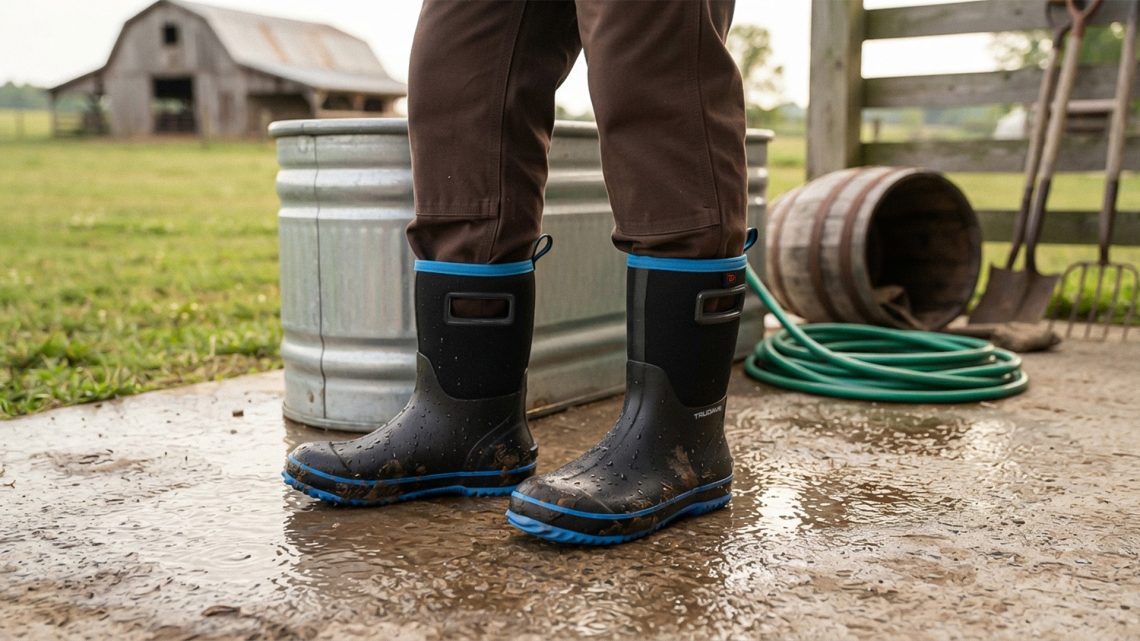
Best Boots for Cemetery Groundskeeping and Graveyard Maintenance
Cemetery maintenance is a quiet job, but it is not an easy one.
Grounds crews may begin before sunrise when every blade of grass is covered with dew, prepare a gravesite before a service, repair irrigation, trim around headstones, move soil, clear leaves, operate utility vehicles, shovel snow, and restore disturbed ground after burial work.
The environment can change several times during a single shift.
Workers may move across:
- Wet lawns.
- Freshly disturbed soil.
- Mud.
- Gravel roads.
- Steep grass slopes.
- Concrete walkways.
- Stone surfaces.
- Excavation areas.
- Leaf-covered paths.
- Snow and slush.
- Equipment sheds.
That makes footwear especially important.
The best boots for cemetery groundskeeping should keep feet dry without becoming unnecessarily heavy, provide stable traction on grass and soft soil, support workers during digging and lifting, and remain comfortable during long periods of walking.
Cemetery Work Is More Physically Demanding Than It Looks
A well-maintained cemetery is designed to appear peaceful and orderly.
That appearance depends on constant behind-the-scenes work.
Grounds crews may perform:
- Mowing.
- Trimming.
- Grave preparation.
- Soil restoration.
- Irrigation repair.
- Tree maintenance.
- Flowerbed care.
- Leaf removal.
- Snow clearing.
- Marker cleaning.
- Funeral setup.
- Equipment maintenance.
Some tasks are similar to landscaping.
Others involve excavation, lifting, uneven terrain, and working around heavy equipment.
One lightweight landscaping shoe is rarely ideal for every responsibility.
Morning Dew Can Soak Shoes Before the Day Really Starts
Cemetery crews often start early.
Grass may remain wet for hours because of:
- Dew.
- Overnight irrigation.
- Rain.
- Shade from trees.
A worker walking between headstones may take thousands of steps through wet vegetation.
Ordinary fabric shoes can become saturated long before the grass dries.
Waterproof boots are especially useful for crews that regularly begin work before sunrise.
Wet Grass Requires Balanced Traction
Deep agricultural tread is not always necessary on cemetery lawns.
Very aggressive lugs may:
- Dig into soft turf.
- collect grass.
- leave deeper impressions.
- feel awkward on walkways.
For routine mowing and groundskeeping, moderate tread is usually more practical.
Useful outsole characteristics include:
- Broad ground contact.
- Flexible rubber.
- Multidirectional grooves.
- Stable heel edges.
- Moderate lug depth.
This provides grip without turning every step into a turf disturbance.
Grave Preparation Changes Footwear Requirements
Grave preparation can involve much more demanding conditions than ordinary lawn maintenance.
Workers may encounter:
- Loose soil.
- Clay.
- Mud.
- Excavation edges.
- Gravel.
- Heavy equipment tracks.
Footwear should provide better stability and support than a basic rain boot.
Useful features include:
- Secure heel retention.
- Strong midsoles.
- Durable uppers.
- Moderate-to-deep tread.
- Waterproof construction.
Freshly Excavated Soil Can Be Unstable
Soil removed from a grave may behave differently depending on local conditions.
It may be:
- Dry and loose.
- Heavy clay.
- Saturated mud.
- Rocky.
- Sandy.
Workers frequently moving around excavation zones need controlled footing.
Loose oversized boots can make this work more tiring.
Best Boots for Clay Cemetery Soil
Wet clay can be extremely sticky.
It may fill narrow outsole grooves and create heavy buildup.
For clay-heavy ground, look for:
- Wider tread channels.
- Simple lug shapes.
- Defined heel edges.
- Flexible rubber.
- Easy-clean construction.
Once the outsole is packed with clay, traction can drop quickly.
Best Boots for Sandy Cemetery Soil
Sandy soil requires a different approach.
Very deep lugs may dig unnecessarily into loose ground.
Broader outsole contact and moderate tread usually provide better walking efficiency.
Grave Digging and Boot Stability
Even when excavation is performed by machinery, grounds crews may still use:
- Shovels.
- Rakes.
- Tampers.
- Hand tools.
Footwear needs to remain stable during pushing and lifting.
A secure heel and supportive midsole can make repetitive digging more comfortable.
Boots for Burial Setup Crews
Before a burial service, workers may prepare:
- Tents.
- Chairs.
- lowering devices.
- mats.
- walkways.
- floral areas.
They may carry equipment across soft grass.
Footwear should provide enough traction without appearing excessively bulky or tracking large amounts of mud into the service area.
A clean, moderate-tread waterproof work boot can be especially practical.
Groundskeeping Boots Should Also Be Presentable
Cemetery employees sometimes work near families and funeral processions.
That creates a practical difference from many industrial jobs.
Boots may need to be:
- Cleanable.
- understated.
- relatively neat in appearance.
- free from large clumps of soil.
Smooth waterproof uppers are easier to rinse and wipe before public-facing duties.
Boots for Headstone Trimming
Grass trimming around markers requires precise movement.
Workers may use:
- String trimmers.
- Edgers.
- Hand tools.
Footwear should provide:
- Secure fit.
- flexible movement.
- ankle stability.
- durable toe areas.
Very loose boots can make precise stepping around monuments more difficult.
Boots Around Stone Markers
Cemetery grounds may include:
- Granite.
- marble.
- concrete bases.
- stone paths.
Wet stone can become slippery.
Moderate tread with good rubber contact is more useful here than deep mud lugs.
Workers should also avoid stepping directly on monuments whenever possible.
Boots for Mausoleum Areas
Mausoleum grounds may contain more hard surfaces.
Workers may walk across:
- Concrete.
- tile.
- stone.
- paved paths.
These workers benefit from:
- Cushioning.
- hard-floor traction.
- moderate tread.
- waterproof uppers.
Tall mud boots are often unnecessary.
Boots for Cemetery Irrigation Repair
Irrigation problems may create localized mud very quickly.
Workers may need to repair:
- Sprinkler heads.
- valves.
- pipes.
- controllers.
This often requires:
- Kneeling.
- digging.
- standing in wet soil.
Flexible mid-calf waterproof boots are especially practical for this work.
Irrigation Mud Can Be Deeper Than It Looks
A broken sprinkler line may saturate soil below the surface.
The top layer can look relatively firm while the ground underneath is soft.
Secure heel retention becomes important because suction may pull loose footwear downward.
Boots for Hand Watering
Some cemeteries maintain flowers, young trees, and landscaped areas manually.
Workers may spend hours around hoses.
Waterproof footwear keeps repeated splash from soaking socks.
Boots for Cemetery Flowerbeds
Flowerbed maintenance may involve:
- Mulch.
- soil.
- irrigation.
- wet plants.
- edging.
A moderate waterproof boot is usually enough.
Extremely aggressive tread can track mulch and dirt onto walkways.
Boots for Tree Maintenance
Many cemeteries contain mature trees.
Grounds crews may handle:
- Fallen branches.
- pruning.
- storm cleanup.
- root zones.
Supportive waterproof lace-up boots are often more practical than loose rubber boots in areas with roots and uneven ground.
Roots Create Hidden Trip Hazards
Older cemeteries can have large exposed roots.
Footwear should provide:
- Secure ankle support.
- stable outsole edges.
- good toe control.
Workers should avoid overly soft unsupported soles in rough tree zones.
Boots for Leaf Cleanup
Autumn can cover cemetery lawns and walkways with wet leaves.
Wet leaves can reduce traction significantly.
Useful outsole features include:
- Broad contact.
- flexible rubber.
- moderate grooves.
- stable heel support.
No ordinary boot completely eliminates slipping on wet leaves.
Boots for Leaf Blower Crews
Leaf blower operators may walk for hours.
Boot weight matters.
A lighter waterproof work boot can reduce fatigue compared with tall heavy rubber footwear.
Boots for Mowing Crews
Cemetery mowing often involves weaving carefully between headstones.
Operators may use:
- Zero-turn mowers.
- Riding mowers.
- Walk-behind mowers.
Footwear should allow precise pedal and control movement.
Bulky knee-high boots may be unnecessary for mowing crews unless conditions are extremely wet.
Boots for Zero-Turn Mower Operators
Useful features include:
- Moderate outsole thickness.
- secure heel fit.
- flexible ankle movement.
- wet-grass traction.
- waterproof uppers.
Workers may frequently step off equipment to move debris or inspect turf.
Boots for Walk-Behind Mowing
Walking crews cover long distances.
The ideal boot should emphasize:
- Lightweight support.
- cushioning.
- flexible forefoot movement.
- waterproof construction.
- moderate tread.
Boots for Utility Cart Drivers
Cemetery crews often use:
- Golf carts.
- UTVs.
- small utility vehicles.
Footwear needs good pedal control and stable entry.
Very tall rubber boots can feel clumsy during repeated driving.
Boots for Backhoe Operators
Grave excavation may involve backhoes or compact excavators.
Operators need:
- Secure heel positioning.
- moderate outsole thickness.
- good pedal control.
- waterproof protection for stepping outside.
Safety-toe footwear may be required depending on workplace rules.
Boots for Mini Excavator Work
Compact machines may require precise foot placement.
Bulky footwear can interfere with controls.
A supportive waterproof work boot is often more practical.
Boots for Soil Compaction Work
After burial, workers may restore disturbed ground.
Tasks may include:
- Backfilling.
- tamping.
- grading.
- reseeding.
Workers may move constantly between loose soil and grass.
A mixed-surface tread is useful.
Boots for Turf Restoration
Restoring a gravesite may involve:
- Topsoil.
- seed.
- sod.
- watering.
- raking.
A moderate outsole is better than extremely deep tread because workers want to avoid excessive disturbance to newly restored turf.
Boots for Sod Installation in Cemeteries
Workers installing sod need waterproof protection for wet soil but also enough flexibility for bending and lifting.
Mid-calf waterproof boots can offer a good compromise.
Boots for Cemetery Drainage Work
Older cemeteries may develop drainage problems.
Workers may need to address:
- Low areas.
- standing water.
- clogged drains.
- ditches.
- eroded slopes.
More aggressive mud traction may be appropriate for these jobs.
Boots for Retention Areas and Ditches
Some cemetery properties include drainage ponds or channels.
Workers may encounter:
- Wet grass.
- mud.
- slopes.
- standing water.
Taller waterproof boots may be useful here.
Boots for Funeral-Day Rain
Rain does not always stop burial services.
Grounds crews may need to continue setup and support in wet conditions.
Footwear should provide:
- Waterproof protection.
- stable grass traction.
- cleanable uppers.
- comfortable standing support.
A boot that performs well in mud but looks completely covered in soil may need cleaning before working directly around attendees.
Boots for Snowy Cemetery Work
Winter operations may include:
- Snow clearing.
- grave preparation.
- pathway maintenance.
- funeral setup.
- ice treatment.
Suitable boots may need:
- Waterproof construction.
- moderate insulation.
- cold-flexible rubber.
- thicker midsoles.
- room for warm socks.
Frozen Ground Changes the Job
When soil freezes, grave preparation and winter maintenance become more equipment-intensive.
Workers may spend more time around:
- Excavators.
- heaters.
- frozen soil.
- snow.
- icy gravel.
Supportive work boots with appropriate winter features become more useful than ordinary rain boots.
Boots for Slush
Slush can soak low-cut footwear quickly.
Mid-calf waterproof boots provide better coverage during:
- Snowmelt.
- salted walkways.
- wet winter funerals.
Ice Requires Additional Traction
No standard rubber boot makes ice safe.
Cemetery crews may need employer-approved:
- Cleats.
- traction aids.
- ice grips.
Footwear should be compatible with these devices when winter conditions require them.
Spring Cemetery Work
Spring can be one of the muddiest seasons.
Common conditions include:
- Snowmelt.
- saturated lawns.
- rain.
- irrigation startup.
- soft gravesites.
This is when taller rubber or waterproof work boots become especially useful.
Summer Cemetery Work
Summer changes the priority.
Workers may face:
- Heat.
- long mowing shifts.
- irrigation.
- morning dew.
Heavy insulated footwear is usually unnecessary.
Look for:
- Uninsulated construction.
- moderate shaft height.
- removable insoles.
- lightweight materials.
Fall Cemetery Work
Fall combines:
- Wet leaves.
- cool mornings.
- rain.
- soil restoration.
- landscaping.
A versatile waterproof boot with moderate tread is especially useful.
Long Walking Distances Matter
Large cemeteries may cover many acres.
Groundskeepers may walk continuously between work zones.
Boot weight and cushioning matter more than maximum protection.
Heavy boots can increase fatigue over thousands of steps.
Heel Fit Is Important on Slopes
Cemetery properties are not always flat.
Workers may cross:
- Hills.
- sloped lawns.
- embankments.
Excessive heel movement can make sidehill walking uncomfortable.
Supportive waterproof lace-up boots may be better for steep properties.
Cushioning Matters on Mixed Surfaces
Workers may spend part of the shift on soft grass and another part on:
- Concrete.
- asphalt.
- gravel.
A good midsole helps absorb impact when moving onto harder ground.
Best Socks for Cemetery Workers
Synthetic or wool-blend socks generally perform better than cotton inside waterproof boots.
Useful characteristics include:
- Moisture wicking.
- heel cushioning.
- fast drying.
- secure fit.
Keeping spare socks may be useful during wet spring shifts.
Removable Insoles Make Daily Drying Easier
Boot interiors can become damp from:
- Sweat.
- rain entering over the collar.
- condensation.
Removable footbeds help footwear dry between shifts.
Easy-Clean Boots Are Especially Useful in Cemetery Work
Grounds crews may move directly from muddy maintenance tasks to public-facing funeral setup.
Smooth uppers allow workers to quickly remove:
- Mud.
- grass.
- soil.
- dust.
This is one situation where easy cleaning affects both practicality and appearance.
Cleaning Cemetery Work Boots
A simple routine may include:
- Remove heavy soil.
- Brush grass from tread.
- Rinse the outsole.
- Wipe waterproof uppers.
- Inspect for damage.
- Remove damp insoles.
- Allow complete drying.
Keeping boots clean also reduces soil transfer into vehicles and buildings.
Grass Can Pack Into Tread
Wet grass mixed with soil may fill outsole channels.
This reduces effective traction.
Workers should periodically remove packed material.
Cleaning Clay From Boots
Clay should be removed before it becomes completely hard.
Use:
- Water.
- A stiff nonmetallic brush.
- A blunt plastic tool.
Avoid sharp tools that may damage the outsole.
Do Cemetery Workers Need Safety-Toe Boots?
Safety toes may be appropriate around:
- Excavators.
- Burial equipment.
- lowering devices.
- stone materials.
- utility vehicles.
- heavy tools.
The correct protection depends on actual workplace hazards.
Monument Work May Require More Protection
Workers who install or move:
- Headstones.
- markers.
- stone bases.
may need footwear with stronger impact protection than general mowing crews.
Puncture Hazards Around Grounds Maintenance
Workers may encounter:
- Nails.
- wire.
- broken tools.
- sharp branches.
- landscaping debris.
A thick outsole does not automatically mean puncture resistant.
Rated footwear should be used where required.
Boots for Marker Installation
Marker installation may involve:
- Concrete bases.
- stone.
- digging.
- lifting equipment.
Supportive safety footwear is often more appropriate than lightweight rain boots.
Chemical Exposure in Cemetery Maintenance
Groundskeeping may involve:
- Herbicides.
- fertilizers.
- cleaning agents.
- fuel.
- equipment fluids.
Waterproof footwear is not automatically chemically resistant.
Workers should follow product labels and workplace PPE requirements.
Boots for Herbicide Application
Footwear should match the specific product label.
Do not assume ordinary rubber rain boots meet every chemical protection requirement.
Boots for Pressure Washing Headstones
Some maintenance crews may use low- or controlled-pressure washing systems for approved cleaning tasks.
Waterproof footwear helps with splash exposure.
However, pressure washers should never be directed toward the worker’s feet.
Boots for Maintenance Buildings
Inside workshops, workers may spend time on concrete around:
- Mowers.
- tools.
- fuel.
- mechanical equipment.
Mechanics may need more protective footwear than grounds crews.
Why One Boot May Not Fit Every Cemetery Role
A large cemetery may employ:
- Mowing crews.
- grave-preparation crews.
- irrigation technicians.
- mechanics.
- monument crews.
- funeral setup teams.
Each group has different footwear needs.
Mowing workers may want light waterproof boots.
Excavation crews may need rugged safety footwear.
Irrigation teams may prefer flexible rubber boots.
Mechanics may need oil-resistant safety boots.
A Practical Boot Setup for Cemetery Groundskeeping
For everyday lawn and maintenance work, prioritize:
- Waterproof construction.
- moderate tread.
- lightweight comfort.
- secure fit.
For grave preparation, prioritize:
- Soil traction.
- stronger support.
- durable uppers.
- safety features where needed.
For irrigation and drainage, prioritize:
- More waterproof shaft coverage.
- mud release.
- flexible movement.
For public-facing funeral setup, prioritize:
- Cleanable construction.
- stable wet-grass traction.
- presentable appearance.
For mechanics, prioritize:
- Safety ratings.
- oil resistance where required.
- hard-floor support.
Workers comparing waterproof outdoor footwear from brands such as Trudave Gear should choose based on the actual combination of wet grass, soil, slopes, machinery, public-facing duties, and seasonal conditions.
Frequently Asked Questions
What are the best boots for cemetery groundskeeping?
The best cemetery groundskeeping boots are waterproof, comfortable for long walking shifts, securely fitted, easy to clean, and equipped with moderate traction for wet grass, mud, slopes, gravel, and maintenance work.
Are rubber boots good for cemetery workers?
Yes. Rubber boots are especially useful for morning dew, irrigation repair, muddy grave preparation, drainage work, rain, and snowmelt.
What boots are best for grave digging?
Supportive waterproof work boots with secure heel retention, durable construction, soil traction, and appropriate safety protection are practical for grave-preparation crews.
How tall should cemetery work boots be?
Mid-calf boots are versatile for most wet groundskeeping tasks. Taller boots are useful for drainage areas, heavy mud, standing water, and snowmelt.
Are deep mud boots good for cemetery mowing?
Usually not. Moderate tread is more practical for maintained lawns, machinery operation, and public-facing areas.
What boots are best for wet cemetery grass?
Lightweight waterproof boots with flexible rubber, broad outsole contact, stable heel support, and moderate tread work well.
Do cemetery workers need safety-toe boots?
Some grave crews, monument installers, mechanics, and equipment workers may require safety-toe footwear.
What boots are best for funeral setup in rain?
Waterproof boots with cleanable uppers, stable wet-grass traction, comfortable support, and a relatively neat appearance are practical.
Are waterproof cemetery boots resistant to herbicides?
Not automatically. Chemical compatibility should be checked for the specific product used.
How should cemetery work boots be cleaned?
Remove soil and grass, rinse tread channels, wipe waterproof uppers, remove damp insoles, and allow the boots to dry completely.
Final Thoughts
Cemetery groundskeeping requires footwear that can move between wet lawns, fresh soil, gravesites, irrigation mud, slopes, headstones, utility vehicles, concrete walkways, leaf-covered ground, snow, and public-facing funeral areas.
The best choice depends on the worker’s role.
Mowing and general grounds crews usually benefit from lightweight waterproof boots with moderate turf-friendly tread.
Grave-preparation crews need more support, stronger soil traction, and potentially additional safety features.
Irrigation workers may prefer flexible mid-calf rubber boots.
Monument and equipment crews may need more protective work footwear.
Winter crews need better slush protection, insulation, and compatibility with ice traction devices.
Trudave Gear offers waterproof outdoor and work footwear suited to wet grass, rain, mud, landscaping, maintenance, and demanding outdoor environments.
Choosing footwear according to the actual cemetery task can help workers stay drier, move more confidently, reduce fatigue, and remain comfortable from the first dew-covered morning inspection to the final grounds check after the last service of the day.


You May Also Like
Best Boots for Goat Farm Work: Waterproof Footwear for Mud, Hills, Fencing, and Daily Livestock Care
Knee-Deep in Spring: Why Trudave Gear Tall Boots Are the Ultimate Gardening Companion