Best Boots for Cranberry Farms and Bog Harvest Work
Cranberry farming creates a working environment unlike almost any other type of agriculture.
During much of the year, workers maintain vines, irrigation systems, ditches, pumps, frost-protection equipment, roads, and drainage structures.
Then harvest season changes the landscape completely.
Many commercial cranberry growers flood the beds so ripe berries can be loosened from the vines and collected from the water.
Workers may spend long hours around:
- Flooded cranberry beds.
- Cold standing water.
- Mud.
- Peat.
- Sand.
- Irrigation channels.
- Pump stations.
- Wet grass.
- Gravel roads.
- Harvest equipment.
- Loading areas.
- Autumn rain.
That makes waterproof footwear more than a convenience.
The best boots for cranberry farm work need to keep water out, remain secure in soft ground, provide enough height for wet harvest conditions, and stay comfortable during long seasonal shifts.
Why Cranberry Farming Creates Unique Footwear Demands
Cranberry production combines several very different working surfaces.
A worker may move from:
- Dry gravel roads.
- Sandy beds.
- Wet vines.
- Muddy ditch banks.
- Flooded harvest areas.
- Concrete pump stations.
during a single shift.
This means footwear needs to work both in water and on land.
A boot designed only for hard floors may struggle in bog mud.
A heavy deep-mud boot may feel unnecessarily bulky on equipment and gravel roads.
The best option depends on the worker’s actual role.
Waterproofing Is Essential During Wet Harvest
During flooded harvest, water may surround the worker for long periods.
Ordinary waterproof shoes are rarely enough.
Workers may need:
- Mid-calf rubber boots.
- Knee-high rubber boots.
- Hip boots.
- Waders.
depending on water depth.
The key is matching footwear height to the actual conditions rather than trying to use standard work boots beyond their intended water level.
When Knee-High Rubber Boots Work Best
Knee-high boots are useful for:
- Shallow flooded beds.
- Ditch work.
- Pump maintenance.
- Wet berry collection areas.
- Heavy autumn rain.
They provide more protection than mid-height footwear while remaining easier to move in than full waders.
When Waders Make More Sense
If workers regularly enter water above knee height, waders may be more appropriate.
They may be used during:
- Berry corralling.
- Flood management.
- Certain harvest tasks.
- Ditch or channel work.
Standard boots should not be used when water regularly rises above the shaft.
Flooded Cranberry Beds Are Not Flat Swimming Pools
A flooded bed may still contain:
- Vines.
- uneven soil.
- soft spots.
- drainage structures.
- hidden channels.
Workers need careful footing even when the water appears calm.
Secure footwear is essential.
Mud Suction Can Be Strong Underwater
Soft organic soil can grip boots.
Loose footwear may partially pull off the heel with each step.
This creates:
- Extra fatigue.
- friction.
- unstable movement.
- risk of losing the boot in deep mud.
A secure heel fit is especially important.
Boots for Berry Corralling Crews
After berries are loosened and float to the surface, workers may use booms to gather them into concentrated areas.
This work may involve long periods in or beside water.
Suitable footwear should provide:
- Full waterproof protection.
- enough shaft height.
- secure heel retention.
- flexible movement.
- manageable weight.
Why Boot Weight Matters During Wet Harvest
Water adds resistance to every step.
Heavy footwear increases effort even more.
Workers who spend hours moving through shallow flooded beds benefit from boots that provide enough protection without excessive bulk.
Boots for Cranberry Beater or Harvester Crews
Wet harvesting may involve mechanical equipment that loosens berries from the vines.
Support workers may move around:
- Machines.
- flooded beds.
- access roads.
- water-control structures.
Footwear should provide stable mixed-surface traction and good fit.
Equipment Operators Need Different Boots
Workers driving harvest equipment may not want tall heavy rubber boots if most of their shift is spent on machinery.
They often benefit from:
- Moderate outsole thickness.
- secure heel fit.
- waterproof construction.
- good pedal control.
Boots for Dry-Harvest Cranberry Farms
Not all cranberries are wet harvested.
Some fruit intended for fresh-market sales may be harvested dry.
Workers may move across:
- Damp vines.
- sandy beds.
- grass.
- equipment lanes.
Mid-height waterproof work boots may be more practical than tall rubber boots.
Wet Vines Can Soak Footwear Quickly
Even when a field is not flooded, cranberry vines may hold moisture from:
- Dew.
- irrigation.
- rain.
Low-cut footwear can become wet quickly.
Waterproof boots offer more reliable protection.
Boots for Sandy Cranberry Beds
Many cranberry beds contain sandy soil.
Sand behaves differently from heavy clay.
Extremely deep lugs may dig more than necessary.
Workers often benefit from:
- Broad outsole contact.
- moderate tread.
- lightweight construction.
Boots for Peat-Based Soils
Peaty ground can become very soft when saturated.
Secure heel retention and wider outsole support may improve stability.
Boots for Irrigation Ditch Work
Cranberry farms rely heavily on water management.
Workers may inspect:
- Ditches.
- canals.
- culverts.
- gates.
- pumps.
These areas may be:
- Muddy.
- wet.
- sloped.
Mid-calf or knee-high waterproof boots are useful.
Ditch Banks Require Lateral Stability
Workers may walk along narrow sloped banks.
Loose rubber boots can feel unstable.
For jobs involving more walking than standing in water, supportive waterproof lace-up boots may provide better ankle control.
Boots for Pump Station Work
Pumps are critical to cranberry production.
Workers may service equipment used for:
- Irrigation.
- flooding.
- drainage.
- frost protection.
Pump areas may combine:
- Concrete.
- mud.
- water.
- mechanical equipment.
A supportive waterproof work boot is often better than a simple rain boot for maintenance technicians.
Pump Maintenance May Require Safety Footwear
Workers handling heavy pumps, motors, or parts may need:
- Safety toes.
- stronger ankle support.
- durable outsoles.
The correct protection depends on workplace hazards.
Boots for Flood-Control Structures
Cranberry operations may use gates, flumes, and control structures to manage water levels.
Workers may step on:
- Wet wood.
- concrete.
- metal.
- mud.
A balanced outsole is more useful than tread designed only for deep soil.
Wet Wood Can Be Slippery
Water-control structures may include wooden surfaces.
Workers should keep tread clean and avoid carrying heavy mud onto platforms.
Broad rubber contact can improve stability.
Boots for Frost-Protection Work
Cranberry vines can be vulnerable to frost.
Growers may use irrigation systems for frost protection.
Workers may need to inspect or repair equipment during cold nighttime conditions.
Suitable footwear may require:
- Waterproof construction.
- moderate insulation.
- cold-flexible rubber.
- thicker midsoles.
Night Work Changes Comfort Needs
Frost-protection crews may work:
- Before sunrise.
- Late at night.
- In cold wet conditions.
Boots should provide enough warmth without becoming overly heavy.
Boots for Spring Frost Season
Spring conditions may combine:
- Cold rain.
- wet vegetation.
- soft soil.
Mid-height waterproof boots are especially useful.
Boots for Fall Harvest
Cranberry harvest often occurs in cool weather.
Workers may experience:
- Cold water.
- wind.
- rain.
- long outdoor shifts.
Underfoot insulation and warm socks can improve comfort.
Cold Water Changes How Feet Feel
A thin rubber boot may stop water but still allow cold to transfer through the sole and upper.
Useful features include:
- Thicker midsoles.
- insulated footbeds.
- cold-flexible rubber.
- room for suitable socks.
Too Much Insulation Can Still Be a Problem
Workers actively moving through flooded beds may generate significant body heat.
Over-insulated footwear can cause sweat.
Choose warmth according to:
- Water temperature.
- air temperature.
- activity level.
- shift length.
Boots for Cranberry Farm Roads
Cranberry farms may include long gravel access roads.
Workers may walk between beds, pump stations, and equipment areas.
Thin rubber boots can become uncomfortable on rough stone.
Supportive midsoles are important.
Gravel Can Wear Soft Outsoles
Repeated walking on crushed stone can accelerate outsole wear.
Durable work-grade rubber is preferable for employees spending significant time on service roads.
Boots for Loading Areas
Harvested berries may be transferred to:
- Trucks.
- bins.
- processing systems.
Workers may move between wet harvest zones and harder loading surfaces.
Footwear should provide stable contact on:
- Concrete.
- metal.
- gravel.
Boots for Berry Receiving Areas
Receiving areas may contain:
- Water.
- berries.
- leaves.
- plant debris.
Simple tread is easier to clean.
Cranberries on the Ground Can Reduce Traction
Loose berries may roll or crush underfoot.
No footwear can compensate for poor housekeeping.
Workers should keep walkways clear.
Boots for Sorting and Processing Support
Some farms perform initial cleaning or sorting near the harvest site.
Workers may spend more time on hard floors.
Cushioning becomes more important than deep mud traction.
Boots for Farm Utility Vehicles
Workers may use:
- UTVs.
- ATVs.
- tractors.
- pickup trucks.
Footwear should allow:
- Pedal control.
- secure heel positioning.
- easy entry and exit.
Very tall rubber boots may feel bulky.
Boots for Tractor Operators
Tractor drivers may spend much of the shift seated but still step into wet fields.
A mid-height waterproof work boot can provide a better balance than knee-high boots.
Boots for Harvest Truck Drivers
Drivers may move between:
- Roadways.
- loading areas.
- wet fields.
Mixed-surface waterproof footwear is practical.
Boots for Cranberry Bed Renovation
Older beds may be renovated or resurfaced.
Workers may handle:
- Sand.
- soil.
- irrigation lines.
- grading equipment.
This work may require more rugged footwear than harvest tasks.
Boots for Sanding Operations
Some growers apply sand over beds as part of management practices.
Workers may walk across loose surfaces.
Broad outsole contact and stable heel support are useful.
Boots for Vine Maintenance
Outside harvest season, crews may perform:
- Pruning.
- weed control.
- irrigation maintenance.
- scouting.
Lighter waterproof work boots may be more comfortable than tall harvest boots.
Boots for Weed Control
Vegetation management may involve:
- Hand tools.
- mowing.
- chemical applications.
Footwear for chemical use must follow product-label PPE requirements.
Waterproof Does Not Mean Chemical Resistant
A rubber boot suitable for water may not be suitable for every:
- Herbicide.
- pesticide.
- fertilizer.
Always follow the specific label.
Boots for Fertilizer Work
Cranberry farms may use specialized nutrient programs.
Workers should select PPE according to the actual material being applied.
Boots for Pest Scouting
Scouts may walk long distances across beds.
They should prioritize:
- Low weight.
- secure fit.
- waterproof protection.
- cushioning.
Boots for Bee and Pollination Support
Cranberry farms may use managed bees during bloom.
Workers moving around hive areas should wear appropriate protective equipment.
Boot selection should support stable walking without interfering with other PPE.
Boots for Wet Spring Work
Spring cranberry fields may remain soft.
Workers may deal with:
- Rain.
- standing water.
- muddy access lanes.
Mid-calf rubber boots are especially practical.
Boots for Summer Cranberry Work
Summer can be hot.
Heavy insulated harvest boots are usually unnecessary.
Workers should prioritize:
- Lightweight construction.
- minimal insulation.
- moisture-wicking socks.
- removable insoles.
Boots for Winter Bed Maintenance
In colder regions, farms may perform winter maintenance around frozen or snow-covered beds.
Workers may need:
- Waterproof insulated boots.
- cold-flexible outsoles.
- appropriate traction.
Ice Requires Separate Traction Measures
No standard rubber boot makes ice completely safe.
Farm crews may need approved traction devices depending on conditions.
Boot Height Should Match Water Depth
This sounds obvious, but it is one of the most important decisions.
If workers are repeatedly reaching the top of their boot shafts, they probably need taller footwear.
Using boots too short for the water depth leads to wet socks and uncomfortable shifts.
Do Not Fold Tall Boot Shafts Down in Wet Work
Folding shafts reduces effective water protection.
Workers should select a height they can comfortably wear as designed.
Boot Fit Matters More in Water Than on Dry Ground
Water and mud increase drag.
Loose footwear becomes much more noticeable.
A properly fitted heel reduces wasted movement.
Toe Room Still Matters
Workers may need:
- Thick socks.
- longer shifts.
- cold-weather comfort.
Boots should secure the heel without squeezing the toes.
Best Socks for Cranberry Farm Workers
Wool-blend and synthetic socks generally perform better than cotton.
Useful features include:
- Moisture management.
- warmth.
- heel cushioning.
- quick drying.
Spare Socks Can Be Valuable During Harvest
If water enters over the boot collar, changing into dry socks can significantly improve comfort.
Removable Insoles Are Useful
Removable footbeds allow workers to:
- Dry boots faster.
- replace worn cushioning.
- improve underfoot warmth.
- control odor.
Waterproof Boots Can Still Become Damp From Sweat
Even without leaks, active harvest workers may produce substantial perspiration.
Drying boots between shifts is important.
How to Clean Cranberry Harvest Boots
A practical routine may include:
- Remove vines and leaves.
- Rinse mud and berry residue.
- Brush tread channels.
- Inspect for cuts.
- Remove damp insoles.
- Allow footwear to dry fully.
Berry Residue Should Be Removed From Tread
Crushed fruit and plant debris can collect in outsole grooves.
Keeping tread clean improves both hygiene and traction.
Sand Should Be Rinsed From Boot Seams
Fine sand may work into:
- Outsole edges.
- seams.
- tread grooves.
Regular cleaning helps reduce abrasive buildup.
How to Dry Cranberry Farm Boots
After wet shifts:
- Remove insoles.
- open the boot.
- allow airflow.
- use low-temperature drying if approved.
Avoid strong direct heat.
Why Rotating Boots Helps During Harvest
Cranberry harvest can involve consecutive wet days.
Rotating between two pairs gives each pair more time to dry.
When Cranberry Work Boots Should Be Replaced
Replace footwear when:
- Leaks develop.
- rubber cracks.
- tread becomes badly worn.
- heel support collapses.
- outsole separation appears.
- puncture damage develops.
- cushioning becomes ineffective.
Do Cranberry Farm Workers Need Safety-Toe Boots?
Some roles may require safety-toe footwear around:
- Pumps.
- loading systems.
- machinery.
- bins.
- maintenance equipment.
Routine flooded-field crews may have different requirements.
Puncture Hazards Around Farms
Workers may encounter:
- Wire.
- damaged equipment.
- sharp plant stakes.
- metal hardware.
A normal rubber outsole is not automatically puncture resistant.
Common Mistakes When Buying Cranberry Farm Boots
Choosing Boots Too Short for Harvest Water
Water over the collar defeats the purpose of waterproof footwear.
Buying Oversized Rubber Boots
Mud suction makes poor fit much worse.
Wearing Heavy Tall Boots for Machinery Operation
Pedal control may suffer.
Ignoring Cold Water
Waterproofing does not automatically provide warmth.
Choosing Deep Mud Tread for Gravel-Heavy Roles
Operators and maintenance crews may benefit from more balanced soles.
Assuming Waterproof Means Chemical Resistant
Crop-protection products require specific PPE.
Wearing Thin Casual Rain Boots for Long Harvest Shifts
They may lack enough cushioning and support.
Failing to Dry Boots Between Wet Workdays
Internal moisture reduces comfort.
How to Choose the Best Boots for Cranberry Farm Work
Start with the worker’s primary job.
For wet-harvest crews, prioritize:
- Appropriate shaft height.
- full waterproofing.
- secure heel fit.
- manageable weight.
- cold-water comfort.
For ditch and irrigation crews, prioritize:
- Mud traction.
- additional shaft coverage.
- stable slope support.
For machinery operators, prioritize:
- Pedal control.
- moderate outsole thickness.
- waterproof protection.
For pump technicians, prioritize:
- Support.
- hard-surface traction.
- safety features where required.
For dry-harvest crews, prioritize:
- Walking comfort.
- moderate tread.
- wet-vine protection.
For winter or frost crews, prioritize:
- Appropriate insulation.
- cold-flexible outsole materials.
- moisture management.
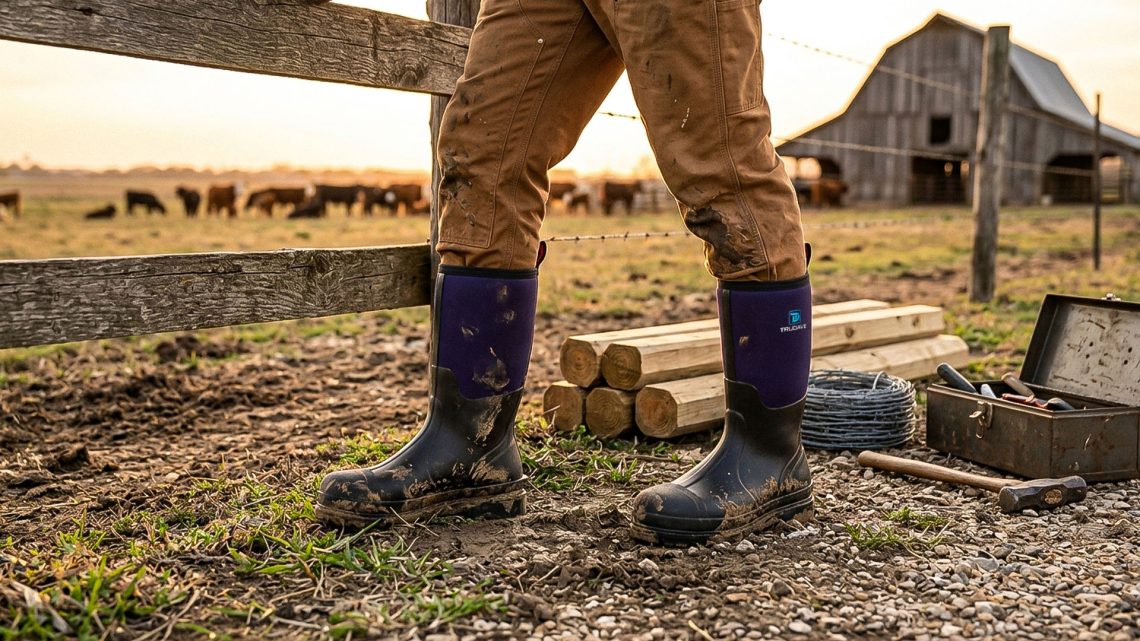
Workers comparing waterproof footwear from brands such as Trudave Gear should choose boots based on the actual combination of flooded beds, mud, sand, cold water, irrigation work, machinery, and long harvest shifts involved in their job.
Frequently Asked Questions
What are the best boots for cranberry farm work?
The best cranberry farm boots are fully waterproof, securely fitted, comfortable for long shifts, and tall enough for the water or mud workers regularly encounter.
Are rubber boots good for cranberry harvesting?
Yes. Rubber boots are especially practical for flooded beds, irrigation work, muddy harvest areas, cold fall rain, and wet berry handling.
How tall should cranberry harvest boots be?
Knee-high boots work well for many shallow flooded areas. Deeper water may require hip boots or waders.
What boots are best for flooded cranberry fields?
Waterproof boots with enough shaft height, secure heel retention, flexible construction, and manageable weight are practical.
Are deep mud boots good for cranberry farms?
They can be useful in muddy ditch and field areas, but workers on gravel roads or machinery may prefer more moderate tread.
Do cranberry farm workers need insulated boots?
Cold-weather harvest workers may benefit from moderate insulation or insulated footbeds, especially when standing in cold water.
What boots are best for cranberry irrigation crews?
Waterproof mid-calf or knee-high boots with good mud traction, secure heel fit, and stable support work well.
When should cranberry workers wear waders?
Waders are more appropriate when workers regularly enter water deeper than the shaft of standard boots.
Are waterproof cranberry boots suitable for pesticide work?
Not automatically. Workers should follow the PPE requirements on the specific product label.
How should cranberry harvest boots be cleaned?
Remove vines and berry residue, rinse mud and sand, brush tread channels, inspect for damage, and allow the boots to dry completely.
Final Thoughts
Cranberry farming combines flooded harvest beds, cold water, mud, sand, wet vines, irrigation ditches, gravel roads, pumps, machinery, and long seasonal shifts.
The best footwear depends on the worker’s role.
Wet-harvest crews need tall waterproof boots or waders that match actual water depth.
Irrigation workers need strong mud performance and stable footing around ditch banks.
Equipment operators need better pedal control.
Pump technicians need more structured support.
Dry-harvest and scouting crews benefit from lighter waterproof footwear designed for long walking distances.
Trudave Gear offers waterproof outdoor and work footwear suited to rain, mud, wet fields, agriculture, cold-weather conditions, and demanding outdoor work.
Choosing footwear according to the actual cranberry-farm task can help workers stay drier, reduce fatigue, maintain better footing, and remain more comfortable from the first pre-dawn pump check to the final floating berries collected at the end of harvest.


You May Also Like
Why Your Forage Quality Drops Faster Than Your Cattle Can Adapt
Fall Garden Gold: Cool-Season Crops Every Homesteader Should Plant