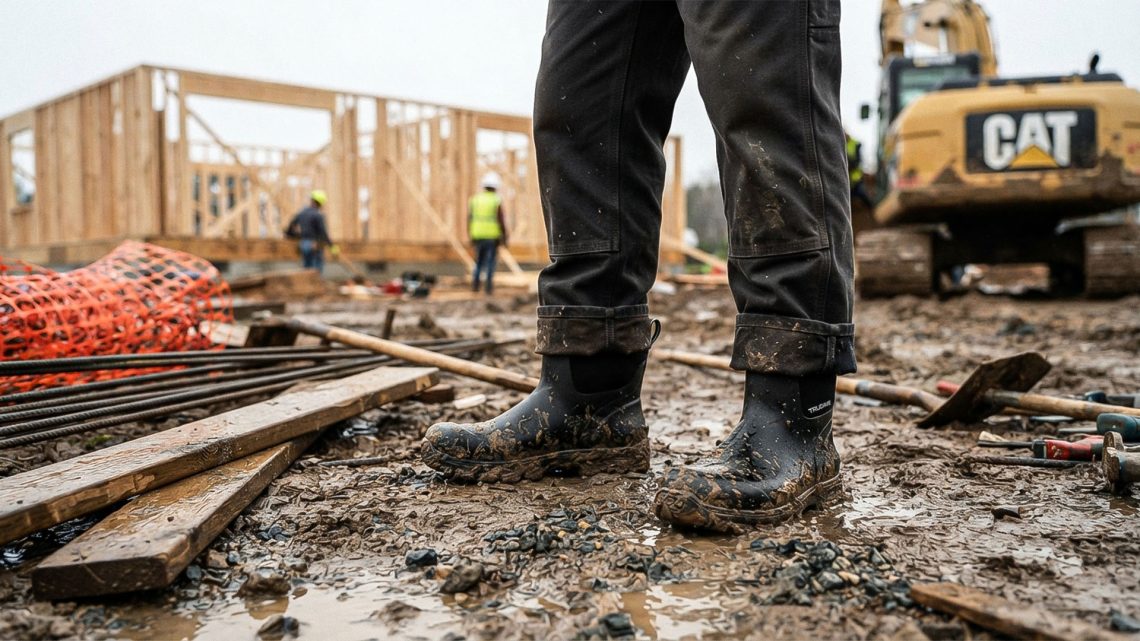
Best Boots for Cemetery Groundskeeping and Maintenance
Cemetery groundskeeping combines landscaping, excavation, equipment operation, monument care, irrigation maintenance, funeral preparation, and year-round outdoor work.
Although cemeteries are designed to look quiet and carefully maintained, grounds crews may work through some challenging conditions behind the scenes.
A normal day can involve:
- Dew-covered grass.
- Mud.
- Grave excavation.
- Gravel roads.
- Irrigation water.
- Wet leaves.
- Standing water.
- Monument cleaning.
- Equipment operation.
- Rain.
- Snow.
- Slush.
That makes footwear an important part of daily cemetery maintenance.
The best boots for cemetery groundskeeping should keep feet dry, provide stable traction on wet grass and soil, remain comfortable during long walking shifts, and offer enough support for digging, machinery operation, lifting, and maintenance work.
Cemetery Groundskeepers Spend Much of the Day Walking
Cemeteries may cover dozens or even hundreds of acres.
Grounds employees may walk continuously between:
- Burial sections.
- Roads.
- Maintenance buildings.
- Irrigation systems.
- Monuments.
- Landscaping areas.
That means boot weight matters.
Heavy footwear may provide strong protection, but unnecessary bulk increases fatigue over a full shift.
The ideal cemetery boot should balance durability with walking comfort.
Morning Dew Can Soak Footwear Quickly
Groundskeeping often starts early.
Grass may be heavily covered with dew before sunrise.
Workers walking through cemetery sections can soak ordinary shoes even when no rain has fallen.
Waterproof boots help keep socks dry during early mowing, inspection, and funeral preparation.
Mid-Height Boots Work Well for Routine Groundskeeping
Mid-height waterproof boots provide:
- Wet-grass protection.
- Ankle support.
- Moderate mud coverage.
- Manageable weight.
They are often more practical than knee-high rubber boots for daily work.
When Taller Rubber Boots Make Sense
Mid-calf or knee-high boots may be useful during:
- Heavy rain.
- Deep mud.
- Grave excavation.
- Drainage work.
- Snowmelt.
- Flooded sections.
For normal mowing and walking, however, extremely tall boots can add unnecessary weight.
Boots for Grave Excavation Crews
Opening burial sites is one of the most demanding cemetery jobs.
Workers may deal with:
- Soil.
- Clay.
- Mud.
- Gravel.
- Excavation equipment.
- Shovels.
- Heavy lowering equipment.
Footwear should provide strong support and appropriate job-site protection.
Grave Digging Requires More Than Waterproofing
Workers may need:
- Safety toes.
- Puncture protection.
- Strong midsoles.
- Ankle support.
- Durable uppers.
The correct protective level depends on equipment and workplace procedures.
Boots for Wet Excavation
Rain can make excavation areas muddy very quickly.
Useful outsole features include:
- Open tread channels.
- Moderate-to-deep lugs.
- Defined heel edges.
- Flexible rubber.
Clay Soil Can Pack Into Boot Tread
Many burial grounds contain heavy clay.
Wet clay can completely fill narrow tread channels.
Once packed, boots become:
- Heavier.
- Smoother.
- Harder to clean.
Wider tread spacing is usually easier to maintain.
Boots for Sandy Cemetery Soil
Some cemeteries have sandy or well-drained soil.
Workers may need less aggressive tread.
Broad outsole contact and supportive midsoles may be more useful.
Boots for Shovel Work
Manual digging may still be required around:
- Grave edges.
- Irrigation.
- Monument foundations.
- Landscaping.
A strong midsole helps when repeatedly pressing down on a shovel.
Thin recreational rain boots may become uncomfortable.
Boots for Backhoe Operators
Cemeteries frequently use compact excavators or backhoes.
Operators need footwear that works both:
- Inside machinery.
- On muddy ground.
Very tall rubber boots may interfere with pedal comfort.
A supportive waterproof work boot is often more practical.
Boots for Mini Excavator Operators
Operators repeatedly enter and exit equipment.
Useful footwear should provide:
- Secure heel fit.
- Moderate outsole thickness.
- Mud traction.
- Stable machine-step contact.
Boots for Grave-Lowering Equipment Crews
Workers may handle:
- Platforms.
- Straps.
- Lowering devices.
- Metal components.
Safety-rated footwear may be appropriate.
Boots for Funeral Setup Crews
Grounds teams may prepare areas before burial services.
Tasks can include:
- Installing tents.
- Arranging chairs.
- Placing mats.
- Preparing walkways.
Workers may need to move quickly while avoiding damage to turf.
Deep Lugs Can Damage Soft Cemetery Turf
Aggressive agricultural tread may leave visible marks in wet grass.
For funeral setup, moderate turf-friendly tread is often better.
Boots for Tent Setup
Canopy and funeral tents may involve:
- Stakes.
- Frames.
- Heavy components.
Protective-toe and puncture considerations may apply.
Boots for Chair and Equipment Setup
Workers carrying multiple chairs need stable footing.
Secure heel retention improves balance when both hands are occupied.
Boots for Wet Funeral Days
Services may continue during:
- Light rain.
- Cold drizzle.
- Wet grass.
Waterproof boots with a clean appearance can help grounds staff remain comfortable while working around visitors.
Public-Facing Appearance Matters
Cemetery employees may interact with:
- Families.
- Funeral directors.
- Visitors.
Footwear should be practical while remaining easy to clean.
Smooth waterproof uppers work well.
Boots for Cemetery Mowing Crews
Large cemeteries require extensive mowing.
Workers may use:
- Zero-turn mowers.
- Tractors.
- Walk-behind equipment.
Footwear should provide good pedal control.
Boots for Zero-Turn Mower Operators
Useful characteristics include:
- Moderate outsole thickness.
- Secure heel support.
- Good ankle movement.
Tall stiff boots may feel awkward.
Boots for Walk-Behind Mowing
Workers following mowers through wet grass benefit from lightweight waterproof footwear.
Wet Grass Clippings Can Reduce Traction
Clippings may accumulate in tread.
Workers should regularly remove packed grass before stepping onto:
- Concrete.
- Metal.
- Equipment.
Boots for String Trimming
Trim crews work around:
- Headstones.
- Trees.
- Fences.
- Edges.
Durable toe areas and secure fit are useful.
Boots for Monument Areas
Workers need to move carefully around monuments.
Footwear should provide precise control rather than excessive tread depth.
Boots for Headstone Cleaning
Monument cleaning may involve:
- Water.
- Brushes.
- Approved cleaners.
Workers may kneel on wet grass or stone.
Flexible waterproof boots are practical.
Stone Can Become Slippery When Wet
Granite, marble, or other memorial surfaces may be slick after cleaning.
Workers should avoid unnecessarily stepping on monument bases.
Boots for Monument Installation Support
Installing or resetting monuments may involve:
- Heavy stone.
- Machinery.
- Gravel.
- Concrete.
Safety-toe footwear may be appropriate.
Heavy Stone Creates Impact Hazards
Workers should use proper lifting equipment and protective footwear.
Boots for Marker Leveling
Ground settling may cause markers to shift.
Workers may need to:
- Dig.
- Lift.
- Add soil or gravel.
Supportive midsoles are useful.
Boots for Irrigation Maintenance
Cemeteries often rely on extensive irrigation systems.
Workers may repair:
- Sprinklers.
- Valves.
- Pipes.
- Pumps.
These tasks can create localized mud quickly.
Boots for Sprinkler Repairs
Workers may kneel in:
- Mud.
- Wet turf.
- Standing water.
Mid-height waterproof boots provide useful protection.
Boots for Valve Box Maintenance
Valve boxes can collect:
- Water.
- Soil.
- Grass clippings.
Easy-clean footwear is practical.
Boots for Pump House Work
Pump rooms may combine:
- Concrete.
- Water.
- Electrical equipment.
A structured waterproof work boot may be better than loose rubber boots.
Waterproof Does Not Mean Electrical Protection
Employees working around electrical irrigation controls should use task-appropriate PPE.
Boots for Cemetery Drainage Work
Low areas may require:
- Ditch maintenance.
- Culvert cleaning.
- Drain repair.
These jobs often involve deeper mud and water.
Mid-calf or knee-high waterproof boots may be useful.
Boots for Stormwater Channels
Workers may encounter:
- Wet grass.
- Mud.
- Gravel.
- Standing water.
A mixed-surface outsole performs well.
Boots for Pond Maintenance
Some large cemeteries contain:
- Decorative ponds.
- Retention basins.
- Drainage lakes.
Banks may be slippery.
Secure ankle and heel support become important.
Boots for Gravel Cemetery Roads
Service roads may be made from:
- Crushed stone.
- Gravel.
Thin rain boots can become uncomfortable after hours of walking.
Supportive midsoles reduce pressure from sharp stone.
Boots for Asphalt Cemetery Roads
Workers may also spend significant time on pavement.
Cushioning is important for long walking routes.
Boots for Utility Vehicle Operators
Grounds crews may use:
- Golf carts.
- UTVs.
- Pickup trucks.
Footwear should provide:
- Pedal control.
- Stable entry.
- Secure heel positioning.
Boots for Tractor Drivers
Tractors may be used for:
- Mowing.
- Material transport.
- Snow removal.
- Excavation support.
A waterproof mid-height work boot is versatile.
Boots for Trailer Work
Workers may move:
- Chairs.
- Tents.
- Mowers.
- Soil.
- Equipment.
Trailer ramps may become slick when muddy.
Mud Should Be Removed Before Climbing Metal Ramps
Packed tread reduces contact.
Workers should clean heavy mud before climbing when practical.
Boots for Tree Maintenance
Cemeteries often contain mature trees.
Grounds crews may perform:
- Branch cleanup.
- Mulching.
- Tree planting.
- Pruning support.
Waterproof outdoor work boots are practical.
Boots for Storm-Damaged Trees
After high winds, workers may encounter:
- Branches.
- Broken limbs.
- Debris.
More protective footwear may be required.
Chainsaw Work Requires Specialized PPE
Ordinary waterproof work boots should not automatically be treated as chainsaw-resistant footwear.
Boots for Leaf Cleanup
Autumn may create heavy leaf accumulation.
Wet leaves can become very slippery.
Workers should maintain clean walking routes.
Boots for Leaf Blower Crews
Employees may walk several miles.
Lightweight waterproof boots reduce fatigue.
Boots for Mulching Crews
Mulch may collect inside deep tread.
Simple outsole patterns are easier to clean.
Boots for Flower Bed Maintenance
Cemetery landscaping may include:
- Seasonal flowers.
- Shrubs.
- Decorative beds.
Workers may encounter irrigation and wet soil.
Moderate waterproof boots are usually sufficient.
Boots for Memorial Garden Maintenance
Memorial gardens may contain:
- Stone paths.
- Grass.
- Mulch.
- Water features.
Workers need mixed-surface traction.
Boots for Sod Replacement
After burial or maintenance work, crews may replace turf.
Fresh sod can be soft and wet.
Moderate tread reduces unnecessary turf disturbance.
Boots for Soil Grading
Workers may level areas using:
- Rakes.
- Shovels.
- Compact equipment.
Strong midsoles and flexible movement are useful.
Boots for Grass Seeding
Newly seeded ground can be soft.
Workers should avoid aggressive tread when possible.
Boots for Cemetery Maintenance Shops
Workers may repair:
- Mowers.
- Tractors.
- UTVs.
- Excavators.
Shop employees often need more industrial footwear.
Oil Resistance May Matter
Mechanics may encounter:
- Fuel.
- Oil.
- Grease.
- Hydraulic fluid.
Waterproof does not automatically mean oil resistant.
Boots for Equipment Washdown
Mowers and excavation equipment may need regular cleaning.
Wash areas may contain:
- Water.
- Mud.
- Grass.
- Oil residue.
Fully waterproof easy-clean boots work well.
Boots for Pressure Washing
Pressure washing may be used on:
- Equipment.
- Stone.
- Concrete.
Waterproof boots do not protect against direct high-pressure spray.
Boots for Cemetery Building Maintenance
Crews may also maintain:
- Chapels.
- Mausoleums.
- Offices.
- Storage buildings.
Workers transitioning indoors may prefer moderate tread rather than aggressive mud lugs.
Boots for Mausoleum Maintenance
Mausoleum workers may move between:
- Concrete.
- Tile.
- Exterior grass.
Lower-profile waterproof work boots are practical.
Boots for Mausoleum Washdown
Cleaning may create wet hard surfaces.
Broad outsole contact is useful.
Boots for Winter Cemetery Work
Burials and maintenance may continue through:
- Snow.
- Slush.
- Frozen ground.
- Ice.
Workers may need waterproof insulated footwear.
Boots for Snow Removal
Grounds crews may clear:
- Roads.
- Walkways.
- Funeral areas.
Cold-flexible outsole rubber is useful.
Boots for Slush
Mid-height or mid-calf boots prevent slush from easily entering over the collar.
Frozen Ground Changes Foot Comfort
Frozen soil and pavement become extremely hard.
Supportive midsoles help reduce impact.
Ice Requires Separate Traction Controls
No ordinary work boot eliminates ice hazards.
Approved traction devices may be needed.
Boots for Spring Cemetery Work
Spring often means:
- Saturated soil.
- Rain.
- Mud.
- Soft turf.
More waterproof coverage may be necessary.
Boots for Summer Groundskeeping
Summer maintenance may involve:
- Heat.
- Irrigation.
- Long mowing shifts.
Heavy insulated boots should usually be avoided.
Waterproof Boots Can Still Become Damp From Sweat
Workers may stay dry from dew and irrigation while perspiration builds inside.
Daily drying matters.
Best Socks for Cemetery Groundskeepers
Synthetic and wool-blend socks generally perform better than cotton.
Useful features include:
- Moisture wicking.
- Quick drying.
- Heel cushioning.
- Secure fit.
Boot Weight Matters on Large Properties
Grounds crews may walk thousands of steps every day.
Heavy footwear increases fatigue.
Cushioning Matters Across Mixed Surfaces
Workers may transition between:
- Grass.
- Gravel.
- Concrete.
- Asphalt.
Supportive midsoles improve comfort.
Heel Retention Matters in Mud
Sticky soil pulls at footwear.
Secure fit reduces internal movement.
Ankle Support Matters Around Excavation
Uneven soil, grave edges, and ruts create unstable footing.
Supportive boots improve control.
Forefoot Flexibility Helps With Grounds Work
Workers frequently:
- Kneel.
- Crouch.
- Dig.
- Bend.
The boot should flex naturally.
Removable Insoles Improve Daily Use
Replaceable footbeds allow workers to:
- Dry footwear.
- Restore cushioning.
- Improve hygiene.
- Adjust support.
Easy-Clean Construction Matters
Cemetery boots may collect:
- Mud.
- Grass.
- Soil.
- Stone dust.
- Leaves.
Smooth waterproof uppers simplify cleanup.
How to Clean Cemetery Work Boots
A practical routine may include:
- Remove grass and leaves.
- Brush soil from tread.
- Rinse mud where appropriate.
- Remove gravel and stones.
- Clean equipment residue according to material guidance.
- Remove damp insoles.
- Allow boots to dry completely.
Mud Should Be Removed Before It Hardens
Dried soil is harder to clean and may hide tread wear.
Grass Clippings Should Be Cleared From Tread
Packed grass can reduce traction on machinery steps and pavement.
How to Dry Groundskeeping Boots
After wet work:
- Remove insoles.
- Open or loosen the boots.
- Allow airflow.
- Use low-temperature drying if approved.
Avoid strong direct heat.
Rotating Two Pairs Can Help Full-Time Groundskeepers
Daily dew, irrigation, and rain can keep boots damp.
Alternating footwear allows more complete drying.
When Cemetery Work Boots Should Be Replaced
Replace footwear when:
- Waterproofing fails.
- Tread becomes badly worn.
- Heel support collapses.
- Outsole separation develops.
- Puncture damage occurs.
- Safety components are damaged.
- Cushioning becomes ineffective.
Do Cemetery Groundskeepers Need Safety-Toe Boots?
Some roles may require protective toes around:
- Excavation equipment.
- Monuments.
- Heavy burial equipment.
- Trailers.
- Machinery.
Routine mowing or landscaping tasks may have different requirements.
Do Cemetery Workers Need Puncture-Resistant Boots?
Puncture protection may be useful around:
- Tent stakes.
- Wire.
- Broken pallets.
- Maintenance debris.
Common Mistakes When Buying Cemetery Work Boots
Buying Deep Farm Boots for Every Groundskeeping Job
Routine mowing and funeral setup often need lighter footwear.
Wearing Low Shoes Through Morning Dew
Feet may become wet before the first service begins.
Using Cheap Rain Boots for Grave Excavation
They may lack the required support and protection.
Wearing Boots Too Loose in Mud
Secure heel fit improves control.
Ignoring Public-Facing Appearance
Grounds employees often work near visitors and services.
Choosing Tall Rubber Boots for Equipment Operators
Bulky shafts may reduce pedal comfort.
Ignoring Gravel and Pavement Cushioning
Cemetery crews spend significant time on hard surfaces.
Failing to Clean Mud Before Entering Buildings or Equipment
Packed dirt reduces traction and creates extra cleanup.
How to Choose the Best Boots for Cemetery Groundskeeping
Start with the employee’s main duties.
For general groundskeepers, prioritize:
- Waterproof construction.
- Walking comfort.
- Turf-friendly moderate tread.
- Secure heel fit.
For excavation crews, prioritize:
- Safety protection.
- Strong midsoles.
- Mud traction.
- Ankle support.
For irrigation and drainage workers, prioritize:
- More shaft coverage.
- Easy-clean construction.
- Wet-soil traction.
For mower and equipment operators, prioritize:
- Pedal control.
- Moderate outsole thickness.
- Stable machine-step contact.
For funeral setup crews, prioritize:
- Lightweight waterproof footwear.
- Turf-friendly tread.
- Clean appearance.
- Cushioning.
For monument and maintenance workers, prioritize:
- Safety features where required.
- Durable uppers.
- Hard-surface support.
Workers comparing waterproof footwear from brands such as Trudave Gear should select boots according to the actual combination of wet grass, mud, excavation, gravel, machinery, irrigation, and long walking routes involved in cemetery work.
Frequently Asked Questions
What are the best boots for cemetery groundskeeping?
The best cemetery groundskeeping boots are waterproof, supportive for long walking shifts, securely fitted, and equipped with traction suitable for wet grass, soil, mud, gravel, and pavement.
Are rubber boots good for cemetery workers?
Yes. Rubber boots are particularly useful for muddy burial areas, irrigation work, drainage, heavy rain, and wet spring conditions.
How tall should cemetery work boots be?
Mid-height boots are versatile for daily groundskeeping. Mid-calf or taller boots may be useful for excavation, deep mud, drainage, and snowmelt.
What boots are best for grave digging?
Supportive waterproof safety boots with strong midsoles, secure ankle support, mud traction, and appropriate protective ratings are practical.
Are deep mud boots good for cemetery groundskeepers?
They are useful for excavation and muddy conditions, but moderate turf-friendly tread is usually better for mowing, funeral setup, and everyday walking.
What boots are best for cemetery mowing crews?
Lightweight waterproof boots with moderate tread, secure heel support, good pedal control, and cushioning are practical.
Do cemetery groundskeepers need safety-toe boots?
Some excavation, monument, heavy-equipment, burial setup, and maintenance jobs may require safety-toe footwear.
Do cemetery workers need puncture-resistant boots?
Some roles may benefit from puncture protection because of stakes, wire, tools, and maintenance debris.
What boots are best for rainy funeral setup?
Clean-looking waterproof boots with turf-friendly tread, secure heel fit, cushioning, and enough shaft coverage for wet grass are practical.
How should cemetery work boots be cleaned?
Remove grass, leaves, soil, and stones, brush mud from tread, clean equipment residue appropriately, inspect the footwear, and allow it to dry completely.
Final Thoughts
Cemetery groundskeeping combines wet grass, mud, excavation, irrigation, gravel roads, monument maintenance, mowing, funeral setup, storm cleanup, and long walking routes.
The best footwear depends on the worker’s actual responsibilities.
General grounds crews need lightweight waterproof boots with turf-friendly tread.
Excavation workers require stronger support and additional safety protection.
Irrigation and drainage crews may need more waterproof coverage.
Mower operators need reliable pedal control.
Funeral setup employees benefit from comfortable waterproof footwear that remains clean and professional-looking.
Monument and maintenance crews may require more industrial protection.
Trudave Gear offers waterproof outdoor and work footwear suited to wet grass, rain, mud, groundskeeping, maintenance, and demanding outdoor work environments.
Choosing footwear according to the actual cemetery-maintenance task can help workers stay drier, reduce fatigue, maintain better footing, and remain comfortable from the first dew-covered grounds inspection before sunrise to the final equipment cleanup after the day’s services are complete.


You May Also Like

How Early Spring Decisions Affect Your Entire Garden Season
Why Mud Season Is the Most Physically Demanding Time on a Cattle Ranch