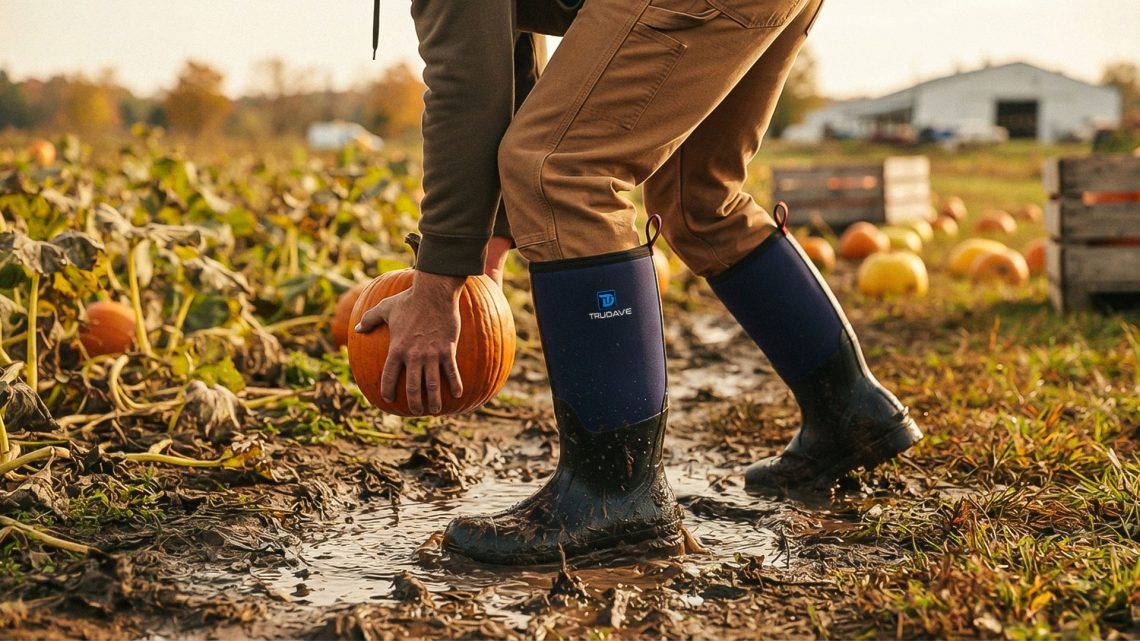
Best Boots for Car Wash and Auto Detailing Work
Car wash and auto detailing work keeps employees around water almost continuously.
Whether someone works at a high-volume tunnel wash, self-service facility, dealership detail department, mobile detailing business, fleet wash bay, or hand-wash shop, wet floors and repeated spray are part of the job.
A worker may begin the day rinsing wash bays, guide vehicles into position, pre-treat wheels, pressure wash trucks, scrub floor mats, vacuum interiors, clean drainage channels, move hoses, and finish the shift washing equipment or clearing road grime from the floor.
Footwear may encounter:
- Wet concrete.
- Soap and foam residue.
- Pressure-wash spray.
- Road grime.
- Mud.
- Vehicle fluids.
- Winter slush.
- Drainage water.
- Gravel.
- Outdoor rain.
- Tire-cleaning residue.
- Long hours on hard floors.
That makes footwear one of the most important everyday comfort items for car wash employees.
The best boots for car wash workers should keep feet dry, provide dependable contact on wet hard surfaces, remain comfortable through long concrete shifts, fit securely while workers move around vehicles, and be easy to rinse after exposure to dirt, foam, and road residue.
Why Car Wash Workers Need Waterproof Footwear
Car wash employees may be exposed to water during nearly every stage of the job.
Common sources include:
- Pre-rinse hoses.
- Pressure washers.
- Vehicle runoff.
- Floor cleaning.
- Wheel washing.
- Equipment maintenance.
- Rain and snow carried in by vehicles.
Ordinary work shoes can become wet quickly.
Once water reaches socks, workers may remain uncomfortable for the rest of the shift.
Fully waterproof footwear provides more predictable protection.
Car Wash Floors Are Hard on Feet
Most wash bays are built around:
- Concrete.
- Coated industrial flooring.
- Drainage grates.
Workers may stand or walk on these surfaces for many hours.
That means cushioning matters almost as much as waterproofing.
Useful features include:
- Supportive midsoles.
- Cushioned removable footbeds.
- Stable heel structure.
- Manageable boot weight.
Boots for Automatic Car Wash Employees
Tunnel and automatic wash facilities may require workers to:
- Guide vehicles.
- Pre-rinse problem areas.
- Clean wheels.
- Monitor equipment.
- Dry vehicles.
Employees frequently transition between:
- Wet exterior areas.
- Dry customer areas.
- Concrete service spaces.
A mid-height waterproof work boot provides useful versatility.
Boots for Hand Car Wash Workers
Hand washing typically creates even more direct water exposure.
Workers may use:
- Hoses.
- Buckets.
- Brushes.
- Pressure washers.
Mid-height or mid-calf waterproof boots can help keep feet dry during repeated splash.
Boots for Pressure Washing Cars
Pressure washing is common for:
- Wheels.
- Wheel wells.
- Trucks.
- Muddy vehicles.
Waterproof footwear protects against ordinary splash.
It does not protect feet from direct contact with a high-pressure jet.
Workers should never direct pressure-washing equipment toward their feet or legs.
Boots for Car Wash Bays
Wash bays may stay wet through the entire shift.
Useful outsole characteristics include:
- Broad floor contact.
- Flexible rubber.
- Moderate grooves.
- Stable heel edges.
Extremely deep field-style lugs are usually unnecessary indoors.
Why Deep Mud Tread Can Be a Poor Choice
Aggressive outdoor tread may:
- Trap dirt.
- Hold soap residue.
- Feel bulky on concrete.
- Be harder to clean.
Moderate tread generally works better for workers who spend most of the day on hard wet floors.
Boots for Auto Detailers
Auto detailing may involve less constant water than high-volume washing, but workers still encounter moisture during:
- Exterior washing.
- Carpet extraction.
- Floor-mat cleaning.
- Engine-bay cleaning.
Footwear should balance waterproofing with all-day comfort.
Lightweight Boots Help Detailers Move Around Vehicles
Detailing requires workers to:
- Kneel.
- Crouch.
- Reach into interiors.
- Move around doors.
Heavy boots can make repeated movement tiring.
A lighter waterproof boot is often more practical.
Boots for Interior Detailing
Interior work frequently involves crouching around:
- Seats.
- Floorboards.
- Door sills.
Forefoot flexibility improves comfort.
Boots for Carpet Extraction
Wet carpet-cleaning equipment may create:
- Drips.
- Water around hoses.
- Damp floors.
Waterproof footwear remains useful.
Boots for Floor-Mat Cleaning
Workers may pressure wash or hose down:
- Rubber mats.
- Carpet mats.
Additional shaft coverage can help with splash.
Boots for Wheel and Tire Cleaning
Wheel-cleaning stations expose workers to:
- Water.
- Brake dust.
- Road grime.
- Cleaning products.
Smooth easy-clean uppers are practical.
Waterproof Does Not Mean Chemical Resistant
This distinction matters in detailing work.
Ordinary waterproof boots should not automatically be considered resistant to:
- Wheel cleaners.
- Degreasers.
- Acidic products.
- Alkaline products.
- Solvents.
Workers should follow:
- Product labels.
- Safety data sheets.
- Employer PPE instructions.
Boots for Tire Dressing Areas
Tire products can create residue around work areas.
Prompt cleaning helps reduce slippery buildup.
Boots for Foam Cannon Work
Foam systems can cover large portions of:
- Vehicles.
- Floors.
Workers need predictable footing while hoses and foam surround them.
Boots for Soap-Covered Floors
No work boot can completely compensate for excessive soap buildup.
Good floor drainage and housekeeping remain essential.
Boots for Drainage Channels
Car wash facilities rely heavily on:
- Trench drains.
- Floor drains.
- Collection pits.
Workers may clean these areas regularly.
Boots for Trench Drain Cleaning
Mid-calf waterproof boots provide useful splash protection.
Simple outsole tread is easier to rinse afterward.
Boots for Mud and Sediment Cleanup
Wash bays may collect:
- Sand.
- Mud.
- Road salt.
- Leaves.
Workers cleaning these areas benefit from waterproof easy-clean footwear.
Boots for Oil and Road Grime
Some vehicles arrive coated with:
- Oil residue.
- Grease.
- Road film.
Waterproofing alone does not guarantee oil resistance.
Workers exposed to petroleum-based products should verify outsole compatibility separately.
Boots for Fleet Wash Operations
Fleet wash crews may clean:
- Delivery vans.
- Trucks.
- Buses.
- Municipal vehicles.
These jobs can involve heavier water exposure than ordinary passenger-car washing.
Boots for Truck Wash Workers
Truck wash employees may work around:
- Mud.
- Diesel grime.
- Tall vehicle surfaces.
- Larger wash bays.
Mid-calf waterproof boots are practical.
Boots for Semi-Truck Wash Bays
Large commercial vehicles can create substantial runoff.
Workers may spend more time around:
- Heavy hoses.
- High-volume water.
Strong midsoles and secure heel fit help reduce fatigue.
Boots for Bus Wash Facilities
Transit or school-bus wash operations may involve:
- Long wet floors.
- Mechanical wash systems.
- Outdoor yards.
Mixed-surface waterproof boots work well.
Boots for Municipal Fleet Washing
Workers may clean:
- Utility vehicles.
- Snowplows.
- Maintenance trucks.
Winter residue may include:
- Salt.
- Slush.
- Mud.
Waterproof construction is especially valuable.
Boots for Garbage Truck Washing
Waste vehicles may carry additional contamination risks.
General waterproof boots may not be sufficient for every exposure.
Facility decontamination and PPE procedures should guide footwear selection.
Boots for Dealership Detail Departments
Dealership employees may divide their time between:
- Wash bays.
- Indoor detailing.
- Vehicle lots.
A cleaner-looking waterproof work boot provides good versatility.
Boots for Used-Car Reconditioning
Reconditioning employees may perform:
- Washing.
- Interior cleaning.
- Light mechanical inspection.
Footwear should provide mixed-surface comfort.
Boots for New-Car Preparation
Workers may wash and prepare vehicles before delivery.
Low-to-mid waterproof boots are often enough.
Boots for Mobile Auto Detailers
Mobile detailers may work at:
- Homes.
- Offices.
- Parking lots.
They may encounter:
- Asphalt.
- Grass.
- Gravel.
- Concrete.
Mixed-surface waterproof footwear is useful.
Driving Comfort Matters for Mobile Detailers
Workers may spend substantial time behind the wheel.
Very tall rubber boots can feel awkward during driving.
A mid-height waterproof boot is usually more comfortable.
Boots for Mobile Pressure Washing
Some businesses combine vehicle detailing with:
- Driveway cleaning.
- Equipment washing.
More waterproof coverage may be useful.
Boots for Car Rental Detail Crews
Rental facilities may process many vehicles each day.
Workers often move rapidly between:
- Wash areas.
- Parking lots.
- Interior cleaning stations.
Low boot weight becomes important.
Boots for Airport Rental Car Facilities
Large rental centers may have extensive:
- Concrete lots.
- Wash bays.
Workers can walk several miles per shift.
Cushioning matters.
Boots for Car Auction Detail Crews
Vehicle-auction facilities may have:
- Outdoor lots.
- Mud.
- Gravel.
- Wash areas.
Mixed-surface waterproof boots provide versatility.
Boots for Vehicle Transport Preparation
Workers preparing cars for transport may work around:
- Trailers.
- Wet lots.
- Loading areas.
Moderate tread and secure heel fit are useful.
Boots for RV Washing
Recreational vehicles require workers to move around larger surfaces.
Employees may use:
- Long hoses.
- Brushes.
- Ladders.
Boots for RV Wash Ladders
Defined heel edges help with rung placement.
Very deep tread may be unnecessarily bulky.
Ladder Safety Comes First
Footwear is only one part of safe elevated work.
Workers should use appropriate ladders and access systems.
Boots for Boat Detailing
Some detailing companies also clean boats.
Workers may move between:
- Wet docks.
- Wash areas.
- Trailer yards.
Deck-oriented waterproof boots may sometimes be appropriate.
Boots for Motorcycle Detailing
Motorcycle cleaning usually involves less water volume, but floors can still become wet.
Lightweight waterproof boots work well.
Boots for Engine-Bay Detailing
Engine compartments may expose workers to:
- Oil.
- Grease.
- Degreasers.
General waterproof boots are not automatically chemical- or oil-resistant.
Boots for Degreasing Work
Workers should verify product compatibility before relying on footwear as chemical PPE.
Boots for Undercarriage Washing
Undercarriage cleaning may generate heavy splash.
Mid-calf waterproof boots offer additional coverage.
Boots for Mud Removal
Off-road vehicles may arrive with significant amounts of:
- Clay.
- Mud.
- Gravel.
Open tread can help where workers need to step outside wet concrete bays.
Boots for Off-Road Vehicle Detailing
Workers may clean:
- Jeeps.
- ATVs.
- UTVs.
- Trucks.
Outdoor wash areas may become muddy.
More mixed-terrain tread can be useful.
Boots for ATV and UTV Wash Stations
Workers may transition between:
- Mud.
- Wet concrete.
A moderate outdoor tread pattern provides a good compromise.
Boots for Construction Equipment Washing
Some wash facilities clean:
- Excavators.
- Loaders.
- Skid steers.
These jobs may involve:
- Heavy mud.
- Grease.
- Large equipment.
More structured safety footwear may be appropriate.
Boots for Heavy Equipment Wash Racks
Workers may need:
- Safety toes.
- Oil-resistant outsoles.
- Additional waterproof coverage.
depending on actual hazards.
Boots for Car Wash Maintenance Workers
Automatic wash systems include:
- Pumps.
- Conveyors.
- Brushes.
- Motors.
- Sensors.
Maintenance employees may need more industrial footwear.
Boots for Conveyor Maintenance
Workers may operate around:
- Metal.
- Mechanical systems.
- Wet concrete.
Protective toes may be required.
Boots for Pump Maintenance
Car washes rely on pumps and high-pressure water systems.
Workers may handle:
- Motors.
- Valves.
- Pipes.
Structured waterproof safety boots are practical.
Waterproof Does Not Mean Electrical Protection
Car wash equipment includes electrical systems near wet environments.
General waterproof boots are not automatically electrical-hazard rated.
Electrical maintenance requires appropriate PPE and safe isolation procedures.
Boots for Chemical Dosing Rooms
Automated car washes may store:
- Detergent.
- Wax.
- Tire cleaner.
- Other concentrates.
Workers handling these products may need specialized chemical-resistant PPE.
Boots for Chemical Drum Handling
Protective toes may be useful around:
- Drums.
- Containers.
- Pallets.
Boots for Chemical Spill Response
Spill-response footwear must be matched to the actual substance.
Ordinary waterproof work boots should not automatically be used.
Boots for Water-Reclaim Systems
Many commercial car washes use water-recovery or recycling systems.
Workers may inspect:
- Pumps.
- Tanks.
- Filters.
- Settling equipment.
These areas may be wet and dirty.
Boots for Reclaim Pit Maintenance
General waterproof boots may be useful for routine surrounding work.
More specialized PPE may be required for entry or contaminated-water exposure.
Boots for Filter Cleaning
Workers may handle:
- Wet filters.
- Sediment.
Easy-clean waterproof boots are practical.
Boots for Car Wash Vacuum Areas
Vacuum zones are often drier than wash bays.
Workers may spend more time on:
- Concrete.
- Asphalt.
Hard-floor cushioning remains important.
Boots for Vacuum Maintenance
Workers may handle:
- Hoses.
- Collection containers.
- Electrical systems.
Task-specific safety procedures apply.
Boots for Dryer Areas
Automatic wash employees may work near:
- Vehicle dryers.
- Blow-off equipment.
Floors may still be wet from runoff.
Boots for Hand-Drying Crews
Workers may stand near exit areas where pavement remains damp.
Waterproof low-to-mid work boots provide good mobility.
Boots for Window Cleaning
Workers may move around vehicles carrying:
- Spray bottles.
- Towels.
Lightweight footwear reduces fatigue.
Boots for Wax and Polish Work
These tasks usually occur in drier areas.
Comfort and flexibility become the main priorities.
Boots for Ceramic Coating Shops
Detailing studios may be much drier than wash bays.
Workers may prefer lower-profile waterproof footwear if they transition between exterior washing and coating work.
Boots for Paint-Correction Detailers
Workers may spend long hours:
- Standing.
- Crouching.
Strong cushioning and flexibility matter.
Boots for Shop Floors
Detailing studios often have polished or coated concrete.
Outsole design should emphasize controlled hard-floor contact rather than deep mud traction.
Boots for Winter Car Wash Workers
Winter is especially demanding for car wash employees.
Vehicles may bring:
- Snow.
- Ice.
- Slush.
- Road salt.
into wash areas.
Boots for Slush
Mid-height or mid-calf waterproof boots help keep meltwater out.
Boots for Road Salt
Salt residue should be rinsed from footwear regularly where appropriate.
Ice Requires Separate Traction Measures
No ordinary boot completely eliminates ice risk.
Outdoor car wash workers may need approved traction aids.
Boots for Frozen Parking Lots
Workers directing vehicles outside may encounter:
- Ice.
- Frozen slush.
Insulated waterproof footwear may be useful.
Boots for Summer Car Wash Work
Summer wash bays can become:
- Hot.
- Humid.
Workers should avoid unnecessary insulation.
Useful features include:
- Low boot weight.
- Moisture-wicking socks.
- Moderate shaft height.
Waterproof Boots Can Still Become Damp Inside
Sweat may create internal moisture.
Daily drying remains important.
Boots for Rainy Days
Outdoor hand-wash and detailing facilities may expose workers to additional rain.
Fully waterproof construction is valuable.
Boots for Long Car Wash Shifts
High-volume car washes may process hundreds of vehicles per day.
Workers may spend long hours:
- Standing.
- Walking.
- Bending.
- Handling hoses.
Comfort becomes increasingly important.
Cushioning Is Critical on Concrete
Hard floors may be one of the biggest causes of foot fatigue.
Supportive midsoles can make a major difference.
Boot Weight Matters
Heavy footwear adds fatigue throughout the shift.
Heel Retention Matters Around Hoses
Workers need precise movement when stepping around:
- Hoses.
- Tools.
- Vehicles.
Secure fit helps.
Forefoot Flexibility Helps Detailers
Workers frequently:
- Kneel.
- Crouch.
- Reach.
- Clean low body panels.
Flexible footwear improves mobility.
Toe Room Matters During Long Shifts
Feet may swell after hours of standing.
Enough toe space improves comfort.
Best Socks for Car Wash Workers
Synthetic and wool-blend socks generally perform better than cotton.
Useful characteristics include:
- Moisture wicking.
- Quick drying.
- Heel cushioning.
- Temperature regulation.
Lightweight Socks Work Well in Hot Bays
Warm wash environments can make heavy socks uncomfortable.
Spare Socks Can Be Useful
Heavy spray may occasionally allow water into footwear.
A dry replacement pair improves comfort.
Removable Insoles Improve Daily Drying
Replaceable footbeds allow workers to:
- Dry boots.
- Restore cushioning.
- Improve hygiene.
- Adjust support.
Easy-Clean Construction Is Important
Car wash boots may collect:
- Mud.
- Soap.
- Brake dust.
- Road grime.
- Salt.
Smooth waterproof uppers simplify maintenance.
How to Clean Car Wash Work Boots
A practical routine may include:
- Remove mud and road debris.
- Clean outsole grooves.
- Rinse ordinary soap residue.
- Remove road salt.
- Follow manufacturer guidance after oil or chemical exposure.
- Remove damp insoles.
- Allow footwear to dry completely.
Detailing Chemicals Require Special Care
Do not assume ordinary rinsing is enough after concentrated product exposure.
Follow workplace and product-specific guidance.
How to Dry Car Wash Boots
After appropriate cleaning:
- Remove insoles.
- Open the boots fully.
- Allow airflow.
- Use low-temperature drying if approved.
Avoid excessive direct heat.
Rotating Two Pairs Can Help Full-Time Workers
Daily water exposure may prevent one pair from drying completely.
Alternating footwear gives each pair more recovery time.
When Car Wash Work Boots Should Be Replaced
Replace footwear when:
- Waterproofing fails.
- Tread becomes smooth.
- Rubber cracks.
- Outsole separation develops.
- Heel support collapses.
- Chemical damage appears.
- Safety components are compromised.
- Cushioning becomes ineffective.
Are Rubber Boots Good for Car Wash Work?
Yes.
Rubber boots are especially practical for:
- Hand washing.
- Pressure washing.
- Drain cleaning.
- Truck washing.
- Heavy splash.
Workers standing all day on concrete should also prioritize cushioning.
How Tall Should Car Wash Boots Be?
Mid-height boots work well for many general wash duties.
Mid-calf boots may be better for:
- Heavy pressure washing.
- Drain cleaning.
- Truck wash bays.
- High-splash areas.
Do Car Wash Workers Need Safety-Toe Boots?
Some heavy-equipment wash, chemical-handling, maintenance, pallet, or shop roles may require protective-toe footwear.
Are Waterproof Car Wash Boots Chemical Resistant?
Not automatically.
Workers should verify compatibility with the actual cleaners, degreasers, and detailing chemicals being used.
Do Car Wash Workers Need Oil-Resistant Boots?
Workers exposed to:
- Oil.
- Grease.
- Vehicle fluids.
may benefit from outsoles designed for that environment.
Common Mistakes When Buying Car Wash Boots
Buying Thin Rain Boots for Full-Day Concrete Work
They may lack enough cushioning.
Choosing Deep Farm Tread for Indoor Wash Bays
Aggressive tread is often unnecessary and harder to clean.
Wearing Boots Too Loose Around Hoses
Secure fit improves precise movement.
Ignoring Concrete Cushioning
Hard flooring can create significant fatigue.
Choosing Very Tall Boots for Mobile Detailers
Driving comfort may suffer.
Assuming Waterproof Means Chemical Resistant
Detailing products may require specific protective materials.
Assuming Rubber Means Oil Resistant
Vehicle fluids create separate material requirements.
Letting Soap and Road Grime Build Up in Tread
Regular cleaning helps maintain clean outsole contact.
How to Choose the Best Boots for Car Wash Work
Start with the worker’s primary responsibilities.
For general car wash employees, prioritize:
- Full waterproofing.
- Strong concrete cushioning.
- Moderate easy-clean tread.
- Secure heel fit.
For hand-wash crews, prioritize:
- Additional shaft coverage.
- Flexible waterproof construction.
- Low boot weight.
For auto detailers, prioritize:
- Forefoot flexibility.
- Hard-floor comfort.
- Driving-friendly height.
For truck wash workers, prioritize:
- More waterproof coverage.
- Durable construction.
- Safety protection where required.
For drain and cleanup workers, prioritize:
- Mid-calf waterproofing.
- Easy-clean tread.
For mobile detailers, prioritize:
- Driving comfort.
- Mixed-surface traction.
- Moderate outsole thickness.
For maintenance technicians, prioritize:
- Safety ratings.
- Oil, electrical, chemical, or puncture protection according to actual tasks.
Workers comparing waterproof footwear from brands such as Trudave Gear should choose boots according to the actual combination of wet concrete, pressure washing, road grime, detailing, vehicle movement, washdown, and long standing shifts involved in their job.
Frequently Asked Questions
What are the best boots for car wash work?
The best car wash boots are fully waterproof, comfortable on concrete, securely fitted, easy to clean, and equipped with moderate traction suited to wet hard floors.
Are rubber boots good for car wash workers?
Yes. Rubber boots are especially useful for hand washing, pressure washing, truck wash bays, drain cleaning, and other high-splash duties.
What boots are best for auto detailers?
Lightweight waterproof work boots with good cushioning, flexible forefoot movement, secure heel support, and moderate hard-floor tread are practical.
What boots are best for wet car wash floors?
Waterproof boots with broad outsole contact, flexible rubber, moderate grooves, strong cushioning, and secure heel fit work well.
Are deep-lug boots good for car wash employees?
Usually not. Deep agricultural tread can trap debris and may feel unnecessarily bulky on concrete.
Do car wash workers need safety-toe boots?
Some maintenance, heavy-equipment wash, chemical, shop, or material-handling roles may require protective-toe footwear.
Are waterproof boots resistant to car wash chemicals?
Not automatically. Workers should verify compatibility with the specific cleaners, soaps, degreasers, and wheel products used.
What boots are best for truck wash workers?
Mid-calf waterproof work boots with strong concrete cushioning, durable uppers, easy-clean tread, and task-appropriate safety protection are practical.
What boots are best for mobile detailers?
Mid-height waterproof boots with good driving comfort, flexible movement, moderate mixed-surface tread, and strong cushioning work well.
How should car wash work boots be cleaned?
Remove mud, soap, brake dust, salt, and road grime, clean tread grooves, follow product-specific guidance after chemical or oil exposure, and allow footwear to dry completely.
Final Thoughts
Car wash and auto detailing work combines wet concrete, hoses, pressure washers, soap, road grime, vehicle fluids, drainage, winter slush, detailing chemicals, and long shifts on hard floors.
The best footwear depends on the worker’s actual role.
General wash employees need waterproof boots with strong concrete cushioning.
Hand-wash crews benefit from additional shaft coverage.
Detailers need lighter, more flexible footwear.
Truck wash workers may need more structured safety protection.
Mobile detailers need driving-friendly waterproof boots.
Drain and cleanup workers benefit from easy-clean mid-calf footwear.
Maintenance technicians may require additional oil, electrical, chemical, puncture, or other task-specific protection.
Trudave Gear offers waterproof outdoor and work footwear suited to wet floors, washdown, rain, mud, vehicle cleaning, and demanding daily work environments.
Choosing footwear according to the actual car wash or detailing task can help workers stay drier, reduce fatigue, maintain better footing, and remain more comfortable from the first vehicle entering the wash bay in the morning to the final floor and equipment rinse at the end of the shift.


You May Also Like

What Reduced Water Visits Say About Cold-Weather Intake

How to Start Planting Before Spring Fully Arrives