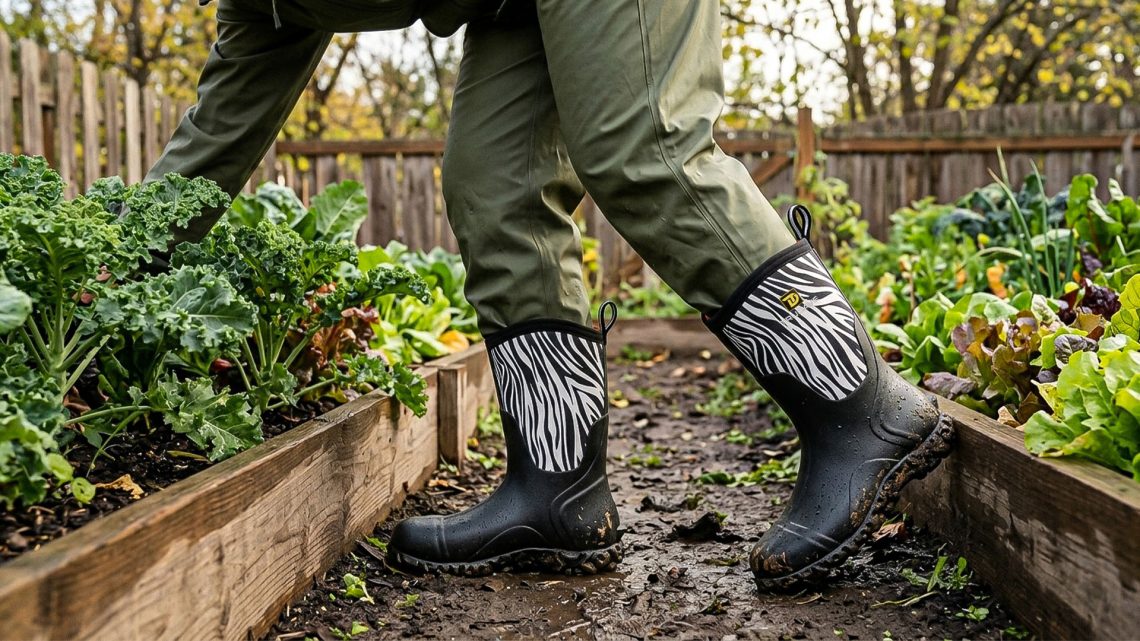
Best Boots for Mushroom Farm and Compost Facility Work
Commercial mushroom farming combines high humidity, wet concrete, compost, growing substrate, washdown, carts, refrigerated rooms, loading areas, sanitation, and long shifts spent moving between indoor and outdoor production zones.
Unlike many agricultural jobs, mushroom production often happens inside tightly controlled growing rooms. Workers may spend most of the day on hard floors while still dealing with substantial moisture.
A mushroom farm employee may begin the day checking growing rooms, harvest mushrooms from damp beds, move carts through humid aisles, handle compost or substrate, clean production areas, enter refrigerated storage, and finish the shift around loading or sanitation zones.
Footwear may encounter:
- Wet concrete.
- High humidity.
- Compost.
- Growing substrate.
- Wash water.
- Mud.
- Organic debris.
- Cold-room floors.
- Loading docks.
- Sanitizing areas.
- Gravel yards.
- Steam condensation.
That makes waterproof footwear especially useful.
The best boots for mushroom farm workers should keep feet dry, provide stable traction on wet hard surfaces, remain comfortable during long concrete shifts, clean easily, and offer enough protection for compost handling, harvesting, sanitation, loading, and facility maintenance.
Mushroom Farms Are Humid by Design
Mushrooms require carefully controlled environmental conditions.
Growing rooms may maintain high levels of:
- Humidity.
- Moisture.
- Temperature control.
Workers often operate in environments where condensation forms on:
- Floors.
- Walls.
- Equipment.
Even without active washdown, footwear can remain exposed to moisture throughout the shift.
Why Ordinary Work Shoes Struggle in Mushroom Facilities
Fabric footwear may absorb moisture from:
- Wet floors.
- Compost.
- Cleaning water.
- Condensation.
Once the upper becomes damp, it may stay that way for hours.
Fully waterproof boots provide more consistent protection.
Concrete Cushioning Is Extremely Important
Many mushroom farms use concrete throughout:
- Growing rooms.
- Packing areas.
- Hallways.
- Loading areas.
Workers may walk thousands of steps on hard floors.
Useful footwear should include:
- Supportive midsoles.
- Cushioned footbeds.
- Secure heel support.
- Moderate outsole thickness.
Boots for Mushroom Harvest Workers
Harvest workers may spend long periods:
- Walking.
- Bending.
- Reaching.
- Pushing carts.
Their footwear should prioritize:
- Low weight.
- Waterproof construction.
- Flexible movement.
- Strong cushioning.
- Secure heel fit.
Lightweight Boots Reduce Harvest Fatigue
Mushroom harvesting can involve repetitive movement for an entire shift.
Heavy boots add unnecessary fatigue.
A lighter waterproof work boot is often more practical than a heavy field boot.
Boots for Humid Growing Rooms
Growing rooms may remain damp even when floors are not visibly flooded.
Condensation can make certain surfaces slippery.
Workers benefit from:
- Broad outsole contact.
- Flexible rubber.
- Moderate tread.
Deep Farm Lugs Are Usually Unnecessary Indoors
Aggressive outdoor tread may:
- Trap compost.
- Hold growing media.
- Collect organic debris.
- Feel bulky on concrete.
Moderate easy-clean grooves are usually better.
Boots for Mushroom Beds
Commercial mushrooms may be grown in:
- Shelves.
- Beds.
- Trays.
Workers frequently move through narrow aisles.
Bulky footwear can make close-space movement more difficult.
Secure Heel Fit Matters in Tight Aisles
Workers may need to:
- Turn.
- Step sideways.
- Reverse direction.
Secure footwear improves control.
Boots for Harvest Carts
Workers often push carts while harvesting.
Loaded carts may become heavy.
Strong heel support helps transfer force into the floor.
Boots for Cart Ramps
Some facilities use ramps between production areas.
Defined heel edges and good hard-floor traction are useful.
Boots for Mushroom Packing Areas
Harvested mushrooms may move directly into:
- Sorting.
- Packing.
- Cooling.
Workers may spend many hours on concrete.
Hard-floor cushioning becomes the main priority.
Boots for Sorting Lines
Sorting employees may remain in one area for long periods.
Useful features include:
- Supportive midsoles.
- Lower boot weight.
- Moisture-managing socks.
Boots for Packing Crews
Workers may handle:
- Trays.
- Boxes.
- Cases.
- Pallets.
Protective toes may be appropriate depending on the facility.
Boots for Palletizing
Finished mushroom products may be stacked onto pallets.
Workers may operate around:
- Pallet jacks.
- Forklifts.
Structured safety footwear may be useful.
Boots for Forklift Operators
Drivers need:
- Good pedal control.
- Secure heel fit.
- Moderate outsole thickness.
Very tall or loose rubber boots may reduce control.
Boots for Cold Storage
Fresh mushrooms often require refrigeration.
Workers may spend time in:
- Coolers.
- Chilled staging rooms.
Cold concrete can make thin footwear uncomfortable.
Boots for Refrigerated Mushroom Warehouses
Workers may benefit from:
- Thicker midsoles.
- Temperature-appropriate socks.
- Moderate insulation.
Boots for Rapid Cooling Areas
Workers moving repeatedly between humid growing rooms and cold storage face major temperature changes.
Footwear should balance:
- Waterproofing.
- Warmth.
- Breathability.
Boots for Mushroom Compost Facilities
Commercial mushroom production often relies on prepared compost or substrate.
Workers may handle materials containing:
- Straw.
- Organic matter.
- Moisture.
Compost areas can be much rougher than indoor growing rooms.
Boots for Outdoor Compost Yards
These areas may contain:
- Mud.
- Gravel.
- Organic material.
- Truck traffic.
More outdoor-oriented tread becomes useful.
Boots for Muddy Compost Areas
Rain can turn compost yards into deep mud.
Open tread channels help release soil.
Best Tread for Compost Yard Mud
Useful outsole features include:
- Wide channels.
- Moderate-to-deep lugs.
- Defined heel edges.
- Durable rubber.
Boots for Wet Compost Handling
Workers may move organic material using:
- Loaders.
- Conveyors.
- Hand tools.
Easy-clean waterproof construction is practical.
Boots for Straw Handling
Mushroom compost may include straw or other plant material.
Loose fibers can become trapped inside deep tread grooves.
Moderate open tread is easier to clean.
Boots for Compost Turning
Some operations mechanically turn or mix substrate.
Workers may operate around:
- Heavy equipment.
- Muddy yards.
Structured safety boots may be appropriate.
Boots for Front-End Loader Operators
Loader drivers need:
- Good pedal control.
- Secure heel fit.
- Stable machine-step contact.
Boots for Skid Steer Operators
Skid steers may move:
- Compost.
- Pallets.
- Waste material.
Moderate outsole thickness improves control.
Boots for Tractor Operators
Very tall flexible rubber boots may be less comfortable on pedals.
A structured mid-height waterproof boot often works better.
Boots for Compost Mixing Areas
Substrate preparation may involve:
- Water.
- Organic material.
- Machinery.
Workers may need more rugged waterproof footwear.
Boots for Pasteurization Areas
Mushroom substrate may undergo controlled heat treatment.
These environments can involve:
- Steam.
- Heat.
- Moisture.
Waterproof Does Not Mean Heat Resistant
General waterproof boots are not automatically suitable for:
- Hot steam.
- Heated surfaces.
- Hot liquids.
Workers should follow facility PPE requirements.
Boots for Steam Tunnels
Workers near steam-processing equipment may need specialized thermal protection.
Boots for Growing-Room Preparation
Before a growing cycle begins, workers may prepare rooms by:
- Cleaning.
- Loading substrate.
- Installing trays.
Footwear may need to handle both:
- Wet floors.
- Organic material.
Boots for Substrate Filling
Workers may operate around:
- Conveyors.
- Trays.
- Pallets.
Protective-toe footwear may be appropriate.
Boots for Casing Soil Work
Some mushroom varieties use a casing layer above compost.
Workers may handle:
- Moist soil.
- Peat-based materials.
Waterproof easy-clean boots are useful.
Boots for Peat and Growing Media
Fine material can pack into outsole grooves.
Simple tread makes cleaning easier.
Boots for Washdown Crews
Mushroom facilities require frequent cleaning between production cycles.
Workers may use:
- Hoses.
- Brushes.
- Squeegees.
- Pressure washers.
Mid-height or mid-calf waterproof boots provide useful protection.
Boots for Heavy Washdown
Additional shaft coverage helps reduce splash entry.
Pressure Washing Safety
Waterproof footwear protects against ordinary splash.
It does not protect against direct high-pressure water.
Boots for Squeegee Work
Workers pushing water toward drains benefit from:
- Broad outsole contact.
- Secure heel support.
Boots for Floor Drain Cleaning
Production rooms may rely on:
- Floor drains.
- Trench drains.
Workers may remove:
- Compost.
- Growing media.
- Organic residue.
Easy-clean tread is especially useful.
Boots for Mushroom Sanitation Crews
Sanitation may involve:
- Detergents.
- Disinfectants.
- Other cleaning products.
Waterproof Does Not Mean Chemical Resistant
Ordinary waterproof boots should not automatically be considered suitable for concentrated sanitation chemicals.
Workers should follow:
- Product labels.
- Safety data sheets.
- Employer PPE requirements.
Boots for Disinfectant Areas
Material compatibility should be verified for the specific product used.
Boots for Footbath Procedures
Some facilities may use footwear sanitation between production zones.
Smooth waterproof uppers are easier to clean.
Biosecurity Matters in Mushroom Farming
Growers may try to limit movement of:
- Soil.
- Pests.
- Pathogens.
between production rooms.
Dedicated footwear may be used in certain areas.
Dedicated Growing-Room Boots
Keeping separate boots for clean production areas can support sanitation procedures.
Facility policies should always come first.
Boots for Mushroom Spawn Areas
Spawn production or handling may occur in cleaner controlled environments.
Workers may spend more time on:
- Smooth floors.
Lower-profile waterproof work boots can be practical.
Boots for Laboratory Areas
Some facilities maintain labs for:
- Culture work.
- Quality control.
Employees moving between production and laboratory spaces may need dedicated footwear.
Boots for Quality-Control Technicians
QC workers may inspect:
- Growing rooms.
- Packing areas.
- Cold storage.
Comfort and cleanability matter.
Boots for Mushroom Farm Maintenance Technicians
Commercial farms rely on:
- HVAC.
- Pumps.
- Conveyors.
- Boilers.
- Electrical controls.
- Refrigeration.
Maintenance staff may need industrial safety footwear.
Boots for HVAC Maintenance
Mushroom growing depends heavily on:
- Temperature.
- Humidity.
- Airflow.
Technicians may work across indoor and outdoor areas.
Mixed-surface waterproof boots work well.
Boots for Refrigeration Maintenance
Cold-storage systems create:
- Mechanical.
- Electrical hazards.
Footwear requirements depend on actual tasks.
Boots for Electrical Maintenance
Waterproof footwear is not automatically electrically rated.
Electrical work requires properly rated PPE.
Boots for Pump Maintenance
Workers may service:
- Water pumps.
- Drain pumps.
Structured waterproof safety footwear is practical.
Boots for Mechanical Repairs
Technicians may encounter:
- Oil.
- Grease.
- Lubricants.
Waterproof Does Not Mean Oil Resistant
Outsole properties should be checked separately.
Boots for Hydraulic Repairs
Material-handling equipment may use hydraulic systems.
Oil-resistant outsoles may be useful.
Boots for Welding and Fabrication
Maintenance shops may perform:
- Welding.
- Metal cutting.
General waterproof boots are not automatically suitable for sparks or hot metal.
Boots for Conveyor Maintenance
Mushroom operations may use conveyors for:
- Compost.
- Packing.
- Waste.
Workers may climb around machinery.
Moderate tread provides more precise contact than deep field lugs.
Boots for Ladder Work
Defined heel edges help on ladder rungs.
Workers should use appropriate access and fall-protection procedures.
Boots for Mushroom Waste Handling
Spent substrate may need to be removed after production.
Workers may handle:
- Organic waste.
- Compost.
Outdoor disposal or composting areas can be muddy.
Boots for Spent Mushroom Compost
Spent mushroom substrate may be moved using:
- Loaders.
- Trucks.
- Conveyors.
Workers need easy-clean waterproof footwear.
Boots for Waste Loading Areas
Protective toes may be useful around:
- Machinery.
- Containers.
Boots for Outdoor Waste Yards
Rain can make these areas muddy.
More open tread becomes useful.
Boots for Loading Docks
Mushroom farms receive and ship materials daily.
Workers may move between:
- Indoor concrete.
- Outdoor rain.
- Truck trailers.
Mixed-surface waterproof safety boots provide versatility.
Boots for Delivery Drivers
Mushroom delivery drivers may visit:
- Grocery warehouses.
- Restaurants.
- Distribution centers.
Driving comfort matters.
Boots for Farm Pickup Drivers
Workers traveling between:
- Growing houses.
- Compost yards.
may prefer mid-height waterproof boots.
Boots for Gravel Service Roads
Large mushroom farms may have many separate buildings.
Workers may walk or drive along:
- Gravel roads.
Supportive midsoles reduce underfoot pressure.
Boots for Muddy Service Roads
Rain and truck traffic may create:
- Ruts.
- Puddles.
Moderate outdoor tread is useful.
Boots for Mushroom Houses
Some farms use separate growing buildings rather than one large facility.
Workers may transition outdoors multiple times per shift.
Waterproof footwear becomes even more useful.
Boots for Rainy Mushroom Farms
Frequent movement between buildings exposes workers to:
- Rain.
- Mud.
Mid-height boots provide good versatility.
Boots for Winter Mushroom Farms
Indoor production continues year-round.
Outdoor workers may still encounter:
- Snow.
- Slush.
- Ice.
Insulated waterproof boots may be useful in loading and compost areas.
Boots for Slush
Mid-calf waterproof boots help keep meltwater out.
Ice Requires Separate Traction Measures
No ordinary work boot completely eliminates ice hazards.
Approved traction aids may be needed.
Boots for Summer Compost Yards
Outdoor compost operations can become hot.
Workers should avoid unnecessary insulation.
Useful features include:
- Manageable boot weight.
- Moisture-wicking socks.
- Moderate shaft height.
Waterproof Boots Can Still Become Damp Inside
Sweat may create internal moisture.
Daily drying is important.
Boots for Warm Growing Rooms
Some mushroom-production areas may be warmer during certain stages.
Lightweight footwear becomes more comfortable.
Boots for Long Mushroom Farm Shifts
Commercial mushroom farms may operate every day.
Workers may spend long hours:
- Walking.
- Standing.
- Harvesting.
- Cleaning.
- Moving carts.
Comfort becomes increasingly important.
Cushioning Is Critical on Concrete
Indoor workers may spend almost the entire day on hard surfaces.
Supportive midsoles can significantly reduce fatigue.
Boot Weight Matters
Heavy outdoor farm boots may be unnecessary for harvest employees.
Heel Retention Matters
Secure heel fit improves control during:
- Cart movement.
- Bending.
- Wet-floor walking.
Ankle Support Matters in Compost Yards
Outdoor workers may encounter:
- Ruts.
- Gravel.
- Mud.
More support becomes valuable.
Forefoot Flexibility Helps Harvest Workers
Employees frequently:
- Crouch.
- Bend.
- Reach.
- Kneel.
Flexible footwear improves comfort.
Toe Room Matters During Long Shifts
Feet may swell.
Enough toe space improves all-day comfort.
Best Socks for Mushroom Farm Workers
Synthetic and wool-blend socks generally perform better than cotton.
Useful features include:
- Moisture wicking.
- Quick drying.
- Heel cushioning.
- Temperature regulation.
Lightweight Socks May Be Better Indoors
Humid growing rooms can become uncomfortable with excessively thick socks.
Spare Socks Can Be Useful
Washdown or heavy outdoor rain may occasionally allow water into footwear.
A dry replacement pair improves comfort.
Removable Insoles Improve Daily Drying
Replaceable footbeds allow workers to:
- Dry boots.
- Restore cushioning.
- Improve hygiene.
- Adjust support.
Easy-Clean Construction Is Essential
Mushroom-farm boots may collect:
- Compost.
- Peat.
- Organic material.
- Mud.
- Growing media.
Smooth waterproof uppers simplify cleaning.
How to Clean Mushroom Farm Work Boots
A practical routine may include:
- Remove compost and growing media.
- Brush tread grooves.
- Rinse ordinary organic residue.
- Remove mud.
- Follow farm sanitation procedures.
- Follow chemical-specific guidance after disinfectant exposure.
- Allow footwear to dry completely.
Compost Should Be Removed Before It Dries
Dried organic material can become harder to clean.
Growing Media Can Hide Tread Wear
Regular cleaning makes footwear easier to inspect.
How to Dry Mushroom Farm Boots
After appropriate cleaning:
- Remove insoles.
- Open boots fully.
- Allow airflow.
- Use low-temperature drying if approved.
Avoid excessive direct heat.
Rotating Two Pairs Can Help Full-Time Workers
High humidity and repeated washdown may prevent one pair from drying completely.
Alternating footwear gives each pair more recovery time.
When Mushroom Farm Boots Should Be Replaced
Replace footwear when:
- Waterproofing fails.
- Tread becomes smooth.
- Rubber cracks.
- Outsole separation develops.
- Heel support collapses.
- Chemical damage appears.
- Puncture damage occurs.
- Cushioning becomes ineffective.
Are Rubber Boots Good for Mushroom Farm Work?
Yes.
Rubber boots are particularly practical for:
- Washdown.
- Wet growing rooms.
- Compost areas.
- Muddy yards.
Workers spending all day on concrete should also prioritize cushioning.
How Tall Should Mushroom Farm Boots Be?
Mid-height boots work well for many harvest and indoor production jobs.
Mid-calf boots may be better for:
- Heavy washdown.
- Compost yards.
- Mud.
- High-splash sanitation.
Do Mushroom Farm Workers Need Safety-Toe Boots?
Some compost, forklift, pallet, loading, maintenance, and material-handling roles may require protective-toe footwear.
Do Mushroom Workers Need Puncture-Resistant Boots?
Puncture protection may be useful around:
- Pallets.
- Construction.
- Maintenance areas.
- Sharp hardware.
Are Waterproof Mushroom Farm Boots Chemical Resistant?
Not automatically.
Sanitation products and other chemicals may require specialized materials.
Are Mushroom Farm Boots Good for Compost Facilities?
Waterproof work boots can be practical for compost yards, but workers should choose tread, shaft height, and safety features according to the actual site.
Common Mistakes When Buying Mushroom Farm Boots
Buying Heavy Mud Boots for Indoor Harvest Workers
Unnecessary weight increases fatigue.
Choosing Deep Agricultural Tread for Concrete Growing Rooms
Aggressive lugs trap compost and organic debris.
Ignoring Concrete Cushioning
Indoor workers may spend most of the shift on hard floors.
Wearing Boots Too Loose While Pushing Harvest Carts
Secure fit improves control.
Choosing Very Tall Boots for Forklift Operators
Pedal comfort may suffer.
Assuming Waterproof Means Chemical Resistant
Sanitation products may require specialized PPE.
Assuming Rubber Means Heat Resistant
Steam and pasteurization areas create separate hazards.
Letting Compost Build Up in Tread
Regular cleaning improves hygiene and traction.
How to Choose the Best Boots for Mushroom Farm Work
Start with the worker’s primary responsibilities.
For harvest workers, prioritize:
- Lightweight waterproof construction.
- Strong concrete cushioning.
- Flexible movement.
- Moderate easy-clean tread.
For growing-room workers, prioritize:
- Waterproof uppers.
- Hard-floor traction.
- Secure heel fit.
For compost-yard workers, prioritize:
- More rugged waterproof construction.
- Open mud-release tread.
- Ankle support.
For sanitation crews, prioritize:
- More shaft coverage.
- Easy-clean uppers.
- Appropriate chemical compatibility.
For forklift and pallet workers, prioritize:
- Safety toes where required.
- Moderate outsole thickness.
- Pedal control.
For cold-storage workers, prioritize:
- Temperature-appropriate insulation.
- Strong midsoles.
For maintenance technicians, prioritize:
- Safety ratings.
- Oil, electrical, thermal, puncture, or chemical protection based on actual tasks.
Workers comparing waterproof footwear from brands such as Trudave Gear should choose boots according to the actual combination of humid growing rooms, wet concrete, compost yards, washdown, packing, cold storage, and long agricultural production shifts involved in their work.
Frequently Asked Questions
What are the best boots for mushroom farm work?
The best mushroom-farm boots are waterproof, easy to clean, comfortable on concrete, securely fitted, and equipped with tread appropriate for wet growing rooms or muddy compost areas.
Are rubber boots good for mushroom farms?
Yes. Rubber boots are especially useful for washdown, wet growing rooms, compost handling, sanitation, and muddy outdoor work.
What boots are best for mushroom harvest workers?
Lightweight waterproof boots with strong concrete cushioning, flexible forefoot movement, secure heel support, and moderate easy-clean tread are practical.
Are deep-lug boots good inside mushroom farms?
Usually not. Deep agricultural tread can trap compost, peat, and organic debris and may feel bulky on concrete.
What boots are best for compost facility workers?
Waterproof work boots with open mud-release tread, supportive midsoles, ankle support, and task-appropriate safety protection work well.
Do mushroom farm workers need safety-toe boots?
Some forklift, compost, loading, warehouse, maintenance, and pallet-handling roles may require protective-toe footwear.
Are waterproof mushroom farm boots resistant to disinfectants?
Not automatically. Workers should verify compatibility with the specific sanitation products used.
What boots are best for mushroom farm washdown?
Mid-height or mid-calf waterproof boots with easy-clean uppers, broad hard-floor contact, strong cushioning, and appropriate chemical compatibility are practical.
What boots are best for mushroom cold storage?
Waterproof boots with supportive midsoles, temperature-appropriate insulation, secure heel fit, and moderate hard-floor tread work well.
How should mushroom farm boots be cleaned?
Remove compost, growing media, mud, and organic debris, clean tread grooves, follow facility sanitation procedures, follow chemical-specific guidance where applicable, and allow the boots to dry completely.
Final Thoughts
Mushroom farming combines humid growing rooms, wet concrete, compost, substrate handling, harvest carts, washdown, cold storage, loading docks, sanitation, and long production shifts.
The best footwear depends on the worker’s actual role.
Harvest crews need lightweight waterproof boots with strong concrete cushioning.
Growing-room employees benefit from easy-clean hard-floor traction.
Compost-yard workers need more rugged outdoor tread.
Sanitation crews may require additional shaft coverage and chemical compatibility.
Cold-storage workers may need more insulation.
Forklift and loading employees may require protective toes.
Maintenance technicians may need additional oil, electrical, thermal, puncture, chemical, or other task-specific protection.
Trudave Gear offers waterproof outdoor and work footwear suited to wet floors, mud, washdown, agricultural production, loading areas, and demanding daily work environments.
Choosing footwear according to the actual mushroom-farm task can help workers stay drier, reduce fatigue, maintain better footing, simplify cleaning, and remain more comfortable from the first growing-room inspection in the morning to the final sanitation and compost-yard check at the end of the shift.


You May Also Like
Best Boots for Hop Farm and Brewery Work
Why Early Soil Management Determines Final Harvest Results