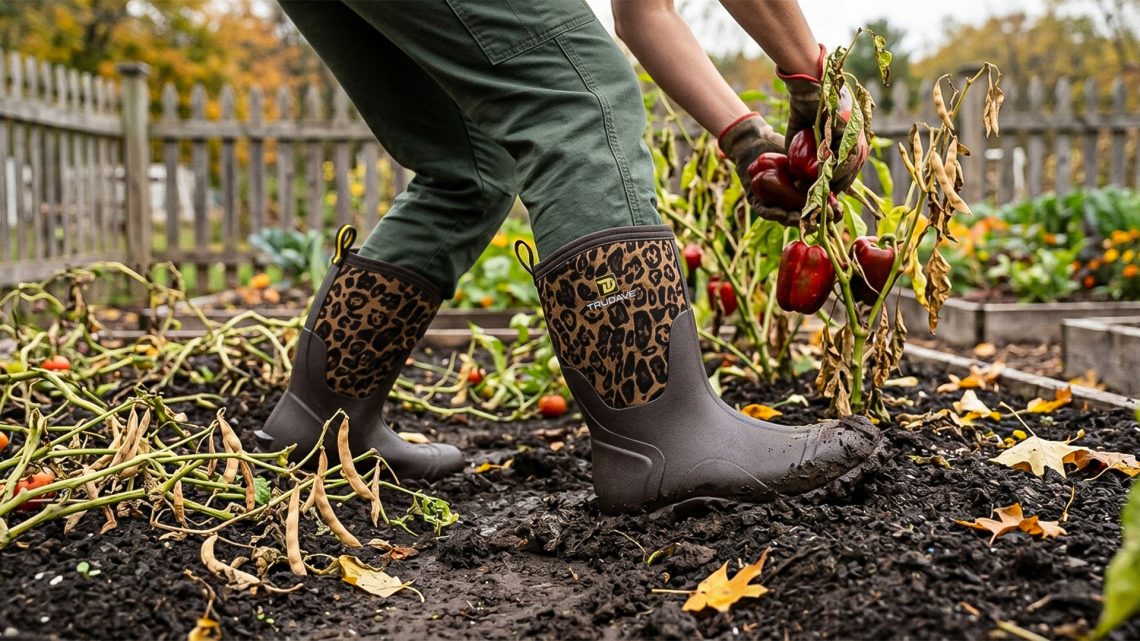
Water Everywhere, All Shift Long: Footwear Choices for Fish Hatcheries, Tank Rooms, and Aquaculture Crews
Few agricultural workplaces expose footwear to water as consistently as a fish hatchery or aquaculture farm.
Workers may spend an entire shift moving between wet concrete, raceways, fish tanks, pond banks, feed rooms, filtration systems, pump stations, loading areas, and equipment washdown zones.
Even when no one is standing directly in a pond, water can be almost everywhere.
A hatchery employee may begin the morning checking tanks, rinse screens, move fish, inspect pumps, carry feed, walk beside raceways, clean equipment, cross a muddy pond bank, load supplies, and finish the shift washing floors or disinfecting tools.
Footwear may encounter:
- Constant splash.
- Wet concrete.
- Standing water.
- Fish-tank overflow.
- Mud.
- Pond edges.
- Gravel.
- Feed residue.
- Organic material.
- Wash water.
- Cold water.
- Rain.
That makes waterproof footwear less of a convenience and more of a basic part of daily work.
The right footwear should help keep feet dry while remaining comfortable on concrete, stable around wet surfaces, easy to rinse, and practical enough for workers who move between indoor hatchery areas and outdoor ponds throughout the day.
For many aquaculture crews, waterproof work boots and rubber boots provide that balance.
A Fish Hatchery Is Not Just a Wet Workplace
It is a workplace where wet conditions can change constantly.
One area may have only light splash.
Another may have:
- Standing water.
- Mud.
- Algae.
- Wet concrete.
A worker may also need to transition from a tank room to:
- Gravel.
- Grass.
- Pond banks.
- Vehicles.
That means one outsole pattern must often handle several different environments.
Why Ordinary Work Shoes Struggle in Hatcheries
Fabric footwear can absorb moisture quickly.
Water may come from:
- Splashing fish.
- Hose cleaning.
- Tank overflow.
- Wet floors.
- Outdoor rain.
Once a shoe becomes wet, the worker may spend the rest of the shift in damp socks.
That becomes especially uncomfortable in cold-water facilities.
Fully waterproof footwear provides much more consistent protection.
Wet Concrete Is One of the Biggest Footwear Challenges
Many hatchery buildings use concrete because it is:
- Durable.
- Washable.
- Practical for wet operations.
But concrete is hard.
Workers may stand or walk on it for hours.
That means footwear needs more than waterproofing.
Useful features include:
- Supportive midsoles.
- Cushioned insoles.
- Secure heel support.
- Moderate outsole thickness.
Rubber Boots Without Cushioning Can Become Uncomfortable
A simple rubber shell may keep water out but provide limited underfoot support.
For short washdown jobs, that may be enough.
For full-shift hatchery work, cushioning matters much more.
Boots for Raceway Hatcheries
Raceway systems use long channels where water continuously moves through fish-production areas.
Workers may walk beside raceways while:
- Feeding fish.
- Inspecting stock.
- Cleaning screens.
- Checking water flow.
Water may splash onto surrounding walkways throughout the day.
Footwear for Raceway Walkways
Workers need good contact on:
- Wet concrete.
- Metal grating.
- Gravel.
Moderate tread is generally more versatile than very deep agricultural lugs.
Deep Mud Tread Is Not Always Better Indoors
Large lugs may:
- Trap fish waste.
- Hold debris.
- Feel awkward on concrete.
- Reduce precise footing on grates.
An easy-clean outsole is usually more practical.
Boots for Fish Tank Rooms
Indoor tanks create constant splash exposure.
Workers may perform:
- Feeding.
- Grading.
- Sampling.
- Cleaning.
Waterproof uppers are essential.
Boots for Circular Tank Facilities
Workers may repeatedly walk around tank edges.
Long-shift cushioning becomes important.
Boots for Tank Overflow Areas
Overflow or splash zones may leave shallow standing water.
Mid-height waterproof boots provide useful coverage.
Boots for Tank Cleaning
Workers may use:
- Hoses.
- Brushes.
- Squeegees.
Mid-calf rubber boots may be more practical when splash levels are high.
Boots for Fish Grading Work
Fish may be sorted by:
- Size.
- Growth stage.
Workers may stand for extended periods around wet tables and tanks.
Supportive cushioning helps reduce fatigue.
Boots for Fish Transfer Crews
Moving fish between:
- Tanks.
- Raceways.
- Transport containers.
can involve substantial water exposure.
Secure heel fit matters when workers need controlled movement.
Boots for Netting Fish
Workers may use:
- Dip nets.
- Seine nets.
This often requires:
- Bending.
- Reaching.
- Stepping backward.
Flexible footwear improves movement.
Boots for Fish Sampling
Hatchery staff may collect samples for:
- Growth checks.
- Health monitoring.
- Water-quality work.
Stable footwear is important around slippery tank areas.
Boots for Feeding Crews
Workers may carry:
- Buckets.
- Feed bags.
When both hands are occupied, stable footing becomes even more important.
Boots for Feed Rooms
Feed-storage areas may contain:
- Concrete.
- Pallets.
- Dust.
Hard-floor cushioning matters.
Boots for Feed Bag Handling
Heavy bags may create impact hazards.
Protective-toe footwear may be appropriate depending on the facility.
Boots for Automatic Feeding Systems
Larger aquaculture operations may use automated feeders.
Workers may inspect:
- Motors.
- Hoppers.
- Conveyors.
Structured waterproof work boots may be practical.
Boots for Pond-Based Fish Farms
Outdoor aquaculture creates a different footwear environment.
Workers may encounter:
- Mud.
- Grass.
- Gravel.
- Pond banks.
Mixed-terrain waterproof boots are useful.
Boots for Muddy Pond Banks
Pond edges may become extremely soft after:
- Rain.
- Repeated traffic.
Open tread channels help release mud.
Secure Heel Fit Matters Around Pond Mud
Soft soil can grip footwear strongly.
Loose boots may be partially pulled off.
Secure heel retention reduces that risk.
Boots for Sloped Pond Banks
Workers may walk along angled ground while:
- Inspecting fish.
- Checking water.
- Handling equipment.
Ankle support becomes important.
Boots for Wet Grass Around Ponds
Morning dew may soak low shoes quickly.
Mid-height waterproof boots work well.
Boots for Gravel Pond Roads
Commercial fish farms may have service roads between ponds.
Supportive midsoles reduce pressure from crushed stone.
Boots for Pond Feeding Crews
Workers may travel around large pond systems carrying:
- Feed.
- Tools.
Lower boot weight can reduce fatigue.
Boots for Aerator Maintenance
Pond farms may use mechanical aerators.
Workers may need to approach:
- Wet banks.
- Equipment platforms.
Waterproof mixed-surface boots are practical.
Electrical Hazards Require Separate Protection
Waterproof footwear is not automatically electrically rated.
Workers performing electrical maintenance must use appropriate electrical PPE.
Boots for Water-Inlet Areas
Fish farms depend on reliable water flow.
Workers may inspect:
- Inlets.
- Pipes.
- Valves.
These areas can be muddy and wet.
Boots for Drainage Outlets
Drainage structures may remain saturated.
Additional shaft coverage is useful.
Boots for Pond Draining Work
Some operations periodically drain ponds.
The exposed ground can become extremely muddy.
Workers may need:
- Higher boots.
- Waders.
depending on conditions.
Waterproof Boots Are Not a Substitute for Waders
If water or mud rises above the boot shaft, regular boots may no longer provide enough coverage.
Deeper water work requires appropriate equipment.
Boots for Fish Hatchery Waders Work
Some workers may spend part of the shift wearing waders.
Waders are useful when work requires entering:
- Deeper water.
- Raceways.
- Ponds.
For surrounding tasks, waterproof work boots may be more convenient.
When Boots Make More Sense Than Waders
Boots are often better for:
- Tank rooms.
- Feed areas.
- Concrete floors.
- Short outdoor inspections.
- Vehicle operation.
When Waders Make More Sense
Waders may be needed for:
- Deep raceway entry.
- Pond work.
- Seine operations.
- Water-level tasks.
Boots for Hatchery Pump Rooms
Pumps are essential for moving water.
Pump rooms may contain:
- Wet concrete.
- Mechanical systems.
- Electrical equipment.
Workers need structured footwear suited to the actual hazard.
Boots for Pump Maintenance
Technicians may encounter:
- Water.
- Grease.
- Oil.
Waterproofing alone may not provide enough protection.
Waterproof Does Not Mean Oil Resistant
Oil resistance is a separate outsole property.
Boots for Filtration Systems
Aquaculture operations may use:
- Drum filters.
- Screens.
- Biofilters.
Workers may perform regular cleaning.
Wet easy-clean footwear is practical.
Boots for Filter Cleaning
Workers may use:
- Hoses.
- Brushes.
Mid-height or mid-calf waterproof boots help.
Boots for Recirculating Aquaculture Systems
RAS facilities often involve:
- Tanks.
- Pipes.
- Pumps.
- Filtration.
Workers may spend most of their day indoors on concrete.
Footwear for RAS Facilities
Strong cushioning may matter more than deep outdoor traction.
Useful features include:
- Moderate tread.
- Waterproof construction.
- Lower weight.
Boots for Biofilter Areas
Organic residue and water may make floors messy.
Easy-clean tread is useful.
Boots for Fish Hatchery Sanitation
Hatcheries may regularly clean:
- Tanks.
- Tools.
- Floors.
- Nets.
Waterproof Does Not Mean Chemical Resistant
Cleaning and disinfecting products may require specialized footwear materials.
Workers should follow:
- Product labels.
- Safety data sheets.
- Workplace PPE procedures.
Boots for Footbath Areas
Some facilities may use biosecurity footbaths.
Smooth waterproof uppers are easier to clean.
Boots for Dedicated Biosecurity Zones
Certain facilities may assign specific footwear to:
- Production areas.
- Quarantine areas.
Facility procedures should come first.
Boots for Quarantine Tank Areas
Dedicated waterproof footwear can help reduce movement of:
- Organic material.
- Contaminants.
between zones.
Boots for Cold-Water Hatcheries
Trout and salmon hatcheries may use very cold water.
Even when ambient temperatures are moderate, repeated splash can make feet feel cold.
Boots for Cold Splash
Workers may benefit from:
- Moderate insulation.
- Wool-blend socks.
Too Much Insulation Can Also Be a Problem
Workers who remain highly active indoors may overheat in heavily insulated boots.
Temperature balance matters.
Boots for Trout Hatcheries
Trout facilities may use:
- Raceways.
- Tanks.
- Outdoor ponds.
Workers need versatile waterproof footwear.
Boots for Salmon Hatcheries
Workers may spend time around:
- Incubation systems.
- Raceways.
- Fish transfer.
Wet concrete is common.
Boots for Warm-Water Fish Farms
Catfish, tilapia, and other warm-water operations may involve:
- Ponds.
- Tanks.
- Hot weather.
Lower-weight waterproof boots may be more comfortable.
Boots for Catfish Farms
Outdoor pond banks may be:
- Muddy.
- Soft.
Moderate-to-deep tread is useful.
Boots for Tilapia Farms
Indoor tank systems may place more emphasis on:
- Concrete cushioning.
- Easy-clean tread.
Boots for Aquaponics Facilities
Some aquaculture operations combine fish production with plant growing.
Workers may move between:
- Tanks.
- Greenhouse-style areas.
Waterproof footwear with moderate tread works well.
Boots for Hatchery Egg Rooms
Fish-hatching operations may include controlled incubation areas.
Floors may be wet but relatively smooth.
Lower-profile waterproof boots can be practical.
Boots for Incubation-Tray Work
Workers may stand for long periods.
Strong cushioning is important.
Boots for Fry and Fingerling Areas
Young-fish production often involves smaller:
- Tanks.
- Raceways.
Workers may make frequent short movements.
Secure fit matters.
Boots for Fish Vaccination or Health Work
Some aquaculture operations perform fish-health procedures.
Workers may spend hours on:
- Wet concrete.
- Handling stations.
Lightweight waterproof footwear helps reduce fatigue.
Boots for Laboratory Support Staff
Some hatchery technicians move between:
- Wet production zones.
- Lab areas.
Dedicated footwear may be required for cleaner areas.
Boots for Fish Transport Crews
Live fish may be transported in:
- Tanks.
- Trucks.
Workers may handle:
- Hoses.
- Pumps.
- Wet loading areas.
Waterproof footwear is practical.
Boots for Loading Live Fish
Workers may transition between:
- Wet concrete.
- Truck steps.
- Gravel.
Mixed-surface tread works well.
Boots for Fish Transport Drivers
Driving comfort matters.
Very tall rubber boots may become uncomfortable during long routes.
Boots for Tanker Truck Work
Workers may climb:
- Metal steps.
- Platforms.
Moderate tread provides precise contact.
Boots for Hatchery Loading Docks
Facilities may receive:
- Feed.
- Equipment.
- Supplies.
Workers may move between:
- Indoor floors.
- Outdoor rain.
Structured waterproof boots provide versatility.
Boots for Forklift Operators
Drivers should prioritize:
- Pedal feel.
- Secure heel fit.
- Moderate outsole thickness.
Boots for Pallet Handling
Feed and supplies may arrive on pallets.
Protective-toe footwear may be appropriate.
Boots for Fish Farm Warehouses
Storage areas may contain:
- Feed.
- Nets.
- Equipment.
Workers may spend substantial time on concrete.
Hard-floor support matters.
Boots for Net Storage Areas
Wet nets can add substantial moisture to the work environment.
Easy-clean waterproof boots are useful.
Boots for Net Repair Crews
Workers may sit, stand, and move around:
- Wet gear.
Comfort remains important.
Boots for Aquaculture Harvest Crews
Fish harvest may involve:
- Netting.
- Pumping.
- Sorting.
- Icing.
- Loading.
Water exposure increases significantly.
Boots for Fish Harvest Tables
Workers may stand around:
- Water.
- Fish residue.
- Ice.
Easy-clean waterproof footwear is practical.
Boots for Ice Handling Areas
Ice can melt rapidly and create wet floors.
Workers need controlled hard-floor traction.
Boots for Fish Icing Crews
Waterproof construction helps prevent repeated cold-water exposure.
Boots for Seafood Packing Areas
Some farms may process harvested fish onsite.
These environments can involve:
- Washdown.
- Cold rooms.
- Wet concrete.
Boots for Packing Floors
Strong cushioning and moderate tread work well.
Boots for Cold Rooms
Temperature-appropriate insulation may be useful.
Boots for Processing Washdown
Mid-calf waterproof boots provide additional splash coverage.
Boots for Fish Farm Mechanics
Aquaculture facilities rely on:
- Pumps.
- Tractors.
- UTVs.
- Aerators.
- Generators.
Technicians may encounter:
- Oil.
- Grease.
- Hydraulic fluid.
Oil Resistance Is a Separate Feature
Workers should verify outsole properties where needed.
Boots for Generator Maintenance
Backup power is important at many hatcheries.
Electrical and mechanical work requires task-specific safety footwear.
Boots for Tractor Operators
Pond farms may use tractors for:
- Road maintenance.
- Feed transport.
- Pond work.
Structured mid-height waterproof boots offer good versatility.
Boots for UTV Operators
Workers may travel between:
- Ponds.
- Buildings.
Moderate outsole thickness improves pedal feel.
Boots for Skid Steer Operators
Workers may handle:
- Feed.
- Pallets.
- Equipment.
Secure heel fit matters.
Boots for Equipment Washdown
Fish farm machinery may require frequent rinsing.
Waterproof footwear is especially useful.
Pressure Washing Safety
Waterproof boots protect against ordinary splash.
They do not protect feet against direct high-pressure spray.
Boots for Fish Farm Road Maintenance
Pond and hatchery sites may include:
- Dirt roads.
- Gravel roads.
Rain can create:
- Mud.
- Ruts.
Mixed-terrain traction is useful.
Boots for Drainage Ditches
Workers may maintain channels around:
- Ponds.
- Buildings.
Mid-calf boots provide additional coverage.
Boots for Culvert Cleaning
Workers may encounter:
- Mud.
- Water.
- Gravel.
Strong midsoles help.
Boots for Flooded Aquaculture Sites
Heavy rain can create unusual water levels.
Flooded work areas may contain:
- Hidden debris.
- Holes.
- Currents.
Standard waterproof boots are not adequate for every flooding situation.
Boots for Rainy Fish Farm Work
Outdoor aquaculture does not stop simply because conditions are wet.
Workers may still need to:
- Feed fish.
- Inspect pumps.
- Check water systems.
Waterproof footwear becomes essential.
Boots for Summer Aquaculture Work
Warm-weather fish farms can be:
- Hot.
- Humid.
Workers should avoid unnecessary insulation.
Useful features include:
- Lower boot weight.
- Moisture-wicking socks.
- Moderate shaft height.
Boots Can Become Damp From Sweat
Even completely waterproof footwear can become wet inside.
Daily drying is important.
Boots for Winter Hatchery Work
Cold climates may bring:
- Snow.
- Slush.
- Ice.
Insulated waterproof boots may be useful.
Boots for Snowy Pond Roads
Mid-calf boots help keep:
- Snow.
- Slush.
out.
Ice Requires Separate Traction Measures
No ordinary work boot completely eliminates ice hazards.
Approved traction aids may be necessary.
Boots for Long Aquaculture Shifts
Fish production can require daily care.
Workers may spend long hours:
- Walking.
- Standing.
- Feeding.
- Cleaning.
- Repairing equipment.
Comfort becomes critical.
Cushioning Matters More Than Many Workers Expect
Hatchery employees may spend most of the day on:
- Concrete.
Soft field traction alone is not enough.
Boot Weight Matters
Heavy rubber boots may become tiring over a full shift.
Heel Retention Matters
Secure fit improves movement around:
- Tanks.
- Mud.
- Equipment.
Ankle Support Matters Outdoors
Pond edges and service roads can be uneven.
Forefoot Flexibility Helps Hatchery Workers
Workers frequently:
- Crouch.
- Kneel.
- Step over hoses.
- Climb equipment.
Flexible footwear improves mobility.
Toe Room Matters During Long Shifts
Feet may swell.
Enough toe space improves comfort.
Best Socks for Fish Farm Workers
Synthetic and wool-blend socks generally perform better than cotton.
Useful characteristics include:
- Moisture wicking.
- Quick drying.
- Temperature regulation.
- Heel cushioning.
Wool-Blend Socks Work Well in Cold Hatcheries
Cold-water splash can make temperature management important.
Lightweight Socks Work Better in Warm Facilities
Heavy socks can become uncomfortable.
Spare Socks Can Be Useful
High-splash work may occasionally allow water into footwear.
A dry replacement pair improves comfort.
Removable Insoles Improve Daily Drying
Removable footbeds make it easier to:
- Dry footwear.
- Improve hygiene.
- Replace worn cushioning.
Easy-Clean Construction Is Essential
Fish-farm boots may collect:
- Mud.
- Feed.
- Organic material.
- Fish residue.
Smooth waterproof uppers simplify cleaning.
How to Clean Fish Hatchery Work Boots
A practical routine may include:
- Remove organic debris.
- Brush mud from tread.
- Rinse ordinary fish and feed residue.
- Follow facility sanitation procedures.
- Follow product-specific guidance after disinfectant exposure.
- Remove damp insoles.
- Allow footwear to dry completely.
Feed Residue Should Be Removed Regularly
Wet feed can stick to outsole grooves.
Organic Material Should Not Build Up
Regular cleaning helps maintain:
- Hygiene.
- Traction.
How to Dry Aquaculture Work Boots
After appropriate cleaning:
- Remove insoles.
- Open the boots fully.
- Allow airflow.
- Use low-temperature boot dryers if approved.
Avoid excessive direct heat.
Rotating Two Pairs Can Help Full-Time Hatchery Workers
Daily exposure to water may prevent one pair from drying completely overnight.
Alternating footwear gives each pair more recovery time.
When Fish Farm Boots Should Be Replaced
Replace footwear when:
- Waterproofing fails.
- Tread becomes badly worn.
- Rubber cracks.
- Outsole separation appears.
- Heel support collapses.
- Chemical damage occurs.
- Cushioning becomes ineffective.
- Safety components are compromised.
Are Rubber Boots Good for Fish Hatchery Work?
Yes.
Rubber boots are especially practical for:
- Wet floors.
- Tank cleaning.
- Raceway work.
- Pond areas.
- Washdown.
Workers spending long shifts on concrete should also prioritize cushioning.
How Tall Should Aquaculture Boots Be?
Mid-height boots work well for many tank-room and general hatchery jobs.
Mid-calf boots may be better for:
- Heavy washdown.
- Mud.
- Shallow water.
Deeper-water tasks may require waders.
When Should Fish Farm Workers Use Waders?
Waders may be more appropriate when workers need to enter:
- Deeper ponds.
- Raceways.
- Water channels.
Regular boots are usually more practical for routine dry-side operations.
Do Hatchery Workers Need Safety-Toe Boots?
Some loading, feed, forklift, machinery, warehouse, and maintenance roles may require protective-toe footwear.
Are Waterproof Fish Farm Boots Chemical Resistant?
Not automatically.
Disinfectants and cleaning products may require specialized materials.
Do Fish Farm Workers Need Oil-Resistant Soles?
Some maintenance or equipment areas may involve:
- Oil.
- Hydraulic fluid.
Oil resistance should be evaluated separately.
Common Mistakes When Choosing Hatchery Footwear
Wearing Ordinary Work Shoes on Wet Concrete
They may absorb water quickly.
Buying Cheap Rubber Boots Without Enough Cushioning
Full-shift concrete work can become uncomfortable.
Choosing Deep Farm Lugs for Indoor Tank Rooms
Aggressive tread can trap debris and feel bulky.
Wearing Boots Too Loose in Pond Mud
Soft soil can pull them off.
Assuming Waterproof Boots Replace Waders
Boot height still limits water protection.
Ignoring Cold-Water Exposure
Cold splash can make inadequate footwear uncomfortable.
Assuming Waterproof Means Chemical Resistant
Sanitation products may require specific PPE.
Letting Organic Residue Build Up in Tread
Regular cleaning improves hygiene and traction.
Choosing Footwear Around the Actual Aquaculture Job
For indoor hatchery crews, prioritize:
- Full waterproofing.
- Strong concrete cushioning.
- Easy-clean moderate tread.
- Secure heel fit.
For outdoor pond workers, prioritize:
- Mud-release traction.
- Ankle support.
- Waterproof coverage.
For raceway workers, prioritize:
- Wet-floor stability.
- Flexible movement.
- Easy cleaning.
For fish-harvest crews, prioritize:
- Additional shaft coverage.
- Waterproof construction.
- Strong cushioning.
For feed workers, prioritize:
- Supportive midsoles.
- Safety toes where required.
For UTV and tractor operators, prioritize:
- Pedal control.
- Moderate outsole thickness.
- Driving comfort.
For processing workers, prioritize:
- Hard-floor cushioning.
- Easy-clean tread.
- Temperature-appropriate insulation.
For maintenance technicians, prioritize:
- Safety ratings.
- Oil resistance.
- Electrical protection.
- Puncture resistance.
- Chemical compatibility where required.
Workers comparing waterproof footwear from brands such as Trudave Gear should choose footwear around the actual combination of wet concrete, tank splash, pond mud, washdown, equipment operation, fish handling, and long daily shifts involved in their job.
Frequently Asked Questions
What footwear works well for fish hatchery workers?
Waterproof work boots with strong concrete cushioning, secure heel fit, moderate easy-clean tread, and enough shaft coverage for routine splash are practical.
Are rubber boots good for fish farms?
Yes. Rubber boots work especially well around wet tanks, raceways, pond banks, washdown areas, and muddy outdoor facilities.
What boots work well on wet hatchery concrete?
Waterproof work boots with broad outsole contact, supportive midsoles, moderate tread, and secure heel support are practical.
Do aquaculture workers need waders?
Some pond, raceway, and deeper-water tasks do. Regular waterproof boots are better suited to surrounding work where water remains below boot height.
What footwear works well for muddy pond banks?
Mid-height or mid-calf waterproof boots with open tread channels, ankle support, strong midsoles, and secure heel retention work well.
Are deep-lug boots good for hatchery workers?
They can help outdoors in mud, but they are often unnecessarily aggressive on indoor concrete, grates, and equipment platforms.
Do fish hatchery workers need safety-toe boots?
Some feed, loading, forklift, equipment, warehouse, processing, and maintenance roles may require them.
Are waterproof aquaculture boots resistant to disinfectants?
Not automatically. Workers should verify compatibility with the sanitation products used at their facility.
What footwear works well in cold-water hatcheries?
Waterproof boots with supportive cushioning, secure fit, moisture-managing socks, and temperature-appropriate insulation are practical.
How should fish-farm boots be cleaned?
Remove mud, feed, organic residue, and fish debris, clean tread grooves, follow facility sanitation procedures and product-specific chemical guidance, and allow footwear to dry fully.
Final Thoughts
Fish hatcheries and aquaculture farms combine wet concrete, tank splash, raceways, ponds, muddy banks, feed handling, filtration, pumping systems, washdown, fish harvesting, cold rooms, machinery, and long daily production shifts.
That makes footwear selection much more complicated than simply buying the tallest rubber boot available.
Indoor hatchery workers need waterproof footwear with strong cushioning.
Outdoor pond crews need mud traction and ankle support.
Raceway employees need stable footing on wet hard surfaces.
Fish-harvest workers may need additional shaft coverage.
Some water-entry jobs require waders rather than ordinary boots.
Equipment operators need reliable pedal control.
Maintenance technicians may require additional oil, electrical, chemical, puncture, or other task-specific protection.
Trudave Gear offers waterproof outdoor and work footwear suited to wet floors, rain, mud, washdown, farm roads, pond environments, and demanding agricultural work.
Choosing footwear around the actual aquaculture task can help workers stay drier, reduce fatigue, simplify cleanup, and remain more comfortable from the first tank inspection in the morning to the final equipment washdown after another full day around water.


You May Also Like
Early Pasture Sampling: Knowing When Forage Is Nutritious Enough
Spring Pasture Revival: What Your Grass Needs First