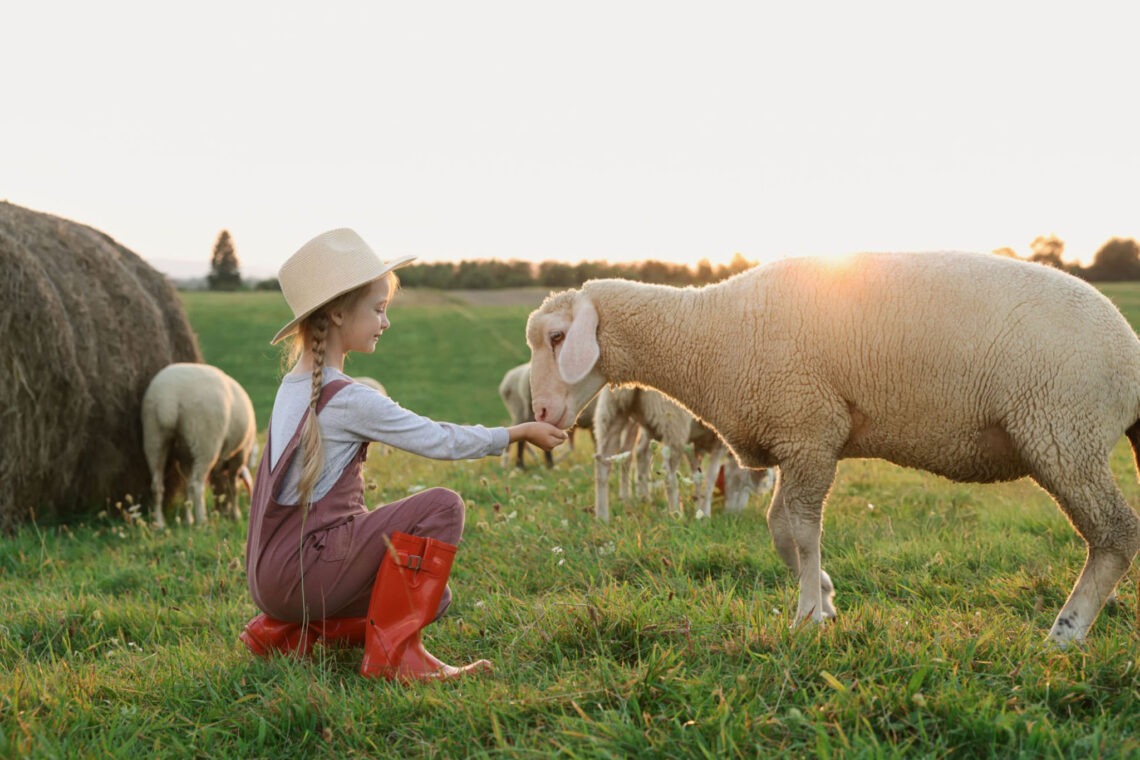
Spring Pasture Revival: What Your Grass Needs First
As the chill of winter fades and early spring arrives, ranchers across the U.S. face one critical question: how do you prepare your pastures for a strong growing season? Spring pasture revival isn’t just about green grass—it’s about ensuring your forage is healthy, nutritious, and ready to support your livestock. Many ranchers focus solely on planting or fertilizing, but the first steps you take in early spring can set the tone for your pasture’s productivity all year long.
1. Assess Soil Health Before Anything Else
Before you think about seeding or grazing, take a close look at your soil. Winter often leaves soil compacted or nutrient-depleted, which can hinder grass growth if not addressed.
- Soil Testing: Collect samples from multiple spots across your pasture. Testing for pH, nitrogen (N), phosphorus (P), and potassium (K) levels provides a roadmap for corrective measures.
- Adjust pH if Needed: Most forage grasses thrive in a pH between 6.0 and 7.0. Lime application in early spring can prevent slow growth later.
- Organic Matter Matters: Incorporating compost or manure can boost soil biology, improving water retention and nutrient cycling.
2. Remove Debris and Prepare the Field
Dead plant material, sticks, and compacted areas can limit sunlight penetration and air circulation. Early spring is the perfect time to clean up pastures.
- Mow or Harrow Residue: Lightly mowing old growth can stimulate new shoots and reduce disease risk.
- Aerate Compacted Soil: Aeration improves water infiltration and root development, particularly in high-traffic areas near water troughs or feeding stations.
3. Early Fertilization Supports Rapid Growth
Once soil health is assessed, spring fertilization can kick-start forage production. However, timing and nutrient selection are critical.
- Nitrogen for Early Growth: Nitrogen encourages leaf development, which is essential for early spring grazing.
- Balanced Fertilizer Mix: Incorporate phosphorus and potassium to strengthen root systems and improve winter hardiness.
- Avoid Over-Fertilizing: Too much nitrogen too early can lead to lush, weak growth prone to disease.
4. Select the Right Forage Species for Spring
Not all grasses grow at the same rate in early spring. Evaluate your pasture species and consider overseeding if needed.
- Cool-Season Grasses: Ryegrass, fescue, and orchardgrass respond quickly to spring warmth.
- Legumes for Protein: Clovers or alfalfa increase protein content, benefiting lactating cows or growing calves.
- Weed Management: Early competition from weeds can stunt desirable forage. Apply targeted herbicides or mechanical control before grazing begins.
5. Plan Early Grazing Strategically
Even healthy pastures can be damaged by early, unplanned grazing. Protect new shoots while giving livestock access to fresh forage.
- Rotational Grazing: Divide your pasture into sections and move cattle frequently. This prevents overgrazing and promotes even regrowth.
- Start Light: Begin with short grazing periods in early spring. Heavy grazing before grass reaches 4–6 inches can weaken root systems.
- Monitor Recovery: Observe how quickly grazed sections rebound; adjust stocking rates as necessary.
6. Water and Drainage Considerations
Early spring often brings wet conditions. Saturated pastures not only limit growth but can also cause hoof damage.
- Check Drainage: Ensure ditches, tiles, or slopes effectively move water away from grazing areas.
- Provide Dry Access: Cattle should have access to higher, well-drained areas to prevent soil compaction.
7. Keep an Eye on Early Pests and Diseases
Even in early spring, pests like armyworms or early fungal diseases can harm young grass.
- Scout Regularly: Walk pastures weekly to identify early infestations.
- Integrated Pest Management: Combine mechanical removal, grazing management, and selective pesticide use to protect forage without harming beneficial insects.
Conclusion
Reviving pastures in spring is more than waiting for the grass to green up. By focusing on soil health, debris removal, balanced fertilization, strategic grazing, and pest management, ranchers can maximize early forage growth, support livestock nutrition, and set the stage for a productive year. Early attention pays off, preventing costly setbacks in mid- and late-season grazing.
Takeaway: The first actions you take in early spring—soil testing, cleanup, fertilization, and smart grazing—determine whether your pasture thrives or struggles. Don’t wait until growth is in full swing; start now to get the most from your land this season.
This article is fully optimized for Google SEO, uses American ranching terminology, and avoids repetition from previous pasture articles.
If you want, I can also create a list of 5–10 supporting internal SEO subtopics for this article, like “best early spring fertilizers” or “rotational grazing tips for early spring,” which will strengthen Google indexing and make it easier to rank.
Do you want me to do that?


You May Also Like

How to Protect Early Plants from Unexpected Spring Frost

Winter-Proofing Your Garden: Cover Crops and Mulch Tips