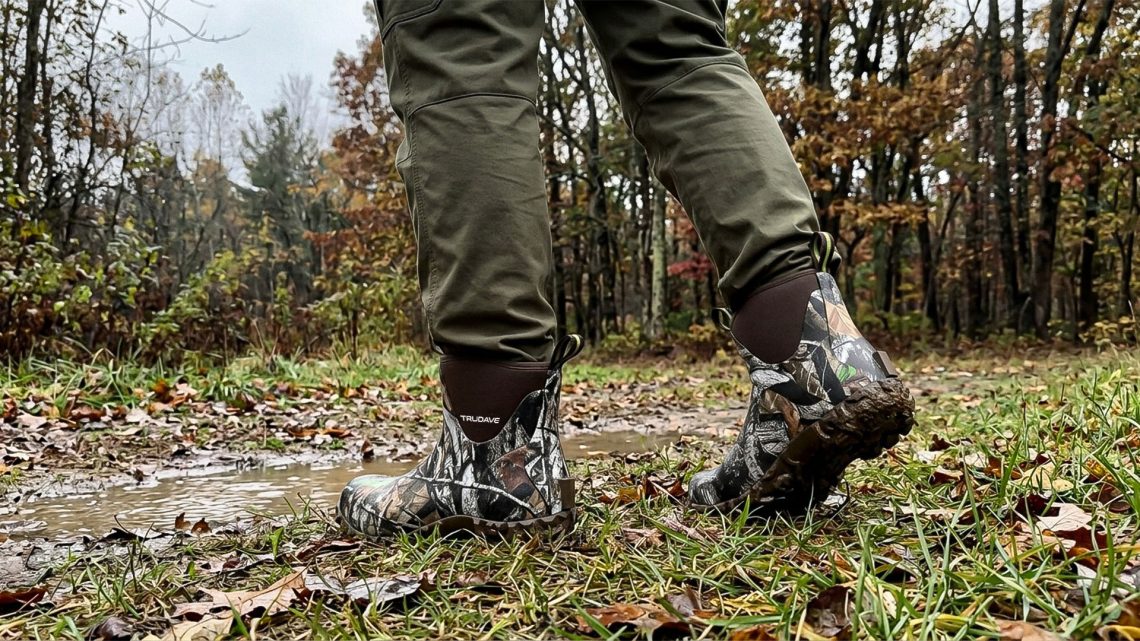
Saltwater on the Deck, Kelp on the Lines: Choosing Footwear for Coastal Seaweed Harvest and Aquaculture Work
Seaweed farming brings agriculture directly into a marine environment.
Instead of walking crop rows or livestock barns, workers may spend their day moving between tidal shorelines, docks, boats, floating gear, harvest lines, wet processing floors, refrigerated storage, and coastal loading areas.
A seaweed-farm worker may begin before sunrise preparing a boat, step across a wet dock, travel to offshore growing lines, haul kelp or other seaweed aboard, rinse equipment, unload harvest baskets, move product into a processing area, and finish the shift washing saltwater and organic residue from tools and floors.
Footwear may encounter:
- Saltwater.
- Rain.
- Wet boat decks.
- Tidal mud.
- Seaweed residue.
- Gravel.
- Dock surfaces.
- Shallow water.
- Washdown water.
- Processing floors.
- Cold storage.
- Coastal mud.
That makes footwear a critical part of everyday comfort and mobility.
The right footwear needs to keep water out, remain secure on changing surfaces, provide enough cushioning for long hours on hard decks or concrete, clean easily, and match the actual depth of water workers encounter.
For many seaweed operations, waterproof work boots, rubber boots, deck boots, and waders each have a role.
Seaweed Farming Creates Several Footwear Environments in One Job
A worker may begin the day on dry ground and within minutes move onto:
- Wet docks.
- Boats.
- Tidal areas.
Later, the same worker may finish the shift inside a processing room.
That means footwear needs can change significantly throughout the day.
A deep-lug mud boot may work well on a shoreline but feel awkward on a boat.
A lightweight deck boot may be excellent around vessels but provide too little coverage for deeper tidal work.
The actual job should determine the footwear.
Saltwater Exposure Happens Constantly
Marine agriculture means workers are exposed to saltwater through:
- Spray.
- Waves.
- Wet ropes.
- Harvested seaweed.
- Boat washdown.
Even workers who never step directly into the ocean may spend an entire shift around water.
Fully waterproof footwear provides much more consistent protection than ordinary work shoes.
Saltwater Is Different From Rainwater
Saltwater leaves residue after it dries.
Regular exposure may also bring:
- Sand.
- Organic matter.
- Marine debris.
That means seaweed-farm footwear should be easy to rinse.
Smooth waterproof uppers are especially practical.
Wet Boat Decks Require Controlled Footing
Many seaweed operations depend on boats to reach growing sites.
Workers may spend hours on decks while:
- Handling lines.
- Pulling harvest.
- Moving containers.
- Operating equipment.
The outsole needs good surface contact.
Extremely Deep Mud Lugs Can Be Awkward on Decks
Aggressive agricultural tread may:
- Feel unstable on flat surfaces.
- Catch on equipment.
- Hold marine debris.
A more moderate tread pattern is often better for boat crews.
Deck Flexibility Matters
Boat workers need to adjust their stance constantly.
Flexible outsoles help workers maintain more natural movement.
Secure Fit Matters on Moving Vessels
Loose boots can shift internally when the boat moves.
That can reduce control.
Good heel retention is important.
Footwear for Kelp Harvest Crews
Kelp harvest may involve:
- Pulling lines.
- Cutting seaweed.
- Moving heavy wet biomass.
- Loading baskets.
Wet kelp can be surprisingly heavy.
Workers need stable footing when their hands are occupied.
Wet Seaweed Can Make Work Areas Messy
Harvested seaweed may leave organic material across:
- Decks.
- Containers.
- Floors.
Prompt cleanup is important.
No boot can completely compensate for heavy organic buildup.
Footwear for Longline Seaweed Farms
Some operations use offshore or nearshore growing lines.
Workers may handle:
- Ropes.
- Buoys.
- Anchoring systems.
- Harvest lines.
Boat-based crews need footwear that emphasizes:
- Waterproofing.
- Deck control.
- Flexibility.
- Secure fit.
Footwear for Nearshore Kelp Farms
Workers may spend more time around:
- Shallow water.
- Shore access points.
Additional shaft coverage may become more important.
Footwear for Tidal Seaweed Farms
Intertidal operations may require workers to walk across exposed ground during low tide.
Surfaces may include:
- Mud.
- Sand.
- Rock.
- Standing water.
Mid-calf rubber boots can work well in shallow conditions.
Tidal Mud Can Create Strong Suction
Coastal mud may grip footwear tightly.
Loose-fitting boots may:
- Lift at the heel.
- Rub.
- Become partially pulled off.
Secure heel fit matters.
When Waders Make More Sense
If water regularly rises above boot height, standard waterproof boots are no longer enough.
Workers may need:
- Hip waders.
- Chest waders.
depending on the task.
Boots Are Not a Substitute for Waders
A taller rubber boot still has an upper limit.
Once water enters over the shaft, the waterproof benefit is lost.
Footwear for Seaweed Nursery Facilities
Young seaweed may be started in nursery or hatchery environments.
These facilities may contain:
- Tanks.
- Pipes.
- Wet concrete.
- Filtration systems.
Workers may spend much more time indoors.
Hard-Floor Cushioning Matters
Concrete can be demanding over a full shift.
Workers should consider:
- Supportive midsoles.
- Cushioned footbeds.
not just waterproof construction.
Footwear for Tank Rooms
Tank areas may experience constant:
- Splash.
- Condensation.
Moderate easy-clean tread is practical.
Footwear for Nursery Washdown
Workers may regularly clean:
- Tanks.
- Floors.
- Tools.
Mid-height or mid-calf rubber boots provide useful splash coverage.
Pressure Washing Requires Additional Caution
Waterproof footwear protects against routine spray.
It does not protect against direct high-pressure water jets.
Footwear for Rope and Line Handling
Marine farms use substantial amounts of:
- Rope.
- Line.
- Netting.
Workers need precise movement.
Very bulky footwear can become inconvenient.
Footwear for Line Maintenance
Workers may inspect or repair:
- Growing ropes.
- Floats.
- Connections.
Secure footing is especially important when working from boats.
Footwear for Mooring Areas
Workers may operate around:
- Dock lines.
- Anchoring equipment.
Durable waterproof boots are practical.
Footwear for Buoy Maintenance
Buoy handling can involve:
- Wet equipment.
- Saltwater.
- Slippery surfaces.
Good deck-oriented tread is useful.
Footwear for Boat Loading
Workers may load:
- Containers.
- Gear.
- Harvest tools.
Stable footing matters because both hands may be occupied.
Footwear for Dock Loading Crews
Dock workers may move between:
- Boat decks.
- Wooden docks.
- Concrete.
- Gravel.
Mixed-surface waterproof footwear provides versatility.
Wet Wooden Docks Need Extra Care
Wood can become slick when covered with:
- Rain.
- Seaweed.
- Marine residue.
Regular cleaning remains essential.
Footwear for Metal Gangways
Workers may cross:
- Grating.
- Metal ramps.
Moderate tread and defined heel edges provide controlled contact.
Footwear for Coastal Shore Access
Some farms launch or unload through natural shore areas.
Workers may encounter:
- Wet sand.
- Mud.
- Gravel.
- Rocks.
More supportive outdoor footwear may be useful.
Footwear for Rocky Shorelines
Thin rubber footwear may provide limited underfoot comfort over sharp rock.
Supportive midsoles help.
Footwear for Muddy Launch Sites
Boat-launch areas can become heavily trafficked and soft.
Open tread channels help release soil.
Footwear for Gravel Boat Ramps
Strong midsoles reduce pressure from crushed stone.
Footwear for Seaweed Harvest Bins
Freshly harvested seaweed may be placed into:
- Baskets.
- Totes.
- Bins.
These containers can become heavy.
Protective Toes May Be Useful
Workers handling heavy containers may need protective-toe footwear depending on the operation.
Footwear for Harvest Cranes and Winches
Larger farms may use mechanical equipment to raise wet biomass.
Workers may operate around:
- Winches.
- Hoists.
Structured safety footwear may be appropriate.
Machinery Safety Comes First
Footwear cannot protect workers from improper operation of moving machinery.
Workers should follow established equipment procedures.
Footwear for Seaweed Processing Areas
After harvest, seaweed may be:
- Washed.
- Sorted.
- Cut.
- Dried.
- Packed.
This changes the footwear environment.
Wet Processing Floors
Wash water and seaweed residue may leave:
- Concrete.
- Drains.
wet throughout production.
Waterproof footwear becomes especially valuable.
Hard-Floor Support Becomes More Important Indoors
Workers may stand for hours at:
- Sorting tables.
- Processing lines.
Supportive midsoles help reduce fatigue.
Deep Offshore Tread Is Usually Not Ideal Inside
Very aggressive tread may:
- Trap seaweed.
- Hold sand.
- Be difficult to sanitize.
Moderate easy-clean tread works better.
Footwear for Seaweed Washing
Fresh harvest may need thorough rinsing.
Workers may spend much of the shift around:
- Water.
- Hoses.
- Tanks.
Mid-calf boots provide useful splash coverage.
Footwear for Sorting Crews
Workers may separate seaweed by:
- Species.
- Size.
- Quality.
They may stand in one place for extended periods.
Cushioning matters.
Footwear for Cutting and Processing
Workers may use specialized cutting equipment.
Footwear should match the facility’s general safety requirements.
Footwear for Drying Facilities
Seaweed may be dried using:
- Racks.
- Controlled processing.
These areas may be less wet but still involve long periods on concrete.
Footwear for Packing Crews
Finished products may be packed into:
- Bags.
- Boxes.
- Containers.
Lower-weight waterproof work boots can be practical.
Footwear for Pallet Handling
Larger operations may use:
- Pallet jacks.
- Forklifts.
Protective-toe footwear may be required.
Footwear for Forklift Operators
Drivers need:
- Good pedal control.
- Moderate outsole thickness.
- Secure heel support.
Footwear for Cold Storage
Fresh seaweed may move into chilled storage.
Workers may transition between:
- Outdoor marine conditions.
- Refrigerated rooms.
Waterproofing Does Not Equal Insulation
A waterproof boot may still provide limited cold protection.
Workers spending long periods in coolers may need appropriate insulation.
Wool-Blend Socks Can Help
They support both:
- Moisture management.
- Temperature regulation.
Footwear for Loading Docks
Shipping crews may move between:
- Wet processing areas.
- Outdoor rain.
- Refrigerated trucks.
Waterproof mixed-surface boots work well.
Footwear for Seaweed Delivery Drivers
Drivers may transport harvest or finished products to:
- Processors.
- Restaurants.
- Distributors.
Driving comfort matters.
Very Tall Rubber Boots Can Become Awkward in Vehicles
A mid-height waterproof work boot may be better for workers who split their day between:
- Driving.
- Wet loading areas.
Footwear for Seaweed Farm Mechanics
Marine farming operations may rely on:
- Boats.
- Pumps.
- Winches.
- Trucks.
- Forklifts.
Maintenance workers may encounter:
- Oil.
- Grease.
- Fuel.
Waterproof Does Not Mean Oil Resistant
Oil resistance is a separate property.
Footwear for Boat Engine Maintenance
Workers may deal with:
- Fuel.
- Lubricants.
- Wet decks.
Material compatibility should be considered.
Footwear for Hydraulic Equipment
Oil-resistant soles may be appropriate.
Electrical Work Requires Proper PPE
Waterproof footwear is not automatically electrically rated.
Pump and processing-equipment maintenance may require specialized protection.
Footwear for Welding and Fabrication
General rubber boots are not automatically suitable around:
- Sparks.
- Hot metal.
Task-specific footwear should be used.
Footwear for Seaweed Farm Pump Systems
Nursery or processing operations may rely on pumps.
Workers may encounter:
- Wet concrete.
- Mechanical systems.
Structured waterproof work boots are practical.
Footwear for Filtration Areas
Water-treatment systems may involve:
- Filters.
- Pipes.
- Tanks.
Easy-clean footwear helps.
Footwear for Sanitation Crews
Seaweed processing facilities may use:
- Cleaning.
- Sanitation products.
Waterproof Does Not Automatically Mean Chemical Resistant
Workers should verify compatibility with the actual products used.
Facility PPE rules should take priority.
Footwear for Coastal Farm Roads
Land-based facilities may use:
- Dirt.
- Gravel roads.
Coastal rain can make these areas muddy.
Footwear for Gravel Yards
Supportive midsoles improve comfort.
Footwear for Muddy Equipment Yards
Open tread helps release soil.
Footwear for Storage Areas
Marine gear may be stored in:
- Sheds.
- Warehouses.
Workers may spend more time on concrete.
Footwear for Net and Rope Storage
Wet equipment can continue bringing moisture indoors.
Waterproof easy-clean boots are useful.
Footwear for Storm Preparation
Marine farms must sometimes prepare for severe weather.
Workers may need to:
- Secure gear.
- Move equipment.
- Inspect docks.
Wet and windy conditions increase the importance of secure footwear.
Storm Conditions Require More Than Better Boots
High winds, rough water, and flooding create hazards that footwear alone cannot solve.
Workers should follow farm and marine safety procedures.
Footwear for Post-Storm Cleanup
After severe weather, workers may encounter:
- Debris.
- Mud.
- Damaged equipment.
More protective footwear may be necessary.
Floodwater Requires Caution
Storm water can hide:
- Sharp debris.
- Holes.
- Contamination.
General waterproof boots are not suitable for every recovery task.
Footwear for Cold-Water Seaweed Farms
Some kelp operations are located in cold coastal regions.
Workers may be exposed to:
- Cold air.
- Cold seawater.
- Wind.
Insulation May Be Necessary
Workers should consider:
- Air temperature.
- Water temperature.
- Activity level.
Excessive Insulation Can Still Cause Problems
Highly active workers may overheat.
Balance is important.
Footwear for Warm-Weather Seaweed Farms
Warmer climates may create:
- Heat.
- Humidity.
Lower-weight waterproof footwear may be more comfortable.
Waterproof Boots Can Become Damp Inside
Sweat may create internal moisture even if no seawater enters.
Daily drying is important.
Long Marine Harvest Shifts Change Comfort Priorities
Workers may spend many hours:
- Standing.
- Lifting.
- Walking.
- Balancing.
- Driving.
Footwear fatigue can build quickly.
Cushioning Matters on Boats and Concrete
Neither surface is particularly forgiving.
Supportive midsoles improve comfort.
Boot Weight Matters
Heavy boots add fatigue.
This becomes especially noticeable during repeated lifting and boat movement.
Heel Retention Matters in Mud and on Decks
Secure fit helps maintain predictable movement.
Ankle Support Matters on Shore
Rocky and muddy coastal access areas can be uneven.
Forefoot Flexibility Matters on Boats
Workers need to adjust their stance frequently.
Flexible footwear allows more natural movement.
Toe Room Matters During Long Shifts
Feet may swell.
Enough room improves comfort without making the boot loose.
Socks for Seaweed Farm Workers
Synthetic and wool-blend socks generally perform better than cotton.
Useful characteristics include:
- Moisture wicking.
- Quick drying.
- Temperature regulation.
Wool Blends Work Well in Cold Coastal Conditions
They help manage both:
- Temperature.
- Moisture.
Lightweight Socks Work Better in Warm Weather
Heavy socks may increase heat buildup.
Spare Socks Can Be Valuable
Water may occasionally enter footwear during:
- Heavy splash.
- Deeper water.
A dry replacement pair can improve the rest of the shift.
Removable Insoles Help With Daily Drying
Removable footbeds make it easier to:
- Dry boots.
- Improve hygiene.
- Replace worn cushioning.
Saltwater Requires Regular Footwear Maintenance
Salt residue may remain after seawater dries.
Regular fresh-water rinsing is useful.
How to Clean Seaweed Farm Work Boots
A practical routine may include:
- Remove seaweed and marine debris.
- Rinse saltwater residue with fresh water.
- Brush mud or sand from tread.
- Remove organic residue.
- Follow processing-facility sanitation procedures.
- Remove damp insoles.
- Allow footwear to dry fully.
Seaweed Should Be Removed From Tread
Plant material can become trapped in outsole grooves.
Sand Can Hide Inside Lug Channels
Regular cleaning helps maintain usable tread.
Salt Residue Should Be Rinsed Away
Fresh-water rinsing helps reduce buildup.
How to Dry Marine Work Boots
After cleaning:
- Remove insoles.
- Open boots fully.
- Allow airflow.
- Use low-temperature drying if approved.
Avoid excessive direct heat.
Rotating Two Pairs Can Help Full-Time Workers
Marine work creates daily moisture exposure.
Alternating pairs gives each one more drying time.
When Seaweed Farm Boots Should Be Replaced
Replace footwear when:
- Waterproofing fails.
- Rubber cracks.
- Outsole separation develops.
- Tread becomes badly worn.
- Heel support collapses.
- Cuts damage the upper.
- Puncture damage occurs.
- Cushioning becomes ineffective.
Are Rubber Boots Good for Seaweed Farming?
Yes.
Rubber boots are especially practical for:
- Saltwater.
- Mud.
- Shoreline work.
- Washdown.
The ideal height depends on actual water depth.
Are Deck Boots Good for Seaweed Farm Workers?
They can be excellent for workers who spend most of their shift on:
- Boats.
- Docks.
Workers entering deeper mud or water may need taller footwear.
Do Seaweed Farm Workers Need Waders?
Some do.
Waders may be appropriate for:
- Tidal work.
- Shallow-water harvest.
- Tasks where water regularly exceeds boot height.
What Footwear Works Well on Kelp Boats?
Waterproof deck-oriented boots with:
- Flexible outsoles.
- Secure heel fit.
- Moderate tread.
are practical.
What Footwear Works Well on Tidal Seaweed Farms?
Mid-calf rubber boots or waders with secure fit and appropriate mud traction can work well depending on water depth.
Do Seaweed Farm Workers Need Safety-Toe Boots?
Some loading, pallet, forklift, machinery, processing, and maintenance jobs may require them.
Do Marine Farm Workers Need Puncture Protection?
Sharp dock debris, equipment, or coastal material may make rated puncture protection useful for certain jobs.
Are Waterproof Seaweed Boots Chemical Resistant?
Not automatically.
Cleaning products, oils, fuels, and processing chemicals may require specialized materials.
Common Mistakes When Choosing Seaweed-Farm Footwear
Choosing Footwear Only for Water Depth
Workers also need to consider boats, docks, concrete, and driving.
Wearing Loose Boots in Tidal Mud
Suction can pull them off.
Choosing Maximum Mud Lugs for Boat Crews
Aggressive tread may feel bulky on decks.
Assuming Tall Rubber Boots Replace Waders
They do not when water exceeds the shaft.
Ignoring Saltwater Maintenance
Regular fresh-water rinsing helps keep footwear clean.
Ignoring Concrete Cushioning
Processing workers may spend many hours on hard floors.
Assuming Waterproof Means Chemical or Oil Resistant
Those are separate properties.
Letting Kelp and Sand Accumulate in Tread
Regular cleaning improves inspection and traction.
Choosing Footwear Around the Actual Seaweed-Farm Job
For boat-based harvest crews, prioritize:
- Waterproof construction.
- Flexible deck-oriented tread.
- Secure heel fit.
- Strong cushioning.
For tidal workers, prioritize:
- Appropriate shaft height.
- Mud-release traction.
- Secure fit.
For deeper-water workers, prioritize:
- Properly fitted waders.
For dock workers, prioritize:
- Mixed-surface waterproofing.
- Controlled tread.
- Underfoot support.
For processing workers, prioritize:
- Hard-floor cushioning.
- Easy-clean construction.
- Moderate tread.
For cold-storage employees, prioritize:
- Temperature-appropriate insulation.
- Strong cushioning.
For delivery drivers, prioritize:
- Driving comfort.
- Weather protection.
For maintenance technicians, prioritize:
- Oil resistance.
- Electrical protection.
- Puncture resistance.
- Chemical compatibility.
- Task-specific safety ratings.
Workers comparing waterproof footwear from brands such as Trudave Gear should choose footwear around the actual combination of saltwater, tidal mud, boats, docks, kelp harvest, washdown, processing floors, cold storage, and long marine work shifts involved in their job.
Frequently Asked Questions
What footwear works well for seaweed farm workers?
Waterproof work boots, rubber boots, or deck boots with secure fit, supportive cushioning, and tread matched to the actual work surface are practical.
Are rubber boots good for kelp farming?
Yes. Rubber boots are useful for shoreline work, wet docks, shallow water, saltwater exposure, and processing washdown.
Are deck boots useful for seaweed harvesting?
Yes, especially for workers who spend most of the day on boats or docks.
Do seaweed farmers need waders?
Some do. If workers regularly enter water above boot height, properly fitted waders may be more appropriate.
What boots work well in tidal mud?
Waterproof boots with secure heel retention, open mud-release tread, strong midsoles, and appropriate shaft height are practical.
What footwear works well inside seaweed processing facilities?
Waterproof work boots with strong concrete cushioning, moderate easy-clean tread, secure heel support, and safety protection where required are practical.
Do seaweed workers need safety toes?
Some loading, forklift, processing, equipment, and maintenance roles may require protective-toe footwear.
Are waterproof marine boots resistant to saltwater?
Waterproof boots can handle routine water exposure, but saltwater residue should still be rinsed away regularly according to footwear-care guidance.
Are seaweed-farm boots chemical resistant?
Not automatically. Workers should verify compatibility with the specific sanitation, fuel, oil, or processing products involved.
How should seaweed-farm boots be cleaned?
Remove seaweed, mud, sand, and marine debris, rinse saltwater residue with fresh water, follow processing sanitation procedures where applicable, and allow footwear to dry completely.
Final Thoughts
Seaweed farming combines saltwater, tidal mud, boats, docks, harvest lines, wet biomass, processing washdown, concrete floors, cold storage, loading areas, and demanding coastal weather.
That variety means footwear needs change dramatically across the operation.
Boat crews need flexible waterproof footwear with dependable deck contact.
Tidal workers need secure boots that resist mud suction.
Deeper-water crews may need waders.
Dock workers require mixed-surface traction.
Processing employees need waterproof footwear with strong concrete cushioning.
Cold-storage crews may need additional insulation.
Maintenance technicians may require oil, electrical, puncture, chemical, or other task-specific protection.
Trudave Gear offers waterproof work boots, rubber boots, deck boots, and waders suited to rain, saltwater, mud, wet decks, shoreline work, washdown, fishing, and demanding marine environments.
Choosing footwear around the actual seaweed-farm role can help workers stay drier, reduce fatigue, maintain more predictable footing, and remain more comfortable from the first boat departure before sunrise to the final processing-floor washdown after the day’s kelp harvest.


You May Also Like

Livestock Health Checks Before the Deep Freeze: What to Inspect Now

Cold-Hardy Crops: Planning a Garden That Survives Snow and Frost