Rain Boot Guides
Rain boot sizing, materials, care, and buying guides for gardening, farm chores, and wet-weather work. Find practical guidance for choosing footwear that fits the conditions and the task.
-
Best Boots for Horse Farm Work: Waterproof Footwear for Stables, Mud, Pastures, and Daily Ranch Tasks
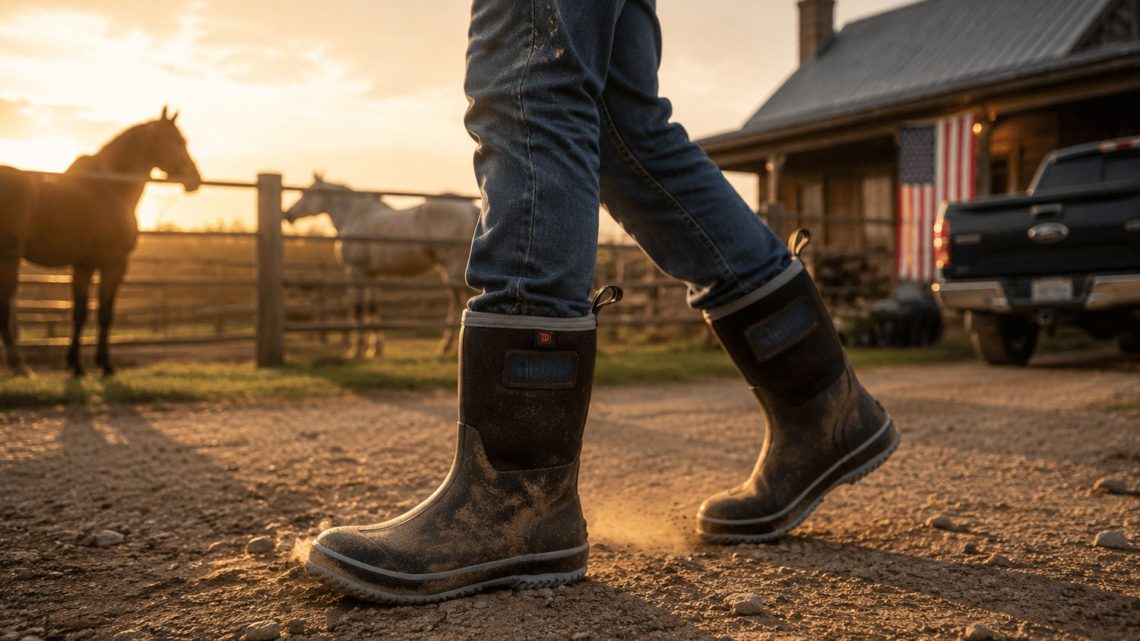
Working on a horse farm requires footwear that can handle far more than riding. Horse owners, stable managers, trainers, ranch workers, and farm employees spend long hours moving between stalls, pastures, paddocks, arenas, equipment areas, and outdoor trails. A typical day may include feeding horses, cleaning stalls, carrying bedding, repairing fences, filling water tanks, grooming animals, checking pastures, moving equipment, and working through changing weather conditions. The ground conditions can change constantly. A dry barn aisle may become wet after cleaning. A pasture may turn into deep mud after rain. A gravel driveway may become slippery during winter. A riding arena may contain loose sand, dust, and uneven surfaces. The…
You May Also Like
How Should Rain Boots Fit? A Practical Sizing Guide for Outdoor Use
-
How Should Rain Boots Fit? A Practical Sizing Guide for Outdoor Use
Traditional rubber boots do not stretch very much over time. If a pair feels painfully tight when you first try them on, they are unlikely to become significantly more comfortable after extended use. At the same time, buying oversized boots can create other problems. Excessively loose rain boots may cause: A slightly relaxed fit is useful because outdoor conditions change. You might wear lightweight moisture-wicking socks during warm weather and thicker wool socks when temperatures drop. Your boots should accommodate both situations without becoming uncomfortable. How Much Room Should You Have in the Toe Box? The toe box should provide enough space for your toes to move naturally. When standing…