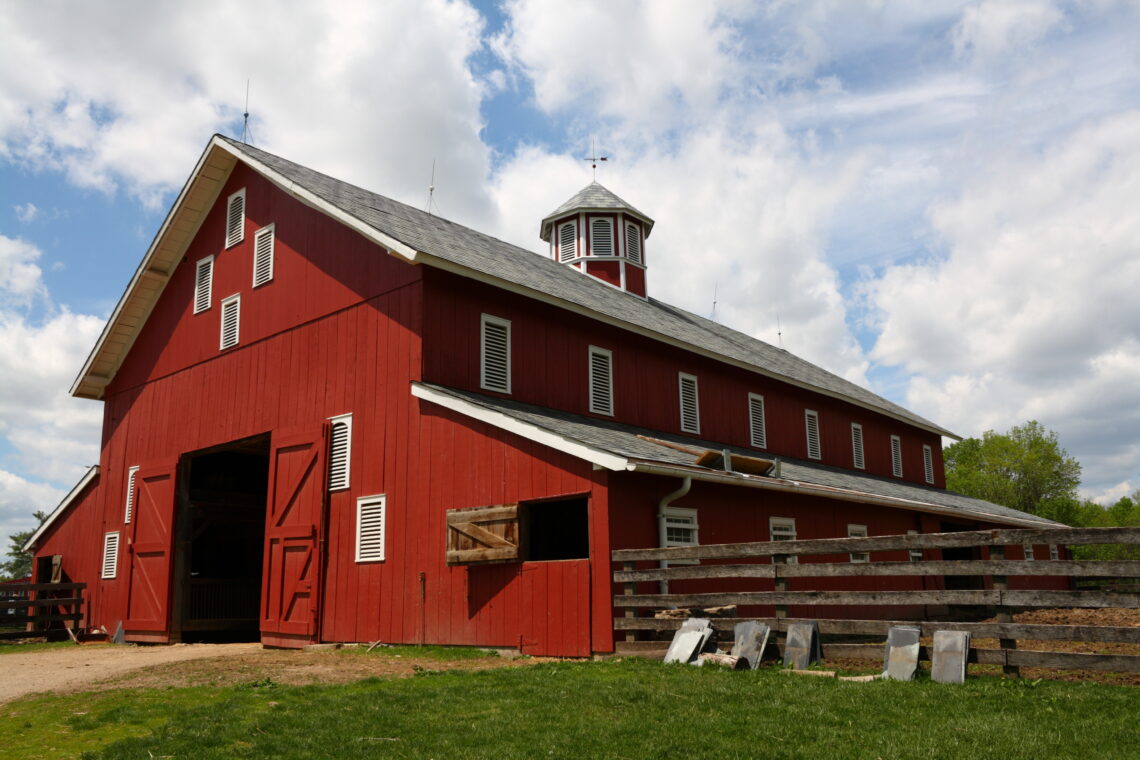
How to Prepare Your Barn and Equipment for the Busy Spring Season
As the chill of winter fades and the first signs of spring emerge, it’s time to gear up for the busiest time of year on the farm. Spring brings new life, increased activity, and higher demands on both your barn and equipment. Proper preparation is crucial to ensure smooth operations, prevent equipment breakdowns, and keep your livestock healthy and comfortable. A well-organized and well-maintained barn and set of tools can make the difference between a productive season and one plagued by setbacks.
In this guide, we’ll cover everything you need to know to get your barn and equipment in top shape for the spring season—from deep cleaning and pest control to equipment maintenance and safety checks. Let’s dive in!
1. Deep Clean the Barn and Livestock Areas
Winter tends to leave behind a buildup of dirt, dust, and waste in the barn. A thorough spring cleaning will help prevent disease, improve air quality, and create a more comfortable environment for both you and your livestock.
🧹 Step-by-Step Barn Cleaning
- Remove All Bedding and Waste
- Strip out all old bedding, manure, and debris from stalls and storage areas.
- Compost the organic waste or spread it on your fields as fertilizer if it’s well-composted.
- Sweep and Pressure Wash
- Sweep out dust, cobwebs, and loose dirt from the floors, walls, and rafters.
- Use a pressure washer with a mild disinfectant to scrub down floors, walls, and stalls.
- Disinfect All Surfaces
- Use a farm-safe disinfectant to kill any lingering bacteria or viruses.
- Pay close attention to corners, water troughs, and feed bins where pathogens tend to build up.
- Check for Mold and Mildew
- Humid winter conditions can lead to mold and mildew growth.
- Scrub affected areas with a vinegar or bleach solution and improve ventilation to prevent future issues.
2. Repair and Maintain Barn Structures
Winter weather can take a toll on the structural integrity of your barn. Before the busy season begins, it’s important to address any damage to keep your barn secure and functional.
🛠️ Key Repairs and Checks
- Roof and Gutters
- Inspect the roof for missing or damaged shingles or panels.
- Clean out gutters and downspouts to prevent water damage and ensure proper drainage.
- Doors and Windows
- Fix any sticking or damaged doors and windows.
- Repair or replace broken latches, hinges, and window panes.
- Check for drafts and seal any gaps to improve temperature control.
- Flooring and Stalls
- Check stall floors for holes or uneven areas that could injure livestock.
- Re-bed stalls with fresh straw or shavings for comfort and cleanliness.
- Ventilation
- Clean fans and vents to ensure proper airflow and prevent respiratory issues in livestock.
- Replace any damaged or clogged air filters.
3. Inspect and Service Equipment
Farm equipment works hard during the spring, so it’s essential to have it in peak condition before the season starts. Early maintenance will save you from costly breakdowns during the busiest times.
🔧 Essential Equipment Maintenance
- Tractors and ATVs
- Check oil levels, hydraulic fluid, and coolant.
- Inspect tires for proper inflation and signs of wear.
- Clean and grease moving parts to prevent rust and ensure smooth operation.
- Plows, Harrows, and Tillers
- Sharpen blades and replace any worn or damaged parts.
- Ensure that all fasteners and joints are secure.
- Fencing Equipment
- Test the strength of posts and wires.
- Repair or replace any broken or sagging sections.
- Test electric fencing to ensure proper voltage and grounding.
- Irrigation Systems
- Check hoses and pipes for leaks or cracks.
- Clean out nozzles and filters to ensure consistent water flow.
- Test pump and pressure levels.
- Feed and Water Systems
- Clean out water troughs and feeders.
- Check automatic waterers for proper function and flow.
- Repair any leaks or blockages.
4. Stock Up on Supplies
Running out of essential supplies during the spring can create unnecessary stress and disrupt your workflow. Take an inventory and stock up on everything you’ll need before the busy season begins.
🛒 Essential Spring Supplies
- Animal Feed – Ensure you have a sufficient supply for the season, including specialty feeds for newborns or nursing animals.
- Veterinary Supplies – Keep dewormers, vaccines, wound treatments, and electrolytes on hand.
- Bedding – Stock up on straw, shavings, or other preferred bedding materials.
- Seeds and Fertilizer – If you plan to grow crops or pasture, make sure you have enough seeds and soil amendments.
- Repair Supplies – Keep spare parts for fencing, tools, and equipment on hand.
5. Prepare for New Livestock Arrivals
If you’re expecting new animals this spring, proper preparation will help them settle in quickly and reduce stress.
🐑 Set Up Birthing and Nursery Areas
- Create a quiet, sheltered space for birthing animals.
- Make sure heat lamps or warming areas are in place for newborns.
- Provide easy access to fresh water and nutritious feed for nursing mothers.
🐖 Quarantine New Animals
- Keep new livestock in a separate area for at least two weeks to monitor for illness.
- Provide separate feed and water to avoid spreading potential diseases.
6. Improve Efficiency with Smart Organization
An organized barn will save you time and effort throughout the season. Invest some time upfront to make sure everything is easy to find and access.
📦 Organizational Tips
- Install shelving and hooks for tools, ropes, and buckets.
- Group similar items together (e.g., medical supplies, grooming tools).
- Label bins and storage containers for quick identification.
- Keep a whiteboard or clipboard near the entrance for quick notes and reminders.
7. Pest Control and Prevention
Warmer weather means the return of flies, rodents, and other pests. A solid pest control strategy will protect your animals and feed supply.
🐭 Pest Prevention Tips
- Store feed in airtight containers to deter rodents.
- Keep barn floors and feeding areas clean and dry.
- Use fly traps, sticky strips, or natural repellents to control flies.
- Seal any small openings where mice or insects could enter.
- Introduce barn cats or other natural predators to keep rodent populations down.
8. Establish a Maintenance Schedule
Once everything is clean, repaired, and organized, create a maintenance schedule to keep things running smoothly all season long.
📝 Weekly Checklist
✔️ Clean stalls and replace bedding
✔️ Inspect and repair equipment
✔️ Monitor water sources and refill as needed
✔️ Walk the perimeter of fences and gates
✔️ Check on livestock health and feeding patterns
📝 Monthly Checklist
✔️ Clean and lubricate machinery
✔️ Test electric fencing and irrigation systems
✔️ Rotate stored feed and bedding to prevent spoilage
✔️ Deep clean ventilation systems and fans
Conclusion
Preparing your barn and equipment for the spring season sets the foundation for a smooth and productive year. By deep cleaning, repairing structural issues, maintaining equipment, and organizing supplies, you’ll avoid common setbacks and improve overall efficiency. A well-maintained barn isn’t just more comfortable for your livestock—it makes your daily work easier and more enjoyable. Take the time now to get everything in order, and you’ll be ready to face the busy spring season with confidence and success. 🌾🚜

