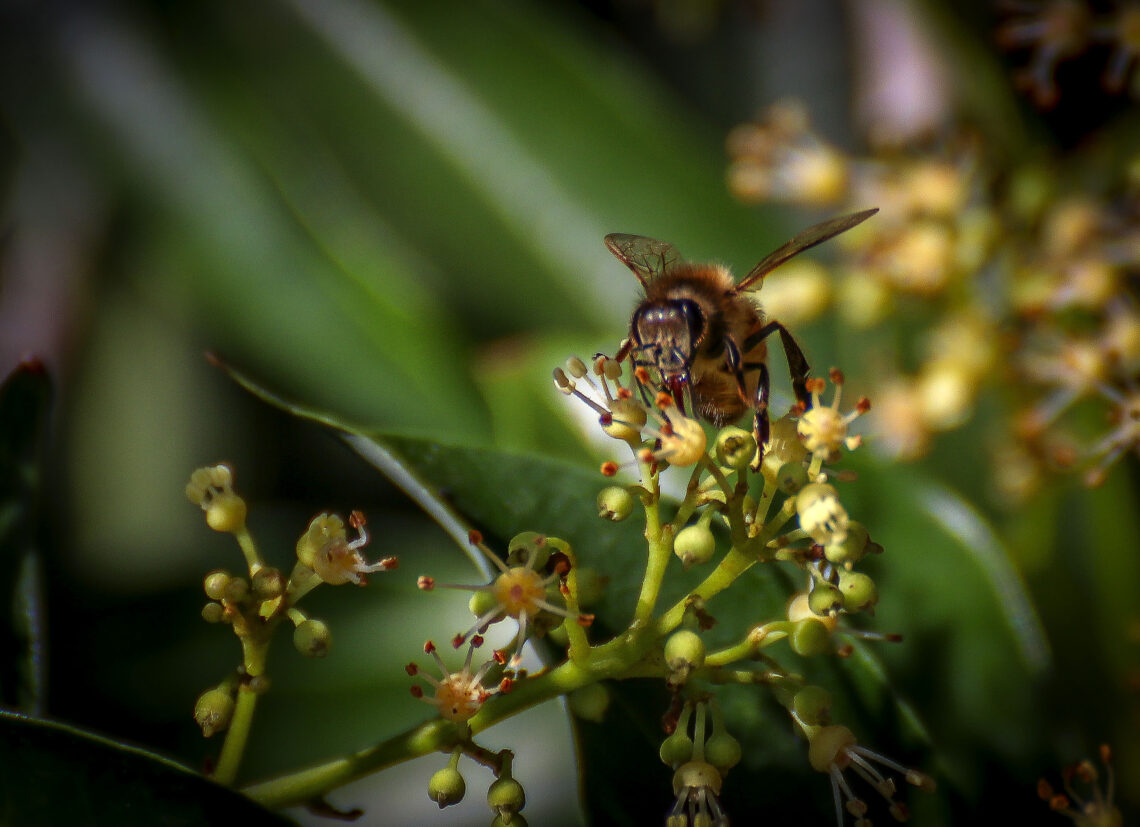
Planting for Pollinators: How to Attract Bees and Butterflies to Your Garden
Creating a garden that attracts pollinators like bees and butterflies isn’t just good for the environment—it’s essential for the health of your plants and the success of your garden. Pollinators play a crucial role in fertilizing plants, leading to better fruit, vegetable, and flower production. Without them, many plants would struggle to reproduce, and crop yields would suffer. This guide will walk you through how to create a thriving pollinator-friendly garden by choosing the right plants, providing essential resources, and creating a welcoming habitat for these vital creatures.
Why Pollinators Matter
Bees and butterflies are among the most effective pollinators, transferring pollen from flower to flower as they feed on nectar. This process enables plants to produce seeds and fruit. According to the USDA, about 75% of all flowering plants and 35% of global food crops depend on pollinators to some extent. Without them, ecosystems would lose balance, and many fruits and vegetables would disappear from our tables.
Pollinators, especially bees, have faced significant population declines due to habitat loss, pesticide use, and climate change. By planting a pollinator-friendly garden, you can help support local bee and butterfly populations while improving the health and productivity of your own plants.
1. Choosing the Right Plants
Pollinators are attracted to specific types of plants, particularly those rich in nectar and pollen. The key is to select a variety of plants that bloom at different times throughout the growing season, ensuring a consistent food source from early spring through late fall.
🌸 Best Plants for Bees
Bees are most attracted to blue, purple, and yellow flowers with single, open petals (which provide easy access to nectar). Some of the best bee-friendly plants include:
- Lavender – High nectar content and long blooming period.
- Coneflower (Echinacea) – A favorite for native bees with large, easy-to-access blooms.
- Sunflowers – A great source of pollen and nectar; they also provide a perch for resting.
- Thyme and Basil – These herbs flower profusely and are a magnet for honeybees.
- Wildflowers – Native wildflowers are perfectly adapted to local pollinators.
🦋 Best Plants for Butterflies
Butterflies are drawn to bright colors and flat, broad flowers where they can easily land. To attract butterflies, plant species such as:
- Milkweed – Essential for monarch butterflies; they lay their eggs exclusively on milkweed.
- Zinnias – Bold colors and open petals make them a butterfly favorite.
- Black-Eyed Susan – The flat blooms and rich nectar supply are irresistible to butterflies.
- Lantana – Provides long-lasting blooms and a steady nectar supply.
- Joe-Pye Weed – Its clusters of pink blooms are a butterfly magnet.
🌼 Pro Tip: Include a mix of annuals and perennials to provide food sources throughout the growing season and ensure pollinators return year after year.
2. Providing Essential Resources
Attracting pollinators isn’t just about planting the right flowers. You also need to create an environment that supports their life cycle and survival.
🥤 Water Sources
Bees and butterflies need water for hydration and temperature regulation. Set up shallow water sources like:
- A shallow dish with pebbles where pollinators can land safely while drinking.
- A muddy patch in the garden for butterflies, which need minerals from the soil.
- A small, gently dripping fountain to keep water fresh and accessible.
🏡 Shelter and Nesting Sites
- Install a bee hotel with small, hollow tubes where solitary bees can nest.
- Leave some areas of bare, undisturbed soil for ground-nesting bees.
- Let some plants, like milkweed, grow taller to give butterflies places to lay eggs.
- Include dense shrubs and grasses to provide cover from predators and bad weather.
3. Creating a Pesticide-Free Zone
One of the biggest threats to pollinators is the use of chemical pesticides and herbicides. Even “pollinator-safe” options can have harmful effects on bees and butterflies.
✅ Natural Alternatives to Pesticides
- Companion planting – Use plants like marigolds to repel harmful insects naturally.
- Neem oil – A natural pest deterrent that’s less harmful to pollinators.
- Insecticidal soap – Effective against soft-bodied pests without affecting pollinators.
- Hand-picking – Remove harmful insects like aphids manually rather than spraying chemicals.
If you must use a pesticide, apply it in the early morning or late evening when pollinators are less active.
4. Designing a Pollinator-Friendly Layout
A thoughtful garden design will naturally attract more pollinators and keep them coming back.
🌻 Layered Planting
- Plant flowers of varying heights to create a multi-layered effect.
- Group plants in clusters rather than scattering them—this makes it easier for pollinators to spot them.
- Include a mix of native plants and cultivated varieties to support local species.
🌷 Color and Scent Strategy
- Bees are attracted to blue, purple, and yellow flowers.
- Butterflies are drawn to red, pink, orange, and fragrant blooms.
- Adding highly scented flowers like jasmine or honeysuckle increases pollinator activity.
5. Maintain Your Pollinator Garden Year-Round
Pollinator-friendly gardens require ongoing care to keep them productive and healthy.
- Deadhead flowers regularly to encourage new blooms.
- Avoid cutting back flowering plants too early in the fall—seed heads provide food for pollinators and other wildlife.
- Leave leaf litter and plant stems through winter to provide shelter for overwintering insects.
6. Monitor and Adjust
Keep track of which plants attract the most pollinators and which areas of your garden are the most active. If certain plants aren’t drawing attention, try adjusting their location or replacing them with more attractive options.
Conclusion
Planting a pollinator-friendly garden benefits both your plants and the environment. By selecting the right plants, providing water and shelter, avoiding harmful chemicals, and maintaining a thoughtful design, you’ll create a thriving ecosystem that supports bees, butterflies, and other beneficial insects. The reward? A vibrant, healthy garden that flourishes year after year, thanks to the tireless work of these essential pollinators.
So grab your gardening gloves and start planting—your pollinators are waiting! 🐝🦋

