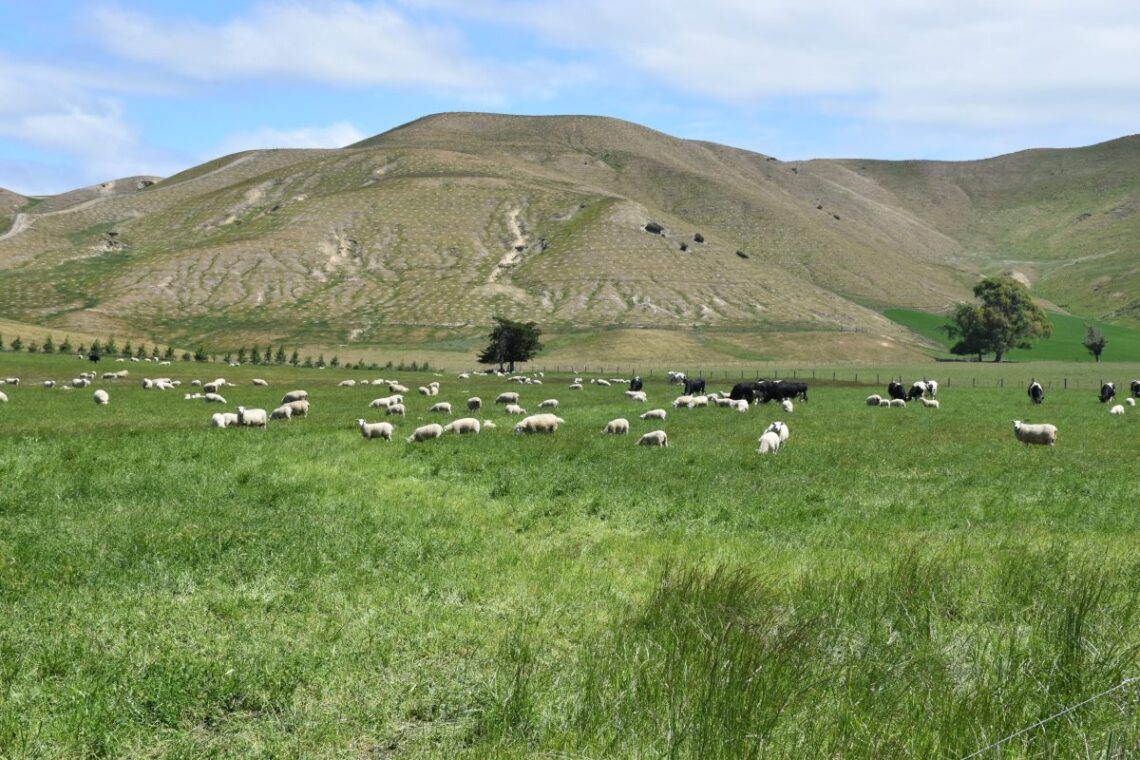
Bulls on Alfalfa at Bonavaree: Preparing for the Dry Stretch Ahead
As the fall winds down here at Bonavaree Ranch, we’re closely watching both the soil profile and the long-range forecasts. It’s been a dry run since mid-September, and while we’ve managed grazing pressure well through the back end of the breeding season, the writing’s on the wall—it’s going to be a lean moisture year unless something dramatic changes.
Right now, our bulls are on the alfalfa paddocks. It’s a calculated move. The stands are still providing solid late-season forage, especially compared to the native pastures, which have already shut down for winter. But we’re watching the bulls like hawks—not just for condition, but for signs of bloat, foot issues, or early stress as the plants start to lignify and slow growth.
Why Alfalfa for Bulls?
We like to run our bulls on alfalfa (lucerne) this time of year for a few key reasons:
- High Protein Feed: Post-breeding, the bulls benefit from quality nutrition to recover and maintain muscle mass heading into winter.
- Controlled Grazing: Our rotational system gives us the ability to regulate access and prevent overeating or health risks like bloat.
- Utilization Efficiency: Mature bulls can clean up older, stemmier forage that our weaned calves or younger stock wouldn’t touch.
We’re also experimenting this year with some low-moisture haylage supplementation during the afternoon graze to help regulate rumen activity and prevent any digestive disruption.
Preparing for the Dry
Even though the bulls are in good condition, we’re planning ahead for a worst-case scenario. The subsoil is bone dry, and the frost line is dropping earlier than expected. The alfalfa roots are still tapping what’s left, but once that’s gone, we’ll be looking at a long feed-out period.
So here’s our current strategy for the next 60 days:
- Monitor Paddock Recovery Closely: We’ve marked our new alfalfa stands to rest completely until mid-January. Those newer paddocks have deeper moisture reserves and will bounce back faster with any January or February rain.
- Cull and Consolidate: We’ve already culled non-performing bulls and identified another handful for sale. No room for passengers if we have to start feeding full rations early.
- Hay Allocation: We’ve baled more than usual this year, focusing on smaller, more manageable square bales to simplify feed-out for small groups. We’ve earmarked enough to carry breeding bulls through 90 days of feeding, if it comes to that.
- Water Security: Every trough has been checked, flushed, and winterized. We’ve also installed solar pumps on two backup wells that haven’t been tapped in years. If there’s one thing that fails in a dry year, it’s usually water before feed.
Eyes Forward
We know we’re not the only ones dealing with dry conditions—ranchers across the region are facing similar decisions. What’s worked for us at Bonavaree is proactive planning, flexible stocking, and putting our best stock on our best feed. The bulls on alfalfa is just one piece of that puzzle, but it gives us the ability to keep condition up now so we don’t play catch-up in February.
If we do get a good front in late December or January, we’ll adjust. But until then, we’re managing with the assumption that this winter will be another tight one.
For those in our area, we’ll be hosting a winter planning walkthrough on Wednesday, December 18 at Bonavaree Ranch, starting at 12:30 p.m. It’s a good chance to see our system firsthand and swap ideas about prepping for dry conditions without compromising herd quality.

