Strategic Decisions as the Dry Spell Deepens in Eastern Oregon
The current wildfire burning near Ochoco National Forest is just one more reminder of the extended dry conditions much of the Northwest has endured throughout late summer and fall. While not unexpected, the dryness has definitely accelerated some management decisions here on the ranch.
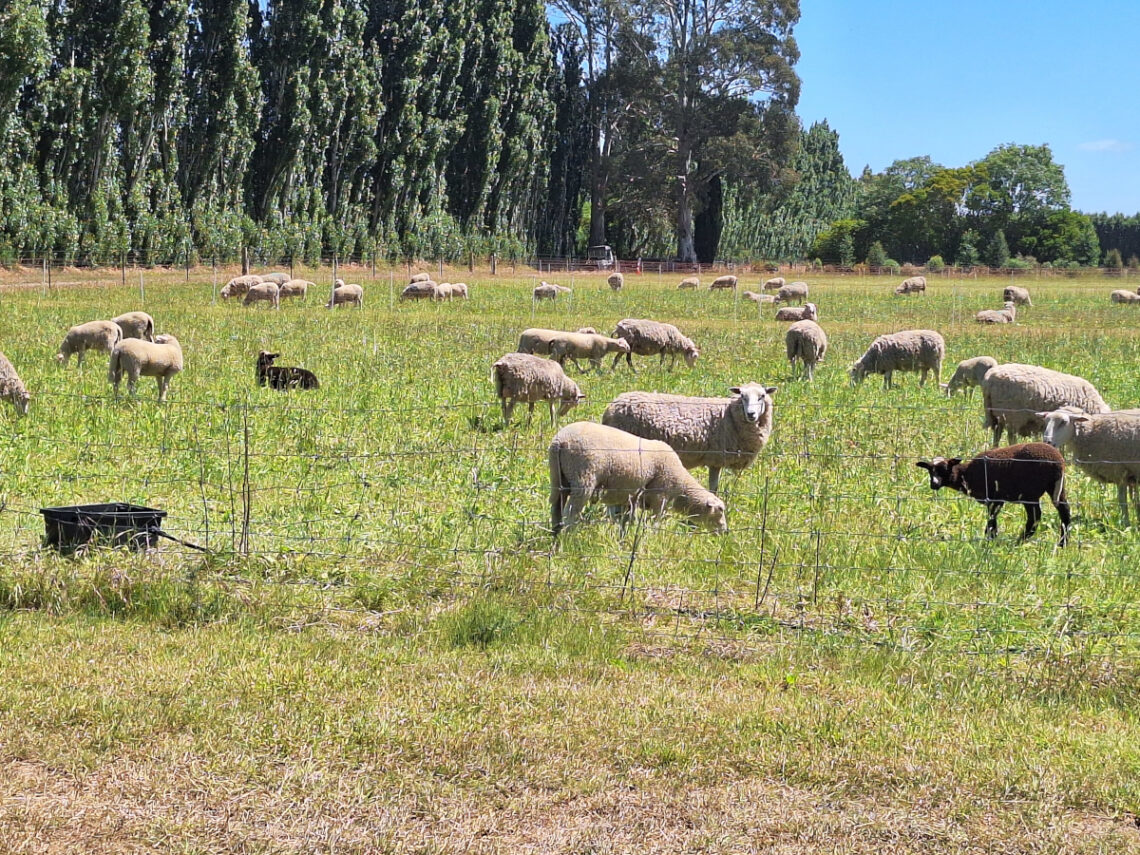
We’ve just finished weaning here in mid-November, and we’ve moved the ewes and lambs into a leader-follower rotation on our irrigated alfalfa. The weaned lambs are staying on the better paddocks to avoid a post-weaning setback, with the goal of finishing or marketing most of them before the New Year.
That said, with no meaningful precipitation since early September and no snowpack forming yet, we’re seeing real signs of moisture stress—even the alfalfa is thinning out, particularly in the older stands. While we’re still hoping for a shift in the weather pattern, we’ve learned the hard way that hope isn’t a strategy. So we’re planning under the assumption that this dry pattern will hold through early winter.
Prioritizing the Breeding Ewes
The current priority is maintaining the condition of the breeding ewes. Fortunately, they’ve come through lambing and lactation in decent shape thanks to the fall regrowth we managed to hang onto. We were also able to put up a few hundred small bales during September’s dry stretch, which will be critical in providing basic maintenance feed if pasture quality continues to slide.
We’ve started slow-grazing our native grass pastures—mostly fescue and bluebunch wheatgrass—some of which have already shut down for the season. Where we have sub-clover mixed in, it’s already buried seed and gone dormant. Those areas can be grazed hard now to clean them off and prep them for feed-out sites, especially if we do end up feeding hay through December and January.
Holding onto What Matters
Our younger lucerne (alfalfa) paddocks are showing more promise than the older stands. They’ve held moisture better through the fall and will likely provide more feed in January, assuming we get even a hint of precipitation. The root systems in those new paddocks haven’t hit the same depletion level yet, so we’re treating them as a strategic reserve.
As for destocking, we’ve already moved out all the cull ewes, and the first group of weaned lambs have been sold to a finishing lot. If conditions don’t improve by mid-December, we’ll need to make a call on our store lambs—either sell them as-is or begin an aggressive finishing program on the irrigated ground, depending on feed availability. We’re also keeping a close eye on hay prices, which are already ticking upward across the region.
We’ll likely prioritize keeping our core breeding ewes and the best ewe lamb replacements. If we do need to destock further, it will be done with that long-term breeding program in mind. We’re not just managing for this winter—we’re managing for 2026 and beyond.
Looking Ahead
Overall, we’re doing okay. We’ve made the tough calls early, culled when we had the opportunity, and we’re holding the best ground for those that need it most. But it’s a tightrope. Every decision now is about balancing risk with resilience.
We’ll be sharing our strategy, the outcomes of our early-season choices, and what we’re watching going into winter at a ranch management field day here in Harney County on Friday, December 13th at 1:00 p.m. We invite other producers dealing with similar dryland challenges to come out, share ideas, and have some honest conversation about the road ahead.

