What It Means to Be a Native Wildflower
Native wildflowers are more than just beautiful additions to our landscapes—they’re vital players in local ecosystems, deeply rooted in the natural history of the land. But what exactly is a native wildflower, and why does it matter whether the plants in your garden are native or not?
In this guide, we’ll dig into what defines a native wildflower, explore the many benefits of growing them, and highlight some of the best native blooms across different regions of the U.S. Whether you’re a passionate gardener, a conservationist, or just someone who loves wildflowers, this deep dive will help you understand why going native is not just a trend—it’s a meaningful choice.
🌱 What Is a Native Wildflower?
At its core, a native wildflower is a flowering plant species that evolved naturally in a particular region without human intervention. These plants existed in a place long before European settlement and are well adapted to the local climate, soil, and wildlife.
Native wildflowers co-evolved with local pollinators, birds, and other fauna, making them perfectly suited to support the broader ecosystem. They don’t just survive in local conditions—they thrive, with minimal help from humans.
Key point: Not all wildflowers are native! Many “wildflowers” found in seed mixes or roadside plantings are actually non-native or even invasive species.
🌼 Why Native Wildflowers Matter
Native wildflowers bring more to the table than their vibrant colors and natural charm. Here’s why they’re so valuable:
🐝 They Support Native Pollinators
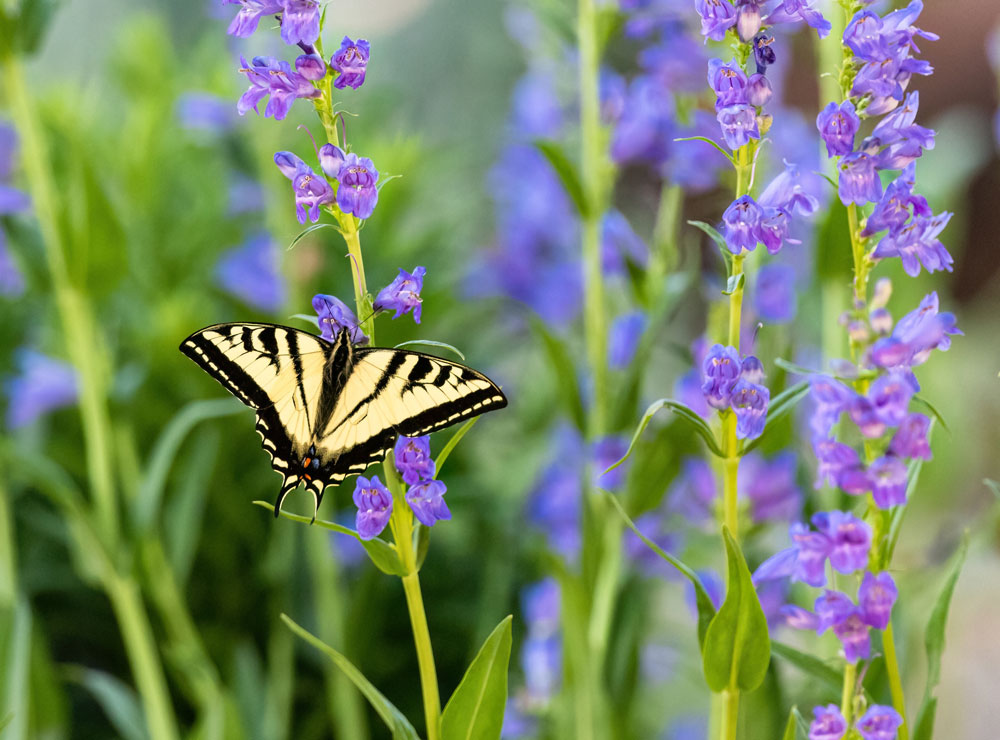
Native bees, butterflies, hummingbirds, and moths all rely on native plants for nectar, pollen, and habitat. Many pollinators have evolved to depend on specific native species. Without them, their populations suffer.
🌿 They’re Low-Maintenance
Once established, native wildflowers generally require less water, fertilizer, and pest control than non-native plants. That means a more sustainable garden with less effort.
🐦 They Provide Habitat and Food
Songbirds and small mammals rely on the seeds, nectar, and shelter native plants provide. Insects supported by native plants, in turn, feed birds and their young.
🌎 They Help Restore Biodiversity
In a world facing habitat loss and declining insect populations, planting native wildflowers is a small but powerful way to support local biodiversity and restore natural balance.
🗺️ Regional Native Wildflowers Across the U.S.
Native wildflowers vary widely across different American landscapes. Here are just a few standout species by region:
Northeast U.S.
- Purple Coneflower (Echinacea purpurea) – Iconic pollinator magnet
- Wild Bergamot (Monarda fistulosa) – Loved by bees and butterflies
- Black-eyed Susan (Rudbeckia hirta) – A cheerful, tough bloom
Southeast U.S.
- Coral Honeysuckle (Lonicera sempervirens) – Hummingbird favorite
- Blazing Star (Liatris spicata) – Vertical interest and nectar-rich
- Butterfly Weed (Asclepias tuberosa) – Monarch caterpillar host plant
Midwest U.S.
- Prairie Dropseed (Sporobolus heterolepis) – Native grass with airy flowers
- Purple Prairie Clover (Dalea purpurea) – Nitrogen-fixing beauty
- New England Aster (Symphyotrichum novae-angliae) – Late-season food for pollinators
Southwest U.S.
- Desert Marigold (Baileya multiradiata) – Heat and drought tolerant
- Firewheel (Gaillardia pulchella) – Long-blooming and vibrant
- Mexican Hat (Ratibida columnifera) – Striking and adaptable
West Coast
- California Poppy (Eschscholzia californica) – State flower, reseeds freely
- Douglas Aster (Symphyotrichum subspicatum) – Great for moist, coastal zones
- Yarrow (Achillea millefolium) – Aromatic and spreads gently
🧰 How to Incorporate Native Wildflowers into Your Garden
You don’t need a prairie or a wild meadow to grow native wildflowers. Here’s how to start:
1. Start with Local
Use native plant databases or contact your local extension office to find region-specific wildflowers. Native plant societies are also great resources.
2. Choose the Right Spot
Match plants to your conditions—sun, shade, dry, or moist. Native wildflowers will perform best when planted in the conditions they evolved for.
3. Avoid Hybrid Varieties
Some cultivated hybrids have reduced nectar or altered shapes that make it harder for pollinators to access. Stick with species plants whenever possible.
4. Use Seeds or Starter Plants
Seeds are budget-friendly and give a natural look. Starter plugs or pots give quicker results and are good for smaller gardens.
5. Be Patient
Native wildflowers may take a year or more to fully establish. But once they do, they’ll come back stronger year after year.
🚫 Common Misconceptions
Let’s bust a few myths about native wildflowers:
- “They’re weedy or messy” – Not true! With good design, native gardens can be just as elegant as traditional ones.
- “They attract pests” – Native plants support beneficial insects that keep pests in check.
- “They only work in naturalized areas” – Native wildflowers can thrive in formal beds, containers, and small spaces.
🌻 Final Thoughts: Plant with Purpose
To be a native wildflower is to be a survivor, a nurturer, and a keystone of the local environment. These plants are the heartbeat of American landscapes, connecting our backyards to centuries of natural heritage. By choosing to grow native wildflowers, you’re not only creating a garden full of life—you’re helping preserve the ecological balance that countless species depend on.
Whether you plant a small patch or convert your entire yard, every native flower makes a difference. So this season, go native—and watch your garden become a true part of the wild world around you.

