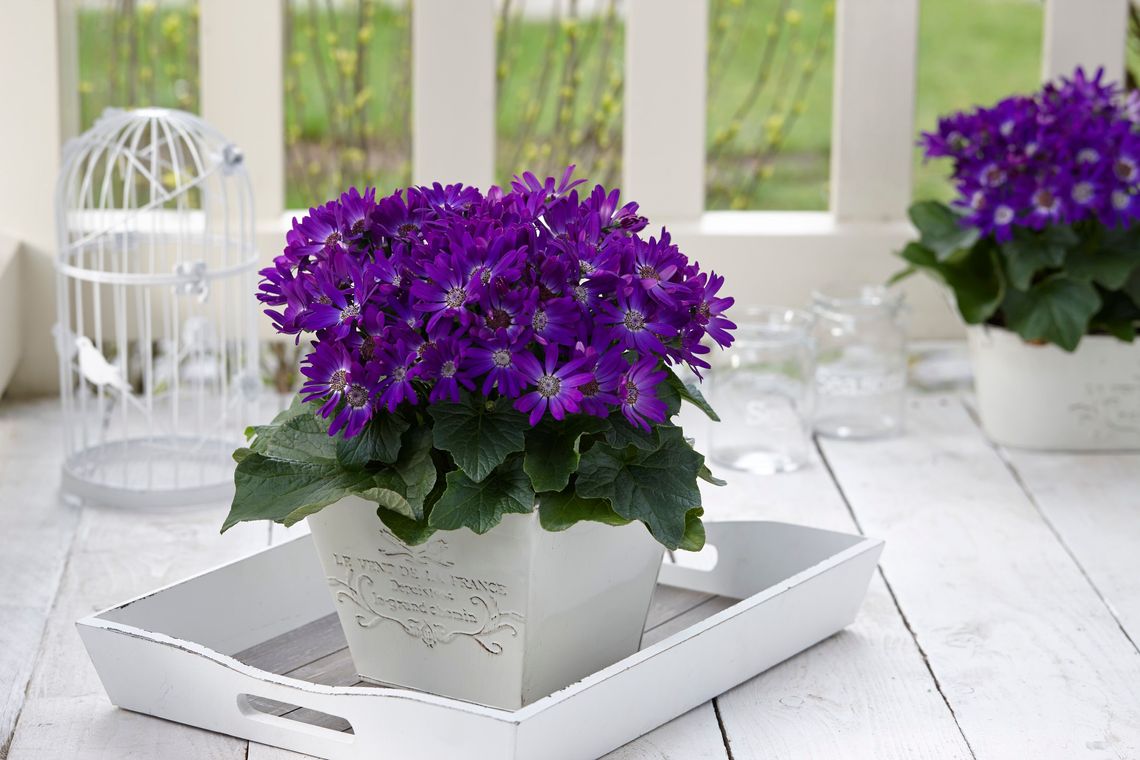
How to Add a Splash of Color to Your Spring Garden with Cool Color Senetti® Plants
Spring is all about renewal, vibrancy, and color—and few plants scream “springtime magic” quite like Senetti®. These bold, daisy-like blooms offer eye-popping shades of blue, purple, pink, and bi-color blends that can transform any bland garden space into a visual masterpiece. Whether you’re a seasoned green thumb or a weekend gardener looking for an easy win, Senetti® plants are a perfect way to bring a burst of cool color into your early-season landscape.
Here’s everything you need to know to add Senetti to your garden and keep it thriving all spring long.
🌸 What Are Senetti® Plants?
Senetti® is a trademarked series of Pericallis hybrids—plants bred specifically for their vivid hues, exceptional cold tolerance, and long flowering season. Originating from the Canary Islands, these cool-season annuals have become a spring gardening favorite across the U.S., especially in zones where early color is hard to come by.
💡 Quick Facts:
- Grows best in cool temps (ideal for early spring!)
- Thrives in containers, borders, and flower beds
- Blooms from early spring into early summer
- Deadheading encourages repeat blooming
🎨 Why Choose Senetti for Spring Color?
Unlike many other spring flowers that stick to pastels or whites, Senetti® goes bold. You’ll find varieties in electric blue, hot magenta, deep violet, and glowing bi-colors that fade from lavender to white or from pink to purple.
These are statement plants—perfect for gardeners who want their porch pots, entryways, or backyard beds to pop.
🌈 Top Senetti Color Picks:
- Electric Blue – Rare and striking, this color is a showstopper in any garden.
- Magenta Bicolor – Radiates energy and pairs well with whites or silver foliage.
- Deep Blue with White Halo – A unique combo that catches light in all the right ways.
- Violet Touch – Subtle but rich, ideal for mixing with spring bulbs like daffodils or hyacinths.
🌱 How to Plant Senetti: Step-by-Step
Senetti is super gardener-friendly, but a little planning goes a long way.
🪴 Step 1: Choose the Right Spot
Senetti loves full to part sun—ideally 4 to 6 hours of morning sunlight with a bit of afternoon shade, especially in warmer zones.
🌿 Step 2: Prep Your Soil or Containers
Use well-draining soil, whether you’re planting in-ground or in pots. If you’re using containers, make sure they have proper drainage holes.
- Add compost or organic matter to garden beds
- Choose a potting mix rich in peat and perlite for containers
💧 Step 3: Water Right
Senetti likes consistent moisture but hates soggy feet. Water thoroughly when the top inch of soil feels dry.
🧤 Step 4: Plant with Room to Grow
Space plants about 10–12 inches apart to give them room to spread and allow air circulation—this helps prevent mildew.
🔧 Tips for Keeping Senetti Looking Amazing
- Deadhead regularly – Removing faded blooms encourages even more flowers.
- Feed every 2–3 weeks – Use a balanced liquid fertilizer to keep those blooms coming.
- Pinch back – If your Senetti starts to get leggy, cut it back by one-third to rejuvenate growth and encourage bushier blooms.
- Watch the heat – Senetti starts to fade as temperatures climb past 80°F. If your spring is short-lived, consider placing pots in a cooler microclimate or switching them out for summer annuals in June.
🏡 Where to Use Senetti in Your Garden
Senetti isn’t just for flower beds. Their versatile nature and brilliant colors make them perfect for:
- Front porch containers
- Window boxes
- Mixed spring borders
- Garden focal points
- Grave or memorial plantings in springtime
Mix them with pansies, dusty miller, or snapdragons for a cool-season combo that oozes charm.
💭 Final Thoughts: Color That Can’t Be Ignored
Spring gardens should bring joy the moment you step outside—and Senetti does just that. With its vivid color palette, cool-weather toughness, and forgiving nature, it’s a no-brainer for gardeners wanting impact without the fuss. Whether you’re lining a walkway with blooms, dressing up your patio, or just craving something bright after a gray winter, Senetti delivers.
So this season, don’t just plant—paint your garden with the brilliant, bold hues of Senetti. You won’t be disappointed.

