Hobby Farm Vs Homestead: What Are The Differences?
In recent years, there’s been an increasing interest in living closer to nature, growing your own food, and becoming more self-sufficient. However, there’s often confusion between two terms commonly associated with rural living: hobby farms and homesteads. While both involve farming and self-sustainability, there are significant differences in their scope, goals, and daily operations. Let’s dive into the nuances of these two types of rural lifestyles, exploring what sets them apart and how they each contribute to a fulfilling and sustainable way of life.
What is a Hobby Farm?
A hobby farm is typically a smaller-scale farm that is maintained as a recreational or leisure activity, rather than for full-time agricultural production. Hobby farmers may keep animals and grow crops, but they usually do so for personal enjoyment, aesthetic value, or supplementary income, rather than relying on the farm for their primary livelihood.
Key Characteristics of a Hobby Farm:
- Part-Time Focus: Hobby farms are often run by individuals or families who have other primary jobs. The farm may not be the main source of income but rather a secondary passion or activity.
- Less Intensive Farming: The level of farming on hobby farms tends to be less intensive. The number of animals or the acreage of crops is usually small, and the time and effort invested are often limited.
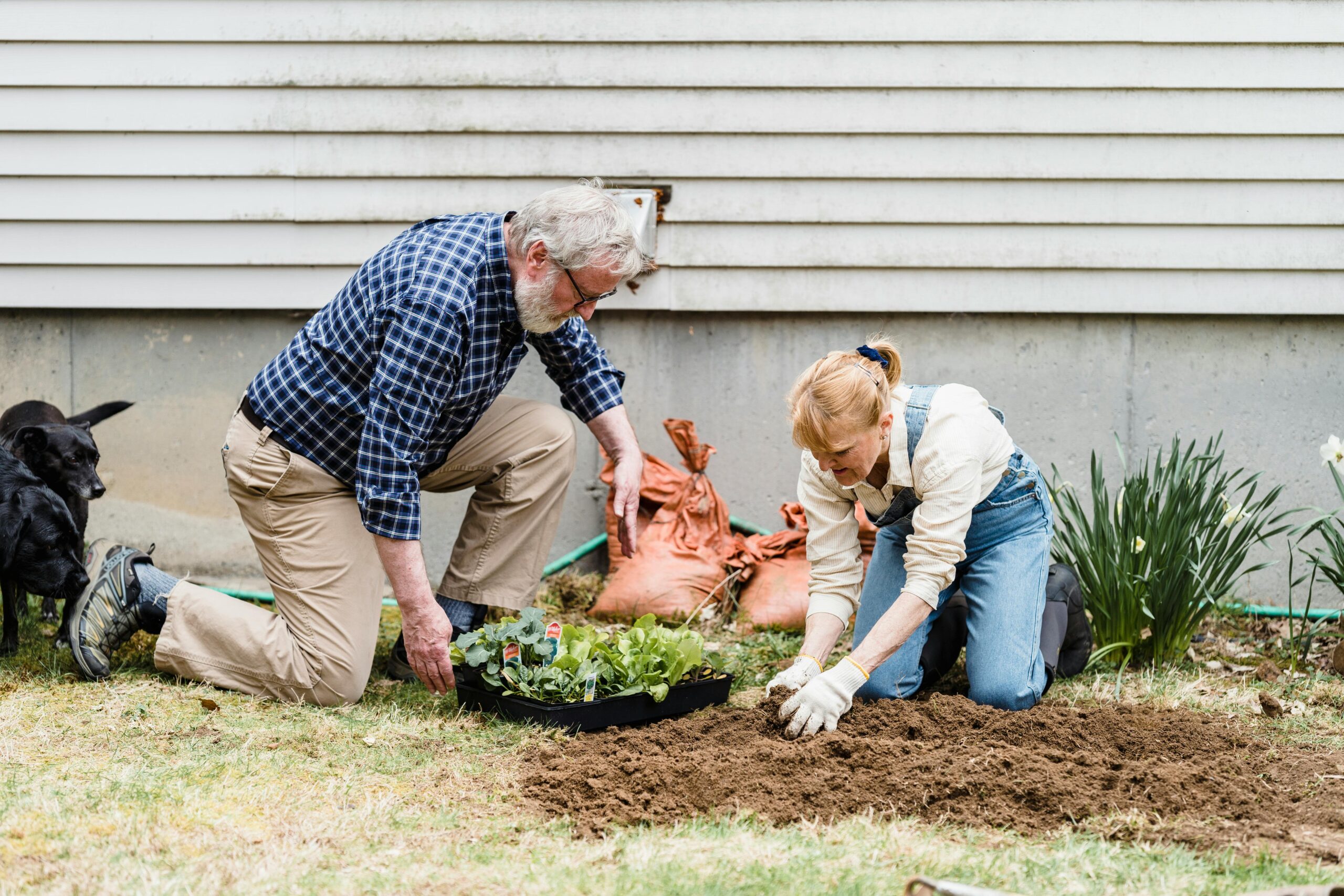
- Personal Enjoyment: Hobby farmers often prioritize the satisfaction and enjoyment that comes from farming rather than the goal of producing for profit. It’s more about the experience, the connection with nature, and the opportunity to grow and harvest food as a fun, hands-on activity.
- Occasional Profit: While hobby farmers may sell a few products or animals to supplement their income, the farm is typically not seen as a business. The focus is on the lifestyle rather than the financial gain.
Examples of Hobby Farming Activities:
- Raising a small flock of chickens for fresh eggs.
- Growing a few vegetables or flowers in a garden.
- Keeping a few goats or alpacas for enjoyment or fiber production.
- Participating in community farmers’ markets with surplus goods.
What is a Homestead?
A homestead, on the other hand, refers to a lifestyle where the farm is the primary source of sustenance for the family. It is a more self-sufficient, often sustainable, way of living. Homesteading involves growing most of your own food, raising animals for meat, dairy, and eggs, and making use of the land in a way that reduces reliance on outside sources. Homesteading is typically focused on creating a sustainable, eco-friendly lifestyle with an emphasis on practicality and survival.
Key Characteristics of a Homestead:
- Full-Time Lifestyle: Homesteading is a full-time commitment. While it’s possible to supplement your homestead with income from outside work, the homesteading lifestyle focuses on the idea of growing and producing everything you need at home.
- Sustainability and Self-Sufficiency: The main goal of a homestead is to be as self-sufficient as possible. This means growing your own food, raising livestock, and being resourceful with what you produce. Homesteaders aim to reduce or eliminate their dependency on grocery stores and other commercial sources of food and goods.
- Hard Work and Dedication: A homestead requires a great deal of labor and dedication. Daily chores may include milking cows, harvesting crops, maintaining the house, and processing food for storage. Homesteading is not for the faint of heart—it’s a lifestyle that demands resilience and a strong work ethic.
- Building a Self-Sustaining Ecosystem: Homesteaders often incorporate alternative energy sources (such as solar panels), water conservation systems (like rainwater harvesting), and waste management systems (such as composting toilets) to reduce their environmental footprint.
Examples of Homesteading Activities:
- Growing a variety of fruits, vegetables, and herbs year-round.
- Raising livestock such as cows, pigs, chickens, and goats for meat, milk, and eggs.
- Canning and preserving food for the winter months.
- Making homemade soap, cheese, or other goods.
- Implementing systems like composting, rainwater collection, or even renewable energy sources (solar, wind).
Key Differences Between Hobby Farms and Homesteads
| Aspect | Hobby Farm | Homestead |
|---|---|---|
| Purpose | Primarily for personal enjoyment, relaxation, or leisure. | Focuses on self-sufficiency and sustainability. |
| Scale | Generally smaller-scale operations, with limited animals or crops. | Larger scale, often producing a significant portion of food and goods. |
| Income Source | Often not dependent on farm income; may supplement other income. | Aiming for minimal reliance on external sources of income. |
| Commitment Level | Part-time, with other work outside the farm. | Full-time commitment to farm and living off the land. |
| Scope of Operations | May focus on a few animals or crops, with little diversification. | Focus on a wide variety of crops and livestock to support a family. |
| Sustainability | Limited focus on sustainability; may not have a long-term plan for complete self-sufficiency. | Strong focus on sustainable living, including energy and resource conservation. |
| Labor Involved | Less physically demanding, with fewer hours required. | Intensive labor, requiring significant time and effort daily. |
Which One is Right for You?
Choosing between a hobby farm and a homestead depends on your personal goals, lifestyle preferences, and the amount of time and energy you can commit. If you enjoy the idea of farming but don’t want it to be a full-time job, a hobby farm could be the perfect fit. It allows you to enjoy the fruits of farming without the pressure of running it as a business or relying on it for your livelihood.
However, if you’re passionate about self-sufficiency and want to live a life that’s more deeply connected to the land, then a homestead might be the way to go. It’s a significant lifestyle change that requires a lot of dedication, hard work, and sometimes even sacrifice. But for those who are up for the challenge, homesteading offers immense rewards—personal satisfaction, resilience, and a deep sense of accomplishment.
Conclusion
In conclusion, the main difference between a hobby farm and a homestead lies in their purpose, scale, and level of commitment. Hobby farms are typically smaller, part-time operations focused on personal enjoyment, while homesteads are full-time, self-sufficient lifestyles that emphasize sustainability and resourcefulness. Regardless of which path you choose, both offer unique opportunities to live closer to nature, grow your own food, and experience a sense of fulfillment that modern, urban living can’t always provide.
Whether you dream of raising chickens on weekends or building a self-sustaining farm from the ground up, both options have something valuable to offer for anyone seeking a more hands-on, fulfilling lifestyle in 2025 and beyond.