The Heart of the Ranch: A Day in the Life of American Ranching
Nestled between the rolling hills of the American West, far from the hustle of city life, the ranch sits as a testament to a lifestyle that has shaped the nation for centuries. Early mornings begin with the sound of a rooster crowing and the soft whinny of horses in the distance. The sun rises slowly over the horizon, casting a golden light on a world that is as ancient as the land itself. This is the ranching life—a world where the rhythm of nature guides every step, where the bond between man, animal, and land is forged through hard work, patience, and resilience.
Ranching is far more than just a way to raise cattle or grow crops. It’s a way of life, deeply ingrained in the fabric of American history and culture. From the open plains of Wyoming to the rugged terrain of Texas, ranching has long been an iconic symbol of the American frontier. But the life of a rancher today is not simply a re-enactment of past traditions; it is a dynamic, evolving practice that blends old-world values with modern innovations, all while maintaining a deep respect for the land.
The Morning Routine: A Rancher’s Day Begins Before Dawn
A rancher’s day begins well before the sun makes its appearance. The early hours are some of the most important, as they lay the groundwork for the day’s work. A typical morning begins with a cup of strong coffee in hand as the rancher steps outside to survey the land. It’s a time for reflection, to take stock of the weather, and to plan for the day ahead.
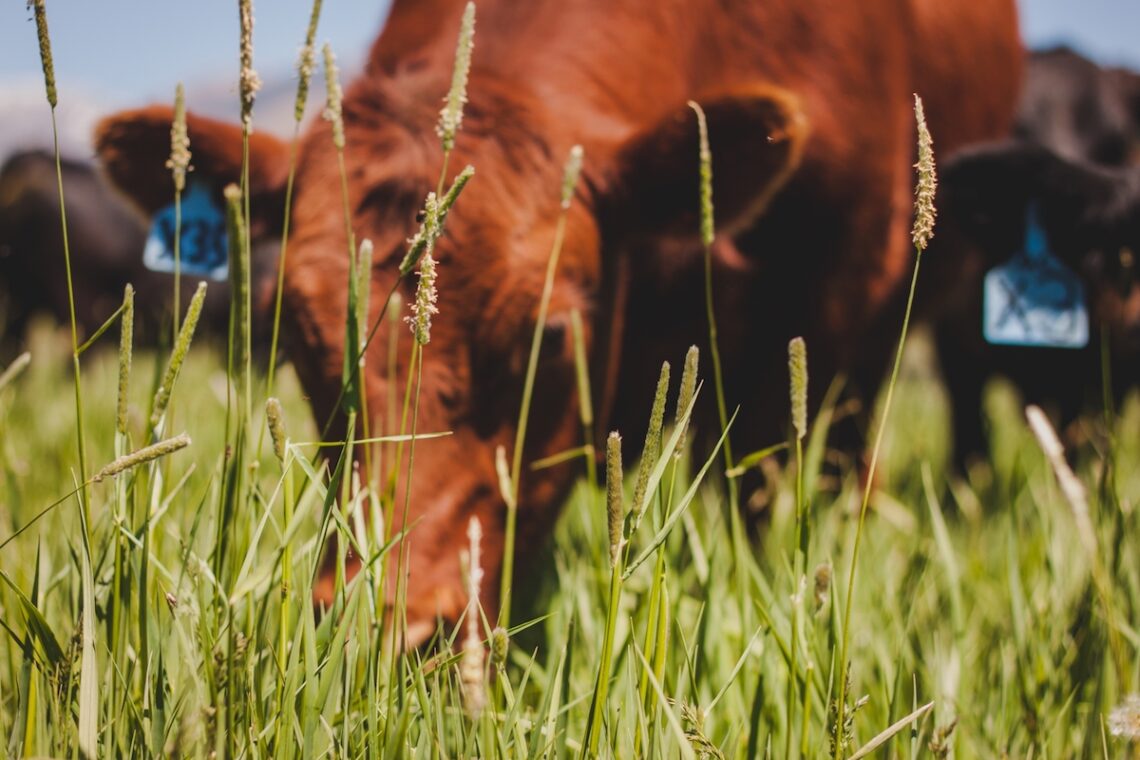
The most vital aspect of any ranch, of course, is its animals. Horses and cattle are the lifeblood of the operation, and caring for them is both a duty and a passion. The morning usually starts with feeding and watering the livestock, followed by a check on their health. In cattle ranching, this could mean walking the herd to ensure they are grazing properly, looking for signs of illness, or administering any necessary treatments.
On larger operations, ranchers might have a team of hands who help with the physical labor. The family ranch, however, might still be a more personal, hands-on operation. Ranching is inherently a family affair—children often begin learning the ropes at a young age, whether it’s learning how to saddle a horse, handle a lasso, or navigate a pasture on horseback. For these young hands, it’s not just about work; it’s about legacy—passing down the knowledge of how to care for the animals and the land to the next generation.
Cattle Drives and Herding: The Core of the Ranching Tradition
While modern ranching has evolved with the advent of technology, some of the most iconic aspects of the trade remain unchanged. One of the most enduring images of ranching is the cattle drive—those days when ranchers would round up their herd and move them from one grazing area to another. While cattle drives in the traditional sense may no longer be as common, ranchers still practice herd management techniques that require skillful herding.
The skillful handling of livestock—whether on horseback or ATV—is a hallmark of the ranching world. A good rancher knows how to read their herd. The animals, each with their own personalities, are always in motion, and understanding the behavior of cattle is essential. A calm, well-trained horse is often the best tool for the job, allowing the rancher to navigate the herd with precision and control.
Ranchers often use a variety of techniques to move cattle efficiently. In the summer months, cattle are moved to different pastures for grazing, a process called “rotational grazing.” This practice not only keeps the animals healthy by ensuring they have fresh, nutritious grass, but it also benefits the land, as it prevents overgrazing and allows pastures to regenerate. Effective herd management isn’t just about getting the cattle from one place to another—it’s about preserving the land for the long-term health of the operation.
The Changing Landscape of Ranching: Technology Meets Tradition
As with most industries, ranching has not remained static. Over the past few decades, technology has slowly crept its way into the ranching world, helping farmers and ranchers increase efficiency and improve animal welfare. While some ranchers still prefer the traditional methods, others have embraced innovation to tackle challenges more effectively.
One of the most impactful advancements is the use of drones. These small, unmanned aerial vehicles allow ranchers to monitor large herds from the sky. Drones can track cattle movement, assess pasture health, and even help with round-ups—especially in large, remote areas where checking the herd would otherwise take hours.
Additionally, smart collars and GPS tracking devices for cattle have made their way onto the ranch. These technologies provide real-time data on the health and location of livestock, enabling ranchers to respond quickly to any signs of distress. For example, if a cow is sick or separated from the herd, the GPS system can pinpoint its location, and the rancher can act accordingly.
Though these innovations have certainly changed the landscape of ranching, they haven’t replaced the human touch. At the end of the day, it’s still the rancher’s experience, intuition, and care that ensures the operation is a success. The relationship between the rancher and their animals remains at the heart of the operation.
The Land: A Rancher’s Most Valuable Asset
While cattle may be the most visible part of a ranching operation, the land is what truly supports it. Without healthy, fertile land, no ranch can succeed. As much as ranchers tend to their animals, they must also tend to the earth that sustains them.
Land management is one of the most important aspects of ranching, and it is often an area that is passed down through generations. Overgrazing, erosion, and other forms of degradation can destroy the land, so ranchers must be constantly vigilant. Many ranchers now use sustainable farming practices, such as conservation tillage, controlled burning, and crop rotation, to maintain the health of their soil and ensure the viability of the land for future generations.
In addition to caring for the soil, ranchers must also be mindful of water sources. Water is critical for both livestock and crops, and ranchers have long had to manage water rights and ensure that there is enough to go around. In some areas of the West, water is more precious than gold, and ranchers often find themselves navigating complex legal systems to ensure they can access the water their animals and land need to survive.
The Spirit of the Ranch: More Than Just a Job
Ranching is not just a job; it’s a lifestyle, a community, and a calling. It’s about more than just raising cattle or growing crops; it’s about a deep connection to the land, to the animals, and to the generations that have come before. The sense of pride that comes with working the land, raising animals, and keeping traditions alive is something that can’t be measured in dollars and cents.
On a ranch, time moves in rhythms dictated by nature—the changing seasons, the birth of calves, the harvest of hay. For ranchers, it’s not just about profit—it’s about legacy. It’s about doing work that is meaningful, work that helps sustain communities, and work that fosters a profound respect for the natural world. Ranching teaches patience, resilience, and adaptability. And in a world that is constantly changing, these are the timeless values that keep the ranching spirit alive.
Ranching Today: Facing Challenges and Looking Forward
Today, ranchers face challenges that their ancestors could never have imagined. Climate change, market fluctuations, and land development are just a few of the pressures that threaten the future of ranching. However, the resilience of the American ranching community is unmatched. Like their forebears, ranchers continue to adapt, innovate, and push forward.
With sustainability and environmental stewardship becoming increasingly important, ranchers are finding new ways to preserve their land while still making a living. Many are turning to regenerative agriculture, focusing on soil health and biodiversity. Others are finding new markets for their products, such as organic beef, free-range pork, and grass-fed lamb, meeting the demand for more ethically raised and environmentally friendly foods.
As we look to the future, the spirit of the American ranch—its values, its traditions, and its deep connection to the land—will continue to shape the way we live and work. And while the challenges ahead are significant, the ranching way of life endures, driven by a passion for the land, a respect for nature, and a commitment to sustaining a way of life that has stood the test of time.