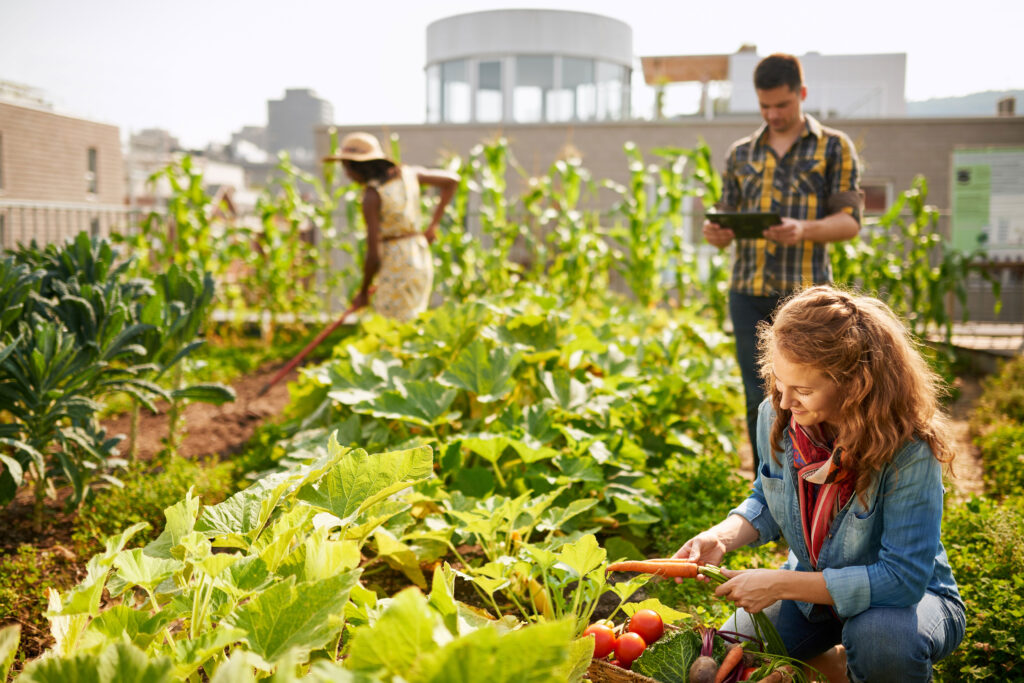
Plan a New Vegetable Garden: Tips for a Successful Growing Season
Starting a new vegetable garden is an exciting and rewarding endeavor, whether you’re an experienced gardener or a first-time grower. Growing your own vegetables not only provides fresh, healthy produce for your family, but it can also be a fulfilling and sustainable hobby. However, to ensure that your garden thrives, it’s essential to approach the planning process thoughtfully. From choosing the right location to selecting the best vegetables for your climate, a little preparation can go a long way. In this guide, we’ll walk you through the steps to plan a new vegetable garden that will flourish all season long.
1. Choosing the Right Location
The first step in planning a new vegetable garden is selecting the ideal location. The right spot can make all the difference when it comes to the health and productivity of your plants. Here are some key factors to consider when choosing your garden site:
- Sunlight: Most vegetables require at least 6-8 hours of direct sunlight per day. Make sure your garden location receives enough sun to support healthy growth. If your space is partially shaded, consider growing leafy greens like lettuce or spinach, which can tolerate some shade.
- Soil Quality: The soil should be well-draining and rich in organic matter. Avoid areas where the soil remains soggy after a rainfall, as this can lead to root rot. If your soil isn’t ideal, you can improve it by adding compost or organic matter to enrich its texture and nutrient content.
- Access to Water: Consistent watering is crucial for vegetable gardens, so choose a spot that’s easy to irrigate. If you don’t have access to an irrigation system, ensure that the garden is near a hose or a water source, and plan for a watering schedule.
- Protection from Wind: A windy location can damage delicate plants and lead to excessive water evaporation. If your site is exposed to strong winds, consider installing windbreaks, such as a fence or rows of taller plants, to protect your crops.
2. Deciding What to Plant
Choosing the right vegetables for your garden is an exciting part of the planning process, but it’s important to consider your climate, growing season, and available space. Here are some tips to help you decide what to plant:
- Know Your USDA Hardiness Zone: The USDA hardiness zone map helps you determine the best plants for your region based on average winter temperatures. This will give you an idea of which vegetables are most likely to thrive in your area.
- Consider Your Growing Season: Some vegetables, such as tomatoes and peppers, have a longer growing season and may need to be started indoors or in a greenhouse before being transplanted outdoors. Others, like radishes and lettuce, have a quicker growing cycle and can be directly sown into the garden.
- Companion Planting: Some vegetables grow well together and can help each other thrive, while others may compete for resources or attract pests. For example, planting basil alongside tomatoes can help repel pests, while beans can fix nitrogen in the soil, benefiting nearby crops like corn or lettuce.
- Space Considerations: Take into account the size of your garden when planning what to plant. If you have limited space, opt for compact vegetable varieties or consider growing vertically with trellises or containers. For instance, growing peas or cucumbers on a trellis can free up space for other crops.
3. Planning Your Garden Layout
Once you’ve selected your plants, it’s time to design the layout of your vegetable garden. A well-organized garden not only makes it easier to care for your plants but also maximizes the use of your space. Here are some tips for designing a functional and efficient garden:
- Raised Beds vs. In-Ground Beds: Raised beds are a great option if you have poor soil or limited space. They allow for better drainage, soil aeration, and easier access to plants. If you’re planting directly in the ground, be sure to improve the soil with compost or organic matter before planting.
- Row Layout vs. Intensive Planting: Traditional row planting works well for larger gardens, but intensive planting (also called square-foot gardening) allows you to grow more in less space. In this method, you plant vegetables closer together in small sections, which helps maximize your yields and reduces the growth of weeds.
- Crop Rotation: If you’re planning a garden for multiple seasons, be sure to rotate crops each year to avoid depleting the soil of specific nutrients. For example, if you grew tomatoes in one bed last year, plant beans or peas (which enrich the soil with nitrogen) in the same bed this year.
- Paths for Easy Access: Leave enough space between rows or garden beds for easy access. Walkways or paths between beds will allow you to move freely while tending to your plants without compacting the soil.
4. Preparing the Soil
Healthy soil is the foundation of a successful vegetable garden, so it’s crucial to prepare your garden bed before planting. Here’s how to get your soil ready:
- Clear the Area: Start by removing any weeds, rocks, or debris from the garden area. Weeds can compete with your vegetables for nutrients, so it’s essential to clear them out before planting.
- Test Your Soil: Consider testing your soil’s pH and nutrient levels. A soil test kit is available at most garden centers or online. Most vegetables prefer slightly acidic to neutral soil (pH of 6.0 to 7.0). If your soil is too acidic or alkaline, you can adjust it with soil amendments like lime or sulfur.
- Amend the Soil: Once you know your soil’s pH and nutrient levels, amend it with organic matter, compost, or well-rotted manure to improve its texture and fertility. This will provide essential nutrients for your plants and ensure good drainage.
5. Planting Your Vegetables
When it’s time to plant, follow these general guidelines for the best results:
- Follow Planting Depth and Spacing: Each vegetable has specific requirements for how deep to plant the seeds and how far apart to space them. Be sure to read the seed packet or plant label for instructions.
- Water Immediately After Planting: Water your plants thoroughly after planting to help settle the soil around the roots. Keep the soil consistently moist until your plants are established, and then adjust your watering based on the needs of each crop.
- Mulch for Moisture Retention: Applying a layer of mulch around your plants can help retain moisture, suppress weeds, and regulate soil temperature. Use organic mulch like straw, grass clippings, or leaves to enrich the soil as it breaks down.
6. Ongoing Care and Maintenance
Once your vegetables are in the ground, it’s time to care for them throughout the growing season. Here’s how to keep your garden healthy:
- Regular Watering: Keep your garden consistently watered, especially during dry periods. However, avoid overwatering, as this can lead to root rot. Water deeply and less frequently to encourage deep root growth.
- Fertilizing: As your vegetables grow, they may need additional nutrients. Use organic fertilizers or compost to provide a steady supply of nutrients throughout the season. Be sure to follow the manufacturer’s instructions to avoid over-fertilizing.
- Weeding and Pest Control: Regularly remove weeds that compete with your plants for nutrients and water. Use natural pest control methods, such as attracting beneficial insects like ladybugs, or try organic pest control products if needed.
Conclusion: A Rewarding Journey
Starting a new vegetable garden is an exciting and rewarding adventure that requires careful planning, preparation, and ongoing care. By selecting the right location, choosing the best vegetables for your climate, planning a smart layout, and preparing the soil, you can ensure a bountiful harvest throughout the growing season. Gardening is a journey—one that will provide you with fresh, homegrown vegetables, an enjoyable outdoor activity, and a deep sense of accomplishment. Happy gardening!

