Bulb Layering for Continuous Blooms: A Complete Guide
When it comes to creating a garden that bursts with color throughout the year, bulb layering is an incredibly effective technique. By strategically planting bulbs at different depths, you can ensure that your garden is continuously blooming, from the early days of spring all the way through to the fall. Whether you are a seasoned gardener or a beginner, bulb layering offers a simple yet rewarding way to design a garden that’s always alive with vibrant flowers.
What Is Bulb Layering?
Bulb layering, also known as “lasagna planting,” is the practice of planting multiple layers of bulbs in a single hole or container to maximize space and extend the blooming season. Each layer of bulbs is planted at a different depth, with early-blooming bulbs at the top and later-blooming ones planted deeper. This technique allows you to create a beautiful, multicolored display that evolves throughout the seasons without requiring constant replanting.
Why Choose Bulb Layering?
There are several reasons why bulb layering is a gardener’s secret weapon for continuous blooms:
- Maximized Space: By planting bulbs at varying depths, you can make the most of the available space, especially in smaller gardens or containers.
- Seasonal Interest: Different bulbs bloom at different times of the year, meaning you can enjoy flowers throughout the growing season—from crocuses in early spring to tulips, daffodils, lilies, and even alliums later in the year.
- Less Maintenance: Once your bulbs are in the ground, they typically require very little maintenance. After the initial planting, you’ll be able to enjoy stunning flowers year after year without much effort.
- Cost-Effective: Instead of buying new plants every season, investing in a variety of bulbs that bloom at different times allows you to get more value from your garden.
How to Layer Bulbs for Continuous Blooms
1. Choose Your Bulbs
Start by selecting a variety of bulbs that will bloom at different times. Here’s a basic timeline of bloom times for common bulbs:
- Early Spring (March-April): Crocuses, snowdrops, and grape hyacinths
- Mid-Spring (April-May): Tulips, daffodils, hyacinths
- Late Spring (May-June): Alliums, iris, lilies
- Summer (June-August): Gladiolus, lilies, dahlias
- Fall (September-November): Autumn crocus, colchicum
Make sure to choose bulbs that thrive in your climate zone. Local garden centers or online stores often have a wide selection of bulbs, so you can select those that best match your aesthetic and seasonal preferences.
2. Prepare the Soil
Before planting, ensure that the soil is well-draining and fertile. Bulbs need good drainage to avoid rot, so amend the soil with compost or well-rotted manure if necessary. You may also want to test the pH of your soil to ensure it’s slightly acidic to neutral, as most bulbs prefer this type of environment.
3. Dig the Holes
To create your layered effect, you’ll need to dig a hole deep enough to accommodate all of the bulbs you’re planting. The general rule of thumb is to plant bulbs at a depth of 2-3 times their height. For example, a 3-inch tall bulb should be planted 6-9 inches deep.
- Top Layer: Start with the shallowest bulbs (those that bloom early in spring). Place these bulbs at the top layer, around 6-8 inches deep.
- Middle Layer: Next, plant your mid-season bulbs, such as tulips or daffodils, around 8-10 inches deep.
- Bottom Layer: Finally, plant your late-blooming bulbs, such as lilies or alliums, at the deepest level, about 10-12 inches deep.
4. Planting the Bulbs
Place each bulb pointy side up (the tip of the bulb facing toward the sky) into the hole. Be sure to space the bulbs evenly to avoid overcrowding, which could stunt growth. Fill the hole with soil and gently firm it down to eliminate any air pockets.
5. Watering and Mulching
After planting, water your bulbs thoroughly to help settle the soil. Then, apply a layer of mulch to help retain moisture, regulate soil temperature, and suppress weeds. The mulch will also provide insulation for the bulbs during the winter months.
6. Ongoing Care
Once your bulbs are planted, the only maintenance you’ll need to do is water them when necessary (especially during dry spells) and remove any spent flowers to prevent disease. Avoid cutting back foliage until it has died back naturally, as this allows the bulbs to store energy for the next growing season.
Tips for Successful Bulb Layering
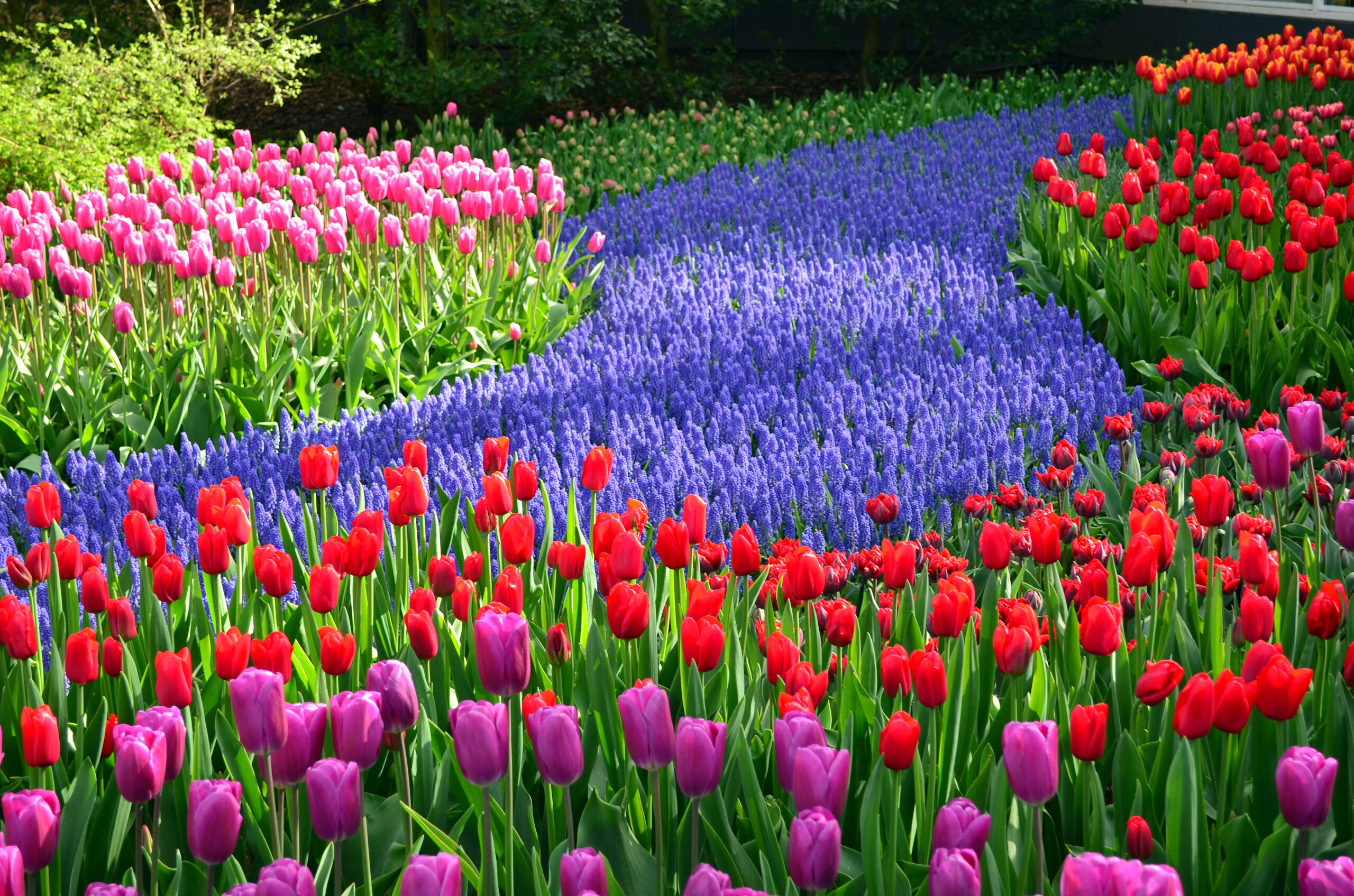
- Experiment with Colors: Layer bulbs with contrasting colors for a vibrant, eye-catching display, or use shades of the same color for a more harmonious look.
- Don’t Forget About Companion Plants: Complement your bulb layering with some perennials or groundcovers that can fill in the spaces between bulbs once the flowers have faded. Low-growing plants like creeping thyme or ground-hugging sedums work well to fill in the gaps.
- Plant in Containers: If you have limited space or want to create a portable garden, container gardening is an excellent option. Layering bulbs in a large container can create a beautiful and easy-to-care-for display.
Troubleshooting Bulb Layering Issues
- Too Much Shade: If your bulbs aren’t blooming as expected, it may be due to insufficient sunlight. Ensure your garden receives the right amount of sunlight based on the needs of the bulbs you’ve selected.
- Poor Drainage: If the soil isn’t draining well, you may notice your bulbs rotting. Consider adding organic matter or planting bulbs in raised beds if your soil tends to retain water.
- Late Blooms: In some cases, bulbs may bloom later than expected due to environmental conditions. Be patient and enjoy the show when it finally arrives.
Conclusion
Bulb layering is a fantastic way to ensure that your garden stays in bloom for months on end. By planting different types of bulbs at various depths, you can create a staggered, multicolored display that keeps your outdoor space lively and colorful throughout the seasons. With a little planning and effort, you can enjoy a beautiful garden that blooms continuously, providing visual interest and joy every time you step outside.
Happy planting!