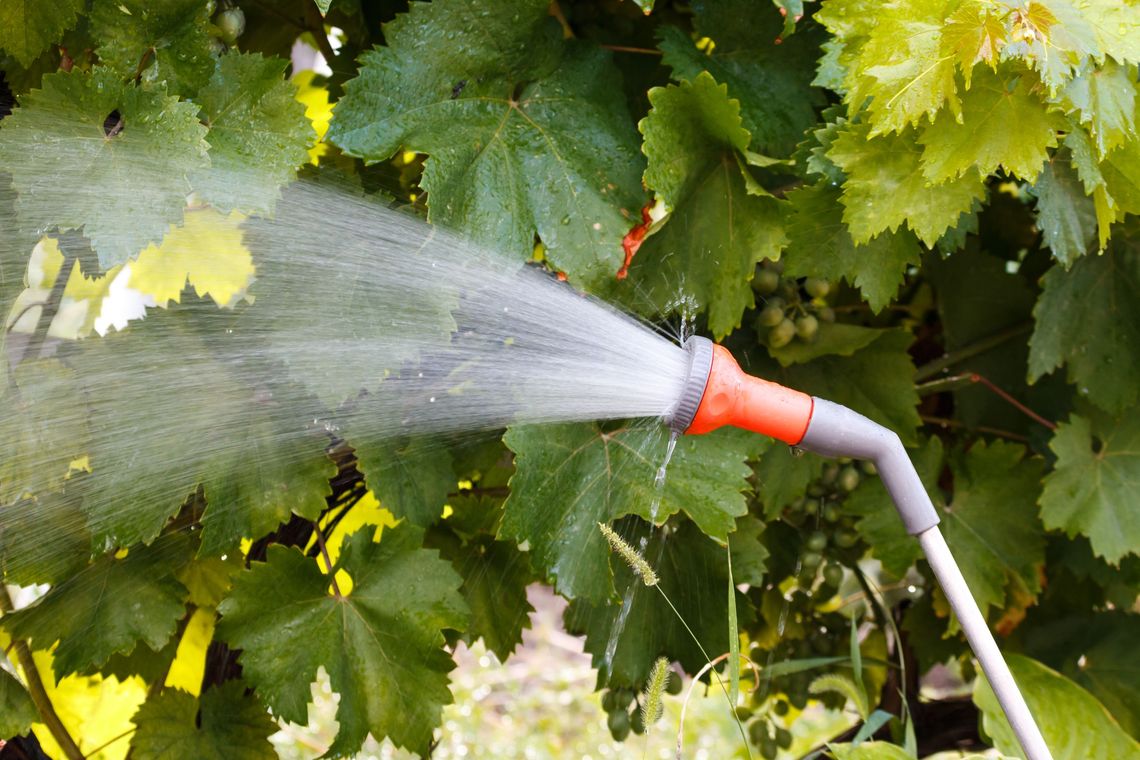
How to Water Plants While Away and Sustain Your Spring Garden
Spring is a time of renewal and rapid plant growth, but it also comes with unpredictable weather and fluctuating temperatures. Whether you’re heading out for a weekend getaway or an extended trip, ensuring your garden stays hydrated while you’re away is crucial. Without proper planning, dry spells or sudden warm days could leave your plants wilted or struggling by the time you return.
This guide will walk you through the best watering techniques, self-sustaining irrigation methods, and smart planning strategies to keep your spring garden thriving while you’re away.
1. Assess Your Garden’s Watering Needs
Before setting up a watering plan, it’s important to understand how much water your plants require. Different plants have different needs:
🌿 Vegetables & Annual Flowers – Fast-growing and shallow-rooted, they require frequent watering.
🌳 Perennials & Shrubs – Established plants are more drought-tolerant but still benefit from deep watering.
🌱 Seedlings & Young Plants – These need consistent moisture to develop strong roots.
✅ Pro Tip: Check your soil type—sandy soil dries out faster than clay-rich soil, so adjust watering methods accordingly.
2. Best Self-Watering Solutions for Your Spring Garden
🏺 DIY Drip Irrigation System
A drip irrigation system delivers water slowly and directly to the roots, making it an efficient and low-maintenance solution while you’re away.
🔹 How to Set It Up:
- Attach a drip irrigation kit to your outdoor faucet.
- Position the drip lines near the base of your plants.
- Use a timer to automate watering at optimal times (early morning or late evening).
✅ Benefits: Saves water, reduces evaporation, and ensures deep root hydration.
🏺 Self-Watering Containers for Potted Plants
For container plants, self-watering pots and reservoirs can keep the soil moist for days.
🔹 How to Use Them:
- Choose self-watering pots with built-in reservoirs.
- Fill the reservoir before leaving—water is absorbed as needed.
- For existing pots, place a water-filled bottle upside down into the soil for a slow release.
✅ Best For: Houseplants, patio flowers, and vegetables in containers.
🏺 Mulching to Lock in Moisture
Mulching is one of the simplest and most effective ways to retain soil moisture.
🔹 How to Mulch Your Garden:
- Spread a 2-3 inch layer of organic mulch (straw, wood chips, or shredded leaves) around plants.
- Mulch acts as a barrier, reducing evaporation and keeping the soil cool.
- It also prevents weeds, which compete for water.
✅ Best For: Flower beds, vegetable gardens, and shrubs.
🏺 Watering Globes & Bottle Irrigation
For short trips, watering globes or DIY bottle irrigation work well for keeping plants hydrated.
🔹 How to Set It Up:
- Fill a glass or plastic bottle with water.
- Poke a small hole in the cap or remove it for a steady drip.
- Insert it upside down into the soil, near the roots.
✅ Best For: Indoor plants, raised beds, and container gardens.
3. Smart Scheduling: Automate Your Watering Routine
If you’re away for more than a few days, consider automating your watering system:
🔹 Use a Timer – A hose timer on your irrigation system ensures regular watering at the right time of day.
🔹 Choose the Right Timing – Water early in the morning to reduce evaporation and ensure soil absorbs moisture efficiently.
🔹 Check the Weather Forecast – If rain is expected, adjust your schedule to avoid overwatering.
✅ Bonus Tip: If possible, do a test run before leaving to ensure everything works properly.
4. Preparing Your Garden for Extended Absence
Before You Leave:
✔ Give Your Plants a Deep Soak – Water thoroughly so the soil is evenly moist.
✔ Move Potted Plants to a Shady Area – Reducing sun exposure slows moisture loss.
✔ Group Plants Together – This creates a microclimate that retains humidity.
✔ Prune Excess Foliage – Trimming unnecessary growth helps plants conserve water.
Ask a Neighbor or Friend for Help
If you’ll be gone for more than two weeks, consider asking a friend, neighbor, or garden sitter to check on your plants.
5. What to Expect When You Return
Even with the best planning, you may find some plants a little thirsty when you get back. Here’s how to revive them:
🌿 Check Soil Moisture – If the soil is dry, water deeply to replenish lost moisture.
🌿 Trim Damaged Leaves – Remove any yellow or dried-out foliage.
🌿 Fertilize Lightly – If plants look weak, a mild organic fertilizer can give them a boost.
Final Thoughts: Keep Your Spring Garden Thriving
Leaving your garden for a trip doesn’t have to mean returning to wilted plants. By setting up drip irrigation, using self-watering techniques, and planning ahead, you can ensure your spring plants stay hydrated and healthy.
With the right preparation, you can enjoy your travels without worrying about your garden’s survival. So, go ahead—plan that getaway while keeping your spring garden lush, vibrant, and full of life! 🌿✨

