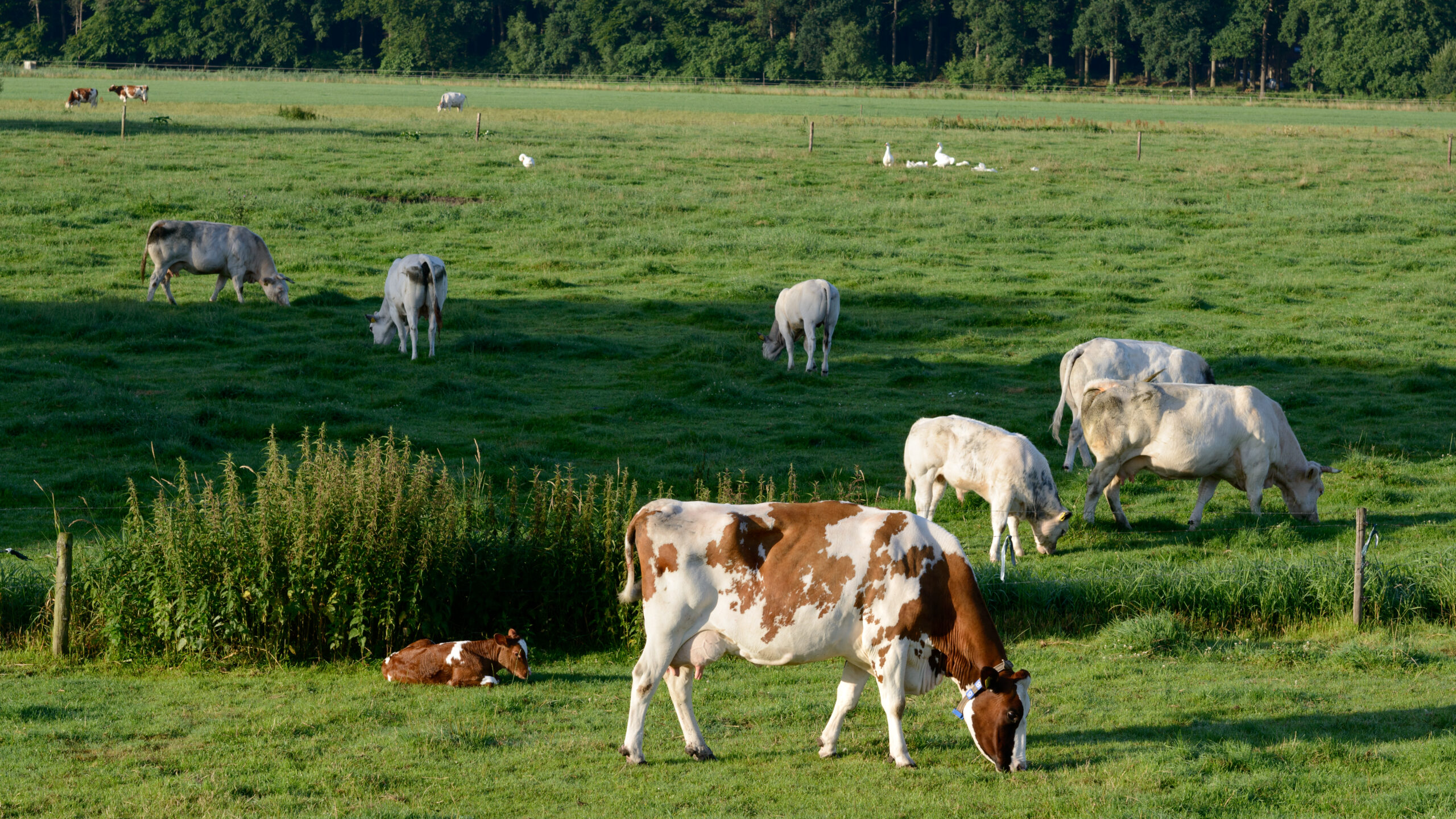
Spring Grazing Strategies: How to Maximize Pasture Health and Livestock Growth
As spring arrives and pastures begin to green up, ranchers and livestock owners have a critical window to set the stage for a productive grazing season. A well-managed spring grazing strategy not only ensures the health of your pasture but also promotes optimal livestock growth. Whether you’re raising cattle, sheep, or other grazing animals, implementing the right approach in the early season can lead to long-term success.
1. Assessing Pasture Conditions Before Turnout
Before turning livestock out to graze, evaluate pasture conditions carefully. Overgrazing too early can damage plant growth, reducing forage availability later in the season. Here are key factors to check:
- Soil Moisture Levels: Too much moisture can lead to trampling damage and compaction.
- Forage Growth Stage: Wait until grasses reach at least 6–8 inches in height to ensure proper regrowth potential.
- Weed Presence: Address any early weed growth to prevent competition with desirable forage.
2. Implementing Rotational Grazing for Maximum Forage Utilization
One of the most effective ways to maintain pasture health is through rotational grazing. Instead of letting livestock graze freely across an entire pasture, divide it into smaller paddocks and rotate animals through them. Benefits include:
- Improved Forage Recovery: Allowing rest periods for grass to regrow.
- Better Soil Health: Preventing overgrazing reduces erosion and compaction.
- Higher Nutrient Efficiency: Animals graze more uniformly, leading to improved weight gain and productivity.
A good rotation schedule depends on forage growth rates, stocking density, and weather conditions. Typically, animals should be moved when grass is grazed down to about 3–4 inches.
3. Balancing Stocking Rates for Sustainable Growth
Stocking rate—the number of animals per acre—should match the land’s forage production capacity. Overstocking leads to overgrazing, while understocking wastes valuable resources. To determine the right balance:
- Calculate Forage Availability: Use pasture yield estimates to determine how many animals your land can support.
- Monitor Animal Performance: If livestock weight gain is slower than expected, you may need to adjust stocking density.
- Be Flexible: Spring conditions can vary widely, so adapt as needed.
4. Early-Season Nutrient Management for Pastures
Spring is an ideal time to improve soil fertility and pasture productivity. Key management practices include:
- Soil Testing: Determine nutrient levels and apply fertilizers accordingly.
- Nitrogen Application: Promotes early-season growth but should be applied in moderation to avoid excessive forage production.
- Overseeding with Legumes: Adding clover or alfalfa helps improve nitrogen levels naturally while enhancing forage diversity.
5. Managing Water Sources for Grazing Livestock
As temperatures rise, maintaining clean and reliable water sources becomes essential. Consider these strategies:
- Install Portable Water Tanks: Helps distribute animals more evenly across pasture.
- Protect Natural Waterways: Prevent erosion and contamination by fencing off streams and ponds.
- Monitor Water Quality: Ensure adequate supply and check for algae growth or contamination.
6. Controlling Parasites and Health Issues
Spring grazing can expose livestock to parasites and diseases. To minimize risks:
- Implement a Deworming Schedule: Rotate dewormers to prevent resistance.
- Rotate Pastures Regularly: Helps break parasite life cycles.
- Monitor Animal Health: Look for signs of weight loss, diarrhea, or anemia.
7. Preparing for Summer Grazing
Spring grazing sets the stage for the entire grazing season. Proper management now helps prevent forage shortages in the summer. Consider these steps:
- Resting Some Pastures: Let some paddocks grow taller to serve as summer stockpile forage.
- Planting Warm-Season Grasses: If cool-season pastures decline in hot weather, supplement with warm-season species.
- Using Supplemental Feed: If forage becomes limited, provide hay or high-quality feed to maintain animal condition.
Final Thoughts
A successful spring grazing strategy requires planning, monitoring, and adaptability. By assessing pasture conditions, implementing rotational grazing, managing stocking rates, and maintaining animal health, you can ensure both pasture longevity and livestock productivity. Taking the time to optimize your grazing practices in spring will lead to better weight gain, healthier pastures, and higher overall farm efficiency throughout the year.
Are you ready to maximize your spring grazing success? Start implementing these strategies today and watch your livestock and pasture thrive!

