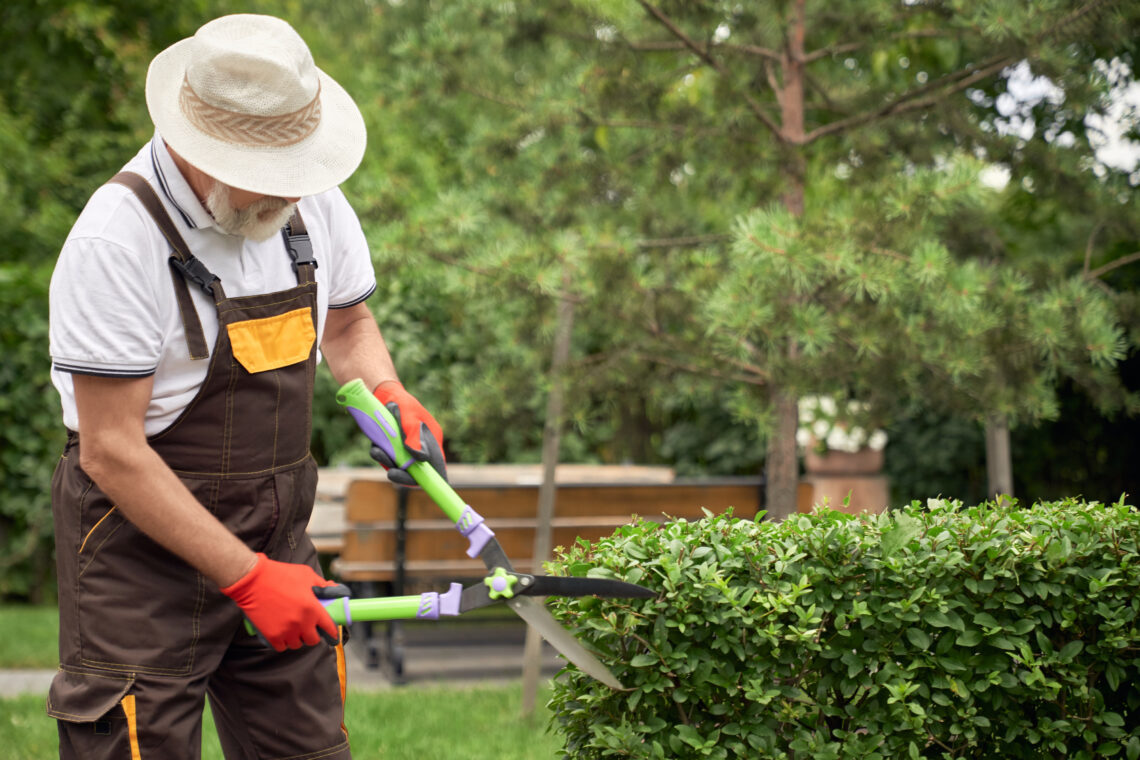
Spring Pruning Guide: Encouraging Healthy Growth in Trees and Shrubs
As winter fades and the first signs of spring emerge, it’s time to give your trees and shrubs the care they need to thrive in the growing season ahead. Pruning in early spring is one of the most effective ways to promote vigorous growth, improve overall plant health, and enhance the aesthetic appeal of your landscape. Proper pruning removes dead or damaged wood, shapes growth, and increases airflow and light penetration—key factors for disease prevention and strong development. In this guide, we’ll cover the why, when, and how of spring pruning to help you encourage healthy growth in your trees and shrubs.
Why Prune in Spring?
Pruning serves several critical functions that improve both the health and appearance of your trees and shrubs. Spring pruning, in particular, takes advantage of the natural growth surge that occurs as plants break dormancy. Key benefits of spring pruning include:
✅ Encouraging New Growth – Removing old or dead wood redirects the plant’s energy toward producing new, vigorous shoots and leaves.
✅ Shaping and Structure – Proper pruning guides the shape of a tree or shrub, encouraging balanced and aesthetically pleasing growth.
✅ Preventing Disease and Pest Infestation – Increased airflow and light penetration reduce the risk of fungal infections and pest infestations.
✅ Stimulating Flower and Fruit Production – For flowering and fruiting plants, strategic pruning can result in larger, more abundant blooms and fruit.
When to Prune in Spring
Timing is everything when it comes to spring pruning. Pruning at the wrong time can stunt growth or reduce flowering potential. Here’s how to time your pruning based on the type of plant:
🌸 Flowering Trees and Shrubs
- Spring-blooming plants (like lilacs, forsythia, and dogwood) should be pruned immediately after they finish blooming. These plants form their flower buds on last year’s growth, so pruning too early will reduce blooms.
- Summer-blooming plants (like crepe myrtle, rose of Sharon, and butterfly bush) can be pruned in early spring before new growth appears since they bloom on the current season’s growth.
🌳 Deciduous Trees
- Prune deciduous trees like maple, oak, and birch before new leaves emerge—usually in late winter to early spring—to prevent sap loss and stress.
- Avoid pruning oak trees between April and July to prevent the spread of oak wilt disease.
🌲 Evergreens
- Light pruning of evergreens such as pines, spruces, and firs can be done in early spring before new growth begins.
- Heavy shaping or corrective pruning should be done in late winter or early spring to allow new growth to fill in properly.
Essential Tools for Spring Pruning
Using the right tools makes the pruning process more efficient and prevents damage to the plant. Keep your tools clean and sharp to ensure clean cuts and minimize disease risk.
🛠️ Recommended Tools:
- Hand Pruners – For small branches (less than ¾ inch thick)
- Loppers – For medium branches (¾ to 1 ½ inches thick)
- Pruning Saw – For larger branches (greater than 1 ½ inches thick)
- Hedge Shears – For shaping and trimming hedges
- Pole Pruner – For high branches out of reach
👉 Pro Tip: Sanitize your tools with a mixture of one part bleach to nine parts water between cuts, especially when pruning plants suspected of disease.
How to Prune Different Types of Plants
🌸 Pruning Flowering Shrubs
- Step 1: Remove dead, damaged, or diseased wood first.
- Step 2: Cut back crossing branches that rub against each other, as this creates weak points and entry points for disease.
- Step 3: Thin out the interior by cutting some of the oldest stems at ground level to improve airflow.
- Step 4: Shape the shrub by cutting just above a bud, facing outward, to encourage outward growth.
👉 Example: When pruning a lilac bush, remove about one-third of the oldest stems each year to keep the plant rejuvenated and promote better blooms.
🌳 Pruning Deciduous Trees
- Step 1: Start by removing dead or damaged branches.
- Step 2: Remove any suckers or water sprouts (shoots growing from the base or along the trunk).
- Step 3: Thin the canopy by cutting small branches where they meet the main stem or another branch—this improves light penetration and air circulation.
- Step 4: Shape the tree by cutting back branches to maintain a balanced structure.
👉 Example: For a maple tree, avoid heavy pruning in early spring when sap is flowing heavily to prevent excessive bleeding.
🌲 Pruning Evergreens
- Step 1: Remove dead or damaged branches first.
- Step 2: To shape the tree, trim no more than one-third of the total growth in a single season.
- Step 3: Cut back to a branch junction or new bud to avoid leaving stubs.
- Step 4: For conifers, avoid cutting into old wood where no new growth is present—this will leave a bare spot.
👉 Example: When pruning a pine tree, pinch back the soft new growth (known as “candles”) rather than cutting into older wood.
Common Pruning Mistakes to Avoid
🔴 Over-pruning – Removing too much foliage at once can stress the plant and reduce photosynthesis.
🔴 Flush Cuts – Cutting too close to the trunk or main branch can prevent proper healing. Always leave the branch collar intact.
🔴 Lion-Tailing – Removing too many inner branches while leaving foliage at the ends creates weak, top-heavy growth.
🔴 Topping – Cutting off the tops of trees to control height leads to weak, unstable growth.
👉 Pro Tip: Follow the 1/3 Rule: Never remove more than one-third of the plant’s total growth in a single season.
Post-Pruning Care
Once pruning is complete, give your trees and shrubs the support they need to recover and thrive:
- Water deeply to encourage strong root development.
- Apply a balanced slow-release fertilizer to support new growth.
- Mulch around the base of trees and shrubs (2–3 inches thick) to retain moisture and regulate soil temperature.
- Monitor for signs of disease or stress, such as wilting, discoloration, or poor growth.
Best Trees and Shrubs to Prune in Spring
Here’s a quick reference list of common trees and shrubs that benefit from spring pruning:
🌳 Trees:
- Maple
- Oak
- Birch
- Elm
- Cherry
🌸 Flowering Shrubs:
- Lilac
- Forsythia
- Hydrangea
- Spirea
- Rose of Sharon
🌲 Evergreens:
- Pine
- Spruce
- Fir
- Juniper
- Yew
Conclusion
Spring pruning is more than just a cosmetic task—it’s a vital part of plant health and growth. By following proper pruning techniques and timing your cuts based on the specific needs of your trees and shrubs, you’ll encourage healthy growth, enhance flowering and fruiting, and create a more beautiful and balanced landscape. With the right tools, timing, and care, your trees and shrubs will thrive throughout the growing season and beyond.