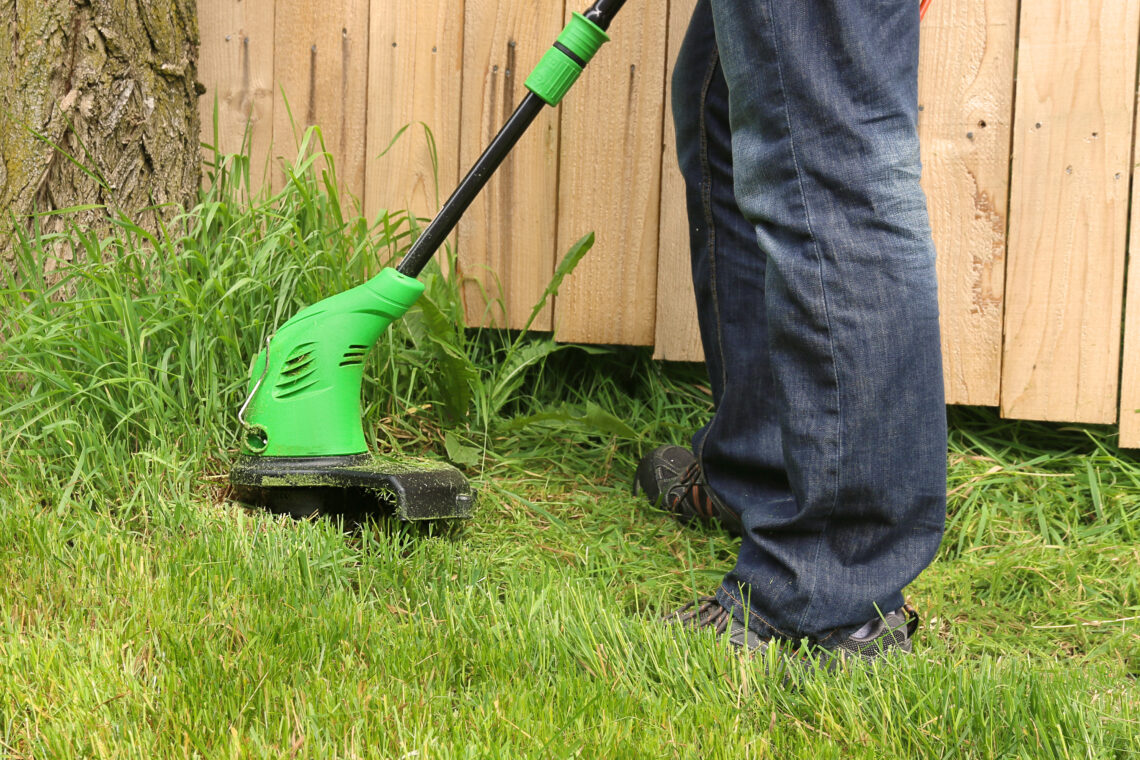
Spring Pruning Guide: How to Trim Your Lawn, Trees, and Garden for a Thriving Landscape
Spring is the perfect time to give your lawn, trees, and garden the care they need to flourish throughout the growing season. Proper pruning not only enhances the appearance of your landscape but also improves plant health, encourages new growth, and prevents disease. However, pruning at the wrong time or using improper techniques can harm plants rather than help them. This guide will walk you through the best spring pruning practices for your lawn, trees, shrubs, and garden plants.
Why Spring Pruning is Essential
✔️ Encourages New Growth – Removing dead or weak branches and stems allows plants to focus energy on new, healthy growth.
✔️ Prevents Disease & Pests – Proper pruning improves air circulation, reducing the risk of fungal infections and pest infestations.
✔️ Enhances Plant Shape & Structure – Regular trimming helps maintain the aesthetic appeal and balance of trees, shrubs, and flower beds.
✔️ Increases Flower & Fruit Production – Many plants bloom and produce more fruit after strategic spring pruning.
Step 1: Pruning Your Lawn for a Healthy Start
Your lawn emerges from winter dormancy in early spring, making this a critical time for care.
Mowing Tips for Early Spring:
- Start mowing once your grass reaches 3 to 4 inches tall. Cutting it too short can stress the roots.
- Keep blades sharp for clean cuts that minimize disease risk.
- Leave clippings on the lawn as natural mulch to return nutrients to the soil.
Removing Thatch & Aerating:
- Thatch buildup (a layer of dead grass and debris) can prevent water and nutrients from reaching the roots. Use a dethatching rake or power dethatcher if the layer is over ½ inch thick.
- Aerating the soil with a core aerator helps relieve compaction and promotes deeper root growth.
Overseeding & Fertilizing:
- Fill in thin patches with cool-season grass seed (such as fescue or Kentucky bluegrass).
- Apply a balanced spring fertilizer high in nitrogen to encourage lush green growth.
Step 2: Pruning Trees and Shrubs in Spring
When to Prune Trees:
- Late winter to early spring is ideal for pruning most deciduous trees before they begin active growth.
- Avoid pruning trees that bloom in spring (such as dogwood or cherry) until after they have flowered.
How to Prune Trees:
- Remove dead, diseased, or damaged branches first.
- Trim branches that cross or rub against each other to prevent wounds and disease.
- Use clean, sharp pruning shears for smaller branches and lopper shears or a saw for larger limbs.
- Make cuts just outside the branch collar (the swollen area where the branch meets the trunk) to promote healing.
Pruning Flowering Shrubs:
- Spring-blooming shrubs (lilac, azalea, forsythia) should be pruned right after they flower to avoid cutting off next year’s buds.
- Summer-blooming shrubs (butterfly bush, hydrangea) can be pruned in late winter or early spring before new growth appears.
Step 3: Pruning Garden Plants & Perennials
Cutting Back Perennials:
🌸 Herbaceous perennials (such as hostas and daylilies) should have old foliage cut to the ground to make room for new shoots.
🌿 Ornamental grasses should be trimmed to about 2-3 inches tall before new blades emerge.
🌷 Spring bulbs like tulips and daffodils should not be cut back until their leaves turn completely yellow, as they store energy for next year’s blooms.
Deadheading Flowers:
Removing faded or spent flowers from roses, daisies, and marigolds encourages continuous blooming throughout the season.
Trimming Vines & Climbing Plants:
- Clematis and honeysuckle should be pruned based on their blooming type:
- Spring bloomers – prune lightly after flowering.
- Summer bloomers – prune heavily in early spring.
Step 4: Pruning Fruit Trees & Berry Bushes
Proper pruning of fruit trees and berry bushes maximizes fruit production and reduces disease.
Fruit Trees:
🍎 Apple & Pear Trees – Prune in late winter to early spring, removing crowded branches to allow sunlight to reach developing fruit.
🍑 Peach & Plum Trees – Thin out excessive growth to improve airflow and fruit quality.
Berry Bushes:
- Blueberries: Remove old, unproductive wood while maintaining strong, younger canes.
- Raspberries & Blackberries: Cut back weak canes and remove deadwood to encourage higher yields.
Pruning Tools & Safety Tips
✔️ Essential Tools:
- Hand pruners – For small branches (under 1 inch thick).
- Loppers – For branches 1 to 2 inches thick.
- Pruning saw – For larger limbs.
- Hedge shears – For shaping bushes and hedges.
✔️ Safety Precautions:
- Wear gloves and eye protection when cutting branches.
- Use a sturdy ladder when pruning tall trees.
- Disinfect pruning tools before and after use to prevent disease spread.
Final Thoughts
Spring pruning is an essential practice that keeps your lawn lush, trees strong, and garden thriving. By following the right timing and techniques, you’ll set up your landscape for a healthy and beautiful growing season.
With well-maintained plants, your garden will flourish, your trees will grow stronger, and your lawn will stay vibrant—all season long!
Happy pruning! 🌿🌸🌳
