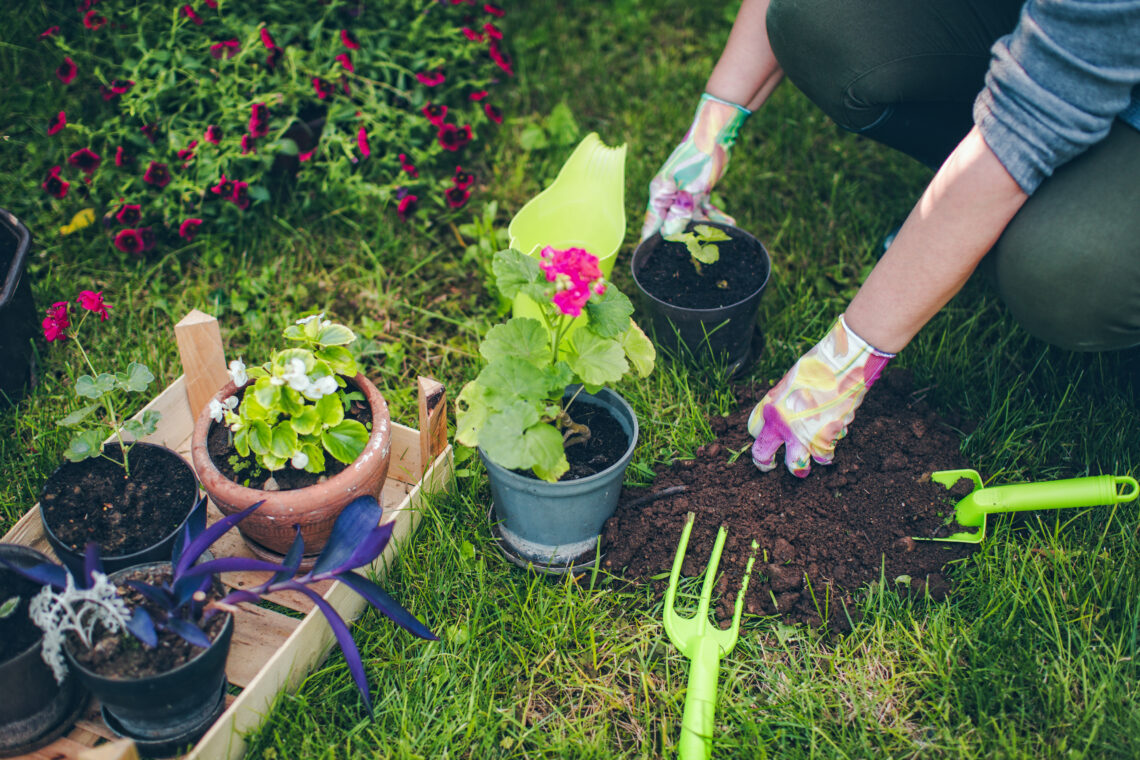
Spring Gardening Mistakes to Avoid: How to Set Your Plants Up for Success
Spring is an exciting time for gardeners. After months of cold weather, the return of warm temperatures and longer daylight hours sparks the urge to get outside and start planting. However, in the rush to get everything growing, many gardeners—both beginners and experienced—make critical mistakes that can hinder plant health, reduce yields, or even kill their plants.
If you want to give your garden the best chance at thriving this season, avoid these common spring gardening mistakes and follow the tips to set your plants up for success.
1. Planting Too Early
One of the most common mistakes gardeners make is planting too soon. Just because the weather feels warm for a few days doesn’t mean the danger of frost has passed. Many plants, especially tender vegetables like tomatoes, peppers, and cucumbers, can suffer serious damage if exposed to late spring frosts.
How to Avoid This Mistake:
- Check your USDA hardiness zone and the average last frost date for your area before planting.
- Use soil thermometers to ensure the ground has warmed sufficiently—most warm-season crops need soil temperatures of at least 55–65°F.
- If a late frost is predicted, cover young plants with row covers, blankets, or even overturned buckets overnight.
2. Neglecting Soil Preparation
Soil is the foundation of a healthy garden, yet many gardeners skip or rush through soil preparation. Poor soil quality leads to weak plants, lower yields, and increased susceptibility to disease and pests.
How to Avoid This Mistake:
- Test Your Soil: A simple soil test (available at garden centers or through local extension offices) will reveal pH levels and nutrient deficiencies.
- Add Organic Matter: Work compost, aged manure, or organic soil amendments into your garden beds to improve structure and fertility.
- Avoid Over-Tilling: Excessive tilling can destroy beneficial soil microbes and compact the soil, making it harder for plant roots to grow.
3. Overwatering or Underwatering
Watering issues are a top reason why plants struggle in spring. Some gardeners assume that more water means better growth, while others forget that young plants have shallow roots that dry out quickly.
How to Avoid This Mistake:
- Follow the “Finger Test”: Stick your finger into the soil about an inch deep—if it feels dry, it’s time to water; if it’s still moist, wait.
- Water Deeply, Not Frequently: Shallow watering encourages weak root systems. Instead, give plants a deep soak 2–3 times per week.
- Mulch for Moisture Control: A 2–3 inch layer of mulch (such as straw, wood chips, or shredded leaves) helps retain moisture and prevents soil from drying out too quickly.
4. Ignoring Companion Planting
Some plants thrive when grown together, while others can stunt each other’s growth. Failing to consider companion planting can lead to poor growth, increased pest problems, or lower yields.
How to Avoid This Mistake:
- Pair Beneficial Plants: Basil and marigolds help deter pests from tomatoes, while beans enrich the soil with nitrogen for corn and squash.
- Avoid Harmful Pairings: Don’t plant onions near beans or peas, as they can inhibit each other’s growth. Likewise, keep potatoes away from tomatoes to prevent disease spread.
5. Failing to Harden Off Seedlings
If you start your plants indoors, transplanting them directly into the garden without acclimating them to outdoor conditions can cause shock, leading to weak or dead plants.
How to Avoid This Mistake:
- Gradually Expose Seedlings: Start by placing them outside in a shaded, sheltered area for a few hours each day.
- Increase Time Outdoors: Over a week or two, slowly increase their exposure to sunlight and outdoor conditions before planting them permanently.
6. Not Controlling Weeds Early
Weeds grow fast in spring, and if you don’t tackle them early, they’ll quickly overrun your garden, stealing water and nutrients from your plants.
How to Avoid This Mistake:
- Mulch Heavily: Applying mulch around plants suppresses weed growth and retains soil moisture.
- Pull Weeds When Young: Small weeds are easier to remove than mature ones with deep roots.
- Use Cover Crops: If you have unused garden space, plant cover crops like clover or rye to crowd out weeds naturally.
7. Overcrowding Plants
It’s tempting to plant as much as possible in your garden space, but overcrowding leads to poor air circulation, increased disease risk, and reduced yields.
How to Avoid This Mistake:
- Follow Spacing Recommendations: Seed packets and plant tags provide spacing guidelines—stick to them!
- Thin Out Seedlings: If direct-seeding, don’t be afraid to remove extra sprouts to allow stronger ones to thrive.
- Use Vertical Gardening: Grow vining plants like cucumbers, peas, and beans on trellises to maximize space.
8. Ignoring Pest and Disease Prevention
Waiting until you see signs of pests or disease to take action can lead to major garden losses. Prevention is key.
How to Avoid This Mistake:
- Inspect Plants Regularly: Check for signs of chewed leaves, discoloration, or insect eggs.
- Encourage Beneficial Insects: Ladybugs and praying mantises help control aphids and other pests.
- Rotate Crops: Avoid planting the same crops in the same spots each year to reduce disease buildup.
9. Using Too Much or the Wrong Fertilizer
Over-fertilizing can burn plants, while using the wrong type can lead to excessive foliage with little fruit or flowers.
How to Avoid This Mistake:
- Match Fertilizer to Plant Needs: Leafy greens need more nitrogen, while fruiting plants need phosphorus and potassium.
- Use Organic Options: Compost, fish emulsion, and worm castings provide nutrients without synthetic chemicals.
- Apply Moderately: More isn’t always better—follow recommended amounts on fertilizer labels.
10. Forgetting to Enjoy the Process
Gardening should be a rewarding, stress-relieving activity, but many gardeners get frustrated by small setbacks.
How to Avoid This Mistake:
- Be Patient: Plants take time to grow, and mistakes are part of learning.
- Celebrate Small Wins: Whether it’s your first ripe tomato or a bed full of flowers, take pride in your progress.
- Experiment and Adapt: Every garden is unique—what works for one may not work for another. Keep learning and adjusting as you go.
Final Thoughts
Spring gardening can be incredibly fulfilling, but avoiding these common mistakes will set your plants up for success from the start. By paying attention to soil preparation, proper planting times, watering techniques, spacing, and pest prevention, you’ll create a thriving, healthy garden that provides beautiful blooms, delicious produce, and a deep sense of accomplishment.
Now, grab your gloves, get out there, and start growing! Happy gardening! 🌱🌿