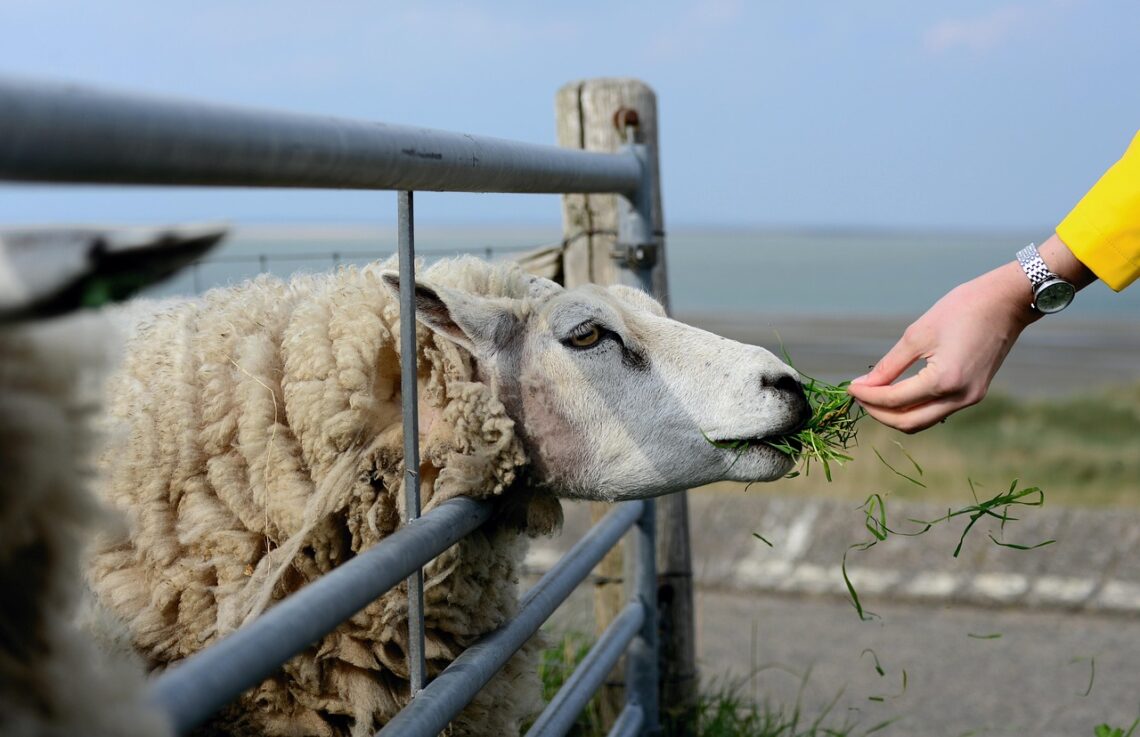
Is Your Pasture Ready for Summer? A Quick Check-Up Guide
As spring gives way to summer, it’s time to shift gears and ask yourself a crucial question: Is your pasture truly ready for the heat, pressure, and grazing demands of the summer season?
If you’re managing livestock—whether it’s cattle, sheep, goats, or horses—your pasture health is your foundation. A well-prepped pasture not only feeds your animals efficiently but also supports soil health, boosts forage regrowth, and saves you from costly supplemental feeding later in the year.
This quick and thorough check-up guide walks you through what to look for, what to fix, and how to prepare your pasture for summer success.
🌱 1. Check Forage Height and Density
Before your animals take their first summer steps into the pasture, take a walk yourself.
- For cool-season grasses like fescue or orchardgrass, aim for 8–10 inches before grazing begins.
- Warm-season grasses like bermudagrass or switchgrass should be closer to 12–16 inches to maximize yield and root health.
If your pasture looks patchy or thin:
- Consider a rest period or light rotational grazing to give plants time to rebound.
- Look at the previous grazing pattern—did animals graze it too hard in spring? If so, consider reseeding or overseeding this fall.
🌾 2. Evaluate Species Composition
Healthy pastures aren’t just full—they’re diverse.
What are you really growing?
Scan your fields for:
- Desirable species like clovers, timothy, bluegrass, or native warm-season grasses.
- Unwanted guests like thistles, pigweed, crabgrass, or invasive sedges.
If weeds are creeping in, it’s often a sign of overgrazing, compaction, or nutrient imbalance. Don’t just mow them down—identify why they’re thriving in the first place.
Action tip: Consider targeted grazing, spot spraying, or reseeding areas where weeds have taken over.
💩 3. Manure Distribution and Soil Condition
Manure isn’t just waste—it’s a free fertilizer if managed well. In continuous grazing systems, it often piles up near water sources or shade trees, leaving other parts of the field nutrient-depleted.
Ask yourself:
- Is manure evenly spread across paddocks?
- Are animals clustering in the same spot every day?
If not:
- Adjust water and mineral placement to encourage movement.
- Implement rotational grazing to improve uniformity and break parasite cycles.
Also check for soil compaction—if rainwater is pooling or roots are shallow, your soil might be tight. Consider aerating compacted spots or resting overused paddocks longer.
💧 4. Inspect Water Systems
Summer heat can make or break your livestock’s health, and clean, accessible water is non-negotiable.
Checklist:
- Are troughs clean and flowing?
- Are hoses, valves, and float systems in good shape?
- Do all paddocks have easy access to water—or a way to provide it via portable tanks?
Even minor leaks can lead to water loss or mud pits. Don’t wait until it’s 95°F and dry—fix leaks and test flow now.
🌞 5. Review Grazing Plan Timing
This is the season where grazing pressure must be closely matched to forage regrowth. Growth rates will slow with heat and lack of rain.
- Adjust rotation timing: If you’re doing rotational grazing, consider lengthening rest periods to 30–40 days depending on rainfall and species.
- Watch for overgrazing: Leaving too little residual forage (less than 3 inches) damages roots and increases weed pressure.
- Track it: Use a grazing chart or pasture log to track entry/exit dates and regrowth rates.
Don’t go into summer guessing—go in with a plan.
🐮 6. Test Soil and Balance Nutrients
Late spring is still a good time to pull soil samples, especially if you haven’t tested in a year or more. Nutrient imbalances (especially nitrogen and phosphorus) can stunt summer forage growth.
If your pasture looks “tired” despite rest:
- Send in a soil test to your extension office or ag co-op.
- Amend based on actual needs—no need to overdo nitrogen if legumes are abundant.
- Use lime if pH is off, especially in high-rainfall areas.
Healthy soil = better forage = healthier animals.
🧰 7. Look for Infrastructure Wear and Tear
Summer often comes with more animal movement, equipment use, and fence pressure. Now’s the time to:
- Walk your fencelines: Fix sagging wires, broken posts, or electric fence shorts.
- Inspect gates and hinges for rust or warping.
- Recheck paddock layouts if you’re rotating—can you improve flow, shade access, or water proximity?
A little pre-summer maintenance goes a long way in avoiding mid-season headaches.
🌿 8. Plan for Shade and Heat Relief
Heat stress can lower weight gain, reduce reproduction, and even lead to death in extreme cases.
If natural shade is limited:
- Provide shade shelters or rotate grazing to more wooded paddocks during peak heat hours (typically 1–5 PM).
- Ensure water is within 800 feet of grazing zones to reduce walking stress.
- For smaller operations, consider misters or sprinklers during extreme heat events.
Your animals will thank you—and perform better.
✅ Quick Summer Pasture Checklist
Here’s your at-a-glance list before summer hits full swing:
✔ Forage height is adequate and evenly distributed
✔ Desired plant species are dominant
✔ Weed pressure is under control
✔ Manure is spread evenly (not piled)
✔ Water systems are clean and fully functional
✔ Grazing plan allows for proper rest and rotation
✔ Soil test is recent and fertilization is balanced
✔ Fencing and gates are in working order
✔ Animals have access to shade and heat relief
🐂 Final Thoughts: Don’t Just “Hope” Your Pasture Will Hold Up
Summer can be the most challenging season for pasture health—but it can also be the most productive, if you’re ready for it.
A healthy, well-managed pasture doesn’t just feed your herd—it builds long-term soil resilience, saves on hay costs, and boosts the health of everything that walks or grows on your land.
So take an hour this week. Walk your fields. Check the signs. Fix what needs fixing.
Because when summer comes in hot, the best-prepared pastures—and producers—won’t just survive… they’ll thrive.

