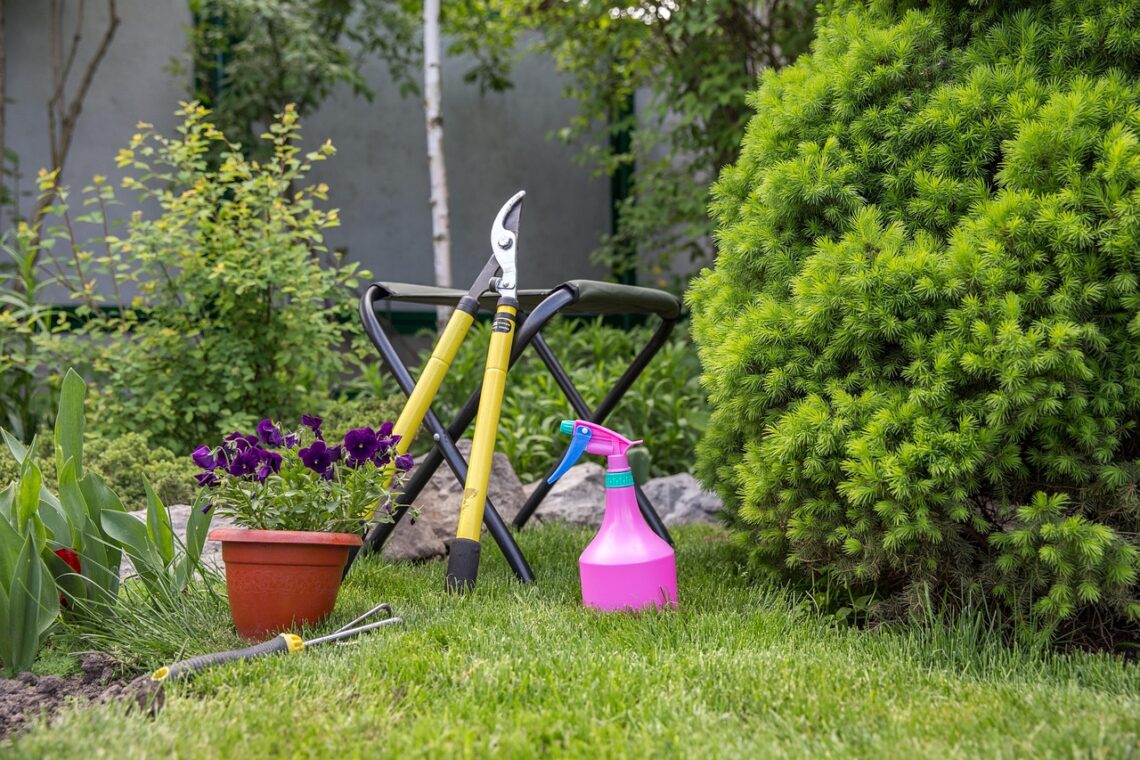
Summer Pruning Tips: Keep Your Garden Healthy and Vibrant
Pruning isn’t just a spring or fall chore—it’s also essential in the heat of summer to keep your garden healthy, productive, and visually stunning. While summer pruning requires a lighter touch, it offers unique benefits for managing growth, encouraging blooms, and protecting plants during long, hot days.
Here’s your comprehensive guide to summer pruning, including what to prune, when to do it, and how to avoid common mistakes that can stress your plants during peak heat.
🌿 Why Prune in Summer?
Many gardeners avoid pruning in summer out of fear of harming their plants, but careful midsummer pruning can actually:
✅ Control Excess Growth: Fast-growing shrubs, trees, and vines can get unruly by midsummer.
✅ Encourage New Blooms: For flowering plants, removing faded blossoms promotes reblooming.
✅ Improve Airflow and Sunlight: Reducing dense growth helps prevent fungal diseases and allows light to reach inner branches.
✅ Keep Plants Manageable: Summer is the perfect time to shape hedges or keep perennials neat.
🎯 Pro Tip: Focus on “maintenance pruning” in summer instead of major structural changes—leave the heavy work for dormant seasons.
✂️ What to Prune in Summer
1. Deadheading Spent Flowers
- 🌸 Why: Removing faded blooms encourages many annuals and perennials to produce more flowers.
- 🌱 What to Deadhead: Roses, zinnias, petunias, coneflowers, and daisies.
- 🎯 Tip: Cut just above a set of healthy leaves or buds.
2. Lightly Shaping Woody Shrubs
- 🌿 Why: Summer is ideal for tidying up shrubs that have finished spring flowering.
- 🌱 What to Prune: Lilacs, forsythia, and rhododendrons—prune right after blooms fade to avoid cutting off next year’s flowers.
- 🎯 Tip: Avoid cutting too deep; stick to trimming new, soft growth.
3. Controlling Fast-Growing Vines
- 🍇 Why: Vines like wisteria, clematis, and grapes can become tangled and block airflow.
- 🌱 What to Prune: Thin out excessive runners and redirect energy into fruiting or flowering.
- 🎯 Tip: Cut back long shoots to 5-6 leaves from the main stem.
4. Tidying Up Hedges and Topiary
- 🌳 Why: Summer growth spurts can ruin crisp hedge lines or topiary shapes.
- 🌱 What to Prune: Boxwood, privet, yew.
- 🎯 Tip: Use sharp shears and avoid cutting during midday heat. Morning or evening is best.
5. Removing Dead or Diseased Wood
- 🪵 Why: Eliminates hiding places for pests and prevents disease spread.
- 🌱 What to Prune: Any tree, shrub, or perennial showing signs of dieback or fungal issues.
- 🎯 Tip: Disinfect tools between cuts to avoid transferring disease.
🌞 Timing Matters: When to Prune in Summer
- Early Morning or Late Evening: Avoid the midday heat when plants (and gardeners!) are stressed.
- After Flowering: For spring bloomers, prune as soon as flowers fade.
- During Dry Weather: Moist conditions can increase the risk of fungal infections in fresh cuts.
🎯 Watch Out: Never prune heavily right before or during a heatwave—it can shock plants and cause sunscald on exposed branches.
🚫 Common Summer Pruning Mistakes to Avoid
❌ Over-Pruning: Cutting too much foliage can expose inner branches to sunburn and stress the plant.
❌ Shearing Instead of Selective Pruning: Don’t just trim the outer edges—thin out dense areas for better air circulation.
❌ Ignoring Tool Hygiene: Dirty pruners spread disease faster than pests. Always clean and sharpen your tools.
🌱 Bonus: Summer Pruning for Edible Gardens
- Tomatoes: Pinch off suckers on indeterminate varieties to focus energy on fruit production.
- Herbs: Cut back flowering stems on basil, oregano, and mint to encourage fresh leafy growth.
- Fruit Trees: Light summer pruning helps maintain shape and removes water sprouts.
🎯 Pro Tip: Avoid heavy pruning on stone fruit trees (like peaches and cherries) as it can reduce next year’s yield.
🌿 Final Thoughts: A Little Trim Goes a Long Way
Summer pruning isn’t about hacking plants down—it’s about gentle guidance to keep your garden thriving through the hottest months. With the right timing, tools, and techniques, you can enjoy a healthier, more vibrant landscape while setting your plants up for success in the seasons ahead.
So grab those sharp pruners, work in the cool of the day, and give your garden a midsummer refresh. You—and your plants—will be glad you did.

