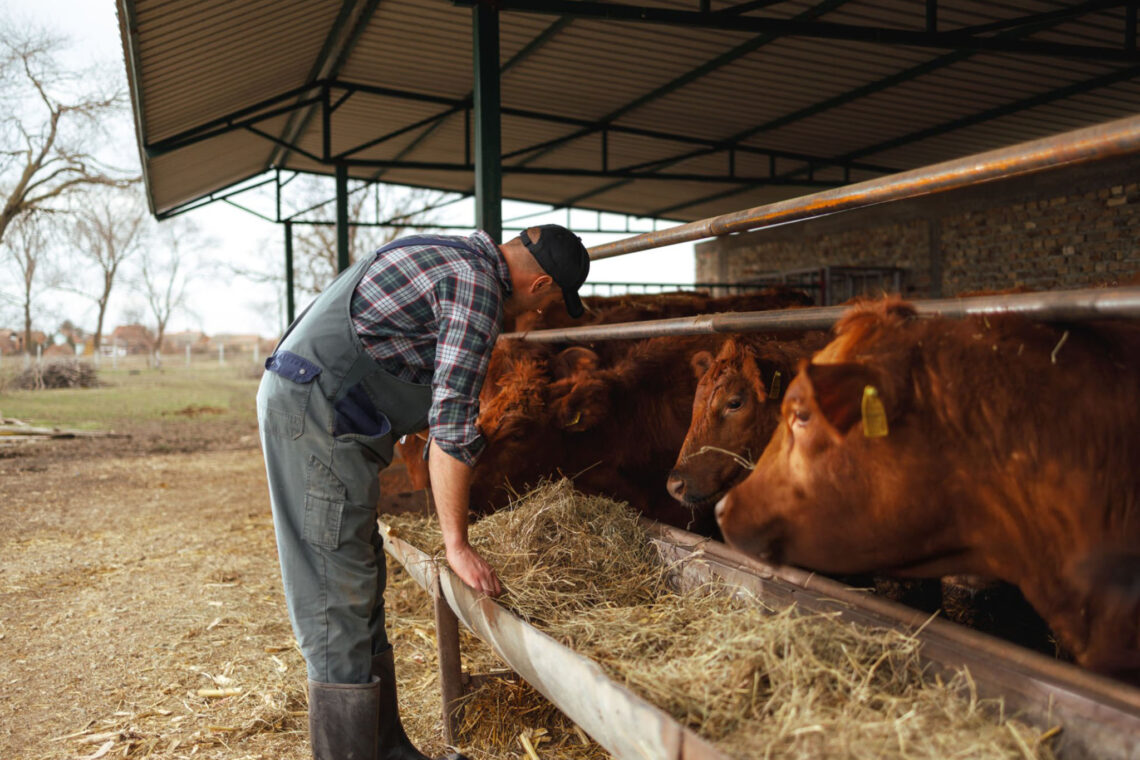
Mid-Summer Ranch Checklist: Keep Your Operation Running Smooth
July and August are the heart of summer on the ranch. The sun is blazing, the days are long, and the work doesn’t let up. Mid-summer is when your operation’s efficiency—and your livestock’s health—are truly put to the test. Whether you’re managing cattle, horses, goats, or crops, staying ahead of problems now can save you headaches (and lost dollars) later.
This mid-summer ranch checklist will help you keep your operation running smoothly, even during the hottest and most demanding weeks of the year.
✅ 1. Water Systems: Inspect, Test, and Adjust
Hydration is the lifeblood of your ranch during summer. Heatwaves can double your herd’s water demand, and a failed water system can be disastrous.
✔ Inspect all waterers daily. Look for leaks, blockages, or algae growth.
✔ Test flow rates at remote tanks and troughs to ensure they keep up with demand.
✔ Shade your water tanks or add floating balls to keep water cooler and discourage algae.
✔ For pastures far from a well, consider portable water tanks or solar-powered pumps.
Pro Tip: Stock up on spare parts like float valves and hoses. When something breaks mid-summer, you won’t have to wait for a delivery.
🌳 2. Shade and Shelter: Keep Animals Comfortable
Animals need relief from direct sun during peak hours. Without adequate shade, you risk heat stress and reduced productivity.
✔ Natural Shade: Make use of tree lines and hedgerows wherever possible.
✔ Temporary Shade Structures: Set up portable shade canopies in open pastures.
✔ Barn Ventilation: Check fans and ridge vents. Clean dust buildup to maximize airflow.
Watch for Heat Stress Symptoms:
- Rapid breathing or panting
- Excessive drooling
- Lethargy or refusing to move
Move affected animals to shade and give them cool water immediately.
🪰 3. Stay on Top of Fly and Parasite Control
Flies, ticks, and worms are more than just annoyances in summer—they sap energy from your herd and spread disease.
✔ Fly Control:
- Rotate fly tags or pour-ons to prevent resistance.
- Hang sticky traps in barns.
- Spread fly predators in manure piles to stop larvae from hatching.
✔ Parasite Management:
- Deworm if fecal counts are high.
- Keep pastures mowed to reduce tick habitat.
Pro Tip: Don’t let manure or wet bedding pile up—it’s a breeding ground for pests.
🌾 4. Pasture and Fence Maintenance
Mid-summer pastures can get overgrazed fast, leading to soil compaction and weed invasion.
✔ Rotate grazing areas to give grass time to recover.
✔ Clip weeds before they go to seed.
✔ Walk your fences weekly. Heat can warp boards and stretch wire. Repair loose posts before livestock find the weak spot.
🐄 5. Monitor Livestock Body Condition
✔ Check weights regularly. Heat can suppress appetites, and lactating animals may lose condition.
✔ Adjust feed schedules: Offer grain and hay during the cooler early morning and evening hours.
✔ Electrolyte supplements in water can help prevent dehydration.
🧑🌾 6. Gear and Equipment Mid-Summer Tune-Up
Don’t wait for something to break during haying or herd moves.
✔ Service tractors and ATVs. Check oil, filters, and tire pressure.
✔ Inspect gates and latches. Metal expands in the heat and can misalign.
✔ Sharpen tools like hoof trimmers and machetes.
Pro Tip: Make a list of critical supplies to restock now, so you’re ready for late-summer storms or early fall work.
🕑 7. Work Smarter, Not Harder in the Heat
✔ Schedule hard labor for early mornings or after sundown.
✔ Wear breathable, lightweight clothing and stay hydrated.
✔ Check on older ranch hands and young helpers—they’re more prone to heat exhaustion.
🏆 A Smooth Mid-Summer Leads to a Strong Fall
By tackling these tasks now, you’ll set yourself up for fewer emergencies later. Healthy animals, well-maintained gear, and a ranch running like clockwork mean you’ll roll into fall prepared for calving, weaning, and harvest.
Remember: ranching in the heat isn’t about working harder—it’s about working smarter.

