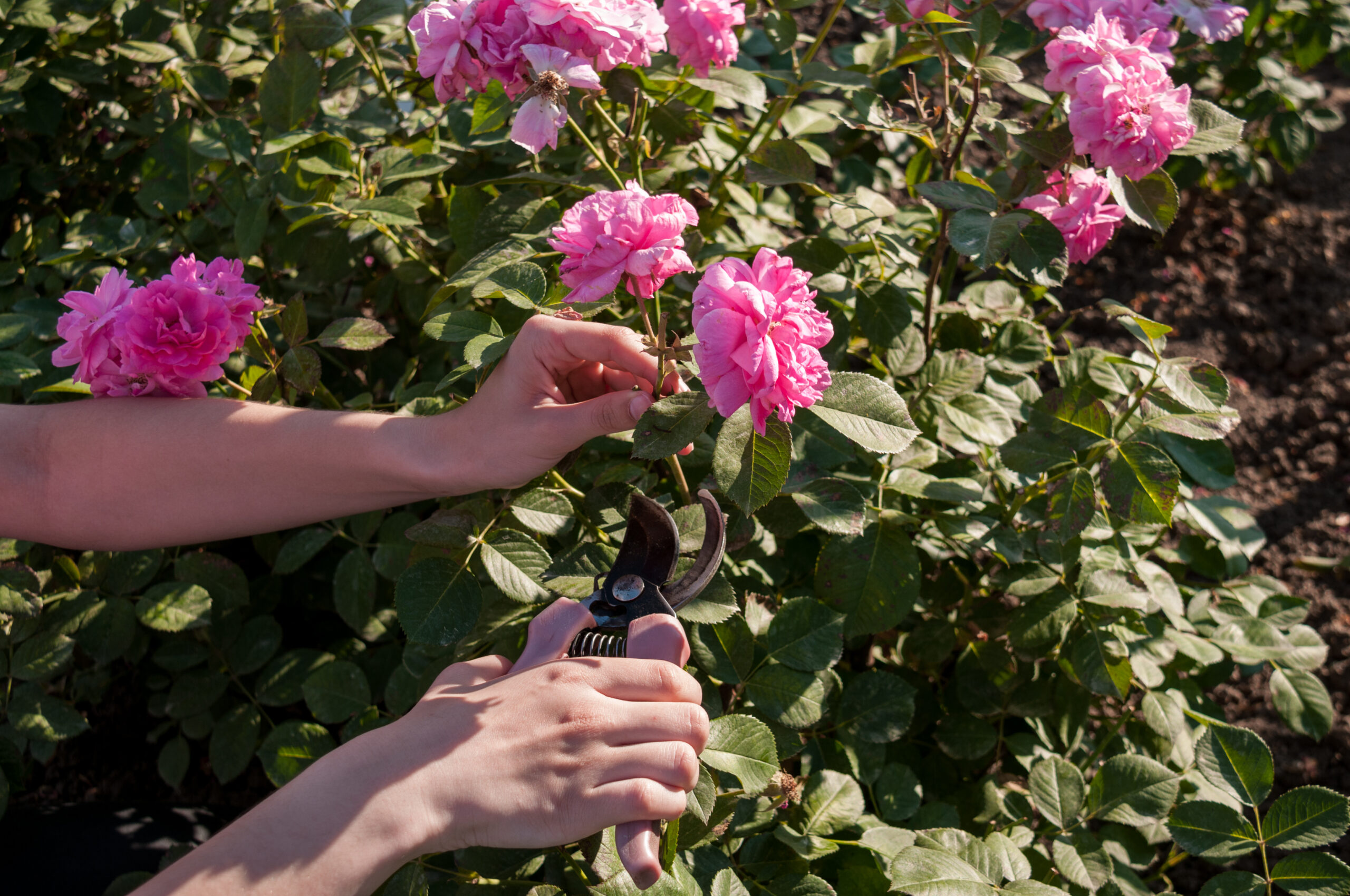
Deadheading and Pruning: Boost Continuous Blooms All Summer Long
Summer is the season when gardens burst with color and life, but maintaining vibrant, continuous blooms takes more than just watering and sunshine. Two crucial gardening practices—deadheading and pruning—can dramatically improve your plants’ health and keep your garden flourishing all season long. Mastering these techniques helps redirect your plants’ energy from seed production back to flower creation, ensuring a longer, more beautiful bloom period.
Whether you’re a seasoned gardener or just starting out, understanding how and when to deadhead and prune will transform your summer garden into a nonstop show of color and vitality.
What is Deadheading and Why Does It Matter?
Deadheading is the simple process of removing spent flowers from your plants. While it might seem minor, this practice plays a major role in extending the flowering period.
How Deadheading Works
When flowers fade and seed pods start to form, many plants naturally shift their energy into producing seeds rather than new blooms. By snipping off these spent flowers before seeds develop, you trick the plant into producing more flowers instead of seeds.
Benefits of Deadheading
- Encourages continuous blooming: Plants put energy into new flower buds rather than seed development.
- Keeps plants tidy: Removing dead blooms prevents your garden from looking scraggly or neglected.
- Reduces disease risk: Decaying flowers can attract pests and fungal diseases; deadheading promotes better air circulation.
- Attracts pollinators: Fresh flowers draw bees, butterflies, and hummingbirds to your garden all summer.
Which Plants Benefit Most from Deadheading?
Not all plants require deadheading, but many popular summer bloomers do, including:
- Petunias
- Geraniums
- Roses
- Marigolds
- Zinnias
- Dahlias
- Coreopsis
- Lavender
For plants like hydrangeas or daylilies, deadheading spent blooms can still improve appearance but might not extend bloom time as dramatically.
How to Deadhead Like a Pro
- Use clean, sharp garden scissors or pruners to avoid damaging the plant.
- Cut just above the first set of healthy leaves or a leaf node. This encourages new growth.
- For flowers on long stems (like dahlias or zinnias), remove the entire stem if it’s done blooming.
- Regularly inspect your garden every 1-2 weeks to catch spent blooms early.
Pruning: The Secret to Healthy, Vibrant Plants
While deadheading focuses on removing old flowers, pruning involves trimming back branches, stems, or foliage to shape plants, remove damaged parts, and stimulate growth.
Why Prune in Summer?
- Controls size and shape: Prevent plants from becoming leggy or overcrowded.
- Improves air circulation: Reduces risk of fungal diseases in hot, humid weather.
- Stimulates new growth: Many flowering shrubs and perennials respond to summer pruning with a fresh flush of blooms.
- Removes dead or damaged wood: Keeps plants healthy and attractive.
Summer Pruning Tips for Popular Garden Plants
- Roses: Deadhead and prune lightly to encourage repeat blooms. Remove any crossing branches or dead wood.
- Lavender: After flowering, trim back about one-third of the plant’s height to promote bushier growth.
- Hydrangeas: Light pruning can improve airflow and shape but avoid cutting old wood if you want blooms next year.
- Perennials: Cut back tall, floppy stems to encourage compact growth and sometimes a second bloom.
- Shrubs: Remove dead branches and trim lightly to maintain form.
Common Mistakes to Avoid
- Over-pruning: Cutting too much can stress plants and reduce blooms. Prune gradually and observe how your plants respond.
- Pruning at the wrong time: Some plants bloom on old wood and should be pruned immediately after flowering, not in midsummer. Know your plant’s growth habits!
- Ignoring tools: Dirty or dull tools can cause damage and spread disease. Clean and sharpen your pruners regularly.
- Neglecting aftercare: Water and feed plants after pruning to support recovery and new growth.
Combine Deadheading and Pruning for Maximum Impact
Using both techniques in tandem ensures your summer garden stays vibrant and healthy. Deadheading keeps the flowers coming, while pruning shapes plants and maintains vigor. Together, they create a cycle of continuous bloom and lush growth.
Final Thoughts
Deadheading and pruning are simple, effective gardening practices that pay huge dividends for your summer garden’s health and beauty. By committing to these tasks regularly, you’ll enjoy nonstop blooms, healthier plants, and a garden that looks fresh and well cared for all season.
Ready to keep your garden blooming strong from the first heat wave through fall? Grab your pruners and scissors, and start snipping your way to summer gardening success!

