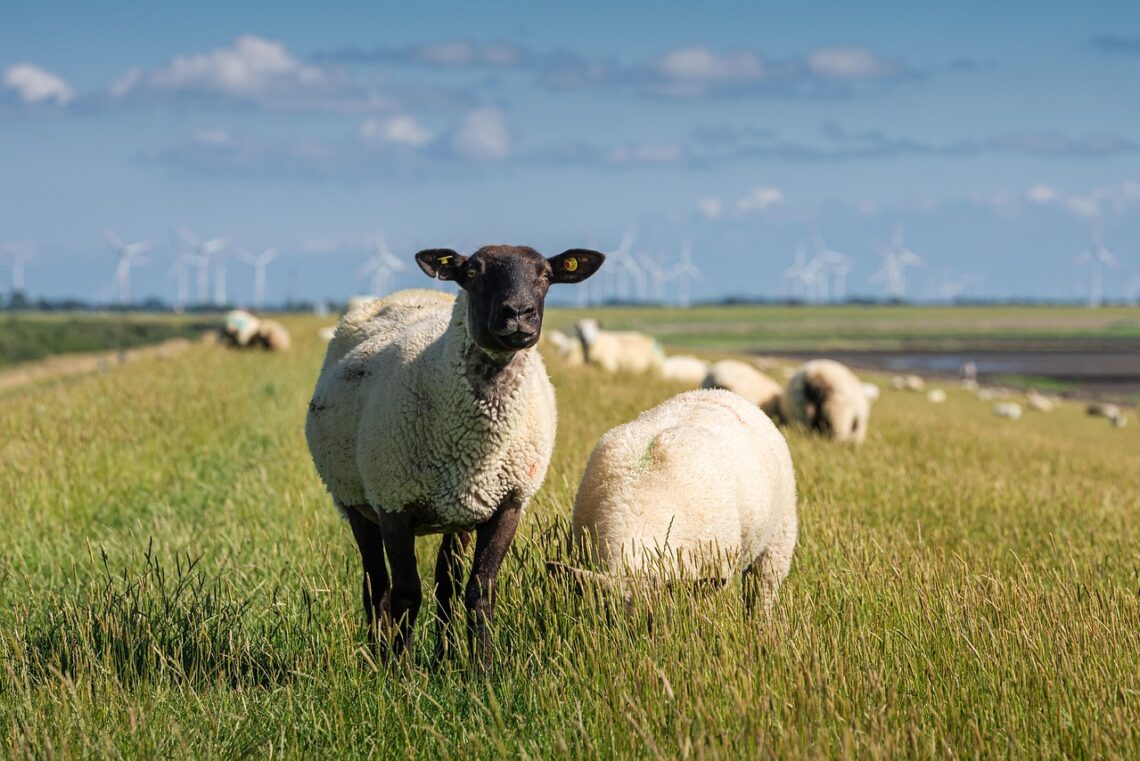
Wildlife and Livestock: Creating a Balance on Your Ranch
Managing a ranch is more than just raising healthy cattle, sheep, or horses—it’s about managing the land as a whole. Across the U.S., ranchers are recognizing that balancing livestock with local wildlife not only supports the environment but also leads to long-term ranch success.
Whether your property spans 50 acres or 5,000, understanding how to create a symbiotic relationship between livestock and wildlife can improve pasture health, reduce conflicts, and contribute to sustainable ranching.
1. Why Wildlife Matters on a Working Ranch
Wildlife isn’t just a scenic addition to your ranch. Local species—from deer and wild turkeys to songbirds and pollinators—play a key role in the ecosystem.
- Pollinators improve forage growth: Bees and butterflies boost flowering plants, leading to healthier pastures.
- Predators maintain natural balance: Coyotes, foxes, and raptors help control rodents that can damage feed stores or hay bales.
- Diverse species indicate land health: A variety of birds, insects, and mammals often signals good soil, water, and vegetation conditions.
When managed correctly, wildlife and livestock can thrive side by side, creating a more resilient ranching system.
2. Managing Grazing for Wildlife and Livestock
The foundation of any ranch is healthy grazing land. Overgrazed pastures harm both livestock production and wildlife habitats.
Rotational Grazing
- Move cattle or sheep through different pastures to allow native grasses to recover.
- Creates natural habitat patches for birds, rabbits, and pollinators in resting pastures.
Leave Wildlife Corridors
- Maintain brushy fencerows or small wooded areas to provide safe movement for deer, turkeys, and other wildlife.
- Avoid fencing every inch of your property; wildlife corridors reduce animal stress and property damage.
Water Access
- Shared water sources like ponds or troughs can be beneficial if well managed.
- Consider wildlife-friendly tanks or ramps so small animals can drink without risk of drowning.
3. Reducing Conflicts Between Livestock and Wildlife
While coexistence is possible, it’s important to proactively reduce problem interactions.
Predator Management
- Use livestock guardian dogs or donkeys instead of widespread lethal control whenever possible.
- Secure newborn calves, lambs, or kids in protected areas during peak predator activity.
Fencing Solutions
- Use wildlife-friendly fencing with smooth bottom wires to allow deer and antelope to cross safely.
- Electric fencing around feed storage areas can deter raccoons, skunks, or feral hogs.
Parasite and Disease Prevention
- Monitor for shared diseases like leptospirosis or brucellosis that can transfer between wildlife and cattle.
- Maintain clean water sources and avoid over-concentration of animals in one area to reduce parasite loads.
4. Enhancing Habitat Without Losing Productivity
Creating a wildlife-friendly ranch doesn’t mean giving up grazing opportunities. Small adjustments can create big ecological benefits.
- Plant native grasses and wildflowers to boost biodiversity and pollinator activity.
- Leave small sections of brush or tree lines for shelter and nesting.
- Add bird boxes or raptor perches to naturally control rodents.
- Consider seasonal rest periods in low-traffic pastures to give wildlife cover during fawning or nesting seasons.
These practices enhance your land’s resilience, reduce pest pressure, and make your ranch more sustainable in the long run.
5. Long-Term Payoff: A Thriving, Balanced Ranch
Balancing livestock and wildlife is a long-term investment in land stewardship. Ranches that successfully integrate both often enjoy:
- Healthier pastures and soil from managed grazing and wildlife activity.
- Lower pest pressure due to natural predator-prey balance.
- Improved water quality through better land management and reduced runoff.
- Potential income opportunities like eco-tourism or hunting leases.
By recognizing that your ranch is an ecosystem, not just a production space, you create a property that feeds your livestock, supports wildlife, and sustains itself for generations.

