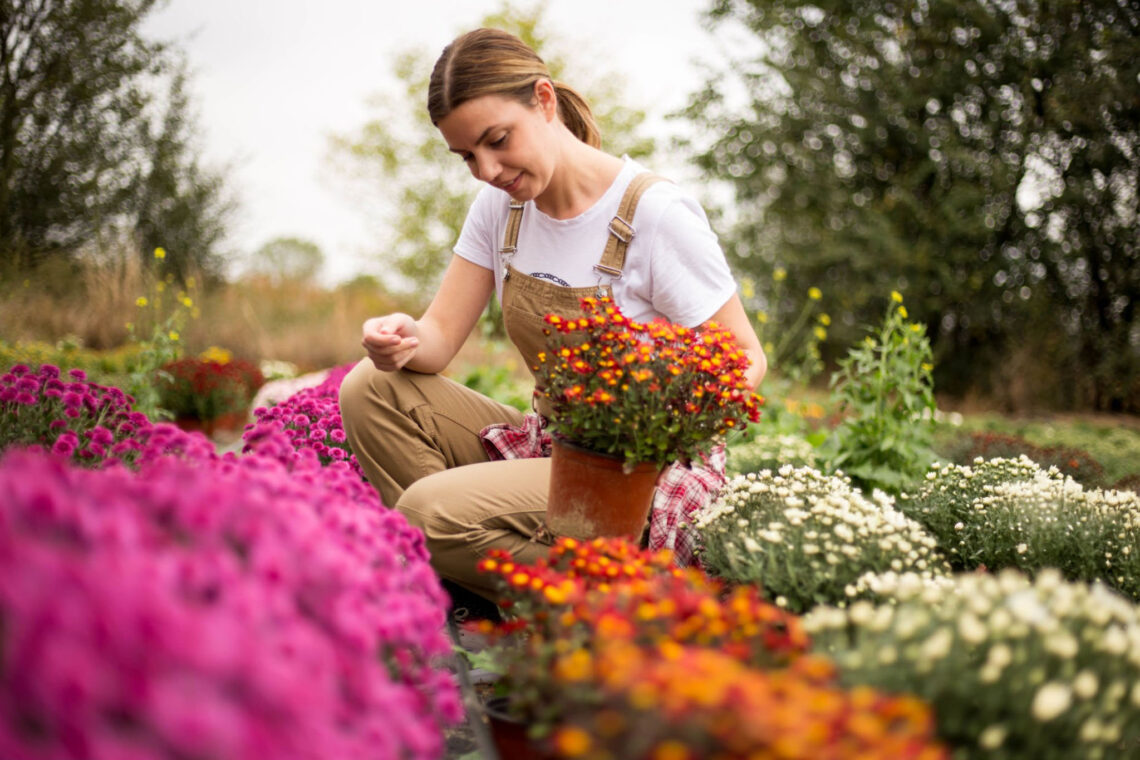
Watering Wisely: Conserving Resources During Dry Late Summer Days
Late summer in many parts of the United States often means hot, dry conditions that put serious stress on gardens, lawns, and landscapes. With water becoming an increasingly precious resource, learning to water wisely during these dry spells is crucial—not only to keep your plants healthy but also to conserve water and reduce your utility bills.
Whether you’re tending a vegetable garden, caring for ornamental plants, or managing a larger landscape, adopting smart watering habits can make a big difference during these challenging late summer days.
Understanding Plant Water Needs in Late Summer
By late summer, many plants have entered their peak growth or fruiting phases, demanding steady moisture to sustain blooms, fruits, and foliage. However, excessive or inefficient watering can lead to wasted resources, encourage shallow root systems, and increase susceptibility to diseases.
The key is to provide the right amount of water, at the right time, in the right way.
Best Practices for Efficient Watering
1. Water Deeply and Infrequently
Deep watering encourages roots to grow downward, seeking moisture well below the surface. This builds drought tolerance and stabilizes plants against heat stress. Instead of daily light watering, soak your soil thoroughly 1-2 times a week, depending on your soil type and weather.
- Sandy soils drain quickly and may require more frequent watering.
- Clay soils retain moisture longer but need slow watering to avoid runoff.
2. Water Early in the Morning
Morning watering (between 5 a.m. and 9 a.m.) is ideal. Cooler temperatures and calmer winds reduce evaporation, allowing water to soak into the soil more effectively. Watering early also helps foliage dry quickly, minimizing fungal diseases.
Avoid watering in the heat of the afternoon or late evening, which either wastes water through evaporation or leaves leaves damp overnight.
3. Use Mulch to Retain Moisture
Applying a 2-4 inch layer of organic mulch—such as straw, shredded bark, or wood chips—around plants keeps the soil cooler and retains moisture longer. Mulch also suppresses weeds that compete for water and nutrients.
Mulching is one of the simplest and most effective ways to reduce irrigation needs during dry late summer days.
4. Target the Root Zone, Not the Leaves
Watering at the base of plants ensures moisture reaches the roots where it’s needed most. Using drip irrigation or soaker hoses reduces water loss from evaporation and keeps foliage dry, preventing disease.
Avoid overhead sprinklers during hot, dry periods, as water evaporates quickly and can promote fungal issues.
5. Group Plants by Water Needs
Design your garden or landscape to group plants with similar watering requirements. This approach, known as hydrozoning, helps avoid overwatering some plants while underwatering others, optimizing water use efficiency.
Tools and Technologies to Save Water
Smart Irrigation Timers
Modern timers adjust watering schedules based on local weather data, soil moisture, and evapotranspiration rates. This precision prevents unnecessary watering and adapts to changing conditions.
Soil Moisture Sensors
These devices monitor moisture levels below ground, ensuring irrigation only kicks in when the soil actually needs water.
Rain Barrels and Water Harvesting
Collecting rainwater during wetter months provides a free, sustainable water source for your garden during dry spells.
Signs Your Plants Need Water (and When to Hold Off)
Watch for these early signs of water stress:
- Wilting or drooping leaves (usually early morning and late afternoon).
- Leaves curling, browning, or developing dry edges.
- Slow growth or faded color.
However, some plants naturally droop midday during heat and perk up in the evening—don’t mistake this for stress.
Before watering, check soil moisture by sticking your finger 2-3 inches into the soil; if it feels dry, it’s time to water.
Water Conservation Tips Beyond the Garden
- Fix leaks promptly in hoses, faucets, and irrigation systems.
- Use rainwater for non-edible plantings.
- Collect greywater (with appropriate precautions) from household sinks or showers for watering.
- Reduce lawn area or replace with drought-tolerant ground covers.
Final Thoughts
Watering wisely during dry late summer days is both an art and a science. It requires paying attention to your plants’ needs, local weather, and your soil’s characteristics—all while balancing conservation efforts. With thoughtful watering strategies, you can maintain a lush, productive garden and landscape without wasting precious water.
Investing time and effort into efficient watering practices pays off with healthier plants, lower water bills, and a positive impact on the environment—benefits worth every drop.

