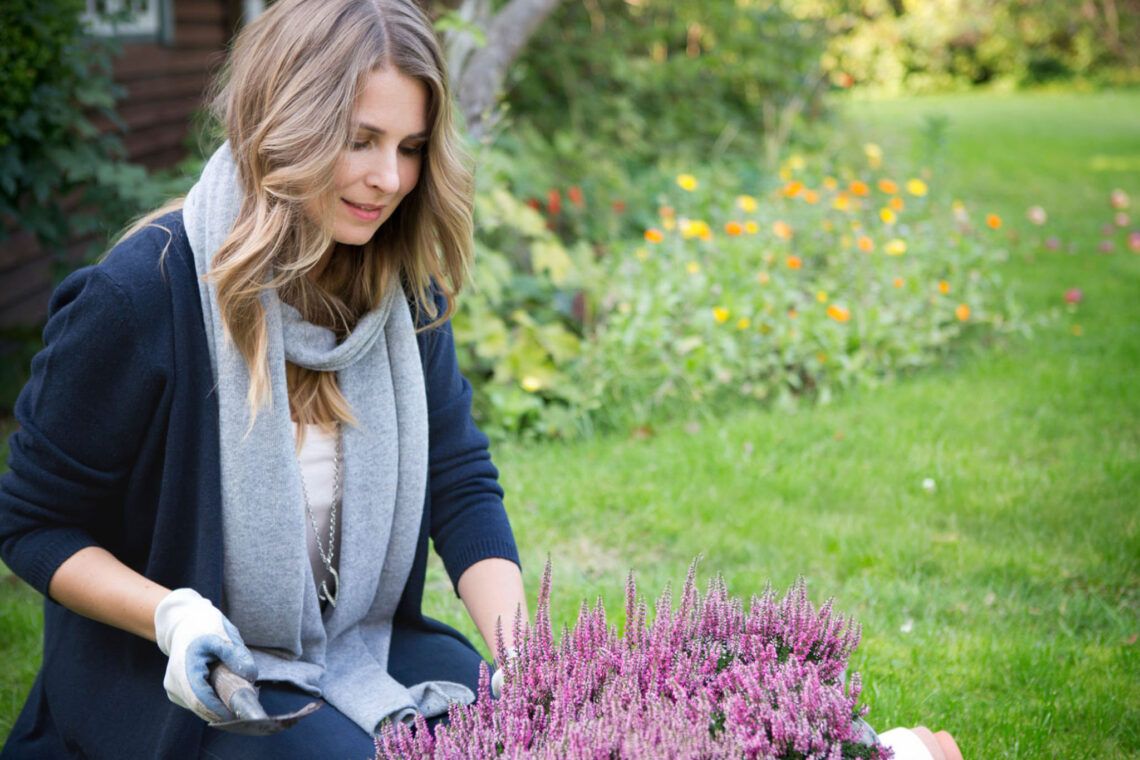
Late Summer Garden Tasks That Boost Fall Harvest
As summer winds down, gardeners often think of slowing down, but late summer is actually a crucial time to set your garden up for a bountiful fall harvest. With proper attention and timely tasks, you can extend your growing season, strengthen plants, and maximize both yield and quality. Here’s a comprehensive guide to essential late-summer gardening practices that pay off in autumn.
1. Clean Up and Prune
Late summer is the perfect time to remove spent blooms, diseased leaves, and weak branches:
- Deadheading flowers: Removing spent flowers encourages plants like zinnias, marigolds, and asters to continue producing blooms into the fall.
- Pruning vegetables: Trim yellowing or overcrowded leaves on tomatoes, peppers, and squash to improve airflow, reduce disease risk, and allow sunlight to reach lower fruit.
- Tidy up perennials: Cutting back tired perennial growth promotes fresh fall growth and prepares the plant for overwintering.
2. Fertilize Strategically
Plants need a nutrient boost in late summer to recover from the summer heat and produce fall crops:
- Balanced fertilizer: Apply a balanced slow-release fertilizer or compost tea to support root growth and fruit development.
- Focus on potassium and phosphorus: These nutrients improve flowering and fruiting, helping vegetables like broccoli, cabbage, and carrots reach their peak before the first frost.
- Avoid excess nitrogen: Too much nitrogen can encourage leafy growth at the expense of fruit production.
3. Mulching and Soil Care
Protecting the soil now ensures healthy root systems and preserves moisture during hot, dry days:
- Refresh mulch: Add a layer of organic mulch, such as straw, shredded leaves, or compost, around plants to reduce evaporation and moderate soil temperature.
- Soil aeration: Lightly loosen compacted soil to improve water absorption and root development.
- Incorporate organic matter: Top-dress garden beds with compost to replenish nutrients and stimulate beneficial microbial activity.
4. Water Wisely
Late summer heat can stress plants, reducing fall yields:
- Deep, infrequent watering: Encourage deep root growth by watering less frequently but thoroughly.
- Drip irrigation or soaker hoses: Target the base of plants to conserve water and minimize disease caused by wet foliage.
- Monitor soil moisture: Avoid letting soil dry completely, especially for cool-season crops being planted for fall harvest.
5. Start Fall Crops
Now is the time to plant vegetables and herbs that thrive in cooler weather:
- Leafy greens: Spinach, kale, lettuce, and Swiss chard can be sown for an autumn harvest.
- Root vegetables: Beets, carrots, radishes, and turnips benefit from late summer planting.
- Herbs: Cilantro, parsley, and dill perform well when started in late summer for fall use.
6. Pest and Disease Management
Late summer can bring a second wave of pests and fungal issues:
- Inspect plants regularly: Look for aphids, caterpillars, and fungal infections on leaves and stems.
- Remove affected foliage: Cut off damaged or diseased parts to prevent spread.
- Natural remedies: Consider neem oil, insecticidal soap, or beneficial insects to control pests without harming pollinators.
7. Plan for Season Extension
Extend your growing window with simple techniques:
- Row covers or floating fabric: Protect fall crops from early frosts and help maintain warmer soil temperatures.
- Cold frames or low tunnels: Provide additional protection and allow for continuous harvest into late fall.
- Succession planting: Plant crops in intervals to ensure a steady harvest until frost.
Final Thoughts
Late summer is a prime time to prepare your garden for success in the fall. By pruning, fertilizing, mulching, watering wisely, planting cool-season crops, managing pests, and planning for season extension, you can turn late summer chores into a bountiful autumn harvest. Consistent care now will reward you with a productive, vibrant garden well into the cooler months.

