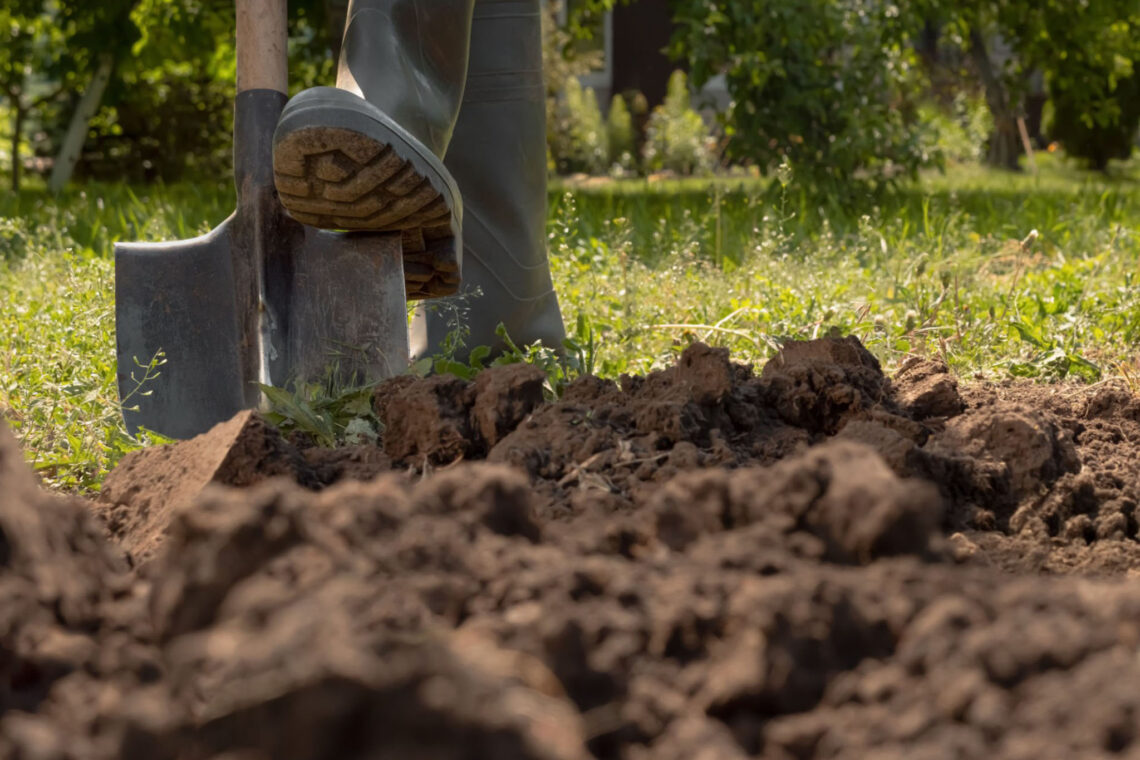
September Soil Prep: Getting Garden Beds Ready for Fall Crops
When September rolls around, many gardeners think the season is winding down. But in reality, it’s the perfect time to refresh your soil and set up your garden beds for a productive fall harvest. Cooler weather crops thrive when they’re planted in nutrient-rich, well-prepared soil — and giving your beds some extra care now pays off with healthier plants and higher yields.
Here’s how to prep your soil in September so your fall garden starts strong and carries you well into the cooler months.
Why Soil Prep Matters in September
Fall crops like broccoli, kale, carrots, lettuce, and radishes require different growing conditions than heat-loving summer vegetables. By September:
- Nutrient levels may be depleted after summer’s heavy feeding plants like tomatoes and peppers.
- Soil structure often compacts, especially after months of watering and foot traffic.
- Weeds and leftover roots can compete with your fall seedlings.
Proper soil prep ensures that your fall crops have the best foundation: loose texture, balanced nutrients, and improved moisture retention.
Step 1: Clear Out Summer’s Leftovers
Before you add anything new, start by removing old, spent plants.
- Pull out summer annuals like tomatoes, beans, and squash that have finished producing.
- Discard diseased plants in the trash — not the compost — to prevent future problems.
- Remove stubborn weeds so they don’t steal water or nutrients.
💡 Tip: Leave behind healthy plant matter and chop it into the soil or compost pile for added organic material.
Step 2: Loosen and Aerate the Soil
After a full growing season, soil tends to become compacted. Fall crops need room for roots to spread and access oxygen.
- Use a garden fork or broadfork to gently loosen the soil 8–12 inches deep.
- Break up clumps and rake the surface smooth.
- Avoid tilling too aggressively — over-tilling can damage soil microbes and beneficial fungi.
Step 3: Replenish Nutrients
Summer crops are heavy feeders, often stripping soil of nitrogen, phosphorus, and potassium. September is the time to give your garden a nutrient boost.
- Compost: Add 2–3 inches of well-rotted compost to restore organic matter.
- Organic Fertilizers: A balanced mix like 10-10-10 or slow-release organic amendments (bone meal, blood meal, kelp meal) work well.
- Manure: Aged manure can be dug in now to improve fertility.
💡 Tip: If you’re unsure what your soil needs, do a soil test before planting. Many extension offices offer affordable kits.
Step 4: Adjust Soil pH if Needed
Most fall vegetables prefer a slightly acidic to neutral pH (6.0–7.0).
- If soil is too acidic, add garden lime.
- If it’s too alkaline, add sulfur or peat moss.
Getting the pH right now helps nutrients become more available to your fall crops.
Step 5: Improve Drainage and Water Retention
Cool-season crops dislike soggy roots but need consistent moisture. Consider these upgrades:
- Mix in coarse sand or perlite if your soil drains poorly.
- Add compost or leaf mold if it dries out too quickly.
- Consider building or refreshing raised beds for better control over soil conditions.
Step 6: Mulch for Moisture and Weed Control
A thin layer of mulch helps stabilize soil temperature, retain moisture, and prevent weeds from taking over.
- Use straw, shredded leaves, or grass clippings as mulch.
- Keep mulch light around seedlings to avoid smothering young plants.
Step 7: Plan for Crop Rotation
Don’t plant fall crops where you had their summer relatives. Rotating helps prevent disease and pest buildup.
- Example: If you grew tomatoes (a nightshade) in one bed, don’t plant fall potatoes there.
- Instead, rotate with leafy greens or root vegetables.
Bonus: Plant a Cover Crop
If you’re not planting fall vegetables in every bed, September is an ideal time to sow cover crops like clover, rye, or vetch.
- They enrich the soil, add organic matter, and prevent erosion.
- In spring, you can till them under as “green manure.”
Final Thoughts
September soil prep is the key to a thriving fall garden. By clearing out summer plants, loosening compacted ground, replenishing nutrients, and protecting soil with mulch or cover crops, you set the stage for crisp lettuces, hearty kale, sweet carrots, and more.
Don’t treat fall as the end of the gardening season — with the right soil care, it can be one of the most rewarding times to grow.
So grab your shovel, spread that compost, and get your beds ready. Your fall crops will thank you with vibrant growth and delicious harvests well into the cooler months.

