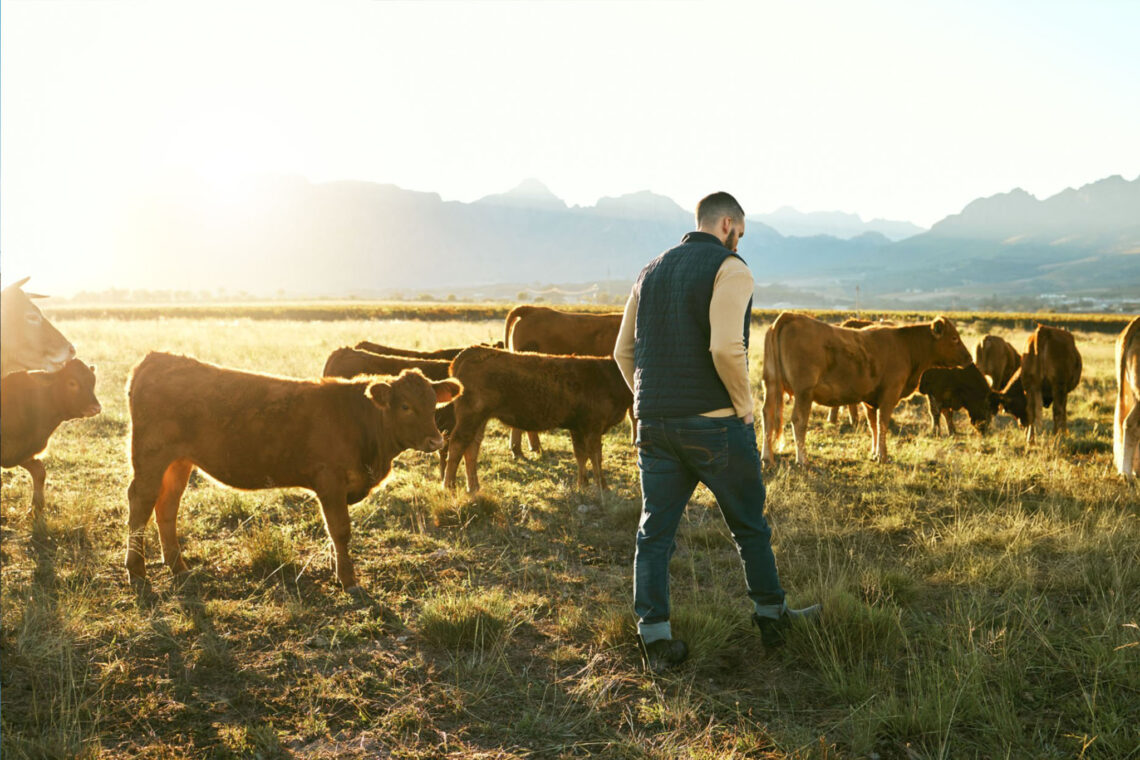
Late-Summer Grazing Balance: Stretching Forage Without Stressing Fields
As late summer sets in, pastures across much of the country are under more pressure than earlier in the season. Warm days and shorter nights slow down forage regrowth, rainfall can be spotty, and livestock appetites remain steady. For ranchers and graziers, this period becomes a balancing act: how to stretch available forage without pushing fields into overuse.
Managing this transition well not only keeps animals in good condition heading into fall but also protects the productivity of your pastures for the seasons ahead.
Why Late-Summer Grazing Requires Extra Attention
By August and September, cool-season grasses such as orchardgrass, fescue, and clovers often slow their growth. Even warm-season forages like bermudagrass or native bluestems start tapering off depending on rainfall. Overgrazing at this stage has long-lasting consequences:
- Weakened root reserves make it harder for plants to rebound in fall.
- Increased weed pressure comes as bare soil opens up.
- Lower forage quality results when animals are forced to graze plants below optimal height.
Essentially, every bite matters more now than it did in spring.
Step 1: Monitor Forage Growth Closely
The key to stretching forage is understanding what’s in front of you.
- Walk fields weekly to check regrowth and stand density.
- Use grazing sticks or pasture rulers to measure forage height. Most grasses shouldn’t be grazed below 3–4 inches; legumes need even more residue left behind.
- Identify stress signals like discoloration, thin patches, or delayed regrowth—these are early warnings that pastures are being pushed too hard.
Step 2: Tighten Up Rotational Grazing
Continuous grazing is especially hard on late-summer forage. Rotational systems give plants recovery time.
- Shorten grazing periods: Move livestock more frequently to prevent them from nipping regrowth.
- Lengthen rest periods: Pastures may need 30–40 days between grazings in dry or hot conditions, compared to 20–25 in spring.
- Use back-fencing: Prevent animals from re-grazing new shoots that are just starting to recover.
This ensures each field maintains enough leaf area to keep photosynthesis working and roots storing energy for fall.
Step 3: Match Stocking to Supply
It’s tempting to keep herd size constant, but late-summer forage supply often dips below spring levels. Options to keep balance include:
- Early culling: Identify unproductive or open cows, or animals near market weight, and sell them now to reduce grazing pressure.
- Creep grazing or creep feeding calves: This takes pressure off brood cows while maintaining calf growth.
- Temporary drylot feeding: In severe shortages, move some animals to a sacrifice lot and feed hay to protect valuable pastures.
Step 4: Supplement Smartly
Stretching forage doesn’t mean livestock need to go hungry. Strategic supplementation can fill gaps without breaking the bank.
- Protein tubs or blocks: Encourage better fiber digestion, especially when grass quality drops.
- Energy supplements: Corn or barley can balance low-energy forage late in the season.
- Mineral access: Always keep minerals available, since stressed pastures often fall short on key nutrients.
Supplements should be used as a tool, not a crutch, to maximize what’s already growing.
Step 5: Think Ahead to Fall Growth
Cooler temperatures and fall rains can bring a flush of new forage—but only if pastures are given the chance to recover.
- Leave adequate residual (3–4 inches) on summer forages so they can regrow once weather shifts.
- Plan for stockpiling: Tall fescue and other cool-season grasses can be stockpiled for late fall or winter grazing if you pull animals off now and allow growth to accumulate.
- Overseed strategically: Late summer is a good time to overseed legumes or cool-season annuals into thin spots, provided you protect them from immediate overgrazing.
Step 6: Water and Shade Matter Too
When forage is limited, cattle will graze harder and longer if water and shade are poorly positioned.
- Move water troughs or use temporary tanks to encourage more uniform grazing and reduce pressure on “favorite” spots.
- Provide shade options so animals don’t linger and overgraze a single area during hot afternoons.
Simple adjustments can improve pasture balance and prevent overuse.
Final Thoughts
Late-summer grazing is a test of patience and planning. Ranchers who walk their fields, move animals with intention, and resist the urge to graze too short will reap the rewards of healthier forage stands and more resilient livestock heading into fall. By combining careful monitoring with rotational systems, supplementation, and forward-thinking strategies, you can stretch every acre without sacrificing long-term productivity.
The golden rule holds true: take half, leave half. In late summer, that discipline makes the difference between barely getting by and setting your operation up for a strong fall grazing season

