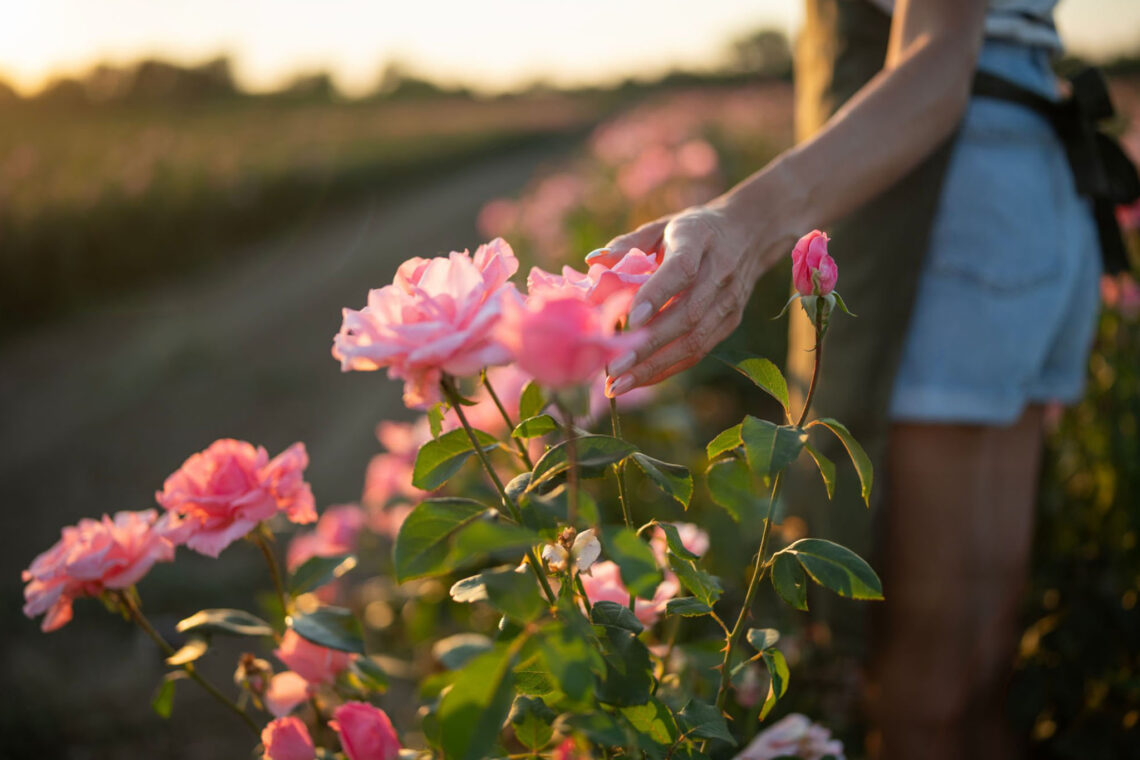
Late Bloomers: Flowers That Shine in September Gardens
When September arrives, many gardeners assume the season of vibrant color is over. Summer’s roses, lilies, and zinnias may be fading, but that doesn’t mean your garden has to lose its sparkle. In fact, early fall offers a surprising lineup of flowers that hit their peak just as the weather cools. These “late bloomers” add warmth, texture, and beauty to your landscape at a time when most beds start looking tired.
Whether you want bold splashes of color, soft transitional tones, or long-lasting pollinator support, September is a prime month to refresh your garden. Here are the flowers that shine brightest during this overlooked season.
1. Chrysanthemums (Mums)
Nothing says fall like chrysanthemums. Available in a rainbow of colors—gold, burgundy, orange, and purple—mums provide instant curb appeal.
- Bloom time: Late August through October.
- Care tips: Plant in full sun, water regularly, and deadhead spent flowers to extend bloom life.
- Bonus: Hardy mums return year after year in many regions, making them both decorative and practical.
2. Asters
With their daisy-like petals and cheerful yellow centers, asters are fall favorites. They attract bees and butterflies when other nectar sources are fading.
- Bloom time: September through early frost.
- Care tips: Thrive in well-drained soil and full sun. Pinch stems in early summer to encourage bushier growth.
- Colors: Purple, lavender, blue, and white varieties brighten up borders and containers.
3. Sedum (Autumn Joy)
Sedum, particularly the “Autumn Joy” variety, thrives when most summer perennials are finished. Its fleshy green leaves transition to rosy clusters of blooms that darken into copper tones as fall progresses.
- Bloom time: Late August to October.
- Care tips: Drought-tolerant and low-maintenance—ideal for busy gardeners.
- Wildlife benefit: Bees and butterflies love it, while seedheads provide winter interest.
4. Japanese Anemones
Elegant and airy, Japanese anemones bring a soft touch to September gardens. Their delicate white or pink blooms sway gracefully on tall stems.
- Bloom time: August through October.
- Care tips: Best in partial shade with rich, moist soil. Divide clumps every few years to prevent overcrowding.
- Garden style: Perfect for cottage gardens or naturalized borders.
5. Goldenrod
Often mistaken for ragweed, goldenrod is actually a pollinator powerhouse. Its bright yellow spikes brighten meadows, borders, and wildflower gardens.
- Bloom time: Late summer into fall.
- Care tips: Tolerates poor soils and full sun. Cut back after flowering to control spread.
- Note: Contrary to myth, goldenrod does not trigger allergies—it’s a great native option for eco-friendly landscapes.
6. Helenium (Sneezeweed)
Despite the name, sneezeweed is a showstopper in September gardens. Its daisy-like flowers in shades of orange, red, and yellow capture the fiery tones of fall.
- Bloom time: Late summer to early fall.
- Care tips: Prefers moist soil and full sun. Cut back after bloom to keep plants tidy.
- Design tip: Pair with ornamental grasses for a dramatic seasonal look.
7. Russian Sage
Russian sage offers silvery foliage topped with tall, lavender-blue flower spikes. Its airy texture brings depth and movement to the late-season landscape.
- Bloom time: July through September, often extending into October.
- Care tips: Plant in full sun and well-drained soil. Drought-tolerant once established.
- Bonus: Deer- and rabbit-resistant, making it a reliable choice for open gardens.
8. Black-Eyed Susans (Rudbeckia)
Though they start blooming in midsummer, black-eyed Susans continue shining into September. Their golden petals and dark centers provide long-lasting color that bridges summer and fall.
- Bloom time: Mid-July to frost.
- Care tips: Deadhead to extend blooming, or let seeds mature for self-sowing.
- Wildlife value: Attracts pollinators now and songbirds later when seeds develop.
Tips for Keeping September Flowers Thriving
- Deadhead regularly: Extend bloom time and encourage fresh growth.
- Water deeply: Cooler days may trick gardeners into neglecting watering, but late-season plants still need consistent moisture.
- Fertilize lightly: A balanced fertilizer can help fuel fall blooms without forcing weak growth before winter.
- Mix textures and colors: Combine perennials with ornamental grasses and fall annuals for a layered, seasonal look.
Final Thoughts
Just because summer is fading doesn’t mean your garden has to fade with it. September is the month when late bloomers step into the spotlight, offering color, nectar, and vibrancy exactly when you need it most. From the fiery tones of helenium to the soft pastels of Japanese anemones, these flowers ensure your garden remains a source of joy well into fall.
With a little planning and care, you can keep your outdoor spaces glowing long after the heat of summer has passed.

